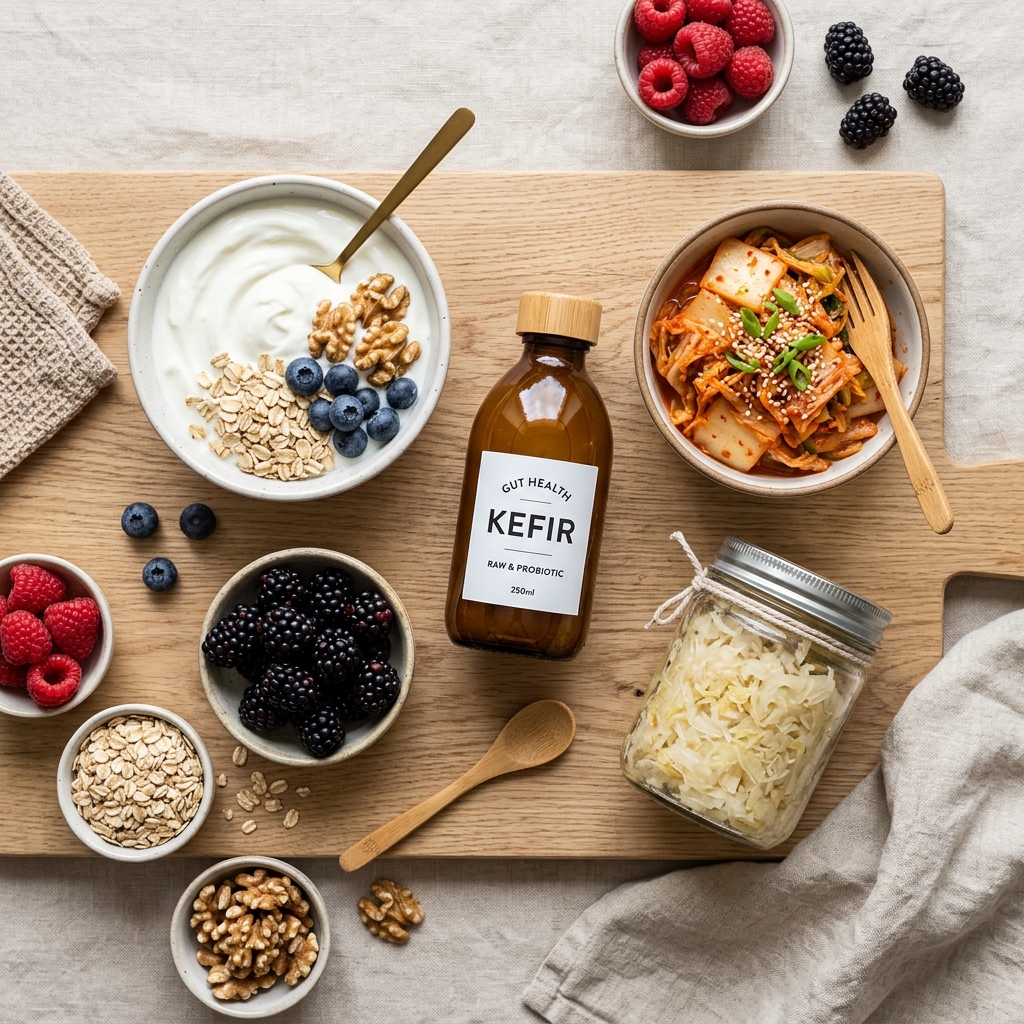
The phrase "gut feeling" turns out to be more literal than we ever imagined. Your digestive system and brain are in constant communication via the gut-brain axis — a bidirectional highway of nerves, hormones, and immune signals.
The Serotonin Surprise
Here's a fact that surprises most people: approximately 90% of your body's serotonin is produced in the gut, not the brain. While gut serotonin doesn't cross the blood-brain barrier, it profoundly influences gut motility and communicates mood signals to the brain via the vagus nerve.
Your gut microbiome — the 38 trillion bacteria that inhabit your intestines — plays a central role in regulating this system.
What the Research Shows
The landmark SMILES trial (2017) randomly assigned adults with major depression to either a Mediterranean-style dietary intervention or social support. After 12 weeks:
- 32% of the diet group achieved remission vs 8% of the control group
- Mean depression scores dropped significantly more in the diet group
- The dietary intervention cost less than the social support therapy
This doesn't mean diet replaces medication or therapy. But it does mean it belongs in the conversation.
The Microbiome-Mood Connection
Key mechanisms through which gut bacteria influence mental health:
- GABA production — Lactobacillus and Bifidobacterium species produce gamma-aminobutyric acid, your primary calming neurotransmitter
- Short-chain fatty acids — Fermentation of fibre produces butyrate, which reduces neuroinflammation
- Tryptophan metabolism — Gut bacteria influence how tryptophan (the precursor to serotonin) is metabolised
Foods That Support the Gut-Brain Axis
Fermented Foods (Daily)
- Kefir, yogurt with live cultures
- Kimchi, sauerkraut, miso
- Kombucha (low sugar varieties)
Prebiotic Fibre (Aim for 25–35g/day)
- Jerusalem artichoke, garlic, leeks, onions
- Green bananas, oats, flaxseed
Omega-3 Fatty Acids
- Fatty fish (salmon, sardines, mackerel) 2–3×/week
- Walnuts, chia seeds, flaxseed oil
Polyphenols
- Blueberries, dark chocolate (≥70%), green tea
- Extra-virgin olive oil, colourful vegetables
A Practical Starting Point
Rather than overhauling your diet overnight, try adding one fermented food and one prebiotic source per day for two weeks. Track your sleep quality and energy levels. The connection often becomes apparent before the science does.
Frequently Asked Questions
Fermented foods (yogurt, kefir, kimchi), omega-3 rich fish, colourful vegetables, and dark chocolate have the strongest research support for mood benefits.
Studies in the SMILES trial showed measurable improvements in depression scores within 12 weeks of a Mediterranean-style diet. Gut microbiome composition can shift within 3–4 days of a dietary change.