
What is Chronic Stress and Why Does It Matter?
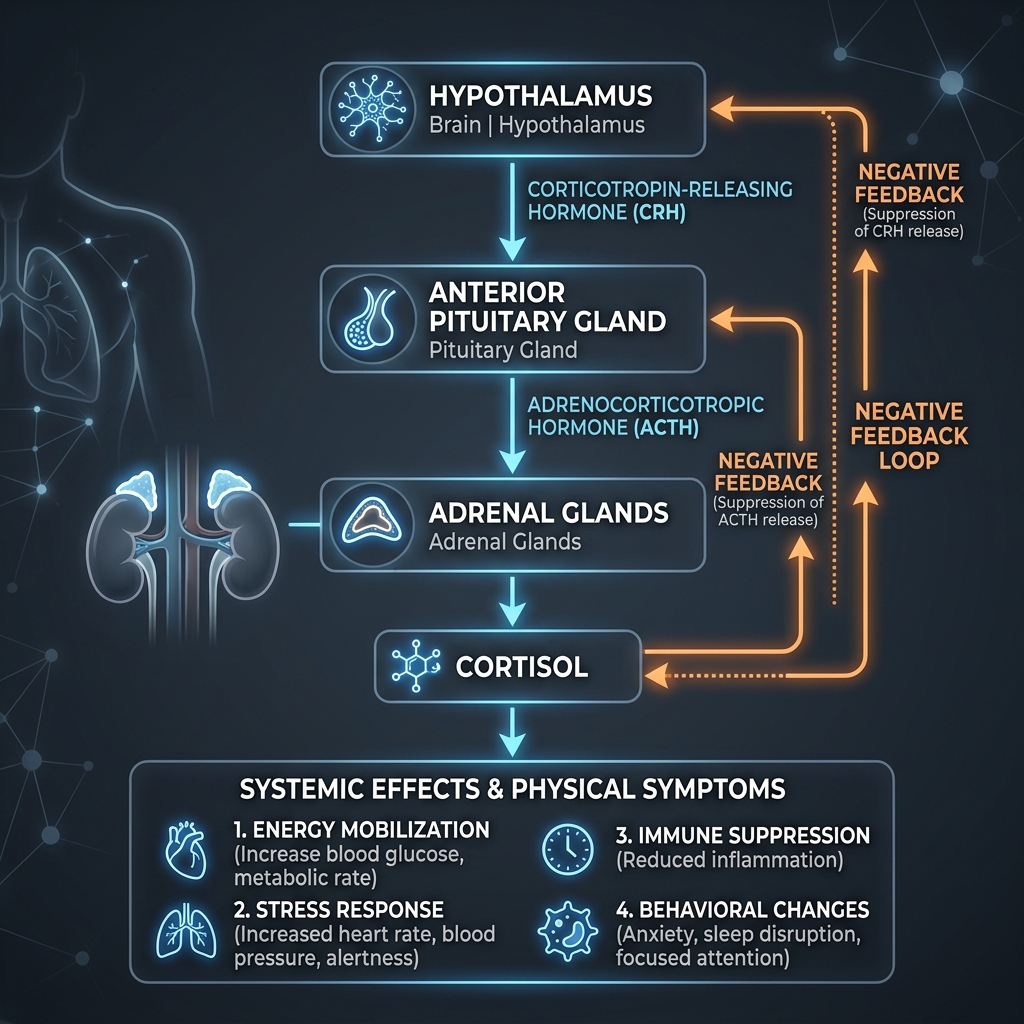
Chronic stress occurs when the body's response to demands—like work deadlines or relationship conflicts—remains activated for too long. While acute stress is normal, chronic stress keeps your body in a constant state of "fight or flight." Over time, this sustained physiological alarm system can severely impact physical health (e.g., high blood pressure) and mental well-being, leading to anxiety, burnout, and depression.
The goal of effective stress management is not to eliminate all stressors, but rather to build resilience—the ability to adapt and recover effectively when faced with adversity.
How Do I Identify My Personal Stress Triggers?
Understanding what causes your stress is the foundation of managing it. Stress triggers are not always obvious; they can be internal thoughts or external events. Identifying them allows you to prepare for and mitigate their impact.
Common Categories of Stressors:
- Workplace Demands: Unrealistic deadlines, lack of control over tasks, or feeling undervalued at work.
- Financial Pressure: Debt, unexpected expenses, or job insecurity.
- Relationship Dynamics: Chronic conflict with family members, communication breakdowns, or feelings of isolation.
- Internal Thoughts: Perfectionism, negative self-talk ("I'm not good enough"), and excessive worrying about the future.
Actionable Steps for Trigger Identification:
- Keep a Stress Journal: For two weeks, record instances where you feel stressed. Note the date, time, situation, your physical reaction (e.g., tight chest), emotional response, and any thoughts running through your mind at that moment.
- Identify Patterns: Reviewing your journal will reveal patterns—you might notice stress always spikes on Monday mornings or after interacting with a specific person.
- Challenge the Thought: When you identify a negative thought (e.g., "I must be perfect"), challenge it by asking: "Is this thought 100% true? What is an alternative, more balanced perspective?"
What Are the Physical and Mental Impacts of Chronic Stress?
Stress is not just a feeling; it's a powerful physiological response that affects nearly every system in your body. Ignoring these signs can lead to serious health issues.
Physical Red Flags:
- Sleep Disturbances: Persistent insomnia or restless sleep.
- Musculoskeletal Pain: Chronic tension headaches, jaw clenching (TMJ), and persistent back pain due to muscle guarding.
- Digestive Issues: Irritable bowel syndrome (IBS), acid reflux, or unexplained stomach upset.
- Immune System Suppression: Frequent illness or taking longer to recover from infections.
Mental and Emotional Red Flags:
- Persistent Anxiety: Feeling constantly "on edge" or worried without a clear cause.
- Irritability & Mood Swings: Becoming easily frustrated, impatient, or experiencing rapid shifts in mood.
- Difficulty Concentrating (Brain Fog): Struggling to focus on tasks or remember details.
- Burnout: A state of emotional, physical, and mental exhaustion caused by prolonged stress.
How Can I Build Healthy Coping Mechanisms?
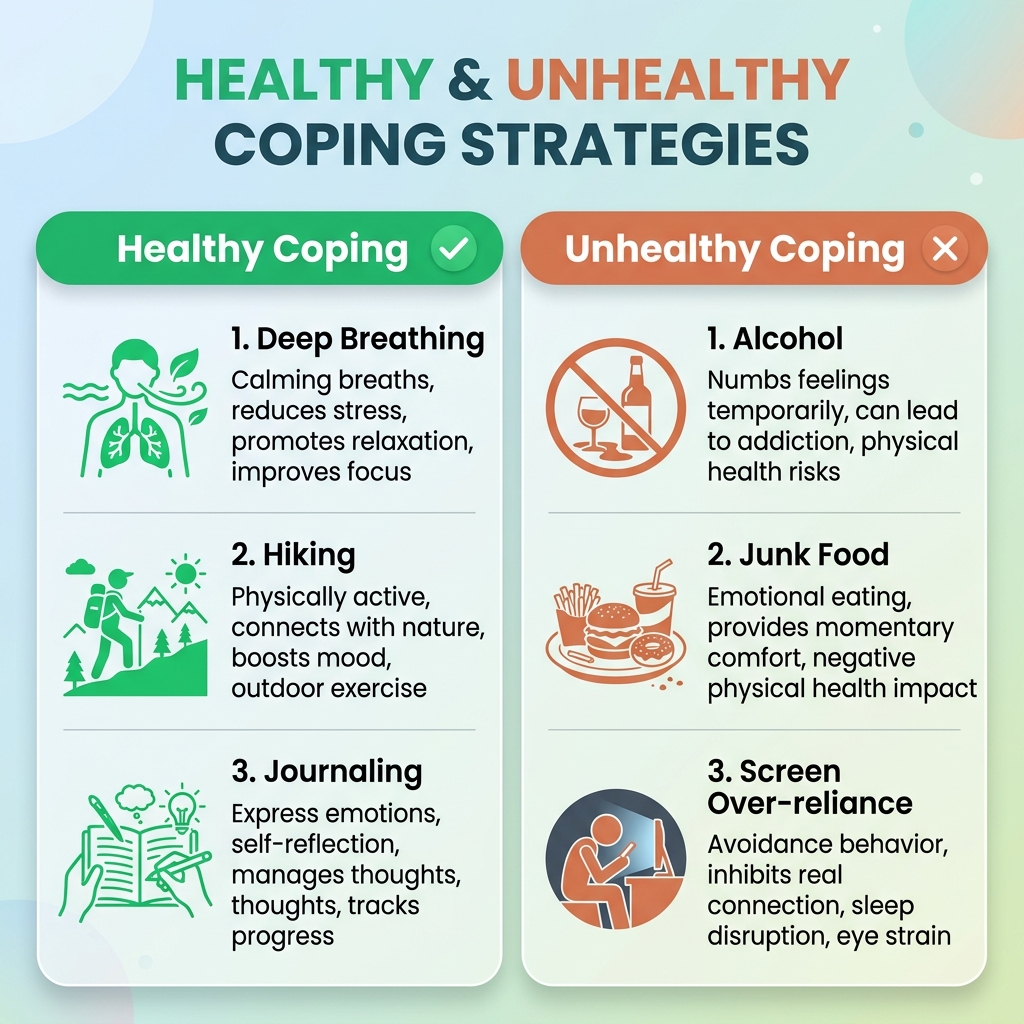
Coping mechanisms are the strategies you use to navigate stressful situations. The key is distinguishing between adaptive (healthy) and maladaptive (unhealthy) responses.
🌿 Adaptive Strategies: Building Resilience
These methods actively promote well-being and help regulate your nervous system.
- Physical Activity: Exercise releases endorphins, natural mood boosters. Aim for a mix of cardio (running) and strength training (lifting).
- Mindfulness & Meditation: These practices train your attention to stay in the present moment, reducing rumination about past failures or future worries.
- Nature Immersion: Spending time outdoors has been scientifically shown to lower cortisol levels and improve mood more effectively than indoor activities.
- Social Connection: Intentionally connecting with supportive friends and family provides emotional validation and reduces feelings of isolation.
- Setting Boundaries: Learning to say "no" is a critical act of self-respect that protects your time, energy, and mental space from being drained by others' demands.
⚠️ Maladaptive Strategies: What to Avoid
These strategies offer temporary relief but create long-term harm, preventing true stress resolution.
- Substance Abuse: Using alcohol, nicotine, or drugs to numb feelings is a dangerous cycle that compounds physical and mental health issues.
- Emotional Eating: Using food (especially highly processed items) as a primary coping mechanism can lead to weight gain and poor nutritional habits.
- Social Withdrawal: Isolating yourself prevents you from receiving the support necessary to process stress.
What Mind-Body Practices Reduce Stress?
Mind-body techniques are powerful tools because they address stress not just mentally, but physically by activating the parasympathetic nervous system—the body's "rest and digest" mode.
🌬️ Deep Breathing Exercises
Deep breathing is one of the fastest ways to signal safety to your brain. It immediately lowers heart rate and blood pressure.
- Diaphragmatic (Belly) Breathing: Place one hand on your chest and one on your belly. Inhale slowly through your nose, making sure only the lower hand (your belly) rises. Exhale fully, letting the belly fall.
- Box Breathing: A technique used by military personnel to maintain calm under pressure. Inhale for a count of 4, hold for 4, exhale for 4, and hold empty for 4. Repeat this cycle several times.
🧘 Yoga and Movement
Yoga combines physical postures (asanas), breathwork, and meditation. It improves flexibility while simultaneously regulating the nervous system.
- Key Benefits: Regular practice has been shown to lower cortisol levels, improve sleep quality, and reduce symptoms of generalized anxiety disorder.
- Beginner Poses for Calm: Focus on poses that encourage deep stretches and grounding:
- Child's Pose (Balasana): Calms the mind and relieves back tension.
- Downward-Facing Dog (Adho Mukha Svanasana): Stretches the entire body and promotes a sense of stability.
🧠 Mindfulness Meditation
Mindfulness is simply paying attention to the present moment without judgment. It teaches you that thoughts are not facts.
- How it Works: Instead of getting caught in worry cycles, mindfulness helps you observe your thoughts—like watching clouds pass by—and gently redirecting focus back to a physical anchor, such as the breath.
- Practice Tip: Start with just 5 minutes daily. Use guided apps or simply sit quietly and count your breaths (Inhale: 1, Exhale: 2, Inhale: 3...).
How Can I Improve My Daily Structure for Less Stress?
Stress often stems from feeling overwhelmed by life's demands. Improving structure through time management and boundary setting is crucial for long-term mental health.
🗓️ Mastering Time Management
Effective time management isn't about cramming more tasks in; it's about prioritizing impact over activity.
- The Eisenhower Matrix: Categorize tasks into four quadrants:
- Urgent & Important: Do immediately (e.g., a crisis).
- Not Urgent & Important: Schedule time for these (e.g., exercise, planning, deep work). This is where you should spend most of your energy.
- Urgent & Not Important: Delegate or minimize (e.g., unnecessary meetings).
- Not Urgent & Not Important: Eliminate entirely (e.g., mindless scrolling).
- Avoid Multitasking: Focus on single-tasking. Dedicate your full attention to one task until it is complete before moving to the next.
🛡️ Setting and Maintaining Boundaries
Boundaries are invisible lines you draw around yourself that define what is acceptable for your time, energy, and emotional space.
- Why They Matter: Without boundaries, you risk burnout because you constantly give away resources (time/energy) to others who do not respect your limits.
- Practical Steps:
- Identify the Leak: Determine where your time or energy is being drained unnecessarily (e.g., always agreeing to last-minute favors).
- Communicate Assertively: Use "I" statements: "I cannot take on that project right now because I need to focus on my existing deadlines."
- Be Consistent: The first time you set a boundary, it might feel uncomfortable or face resistance. Consistency is key to making it stick.
Summary & Next Steps for Stress Reduction
Stress management is an ongoing practice, not a one-time fix. By integrating physical practices (yoga, breathing), mental techniques (mindfulness), and structural changes (boundaries, time blocking), you can significantly reduce your baseline stress level. Remember that self-compassion is vital; be patient with yourself as you learn these new habits.
Start small: Choose just one area—like practicing deep belly breaths for five minutes daily—and commit to it for two weeks before adding another strategy. Consistency builds resilience.
Frequently Asked Questions
The most crucial first step is identifying your personal stress triggers—the specific people, situations, or thoughts that cause you distress.
While chronic stress takes time to manage, techniques like deep breathing and mindfulness can provide immediate relief within minutes of practice.