
What Is the Mind-Body Connection?
The mind-body connection describes the profound, two-way relationship where your mental and emotional states directly influence your physical health, and vice versa. It is not merely a concept; it is a scientifically recognized phenomenon. Essentially, your thoughts, emotions, and beliefs send signals through your nervous and hormonal systems that can either promote healing or contribute to illness. Understanding this interplay is the first step toward optimizing holistic well-being.
How Does Your Mind Physically Affect Your Body?
The mind and body are not separate entities; they operate as a complex communication network. This constant dialogue occurs primarily through two major biological systems: the nervous system and the endocrine (hormonal) system.
The Role of the Nervous System
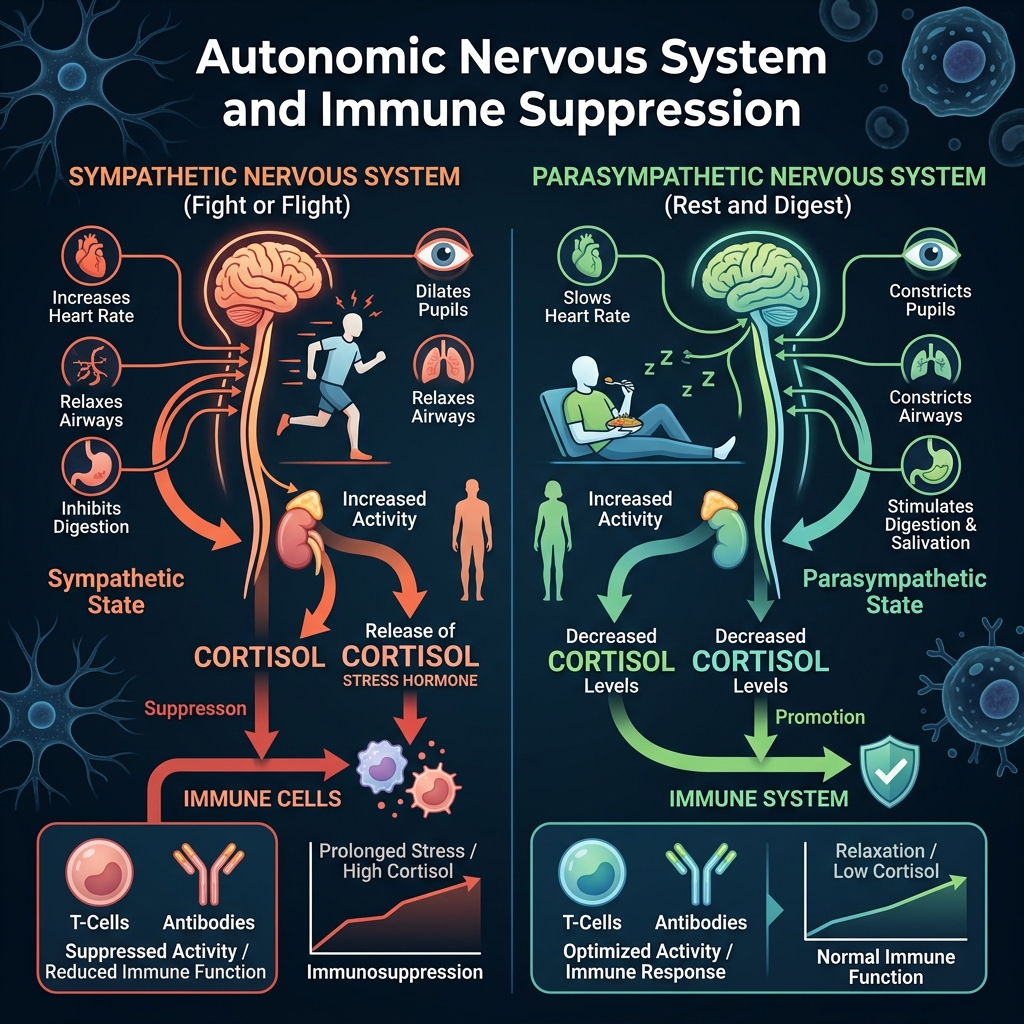
Your autonomic nervous system (ANS) manages involuntary bodily functions and is central to this connection. It has two key branches:
- Sympathetic Nervous System (SNS): This is the "fight-or-flight" response. When you perceive danger or stress, the SNS activates, releasing adrenaline and cortisol. While useful in short-term emergencies, chronic activation keeps your body in a state of high alert, which is detrimental over time.
- Parasympathetic Nervous System (PNS): This is the "rest-and-digest" system. It promotes relaxation, healing, and recovery. Activating the PNS through techniques like deep breathing or meditation helps signal to your body that it is safe to rest and repair itself.
The Influence of Hormones
Hormones act as chemical messengers traveling through your bloodstream, linking emotional states to physical processes:
- Cortisol (The Stress Hormone): Chronic stress elevates cortisol levels. While necessary for survival in acute situations, sustained high cortisol suppresses the immune system, increases blood sugar, and promotes inflammation.
- Oxytocin (The Bonding Hormone): Positive emotions, strong social connections, and acts of kindness trigger oxytocin release. This hormone is crucial for promoting feelings of safety, trust, and deep relaxation, thereby supporting physical health.
The Immune System's Vulnerability
Your immune system is highly sensitive to your emotional state. When you are chronically stressed or anxious, the sustained high levels of cortisol can weaken the body’s natural defenses, making you more susceptible to infections and slowing down recovery from illness. Conversely, practices that promote calm strengthen immunity.
What Happens to Your Body During Chronic Stress and Anxiety?
Stress, anxiety, and depression are not just "in your head." When these conditions become chronic, they trigger a cascade of physical changes that can significantly increase the risk of serious health issues. Recognizing these physical signs is crucial for early intervention.
The Physical Toll of Chronic Stress
Chronic stress keeps the body's alarm system perpetually engaged, leading to:
- Cardiovascular Strain: Sustained high heart rate and blood pressure increase the long-term risk of heart disease, hypertension, and stroke.
- Digestive Dysfunction: Stress hormones disrupt gut motility and sensitivity, commonly causing symptoms like Irritable Bowel Syndrome (IBS), acid reflux, and persistent stomach aches.
- Immune Suppression: The constant drain on resources weakens the immune response, making you more prone to illness and slowing healing.
- Sleep Disruption: Stress often leads to insomnia, creating a vicious cycle where lack of sleep exacerbates stress levels.
Anxiety: More Than Just Worry
While occasional worry is normal, chronic anxiety keeps the body in a low-grade "fight-or-flight" state. Physically, this manifests as:
- Muscle Tension: Constant vigilance causes muscles (especially in the neck, shoulders, and back) to remain tense, leading to persistent headaches and pain.
- Cardiovascular Symptoms: Anxiety can cause rapid heart rate spikes and elevated blood pressure, sometimes mimicking symptoms of a cardiac event.
- Hyperventilation: Excessive worry often leads to shallow, rapid breathing (hyperventilation), causing dizziness and lightheadedness.
Depression: The Systemic Drain
Depression is a serious mood disorder that impacts nearly every bodily system. Its physical effects include:
- Chronic Fatigue: Profound lack of energy makes performing daily tasks difficult, often misinterpreted as simple laziness.
- Pain Amplification: Depression can heighten the perception of pain and contribute to chronic conditions like fibromyalgia or persistent back pain.
- Appetite Changes: Significant shifts in appetite (either overeating or loss of interest in food) can lead to weight fluctuations.
Building Resilience: Practical Ways to Improve Mental Well-being
The good news is that the mind-body connection is reversible. By actively cultivating positive emotions and developing emotional resilience, you can build a protective buffer against stress and anxiety.
1. Harnessing the Power of Gratitude
Gratitude shifts your focus from what is lacking to what is abundant in your life. This practice has been shown to reduce cortisol levels and improve overall mood.
- Actionable Tip: Start a gratitude journal. Every evening, write down three specific things that brought you joy or gratitude that day, no matter how small.
- Impact: It trains the brain to seek out positive stimuli, counteracting negative thought patterns.
2. Mastering Positive Self-Talk
The internal dialogue is one of the most powerful influences on your emotional state. Negative self-talk ("I always fail," "I'm worthless") reinforces anxiety and low mood.
- Identify: When you feel down, pause and write down the negative thought.
- Challenge: Ask yourself: Is this 100% true? What evidence do I have against this thought?
- Reframe: Replace the negative statement with a balanced, realistic one (e.g., "I struggled with that task, but I learned X skill," instead of "I am terrible at everything").
3. The Practice of Forgiveness
Holding onto resentment and anger is emotionally taxing—it’s like carrying heavy weights you didn't choose. Forgiveness is not about excusing behavior; it is a conscious decision to release yourself from the emotional burden that keeps you tied to past pain.
- Self-Compassion: Crucially, practice forgiving yourself for mistakes. Treat your past self with the same kindness you would offer a friend.
Proven Tools: Using Mindfulness and Meditation for Health
Mindfulness and meditation are evidence-based practices designed to train attention and regulate the nervous system, making them powerful tools for improving both mental and physical health.
What is Mindfulness?
Mindfulness is simply paying attention to the present moment without judgment. It means observing your thoughts, feelings, and bodily sensations as they arise—like watching clouds pass in the sky—without getting swept away by them.
- How it Helps: By creating distance between you and a passing thought (e.g., "I am having the thought that I failed"), you reduce the emotional intensity of worry and anxiety.
- Simple Practice: Mindful Breathing. When stressed, pause and focus entirely on your breath for 60 seconds. Notice the cool air entering and the warm air leaving. This immediately activates the parasympathetic nervous system (PNS), signaling safety to your body.
What is Meditation?
Meditation is a formal practice of training the mind to achieve focus and inner calm. While mindfulness is what you are doing (paying attention), meditation is how you do it (the structured exercise).
Key Types of Meditation:
- Body Scan: Systematically bringing awareness to different parts of your body, noticing sensations without trying to change them. This helps reconnect the mind with physical signals.
- Loving-Kindness Meditation: Directing feelings of compassion and goodwill toward yourself and others. This practice is scientifically linked to reducing stress hormones and increasing positive emotions.
Daily Habits: Simple Steps to Strengthen the Mind-Body Link
Beyond formal practices, integrating simple lifestyle changes can dramatically improve your overall well-being and strengthen the connection between your mental and physical health.
1. Prioritize Quality Sleep
Sleep is when the brain processes emotions and physically repairs tissues. Chronic sleep deprivation elevates stress hormones and impairs emotional regulation.
- Goal: Aim for 7–9 hours of consistent, quality sleep.
- Action: Establish a strict bedtime routine (e.g., reading, gentle stretching) and ensure your bedroom is cool, dark, and quiet. Avoid screens at least one hour before bed.
2. Move Your Body Daily
Physical activity is a powerful mood regulator. It releases endorphins—natural painkillers and mood elevators—and helps metabolize excess stress hormones.
- Recommendation: Aim for 30 minutes of moderate-intensity exercise most days. This doesn't need to be intense; walking, cycling, or gentle yoga are highly effective.
- Tip: Incorporate movement into your day by taking the stairs or standing up every hour while working.
3. Nourish Your Gut and Mind
The gut is often called the "second brain" because of its direct communication with the central nervous system (the gut-brain axis). What you eat directly impacts your mood and stress response.
- Focus On: Whole foods, fiber-rich vegetables, fermented foods (like yogurt or sauerkraut), and healthy fats (avocado, nuts).
- Limit: Highly processed sugars and excessive alcohol, which can trigger inflammation and negatively affect gut flora.
4. Connect with Nature and Others
Social connection and time in nature are powerful stress mitigators. They provide perspective and stimulate the release of oxytocin.
- Nature Therapy: Spend time outdoors—walking through a park or forest. Studies show that exposure to natural environments significantly lowers blood pressure and cortisol levels.
- Build Community: Maintain strong relationships with friends and family. Don't hesitate to seek professional support from therapists or counselors when needed; seeking help is a sign of strength.
Summary & Next Steps
The mind-body connection is the fundamental truth of human health: your thoughts are powerful physical forces. By adopting mindful practices, managing chronic stress, prioritizing sleep, and moving your body, you gain the ability to actively shape your well-being. Start small—even five minutes of deep breathing or a gratitude journal entry can initiate positive changes that ripple through your entire system.
Disclaimer: This article provides educational information and is not a substitute for professional medical advice. Always consult with a qualified healthcare provider before making significant changes to your diet, exercise routine, or mental health regimen.
References
- National Institutes of Health (NIH): Mind-Body Connection
- American Psychological Association (APA): Stress Management Guidelines
- Mayo Clinic: Understanding the Gut-Brain Axis
- Harvard Health Publishing: The Impact of Sleep on Mood and Cognition
- Mindful.org: Core Principles of Mindfulness Practice
Frequently Asked Questions
No. While chronic stress is a major factor, the relationship encompasses all emotions—positive feelings like gratitude can also boost physical health.