
What Exactly Is Mindfulness?
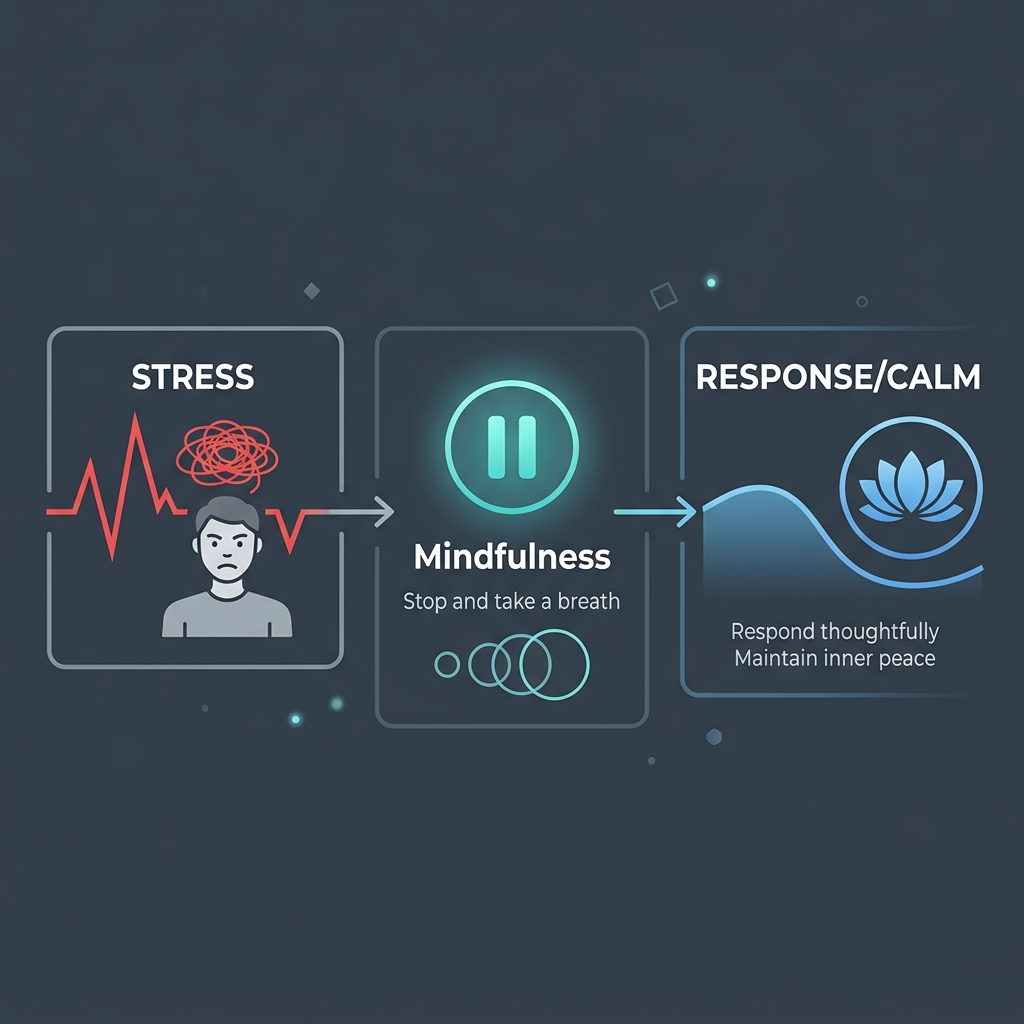
Mindfulness is the foundational ability to be fully present—aware of your thoughts, feelings, and physical sensations in the current moment without judgment or excessive reactivity. It is not about emptying your mind; rather, it's about training your attention to observe what is happening right now. By practicing mindfulness, you learn to pause between a trigger (like stress) and your reaction, creating space for a more thoughtful response.
This practice shifts your focus from dwelling on past regrets or future anxieties to the rich reality of the present moment. It is a skill that can be applied anywhere—from sitting quietly to washing dishes.

Why Does Mindfulness Improve Mental Health?
The benefits of consistent mindfulness practice are supported by extensive research. By repeatedly bringing your attention back to the present, you strengthen neural pathways associated with emotional regulation and focus.
Key Benefits of Cultivating Presence:
- Stress Reduction: Mindfulness helps you identify stress triggers rather than reacting automatically. This awareness allows you to use healthier coping mechanisms, calming the body's fight-or-flight response.
- Improved Focus & Attention: Regular practice strengthens your ability to concentrate and resist distraction (often called "attention muscle"). You become better at staying engaged in tasks at hand.
- Emotional Regulation: Instead of being swept away by intense emotions, mindfulness teaches you to observe feelings like passing clouds—acknowledging them without letting them define you. This leads to a more balanced response.
- Enhanced Self-Awareness: You gain deeper insight into your habitual thought patterns and emotional triggers. Understanding why you react the way you do is the first step toward change.
- Better Sleep Quality: By quieting the constant mental chatter that often keeps us awake, mindfulness techniques help calm the nervous system, making it easier to fall asleep and stay rested.
How Does It Work Scientifically?
Mindfulness practice has been shown to physically alter brain function. Studies suggest that regular meditation can:
- Reduce Amygdala Activity: The amygdala is the part of the brain responsible for processing fear and stress. Mindfulness helps dampen its overreaction, leading to a calmer baseline state.
- Increase Prefrontal Cortex Density: This area is associated with executive function, planning, decision-making, and emotional control—all skills that improve with practice.
Simple Ways to Start: Core Mindfulness Exercises
The best part about mindfulness is that it requires no special equipment or expensive retreats; you can start right now. Here are five foundational exercises to build your presence muscle:
1. Mindful Breathing (Anchor Practice)
This is the most accessible starting point. Find a comfortable seat and simply observe your breath for five minutes. Focus on the physical sensation of the air—the coolness entering, the warmth leaving. When your mind wanders (which it will!), gently acknowledge the thought and redirect your attention back to the breath.
2. Body Scan Meditation
Lie down or sit comfortably. Systematically bring your awareness through different parts of your body, starting from your toes and moving up to the crown of your head. Notice any sensations—tension, warmth, tingling, or nothing at all. This practice grounds you in your physical self.
3. Mindful Observation (Sensory Focus)
Choose a simple object nearby—a pen, a leaf, a cup. Spend five minutes observing it as if you have never seen it before. Engage all five senses: What are the colors? How does the light hit it? Can you smell anything? This forces your mind out of abstract thought and into concrete reality.
4. Mindful Listening
The next time someone is speaking to you, commit to truly listening. Do not plan your response while they are talking. Focus entirely on their words, their tone, and their body language. This practice improves connection and reduces internal distraction.
5. Gratitude Practice
Dedicate five minutes each day to listing three things—no matter how small—that you are genuinely grateful for. Writing these down or simply reflecting on them shifts your brain's focus from what is lacking to what is abundant.
Integrating Mindfulness into Daily Life
True mastery of mindfulness means taking it beyond the cushion and applying it to everyday activities. These are opportunities for "micro-practices" that build presence throughout your day.
Mindful Eating
Instead of eating while scrolling or working, dedicate a few minutes to savoring your meal. Notice the aroma, the texture, and the taste of every bite. Chew slowly and pay attention to when you feel satisfied—this helps improve digestion and prevents mindless overeating.
Mindful Walking
When walking, shift your focus from where you are going to how you are moving. Pay attention to the rhythm of your feet hitting the pavement, the swing of your arms, and the sounds around you. This turns a routine commute into a grounding exercise.
Mindful Communication
Before responding in an argument or even a casual conversation, take a deep breath and pause. Ask yourself: "What do I need to say right now?" This brief moment of conscious delay prevents reactive outbursts and fosters clearer communication.
Why Is Mindfulness Important for Modern Life?
In our hyper-connected world, the constant barrage of notifications, deadlines, and information creates a state of perpetual "mental distraction." This chronic overstimulation keeps us in a low-grade state of stress.
Mindfulness acts as an antidote to distraction. It teaches you that your thoughts are not facts; they are merely mental events passing through. By recognizing this separation, you gain emotional distance from anxiety and worry, allowing you to live with greater intention and peace.
Summary & Next Steps for Your Journey
Mindfulness is a skill—like physical fitness or learning an instrument—it requires consistent effort. Do not expect instant perfection; be patient and compassionate with yourself.
To start your journey today:
- Commit 5 Minutes: Set a timer for five minutes tonight and simply focus on the sensation of your breath.
- Choose One Activity: Pick one daily activity (like brushing teeth or drinking coffee) and commit to doing it mindfully for the next three days, noticing every detail.
- Be Kind: When you notice your mind wandering, do not criticize yourself. Simply acknowledge the thought ("There's a worry about work") and gently guide your attention back to your anchor (the breath or the object).
By consistently cultivating presence, you are building a resilient, calm, and focused relationship with yourself that lasts far beyond any single meditation session.
Frequently Asked Questions
Mindfulness is the *practice* of non-judgmental awareness in the present moment. Meditation is one of the *techniques* used to cultivate that state of mind.
Start with 5 minutes a day. Consistency is more important than duration; gradually increase your time as you feel comfortable.