What Are the Comprehensive Health Benefits of Hiking?
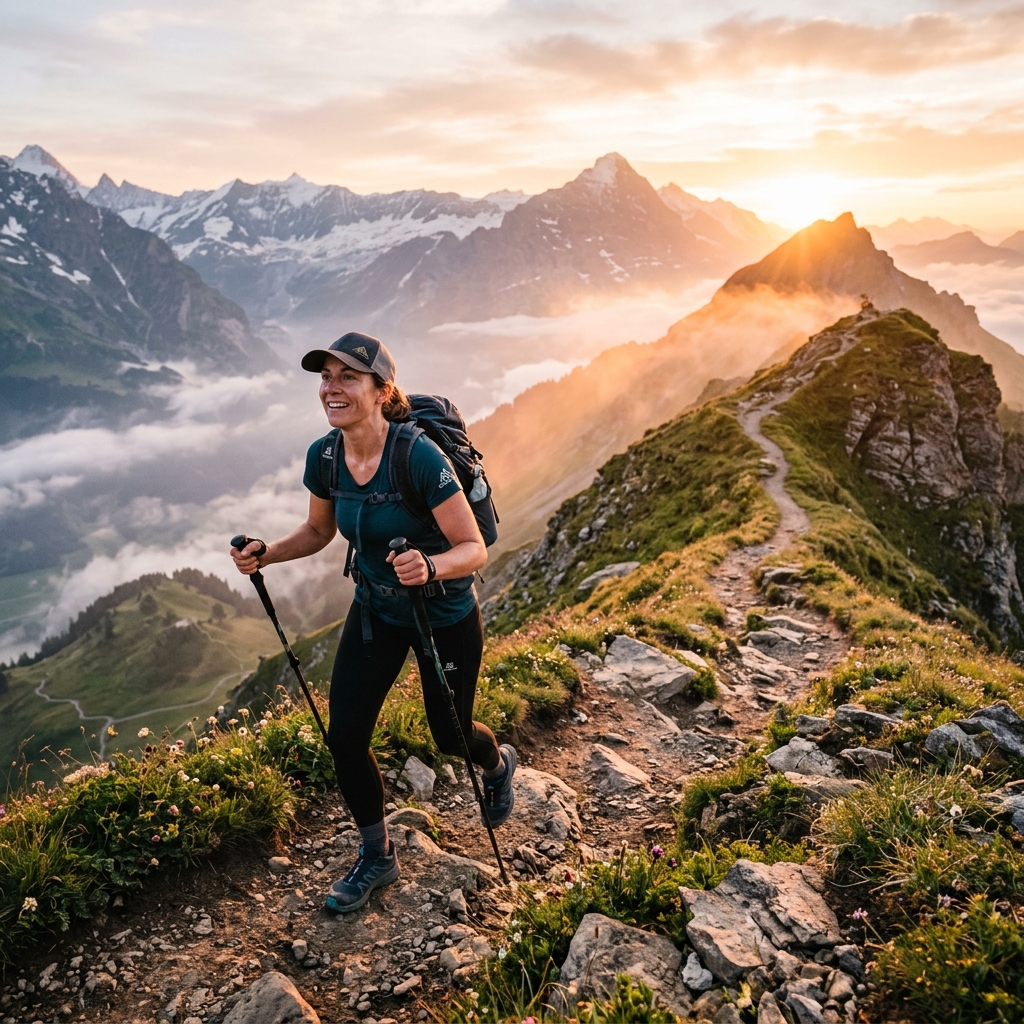
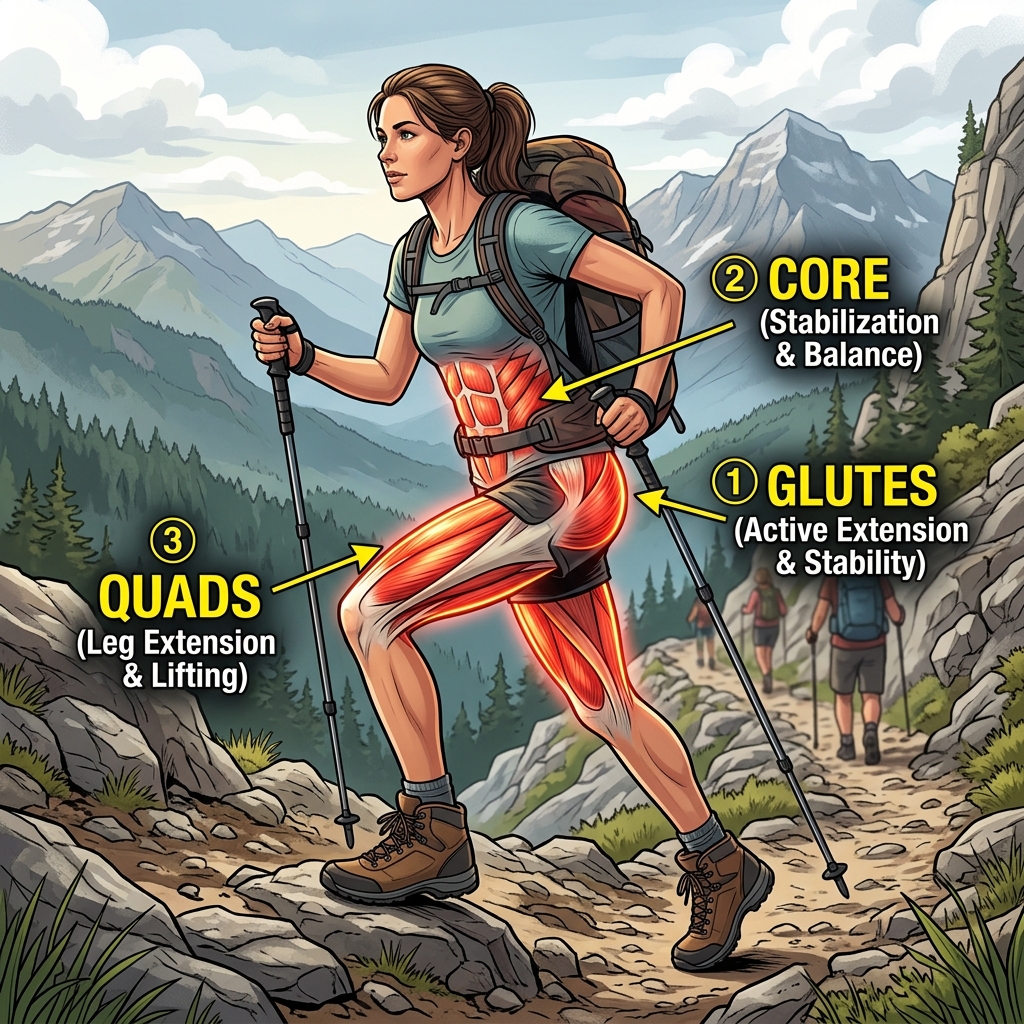
Hiking is far more than a simple walk; it is a powerful, low-impact activity that provides a holistic workout for both body and mind. By combining physical exertion with immersion in nature, hiking significantly boosts cardiovascular health, builds full-body strength, improves mood, and reduces chronic stress. Whether you are aiming to lose weight or simply connect with the outdoors, hitting the trails offers profound rewards for your overall wellness.
Why Does Hiking Improve Physical Fitness?
Hiking provides a comprehensive, weight-bearing workout that engages nearly every major muscle group. Because the terrain is often uneven and variable, your body must constantly adjust, leading to superior functional fitness compared to walking on flat pavement.
Cardiovascular System Boost
Think of hiking as an intense cardio session disguised by natural beauty. The sustained effort elevates your heart rate, making it a highly effective way to strengthen the entire cardiovascular system.
- Heart Health: Regular activity reduces the risk factors for major conditions like stroke and heart disease.
- Blood Pressure Regulation: Consistent physical strain helps maintain healthy blood pressure levels (both systolic and diastolic).
- Lung Capacity: The increased demand for oxygen improves lung efficiency, making breathing easier both on and off the trail.
- Cholesterol Management: Hiking supports better lipid profiles by helping lower LDL ("bad") cholesterol while raising protective HDL ("good") cholesterol.
Building Strength and Endurance
The varied terrain ensures that no single muscle group is left untouched. It’s a true full-body workout:
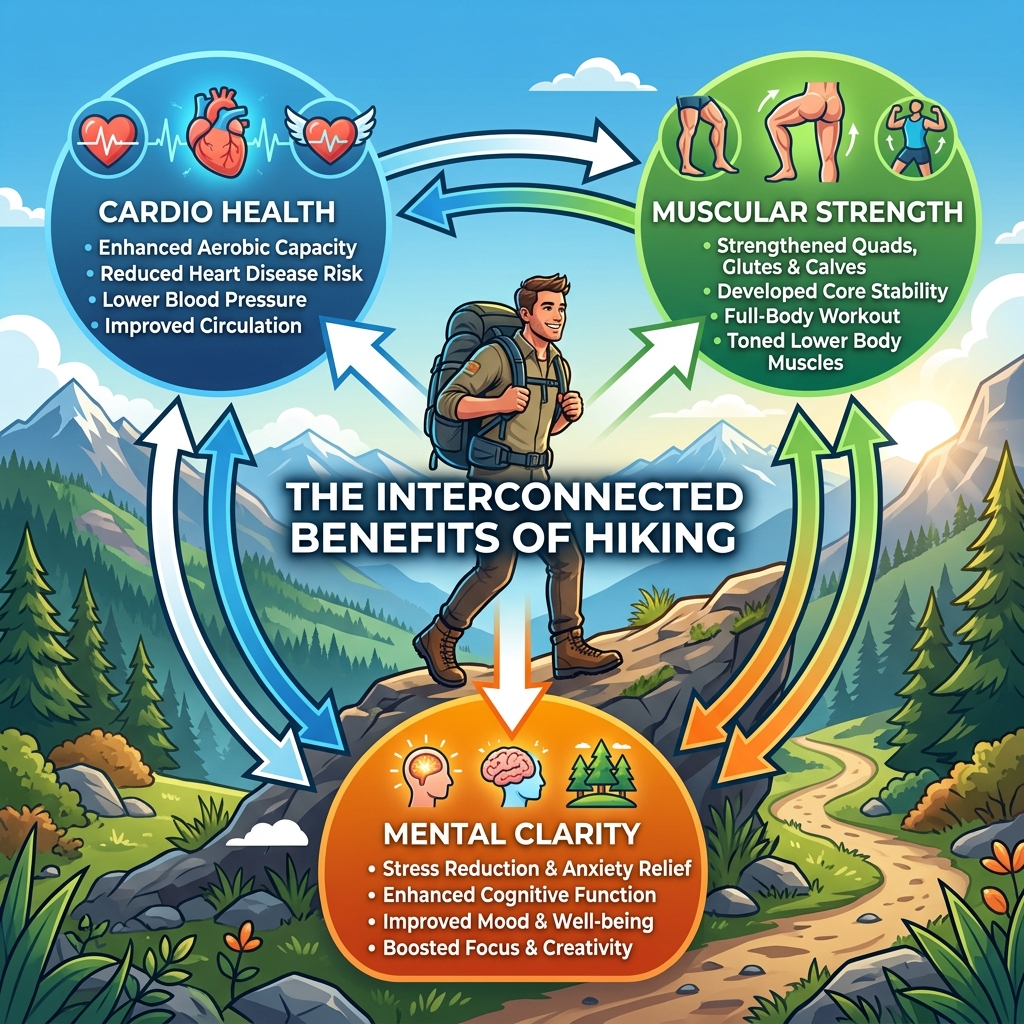
- Lower Body Power: Uphill climbs intensely target the quadriceps, hamstrings, glutes, and calves. The constant impact strengthens these major leg muscles.
- Core Stability: Navigating uneven ground requires continuous micro-adjustments from your core (abdominals and lower back), dramatically improving posture and balance.
- Upper Body Support: Carrying a backpack adds resistance that strengthens the shoulders, upper back, and arms. Using trekking poles further engages the chest and triceps.
- Bone Density: As a weight-bearing exercise, hiking stimulates bone growth, helping to maintain bone density and reducing the risk of osteoporosis—a critical benefit as you age.
How Does Hiking Benefit Mental and Emotional Health?
The benefits of hiking extend far beyond physical metrics; they are profoundly beneficial for your mental state. Spending time in nature is a scientifically proven method for stress reduction and mood enhancement.
Stress Reduction and Mood Regulation
Nature exposure has been shown to lower levels of cortisol, the primary stress hormone. The combination of fresh air, physical effort, and natural beauty creates a powerful calming effect on the nervous system.
- Mindfulness: Hiking forces you into the present moment—focusing on foot placement, breathing, and surrounding sounds—which is a form of active meditation that clears mental clutter.
- Endorphin Release: Physical activity naturally triggers the release of endorphins, which are powerful mood elevators that can help mitigate symptoms of anxiety and mild depression.
- Vitamin D Synthesis: Spending time outdoors exposes your skin to sunlight, aiding in Vitamin D production, a nutrient crucial for optimal mood regulation.
Cognitive Enhancement
The challenge of navigating a trail while simultaneously enjoying the scenery improves cognitive function. This combination helps reduce mental fatigue, allowing you to think more clearly and enhancing problem-solving skills. The quiet reflection offered by nature is invaluable for boosting creativity and self-awareness.
Getting Started: A Practical Guide to Hiking Safety
To ensure your hiking experience is safe, enjoyable, and effective, preparation is key. Use this guide to plan your trip, select the right gear, and maintain proper form.
1. Choosing the Right Trail
Before you leave home, research the trail thoroughly. Difficulty is subjective, so consider multiple factors:
- Fitness Level: Be honest about your current stamina. Start with Nature Trails (short, flat) if you are a beginner. Progress to Loop or Out-and-Back trails as your fitness improves.
- Elevation Gain: This is often harder than the distance itself. If you are new, look for gradual elevation changes rather than steep climbs.
- Terrain Type: Are you prepared for rocky, muddy, or root-filled paths? Choose a terrain that matches your experience level.
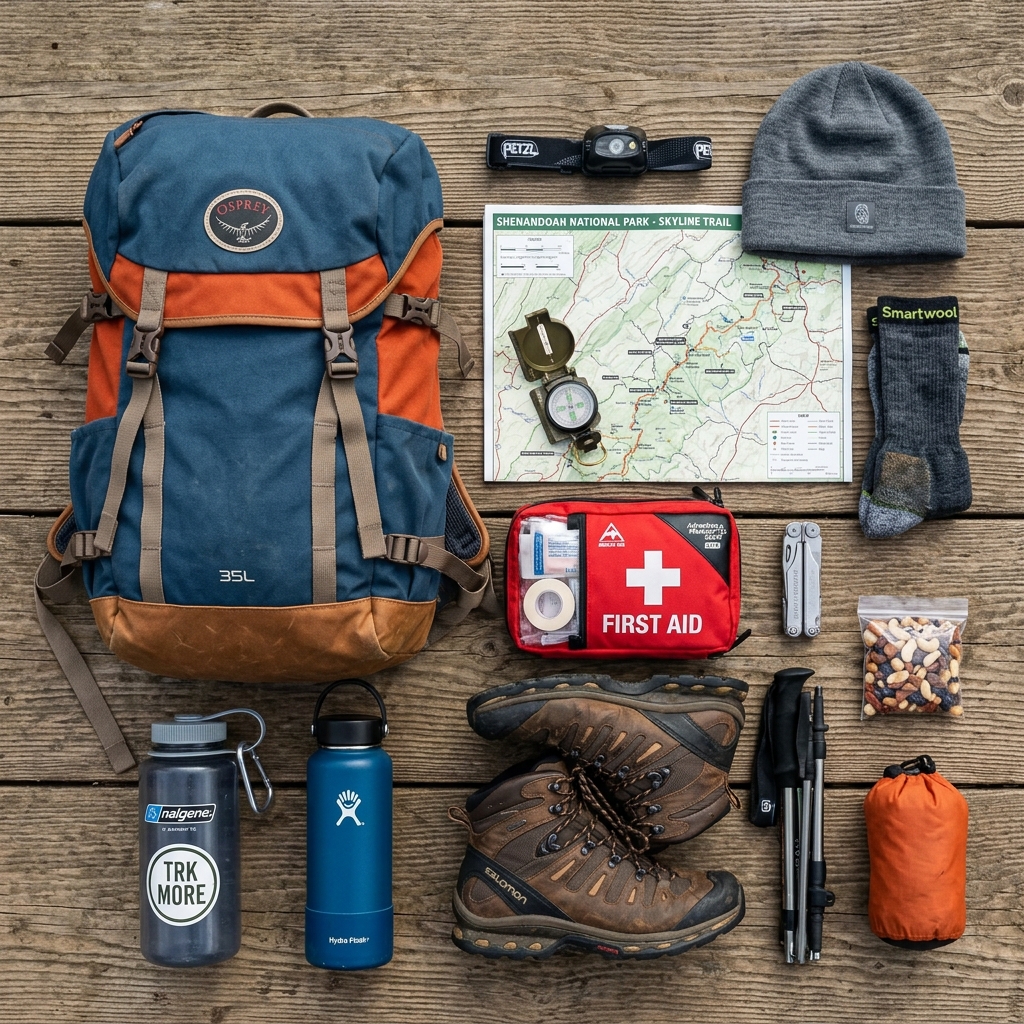
2. Essential Gear Checklist
Proper equipment prevents injury and ensures safety. Never underestimate the importance of preparation!
- Footwear: Invest in broken-in hiking boots or shoes. They must offer excellent ankle support and deep traction.
- Layered Clothing: Dress for variable weather. Use moisture-wicking base layers (avoid cotton!), an insulating mid-layer, and a waterproof/windproof outer shell.
- Hydration & Fuel: Carry at least 1 liter of water per two hours of hiking. Pack high-energy snacks like nuts, dried fruit, or energy bars.
- Safety Kit: Always carry a first-aid kit, map, compass (and knowing how to use them!), and emergency whistle.
3. Mastering Hiking Techniques
Proper form conserves energy and minimizes the risk of joint strain.
- Pacing: Start slow and maintain a steady, consistent pace. Avoid bursts of speed that lead to early exhaustion.
- Uphill Strategy: Shorten your stride slightly and lean gently forward from the ankles (not the waist). Use your arms actively for propulsion.
- Downhill Safety: This is where most injuries occur. Always bend your knees deeply to absorb shock, and take smaller, controlled steps to reduce impact on your joints.
- Foot Placement: Look ahead of time to anticipate obstacles (rocks, roots). Test unstable surfaces before committing your full weight.
Summary & Next Steps
Hiking is a powerful, accessible tool for improving physical endurance, boosting mental clarity, and fostering a deep connection with nature. By respecting the trail, preparing your gear, and mastering proper techniques, you can maximize both the fun and the health benefits of every step taken. Start small, stay consistent, and let the trails guide your journey toward better wellness.
Frequently Asked Questions
Yes. Start with short, flat nature trails (Nature Trails) to build confidence before tackling steep climbs.