What is the best way to turn your local area into a personal outdoor fitness playground?
The most effective approach combines exploration, resourcefulness, and variety. Instead of relying on one gym or park, you should treat your entire neighborhood as an active training ground. This involves identifying diverse natural spaces—from quiet community gardens to challenging urban staircases—and integrating varied activities like trail running, bodyweight circuits, and brisk walking into a routine. By mapping these hidden gems, you ensure continuous physical challenge while maximizing the mental benefits of nature.
Where Should You Start Looking for Outdoor Fitness Opportunities?
Many people limit their search to obvious locations, missing out on excellent workout opportunities just blocks away. To build a comprehensive fitness map, consider these diverse types of local spaces:
Local Parks and Green Spaces
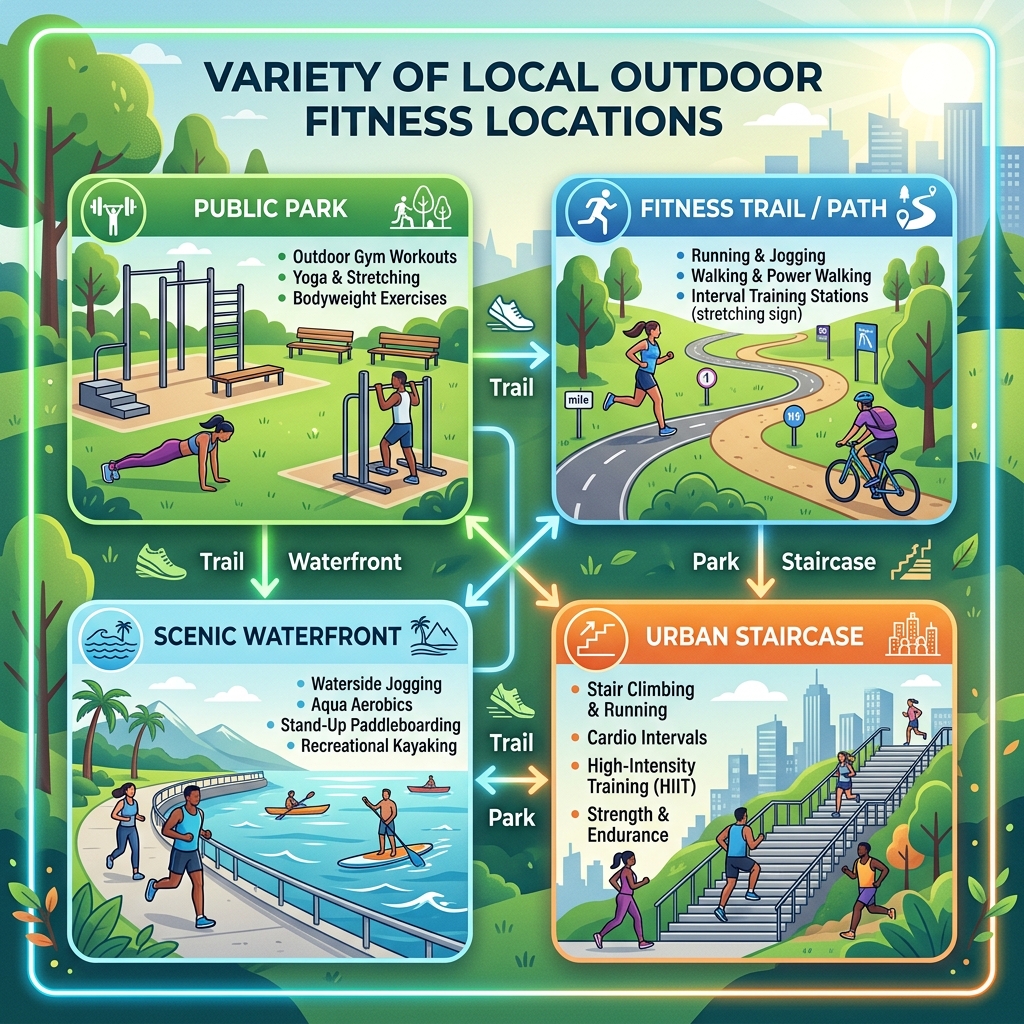
Parks are more than just picnic spots; they are multi-functional gyms. Look beyond the main playground equipment for adult amenities:
- Fitness Stations: Search for pull-up bars, parallel bars, or dedicated outdoor gym equipment that can be incorporated into a circuit workout.
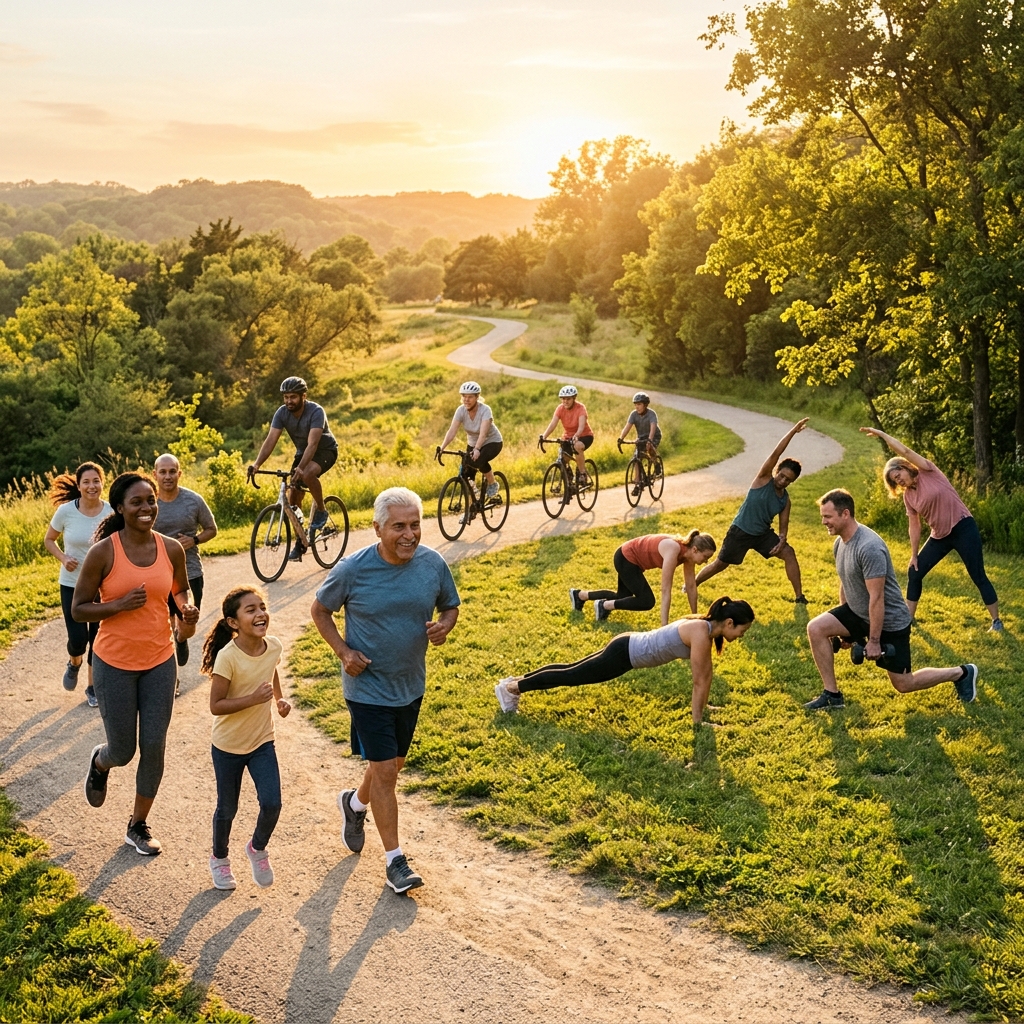
- Open Fields: These flat areas are perfect for high-intensity drills like sprinting intervals, agility ladder work (using imaginary markers), and group stretching sessions.
- Waterfront Access: Lakes, rivers, and oceans provide natural resistance training opportunities through swimming, paddleboarding, or simply walking along the shore.
Dedicated Trails and Natural Pathways
Trails offer varied terrain that challenges stabilizing muscles and improves endurance in ways flat pavement cannot.
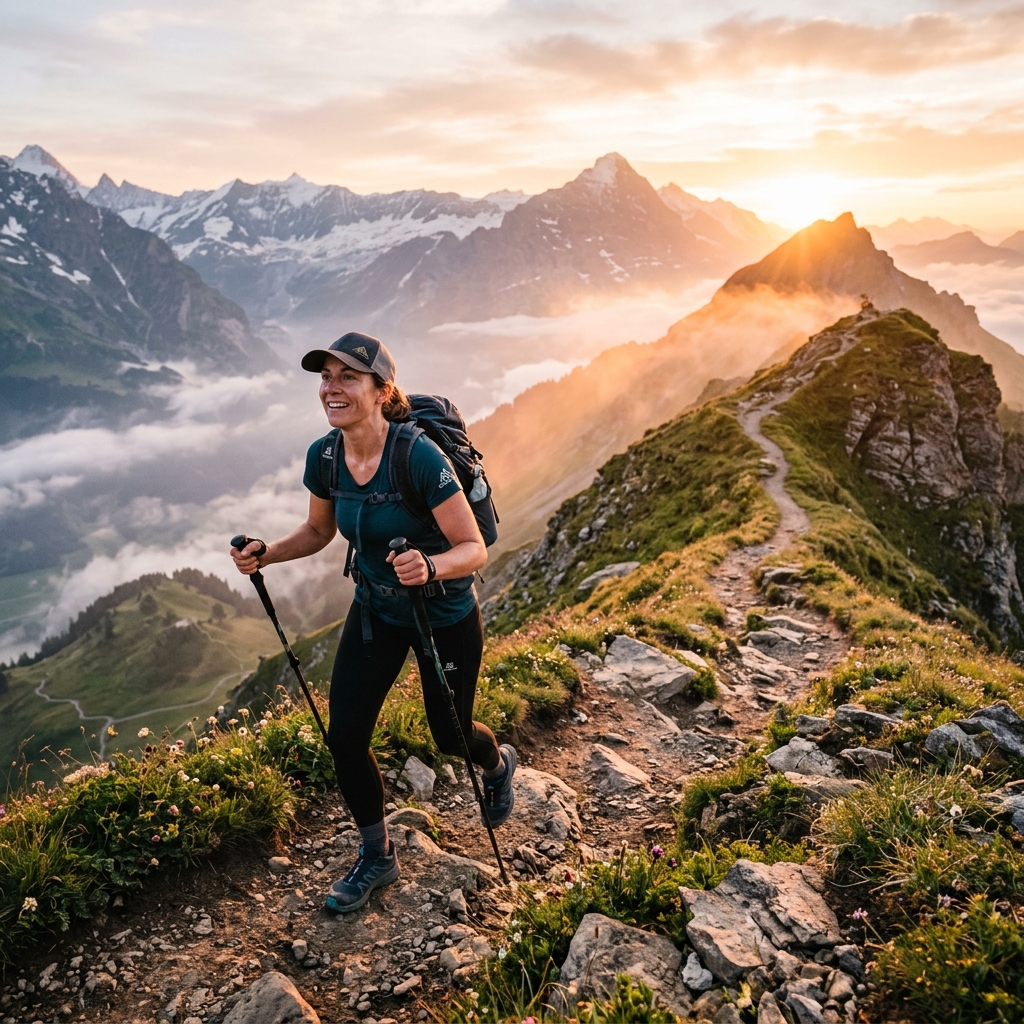
- Hiking Trails: These are excellent for building cardiovascular strength and leg endurance. Varying elevation is key to a challenging workout.
- Biking Paths: Whether paved bike lanes or rugged mountain trails, cycling provides low-impact cardio while allowing you to cover long distances.
- Running/Walking Paths: Look for dedicated paths that wind through forests or along waterways. These predictable routes are ideal for consistent mileage building.
Beyond the Obvious: Unconventional Workout Spots
For advanced users, expanding your definition of "playground" is key. Consider these often-overlooked areas for unique challenges:
- Urban Staircases: Stair climbing is a phenomenal full-body, high-intensity interval training (HIIT) workout that builds explosive power and endurance. Safety Note: Always check conditions and use caution.
- Community Gardens: These spaces offer gentle resistance through gardening itself, improving flexibility and core strength while connecting you with nature.
- Sidewalks and Quiet Streets: On low-traffic days, wide sidewalks can be used for structured walking programs or simple plyometric drills (like jumping jacks).
How Can Technology Help You Find Hidden Gems?
Finding these spots requires more than just a walk—it requires research. Leveraging online tools and community connections is the fastest way to build your fitness map.
Utilizing Digital Mapping Tools
- AllTrails & Gaia GPS: These apps are essential for finding detailed information on hiking, running, and biking trails globally. They provide data on difficulty level, length, and elevation gain.
- Google Maps (Satellite View): Use the satellite view to identify green spaces, potential bike paths, or natural boundaries that might not be marked on standard street maps. Search terms like "nature preserve" or "local conservation area."
- Local Government Websites: Check your city or county parks department websites. They often list amenities, trail closures, and specific park rules that are vital for safety.
Tapping into Community Knowledge
The best spots are often known only to locals. Don't underestimate the power of human connection:
- Ask Local Experts: Visit local running stores or bike shops. Staff members are usually deeply knowledgeable about the area’s hidden routes and challenges.
- Join Online Groups: Participate in local Facebook groups dedicated to hiking, cycling, or outdoor fitness. These communities share real-time tips, photos, and "secret spots."
- Talk to Neighbors: Simple conversations with neighbors can reveal beautiful, underutilized natural paths or quiet community areas perfect for a run.
What Are the Benefits of Outdoor Fitness?
The advantages of exercising outdoors extend far beyond burning calories; they impact your mental health, physical resilience, and social life.
Physical Health Advantages
- Vitamin D Synthesis: Exposure to sunlight is crucial for synthesizing Vitamin D, which supports bone health and immune function—a benefit rarely achieved indoors.
- Varied Resistance: Natural terrain (uneven rocks, dirt paths) forces your stabilizing muscles and ankles to work harder than flat pavement, improving overall proprioception (body awareness).
- Cardiovascular Challenge: The combination of varied inclines and surfaces provides a more holistic cardiovascular workout.
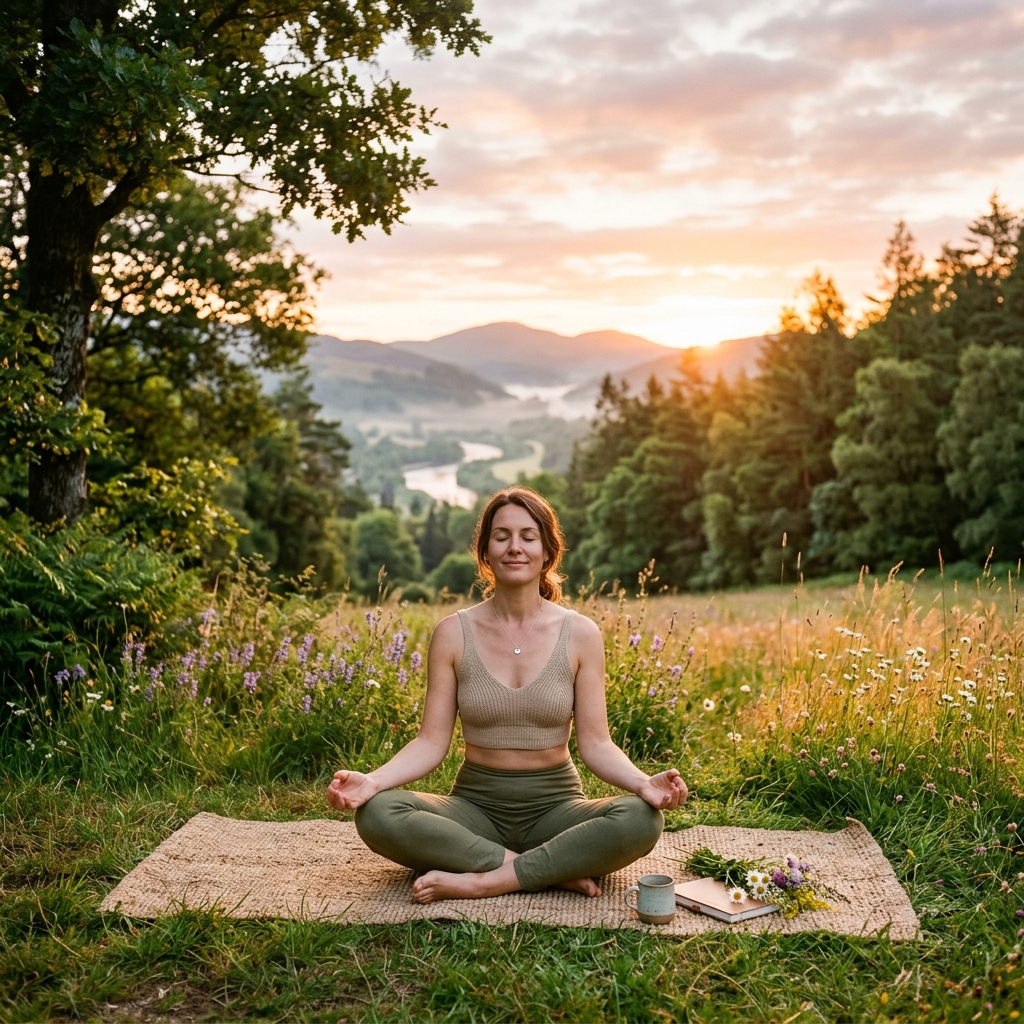
Mental and Emotional Well-being
- Stress Reduction: Studies show that spending time in nature—even just walking through a local park—significantly lowers cortisol levels, the primary stress hormone.
- Improved Focus: Nature acts as a form of "soft fascination," allowing your brain to rest from constant stimulation, which can improve focus and creativity afterward.
- Mood Elevation: Exercise releases endorphins, but combining this with nature's calming effect creates a powerful mood-boosting synergy.
How Do I Plan and Track My Outdoor Fitness Journey?
To ensure consistency and prevent plateaus, treat your outdoor fitness like any structured training program.
1. Create Your Personalized Map
Use a physical notebook or digital tool (like Google My Maps) to mark:
- Location Name: The specific park, trail, or street.
- Activity Focus: What is best done here (e.g., Sprints, Yoga, Long Run).
- Difficulty Rating: Rate the location 1-5 stars based on challenge and terrain.
- Safety Notes: Note any specific hazards, required permits, or local rules.
2. Structure Your Workouts
Aim for variety to prevent boredom and maximize muscle group engagement:
- Warm-up (5 minutes): Dynamic stretching (leg swings, arm circles) before starting anywhere.
- Main Workout: Focus on a specific goal (e.g., interval running up stairs, or maintaining a steady pace on a long trail).
- Cool-down (5–10 minutes): Static stretching and deep breathing to aid recovery.
3. Prioritize Safety and Etiquette
Always remember these guidelines when exercising in public natural spaces:
- Hydration: Carry ample water, especially for longer hikes or runs.
- Footwear: Wear appropriate shoes—hiking boots for rugged trails, supportive running shoes for pavement.
- Leave No Trace: Pack out all trash and respect the local environment and wildlife.
- Tell Someone: Always inform a friend or family member of your planned route and expected return time.
Conclusion: Start Mapping Your Movement Today
Your neighborhood is not just where you live; it is a vast, untapped resource for physical and mental wellness. By adopting an explorer's mindset—treating every park path, staircase, and green space as a potential gym—you can build a sustainable, enjoyable, and highly effective fitness routine. Step outside today, discover the hidden gems in your backyard, and start mapping your journey toward better health.
Frequently Asked Questions
Yes. Outdoor exercise offers comparable physical benefits while adding unique mental and emotional advantages like stress reduction and connection with nature.