What Are the Core Benefits of Yoga for Seniors?
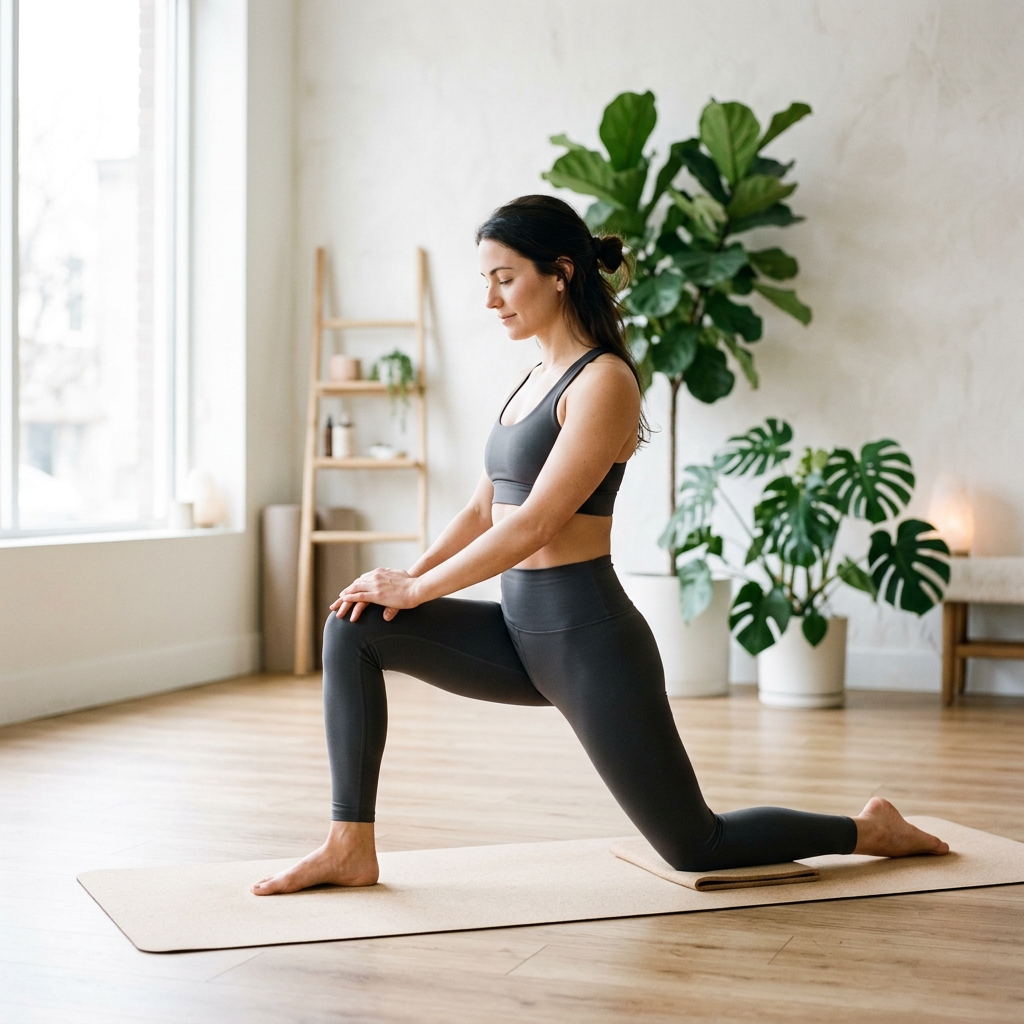
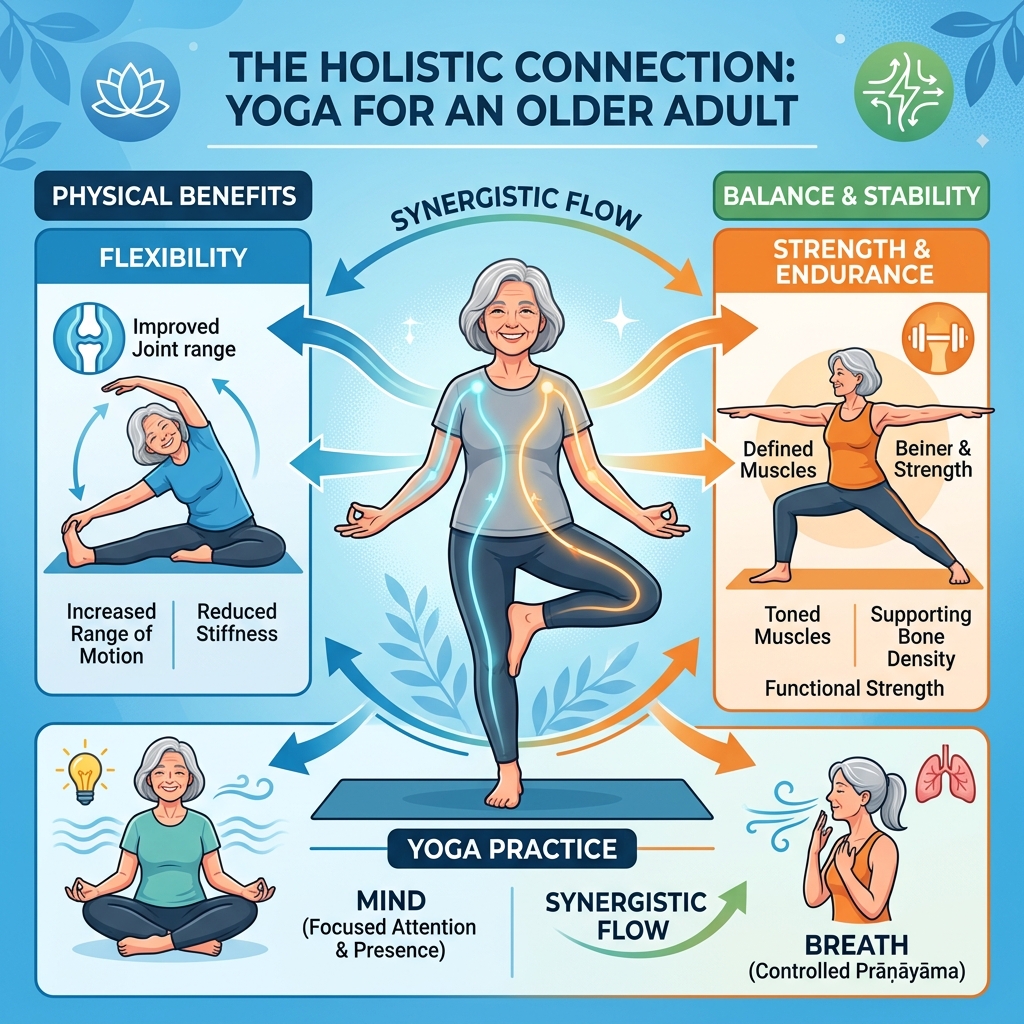
Yoga is a holistic practice that unites physical movement, breath control, and mindfulness. For older adults, it offers a gentle yet powerful method to maintain functional independence and enhance overall quality of life. Unlike high-impact exercises, yoga adapts to various fitness levels, making it an ideal tool for improving mobility, boosting balance, and significantly reducing the risk of falls associated with aging.
Why is Yoga So Effective for Aging Bodies?
The benefits extend far beyond simple stretching. Regular practice helps address several key aspects of senior health:
- Improved Balance: Specific poses strengthen core muscles and improve proprioception (your body's awareness in space), which are critical defenses against falls.
- Increased Flexibility & Range of Motion: Gentle stretches maintain joint lubrication, making everyday tasks—like reaching for items or tying shoes—easier and less painful.
- Chronic Pain Management: Yoga helps strengthen supporting muscles around joints (such as knees and hips), providing support that can alleviate chronic pain from conditions like arthritis.
- Mental Clarity & Stress Reduction: The focus on breathwork (pranayama) calms the nervous system, reducing anxiety and improving cognitive function.
What Types of Yoga Are Best for Limited Mobility?
It is a common misconception that you must be highly flexible or athletic to practice yoga. In fact, many styles are designed specifically for accessibility. The best approach depends on your current mobility level:
🧘 Chair Yoga (Best for Severe Limitations)
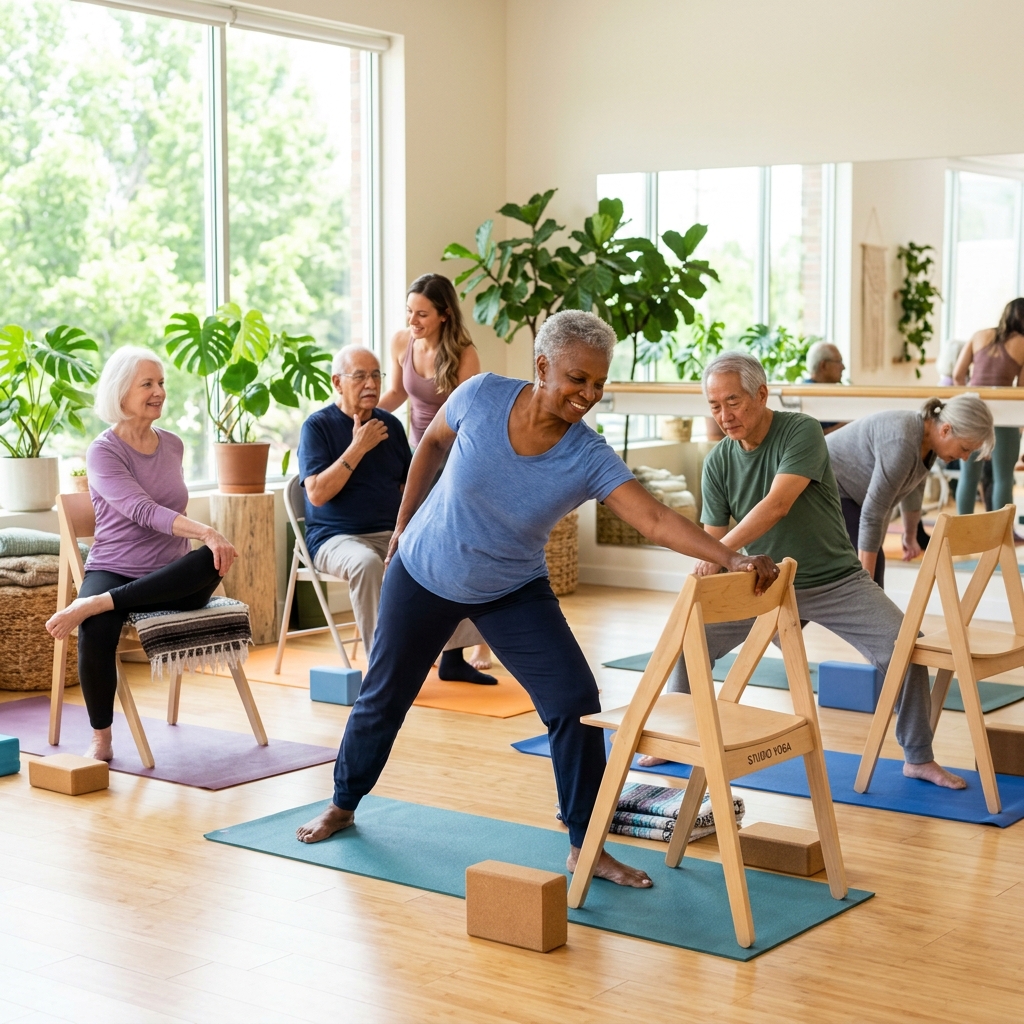
Chair yoga is the gold standard for seniors with limited balance or joint pain. By using a sturdy chair for support, you can perform movements that build strength and flexibility without putting stress on unstable joints. This style focuses heavily on seated stretches and supported standing poses.
🌿 Gentle Hatha Yoga (Best for Moderate Limitations)
This slower-paced style is excellent for building foundational strength and improving overall body awareness. It moves at a mindful pace, allowing time to modify poses and focus on proper alignment rather than achieving deep stretches.
🌳 Restorative Yoga (Best for Pain & Stress)
If your primary goal is pain relief or stress reduction, restorative yoga uses props (blankets, bolsters) to support the body in passive, gentle stretches. This helps calm the nervous system and allows muscles to relax deeply.
Can I Really Start Yoga if I Have Chronic Pain?
Yes, but safety first. Never push through sharp pain. The key is modification and communication with a qualified instructor.
⚠️ Important Safety Guidelines Before Starting
- Consult Your Doctor: Always get clearance from your primary care physician before starting any new exercise regimen.
- Listen to Your Body: Pain is a signal to stop or modify the pose. Discomfort is normal; sharp pain is not.
- Use Props: Blocks, straps, and chairs are tools, not signs of weakness. They help you achieve proper alignment safely.
- Focus on Breath: Never hold your breath during poses. Synchronizing movement with deep, steady breathing (inhale/exhale) is crucial for safety and effectiveness.
💡 Tips for Pain Management in Poses
- Arthritis: Focus on gentle range-of-motion movements rather than deep stretches that cause joint grinding. Heat therapy before class can help prepare the joints.
- Back Pain: Prioritize core engagement (abdominal bracing) over extreme back bending or rounding. Use supported poses like Cat-Cow in a seated position.
How Does Yoga Improve Balance and Prevent Falls?
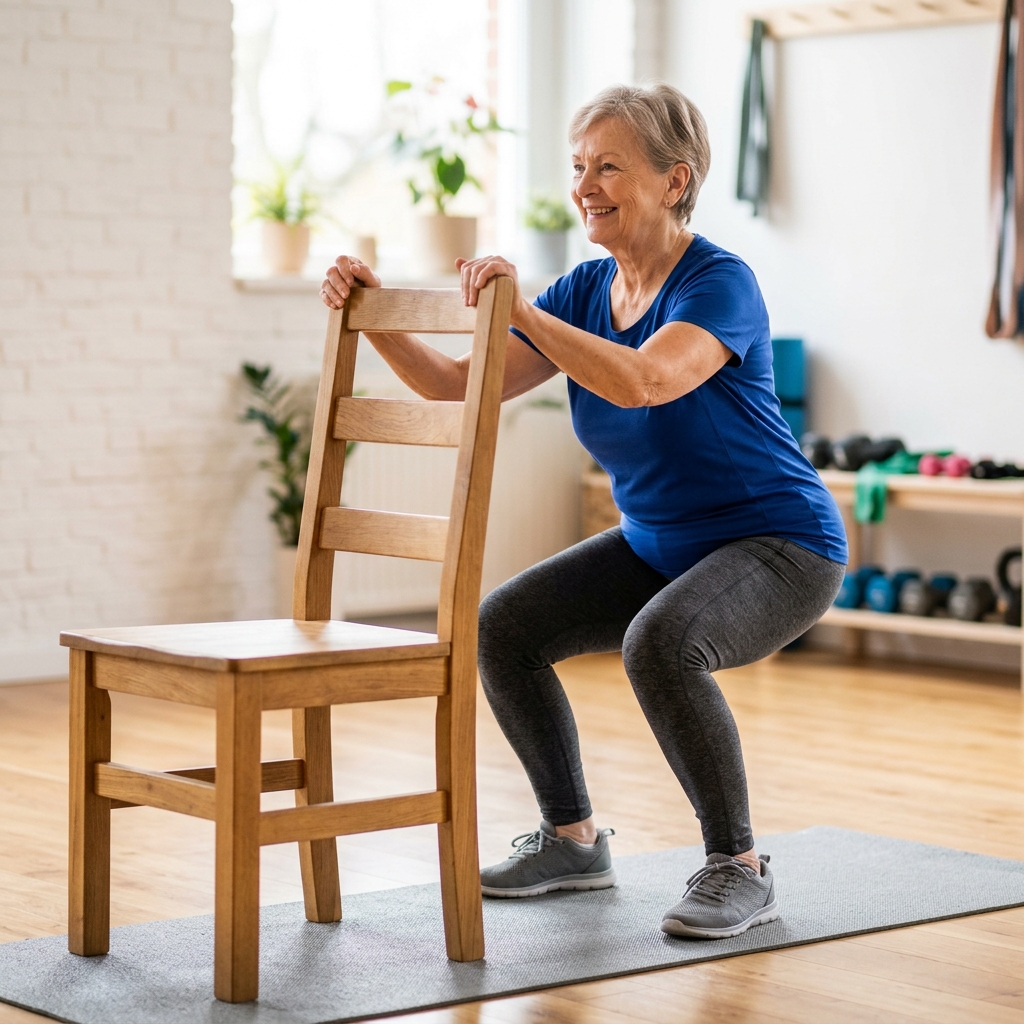
Falls are one of the greatest risks associated with aging. Yoga addresses this risk by targeting specific muscle groups and improving neurological function. It’s not just about standing on one leg; it's about retraining your body to react quickly and maintain stability.
🤸 Key Techniques for Fall Prevention
- Single-Leg Balance: Poses like Tree Pose (Vrksasana) force the stabilizing muscles in the ankle, knee, and hip to engage constantly, improving balance control. Always use a wall or chair nearby when practicing this.
- Core Strength: A strong core is the foundation of stability. Exercises that engage the deep abdominal muscles help keep your torso upright and balanced during movement.
- Proprioception Training: By consciously noticing where your body parts are in space (e.g., "I feel my heel lift"), you improve your brain's map of your own body, which is vital for preventing stumbles.
🚶 Balance-Boosting Poses to Try
- Seated Mountain Pose: Sit tall and imagine a string pulling the crown of your head upward. This simple posture improves spinal alignment and core awareness.
- Heel Raises & Toe Raises: Stand near support and slowly lift up onto your toes, then back down. Repeat by lifting only your toes. These strengthen the lower leg muscles crucial for walking stability.
- Tandem Stance (Modified): Practice standing heel-to-toe in a straight line, mimicking the careful gait of walking on a narrow path. Use support until you feel confident.
What Are the Social and Mental Benefits?
The benefits of yoga are not purely physical; they profoundly impact mental well-being and social connection—two pillars of active aging.
🧠 Boosting Cognitive Health
Mindfulness, central to yoga, requires deep focus on breath and sensation. This practice acts as a form of mental workout, which has been shown in studies to improve memory recall and reduce symptoms of anxiety and depression.
🤗 The Power of Community
Group classes provide more than just exercise; they offer a supportive community. Sharing the journey with others provides accountability, motivation, and combats feelings of isolation—a critical factor in maintaining quality of life for seniors.
Summary: Making Yoga Part of Your Routine
Yoga is an empowering tool that allows older adults to take charge of their physical health. By integrating gentle movement into your daily routine, you are actively investing in a more independent and vibrant future. Remember that progress is measured by consistency, not perfection. Start slow, use the support available, and enjoy the journey back to feeling strong and balanced.
Disclaimer: The information provided here is for educational purposes only and does not replace professional medical advice. Always consult with your physician or a physical therapist before starting any new exercise program.
Frequently Asked Questions
Yes, but always start gently and consult your doctor. Gentle modifications like chair yoga can help maintain range of motion without exacerbating pain.
Consistency is key. Aim for 3–5 sessions per week, even if they are short (15–20 minutes).