What Is Yoga for Every Body?
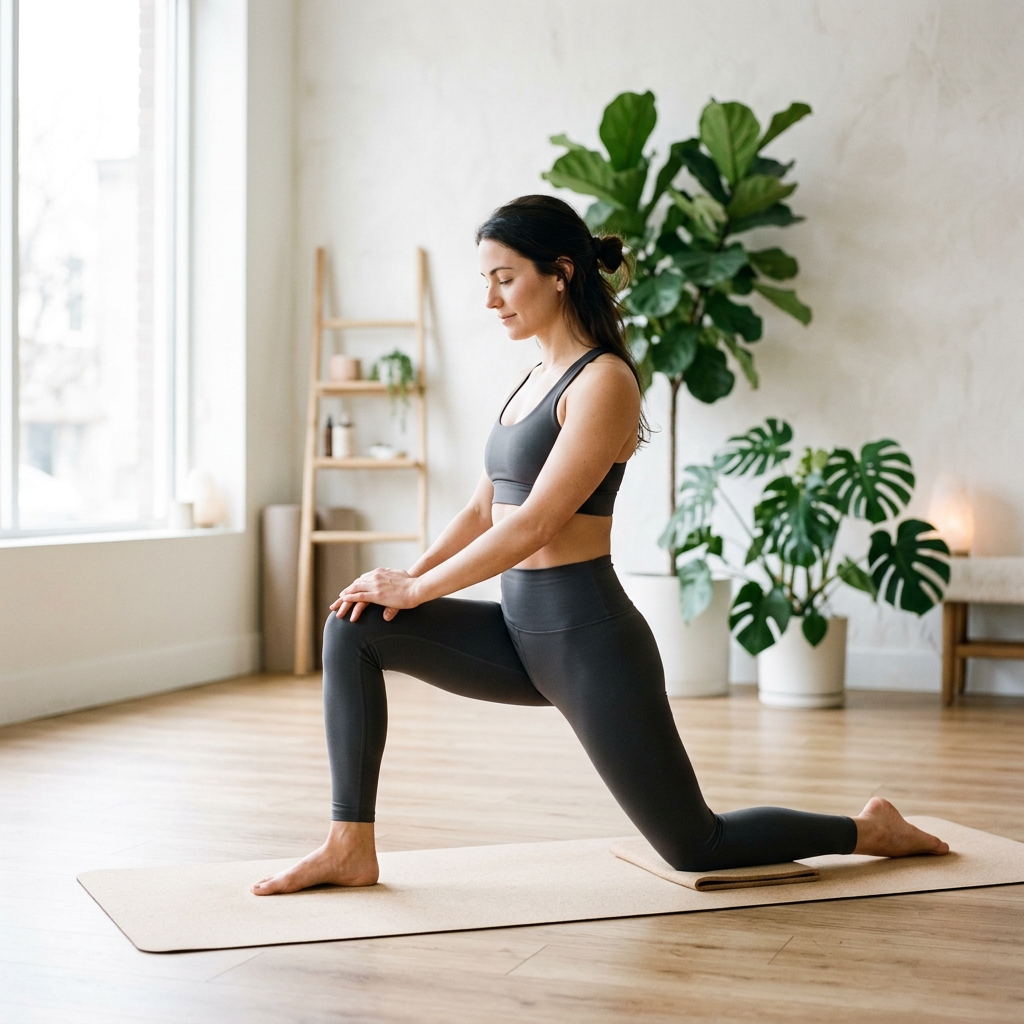
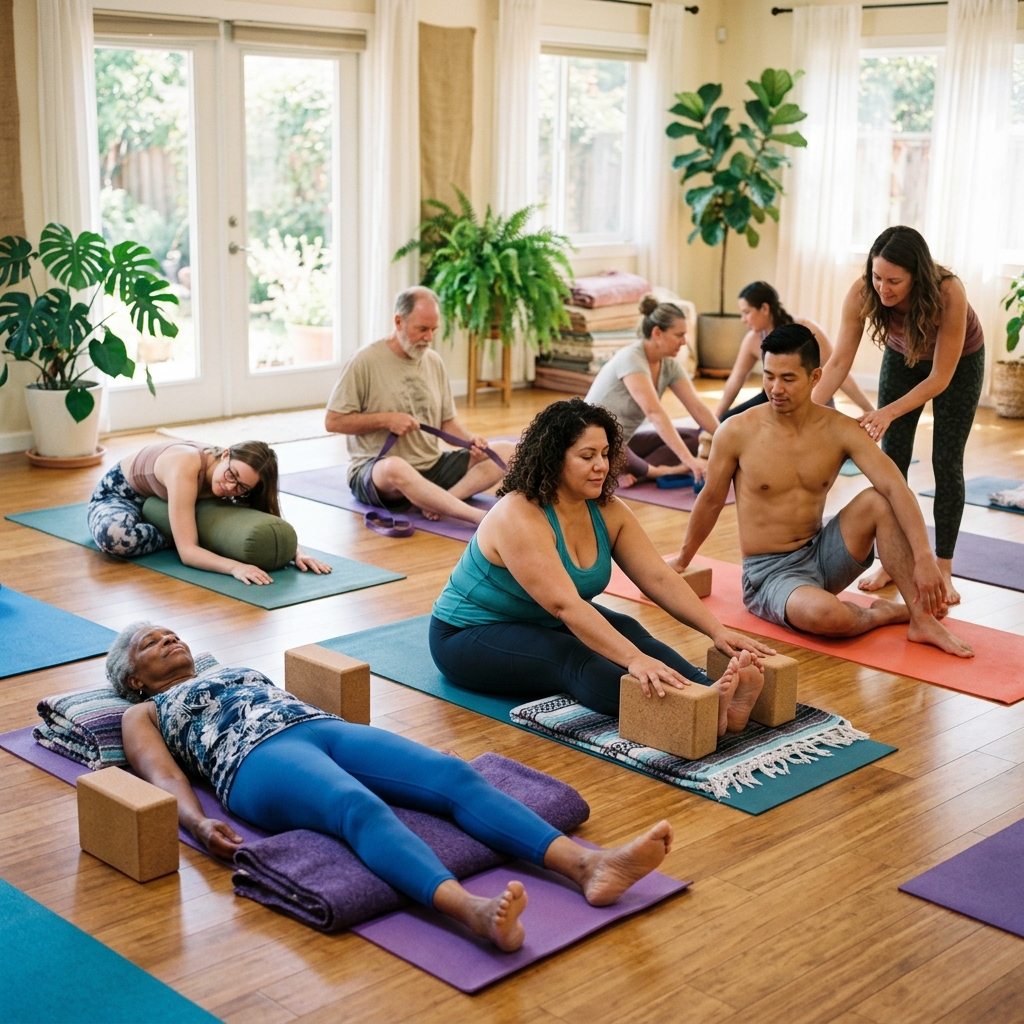
Yoga is often misunderstood as a pursuit of perfect, pretzel-like poses. In reality, it is a deeply personal practice focused on connecting breath, movement, and awareness to create physical and mental balance. The core principle of modern yoga is inclusivity: the practice must adapt to you, not the other way around. This guide shows that by understanding modifications and utilizing simple props, anyone—regardless of age, size, or current flexibility level—can safely and effectively participate in a fulfilling yoga routine.
Why Is Listening to Your Body the Most Important Rule?
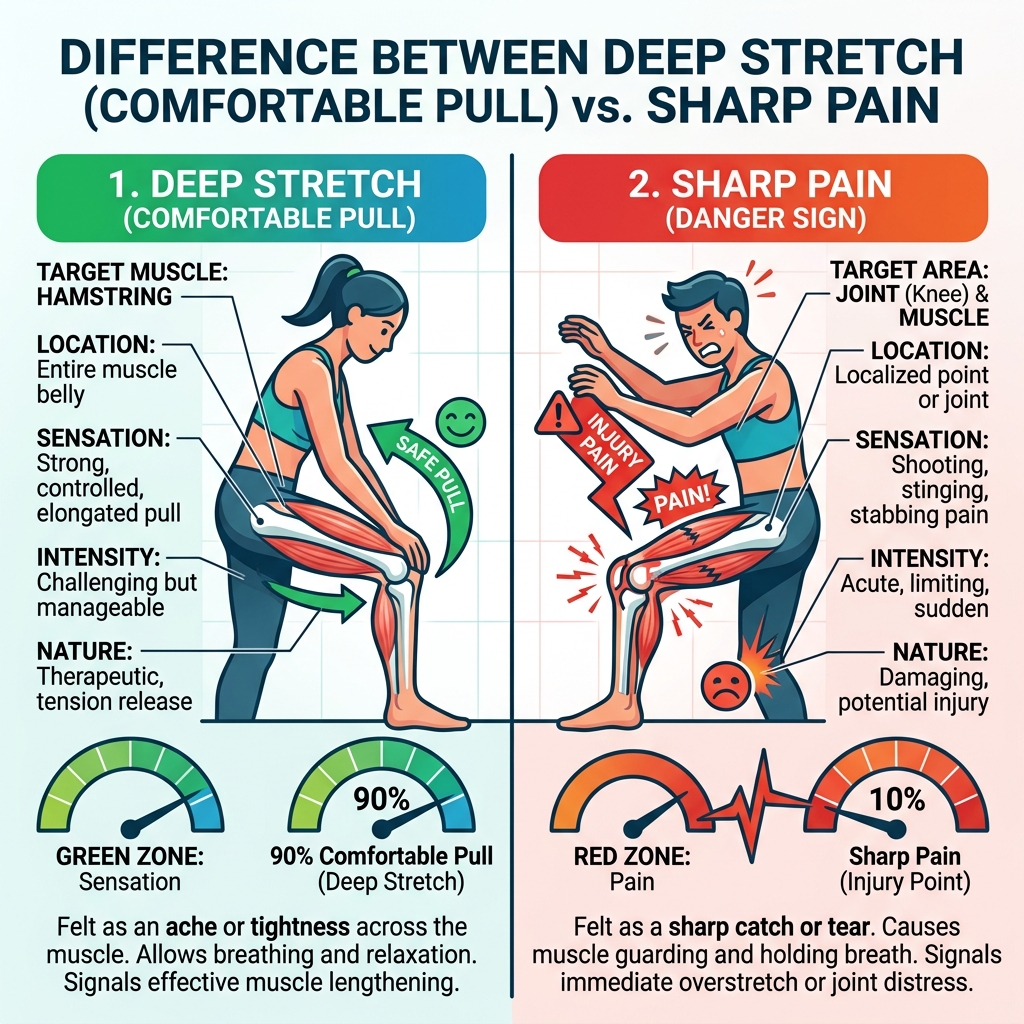
Before touching any pose, remember that your body is giving you constant feedback. The goal of yoga should never be perfection; it must be progress. Ignoring pain signals can lead to injury, which defeats the purpose of movement.
- Distinguish Pain: Learn the difference between a deep stretch (a comfortable pull) and sharp pain (an immediate signal to stop).
- Breathe as Your Guide: Use your breath—slow, deep inhales and exhales—to regulate intensity. If you hold your breath, you are likely pushing too hard.
- Embrace Rest: Remember that Child's Pose is always available. Taking breaks or resting in Savasana (Corpse Pose) is a vital part of the practice.
- Non-Comparison Principle: Never compare your journey to others, especially those seen on social media. Your body’s timeline and capacity are unique.
What Are Yoga Props and How Do They Help?
Yoga props are not signs of weakness; they are tools for empowerment. They allow you to safely access poses that would otherwise be impossible, deepen stretches gently, and improve alignment without strain. Knowing how to use them transforms the practice from a physical challenge into an adaptive journey.
🧱 Blocks: Support and Elevation
Yoga blocks (foam or wood) provide crucial support by bringing the floor closer to your hands or elevating your hips for comfort.
- Support: Use under wrists, forearms, or hands when you cannot reach the ground in poses like Triangle Pose.
- Alignment: Place them under your sacrum (base of spine) during seated backbends to maintain proper spinal curvature.
- Example: In Warrior II, placing a block against the inner thigh helps ensure the knee tracks correctly, preventing collapse.
🧘 Straps: Extending Reach and Flexibility
Straps are used to safely increase range of motion over time without forcing the stretch.
- Reach Extension: Loop around your feet in poses like Seated Forward Fold. This allows you to maintain a straight back while gently increasing hamstring flexibility.
- Shoulder Support: Use them to open up the shoulder girdle, particularly when reaching behind the back (e.g., Cow Face Pose).
☁️ Bolsters: Deep Comfort and Restorative Support
Bolsters are long, cylindrical cushions used primarily in restorative yoga for deep relaxation and support.
- Support: Place them lengthwise along your spine while reclined to open the chest and shoulders.
- Release Tension: Use one under the knees during Savasana (Corpse Pose) to take pressure off the lower back.
- Ideal For: Individuals with chronic pain, pregnancy, or those needing deep rest.
🧺 Blankets: Cushioning and Warmth
Simple folded blankets provide versatile cushioning for multiple parts of the body.
- Cushioning: Place under knees or hips to protect joints during seated poses (e.g., Easy Pose).
- Support: Roll up a blanket and place it under the neck in Savasana for added comfort.
- Warmth: Use them to maintain body temperature, especially when resting.
🤸♀️ How Can I Modify Difficult Yoga Poses?
Modifications are key to making yoga accessible. Instead of viewing limitations as barriers, view them as personalized starting points. Here is a guide to adapting common poses:
Lower Body & Core
- Downward-Facing Dog: Bend your knees generously and keep hands on blocks if wrist strain occurs. Why: Reduces tension in the hamstrings and wrists.
- Plank Pose: Drop your knees to the floor, keeping your core engaged. Why: Significantly reduces the weight supported by the arms and shoulders.
- Chair Pose (Utkatasana): Only squat down slightly, or use a sturdy chair for support by lightly resting hands on the seat. Why: Allows gradual strength building without excessive knee strain.
Spine & Hips
- Seated Forward Fold: Bend your knees deeply and loop a strap around your feet instead of trying to reach for them. Why: Protects the lower back and allows safe hamstring stretching.
- Cobra Pose: Keep forearms on the ground (Sphinx pose) or lift only slightly, focusing on engaging the back muscles rather than arching the lumbar spine fully. Why: Reduces strain on the lower back for beginners or those with disc issues.
- Bridge Pose: Keep your hips lower to the ground, or place a block under your sacrum. Why: Provides gentle spinal opening while minimizing excessive backbend stress.
Balance & Stability
- Tree Pose (Vrksasana): Place your foot on your calf instead of your inner thigh, and always use a wall for support if balance is challenging. Why: Increases stability and makes the pose manageable for those with ankle weakness.
- Twisting Poses: Focus on gentle rotation rather than deep twisting. Use a chair to assist by holding onto its backrest. Why: Prevents over-stretching and maintains spinal safety.
🧑🏫 Why Is Having a Qualified Teacher So Important?
A good yoga teacher is your most valuable resource for safe, effective practice. They provide more than just instructions; they offer personalized guidance that prevents injury and builds confidence. A qualified instructor can:
- Assess Your Needs: Take the time to understand your specific physical limitations (e.g., knee replacements, chronic back pain) before you begin.
- Offer Personalized Cues: Provide modifications tailored exactly to your body's current capacity.
- Ensure Safe Alignment: Correct your form in real-time, ensuring that every movement is executed safely and effectively.
If you are new to yoga or managing a chronic condition, always seek out an instructor who specializes in adaptive fitness or working with diverse populations.
Summary: Making Yoga Your Own Journey
Yoga truly is for everyone. By viewing props as aids rather than crutches, and by prioritizing deep listening over physical achievement, you unlock the full potential of this practice. Remember that consistency—showing up on your mat regardless of how "good" or "bad" a day feels—is what builds strength, flexibility, and resilience.
Your next step: Start small. Choose one pose today (like Downward Dog) and commit to using at least one prop (a block under the hands). Focus entirely on your breath and the sensation of support. This mindful approach is how you build a sustainable, joyful relationship with movement.
Frequently Asked Questions
No. Props are tools for all levels—from advanced practitioners needing deeper support to beginners needing foundational assistance.
The most important rule is always listening to your body and never pushing through sharp pain.