What is Holistic Hydration and Why Does It Matter?
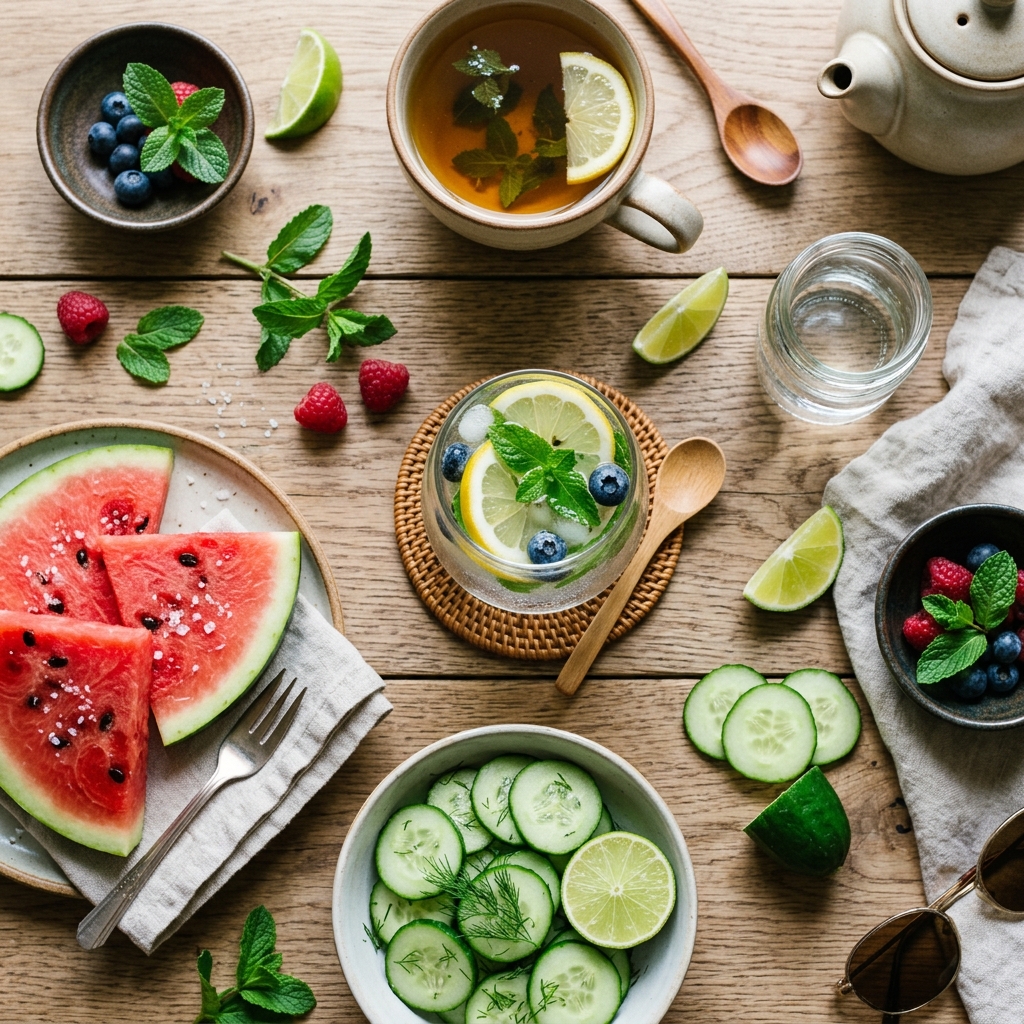
Holistic hydration is the practice of optimizing fluid intake by considering all sources—not just plain water. It involves recognizing that electrolytes, nutrient-rich foods, and mindful habits are equally crucial for maintaining optimal bodily function. Proper hydration supports everything from energy levels and skin elasticity to cognitive performance and efficient digestion.
The Essential Role of Water in Bodily Functioning
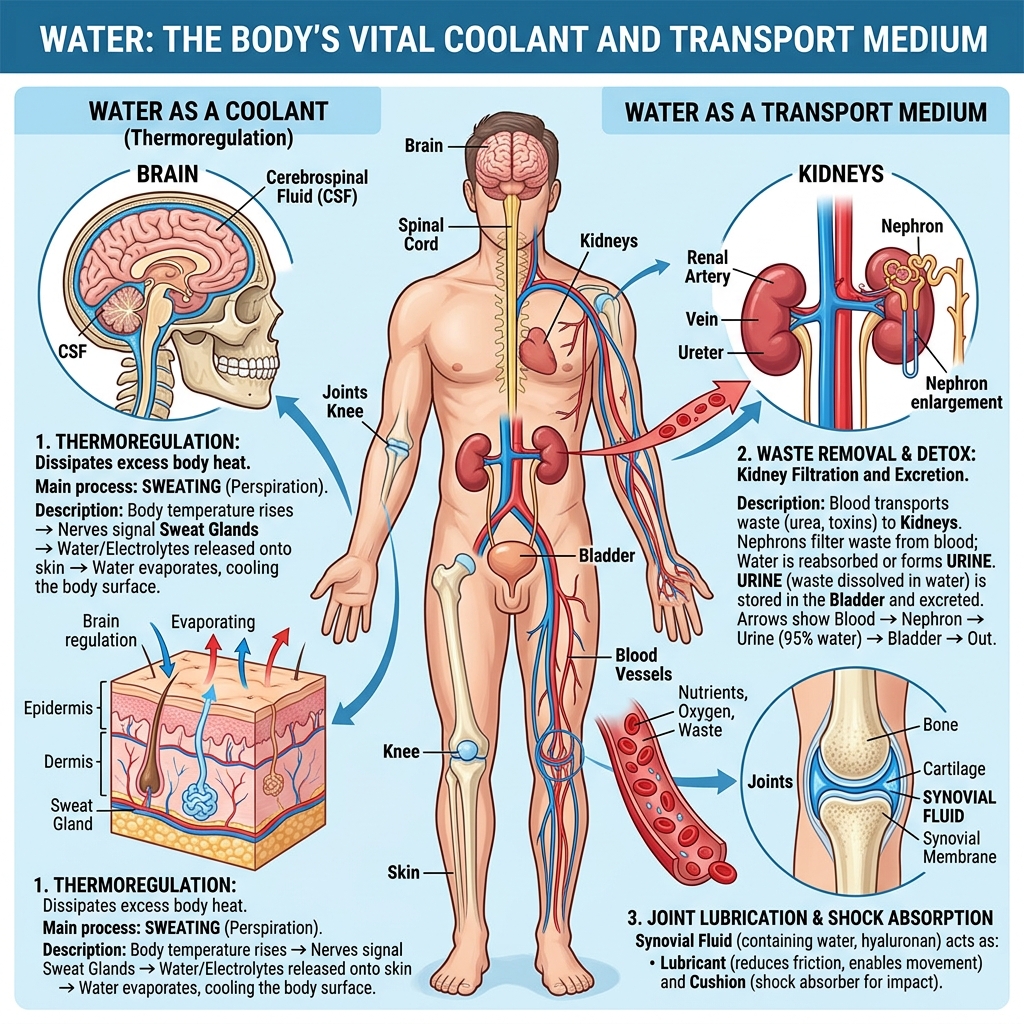
Water is the fundamental component of life, making up a significant percentage of our body weight. It acts as the body's universal solvent, facilitating nearly every biological process. Without adequate fluid balance, even minor deficiencies can impair major systems.
- Temperature Regulation: When overheated, your body sweats to cool down. Water ensures sufficient volume for this critical evaporative cooling process.
- Nutrient and Waste Transport: Water is the primary medium that carries essential nutrients (like vitamins and minerals) to cells while simultaneously flushing out metabolic waste products through urine and sweat.
- Joint Lubrication: It acts as a cushion, keeping joints lubricated and reducing friction, which helps prevent stiffness and discomfort.
- Cognitive Function: Since the brain is roughly 75% water, even mild dehydration can impair concentration, memory, and decision-making.
- Kidney Health: Adequate fluid intake ensures that kidneys can efficiently filter toxins from the blood, significantly reducing the risk of kidney stones.
How Can I Tell If I Am Dehydrated?
It is vital to recognize the subtle signs that your body is signaling for more fluids. Waiting until you feel severely thirsty means you are already somewhat dehydrated.
Key Indicators of Low Hydration:
- Urine Color Check: This is the easiest test. Pale yellow or clear urine indicates good hydration; dark yellow, amber, or tea-colored urine suggests insufficient fluid intake.
- Persistent Thirst: While obvious, constant thirst signals a deficit that needs immediate attention.
- Fatigue and Low Energy: Dehydration reduces blood volume, forcing the heart to work harder, leading to noticeable sluggishness.
- Dry Mucous Membranes: A dry mouth, sticky throat, or dry skin are classic signs of fluid loss.
- Headaches and Dizziness: These symptoms can be direct results of reduced blood plasma volume.
What Are the Best Ways to Stay Hydrated?
Staying hydrated requires a proactive approach throughout the day, not just when you feel thirsty.
- Establish Routine: Keep a reusable water bottle visible at all times as a constant visual reminder.
- Hydrate Before Activity: Always drink fluids before starting exercise or engaging in strenuous activity to preempt fluid loss.
- Electrolyte Balance: If sweating heavily (e.g., during intense workouts), plain water may not be enough. Incorporate sources of electrolytes (like coconut water or a pinch of sea salt) to replace lost minerals.
- Start the Day Right: Begin your morning with a large glass of water to rehydrate after hours of sleep.
Beyond Water: The Power of Hydrating Foods and Beverages
While plain water is foundational, relying solely on it can be monotonous or insufficient if you are losing electrolytes through sweat. Incorporating diverse sources ensures you get necessary minerals alongside the fluid volume.
Top Sources of Natural Electrolytes and Fluids
- Watermelon: Contains over 90% water and provides natural sugars and vitamins A and C.
- Cucumbers & Celery: Both are extremely high in water (around 95-96%) and provide potassium, which is essential for nerve function.
- Coconut Water: An excellent natural source of potassium and magnesium, making it ideal for post-workout recovery.
- Berries (Strawberries/Blueberries): High in antioxidants and water content, helping to combat oxidative stress associated with dehydration.
- Broth: Bone broth or vegetable broth provides not only fluid but also crucial sodium and potassium electrolytes.
Hydrating Beverages to Optimize Intake
| Beverage Type | Benefit | Cautionary Note |
|---|---|---|
| Herbal Teas (Chamomile, Ginger) | Soothing, non-caffeinated hydration source. | Avoid excessive consumption of highly caffeinated teas if sensitive. |
| Infused Water (Lemon/Mint/Cucumber) | Adds flavor and nutrients without sugar; encourages consistent sipping. | Use fresh ingredients for maximum benefit. |
| Milk | Provides calcium, protein, and electrolytes. | Good alternative when plant-based options are limited. |
Beverages to Limit or Avoid
- Sugary Drinks (Soda/Juice): High sugar content can actually pull water out of your cells, exacerbating dehydration.
- Excessive Caffeine: While moderate coffee intake is fine, large amounts of caffeine act as diuretics, increasing urination and requiring compensatory fluid intake.
- Alcohol: Alcohol is a potent diuretic and should be consumed in moderation, always pairing it with extra water.
How Does Hydration Impact My Energy, Skin, and Brain?
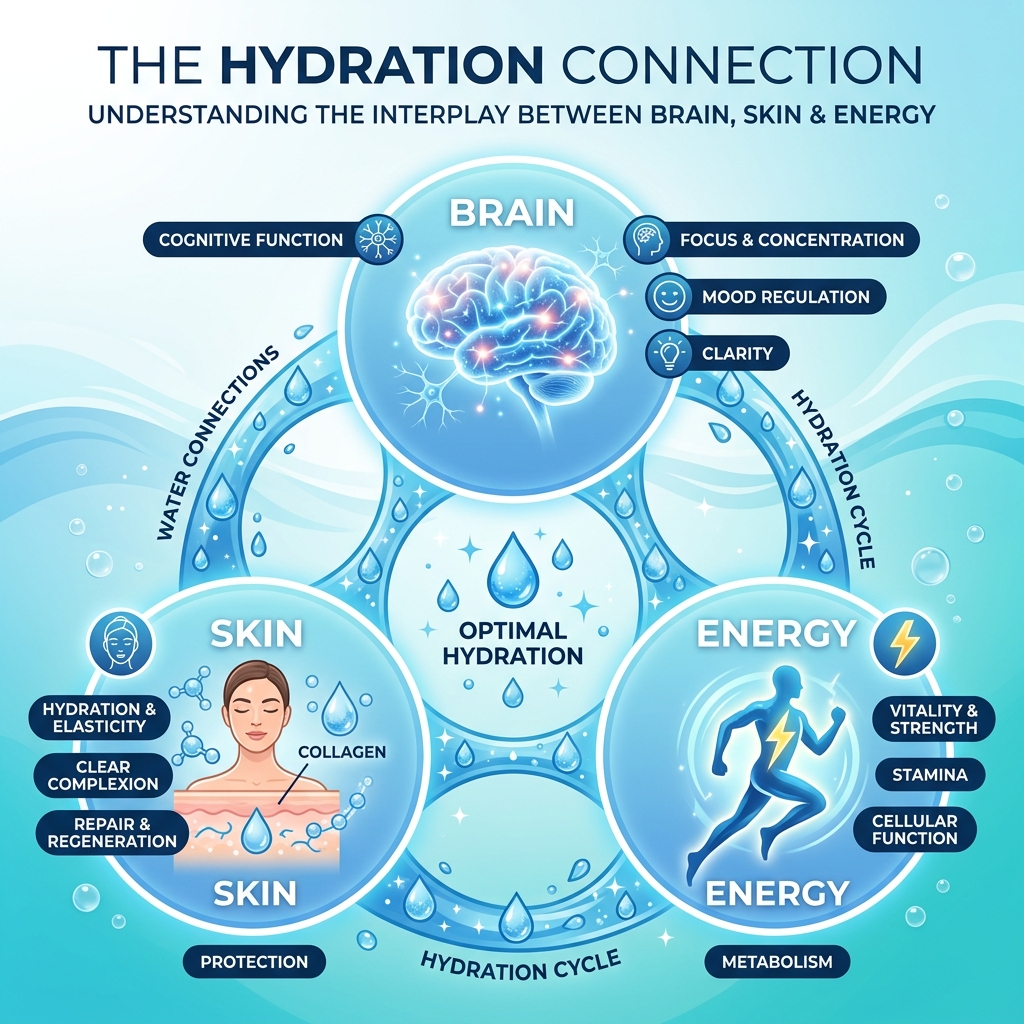
Hydration's benefits extend far beyond simply quenching thirst; it is foundational to overall systemic health. Understanding these connections helps motivate consistent fluid intake.
🧠 Cognitive Function and Mood
The brain relies heavily on stable blood volume and nutrient delivery. Even mild dehydration can reduce the efficiency of neurotransmitters, leading to:
- Difficulty concentrating (brain fog).
- Impaired memory recall.
- Increased irritability or anxiety.
Actionable Tip: If you feel mentally foggy, pause and drink a full glass of water before reaching for caffeine.
✨ Skin Health and Elasticity
Water is crucial for maintaining the skin's natural barrier function. When dehydrated:
- The skin loses its turgor (plumpness), making it appear duller.
- Elasticity decreases, potentially contributing to premature signs of aging.
Maintaining optimal hydration helps flush toxins and keeps the skin supple and resilient.
💪 Physical Performance and Digestion
- Energy: Water is essential for regulating body temperature during physical exertion, preventing overheating and subsequent energy crash.
- Digestion: It prevents constipation by keeping stool soft and moving through the colon efficiently.
- Kidney Function: Consistent hydration ensures that waste products are diluted enough to pass harmlessly, protecting kidney stones and filtering efficiency.
Mastering Mindful Hydration Habits
Mindful hydration is about developing a deep awareness of your body's signals rather than following rigid rules. It means listening to what your body actually needs in that moment.
The Danger of Overhydration (Hyponatremia)
While dehydration is common, it is important to know the risk of over-drinking, particularly for endurance athletes. Hyponatremia occurs when excessive water intake dilutes the sodium levels in the blood. Symptoms include nausea, severe headache, and confusion.
- The Takeaway: Hydrate consistently throughout the day with a mix of fluids (water, electrolyte drinks) rather than chugging large volumes at once.
Summary: Your Daily Hydration Checklist
- ✅ Check Urine Color: Aim for pale yellow.
- ✅ Sip Constantly: Don't wait until you are parched; sip throughout the day.
- ✅ Diversify Sources: Include hydrating foods (cucumbers, watermelon) and electrolytes in your routine.
- ✅ Adjust to Activity: Increase intake significantly during exercise or hot weather.
By integrating these mindful practices—and understanding that hydration is a holistic process involving diet, lifestyle, and fluid balance—you can optimize your overall well-being from the inside out.
Frequently Asked Questions
How much water should I drink daily?
While general guidelines suggest varying amounts, listen to your body. Focus on maintaining pale yellow urine color and increasing intake during intense activity or hot weather.
Sources
Medical Disclaimer: The information in this article is for educational purposes only and does not constitute medical advice. Always consult a qualified healthcare provider before making changes to your diet, exercise routine, or health regimen.