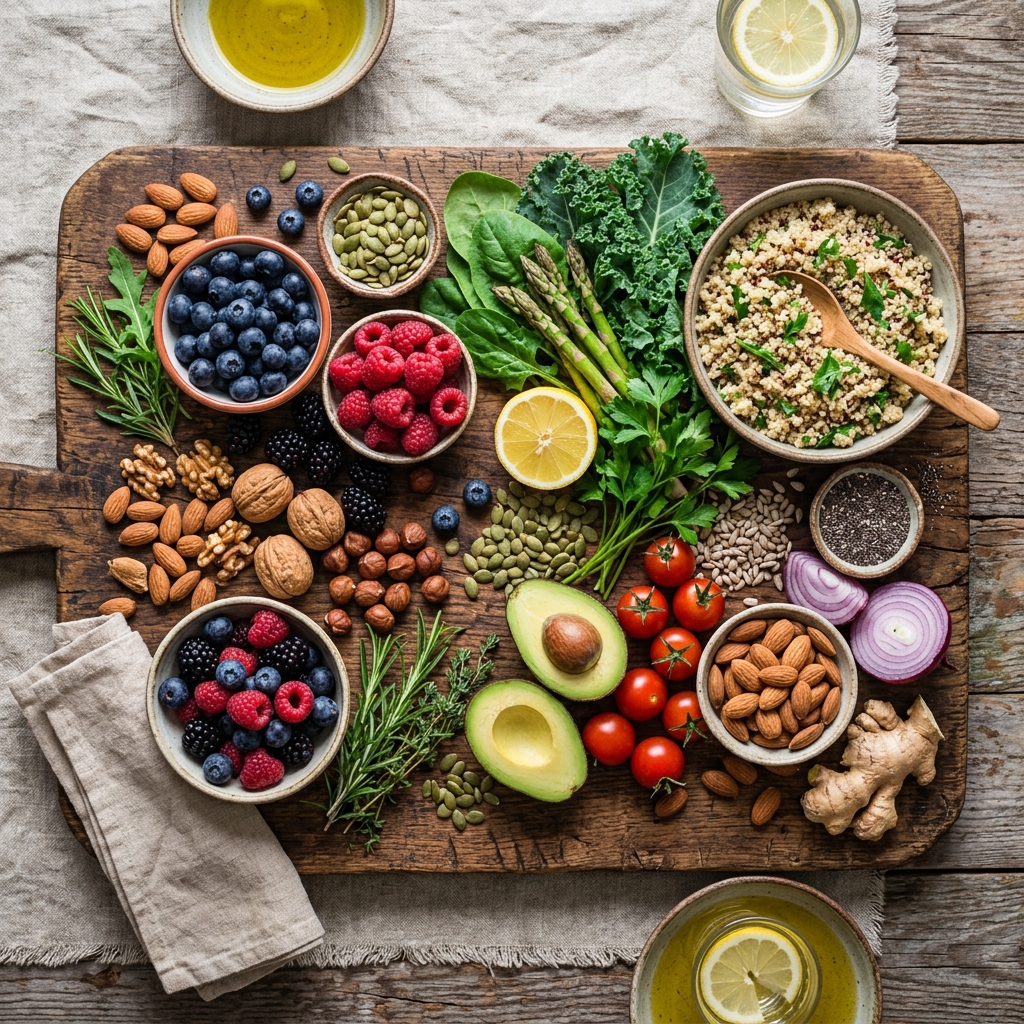
What Exactly Is Holistic Nutrition?
Holistic nutrition is an approach that views food as more than just fuel; it recognizes the profound, interconnected impact of diet on your entire being—your physical health, mental clarity, and emotional state. Instead of focusing solely on counting calories or hitting macro targets, this method emphasizes food quality and how different nutrients interact to support overall well-being.
Why Does Diet Affect Your Mental Health?
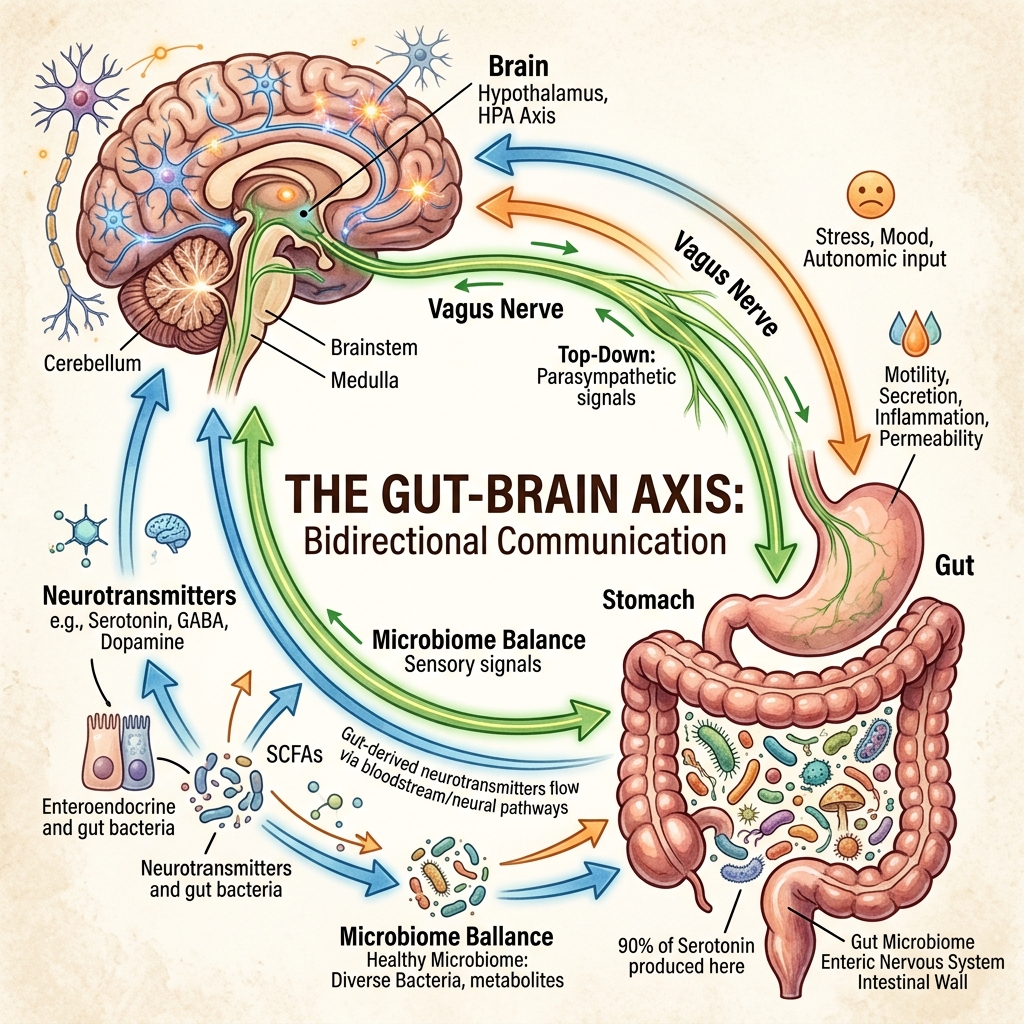
The connection between what you eat and how you feel is governed by the gut-brain axis. This complex communication network links your digestive system (your gut) directly to your central nervous system (your brain). When you feed your body nutrient-dense, whole foods, you support a healthy gut microbiome. A balanced gut, in turn, helps produce essential neurotransmitters and reduces inflammation, which can significantly improve mood, cognitive function, and overall emotional stability.
Whole Foods vs. Processed Foods: Understanding Food Quality
While understanding macronutrients (carbs, fats, proteins) is foundational, holistic nutrition shifts the focus to food source. The quality of your food matters more than its quantity or calorie count alone.
What Makes a Food "Whole"?
A whole food is defined as being in its most natural state—as close to how it appears in nature as possible, with minimal processing. These foods retain their inherent vitamins, minerals, and fiber structure.
Prioritize these unprocessed powerhouses:
- Fruits & Vegetables: Berries, leafy greens (spinach, kale), broccoli, apples.
- Whole Grains: Quinoa, brown rice, oats, barley.
- Legumes: Lentils, chickpeas, black beans.
- Nuts & Seeds: Walnuts, chia seeds, flaxseeds, almonds.
- Lean Proteins: Fish, eggs, tofu, chicken.
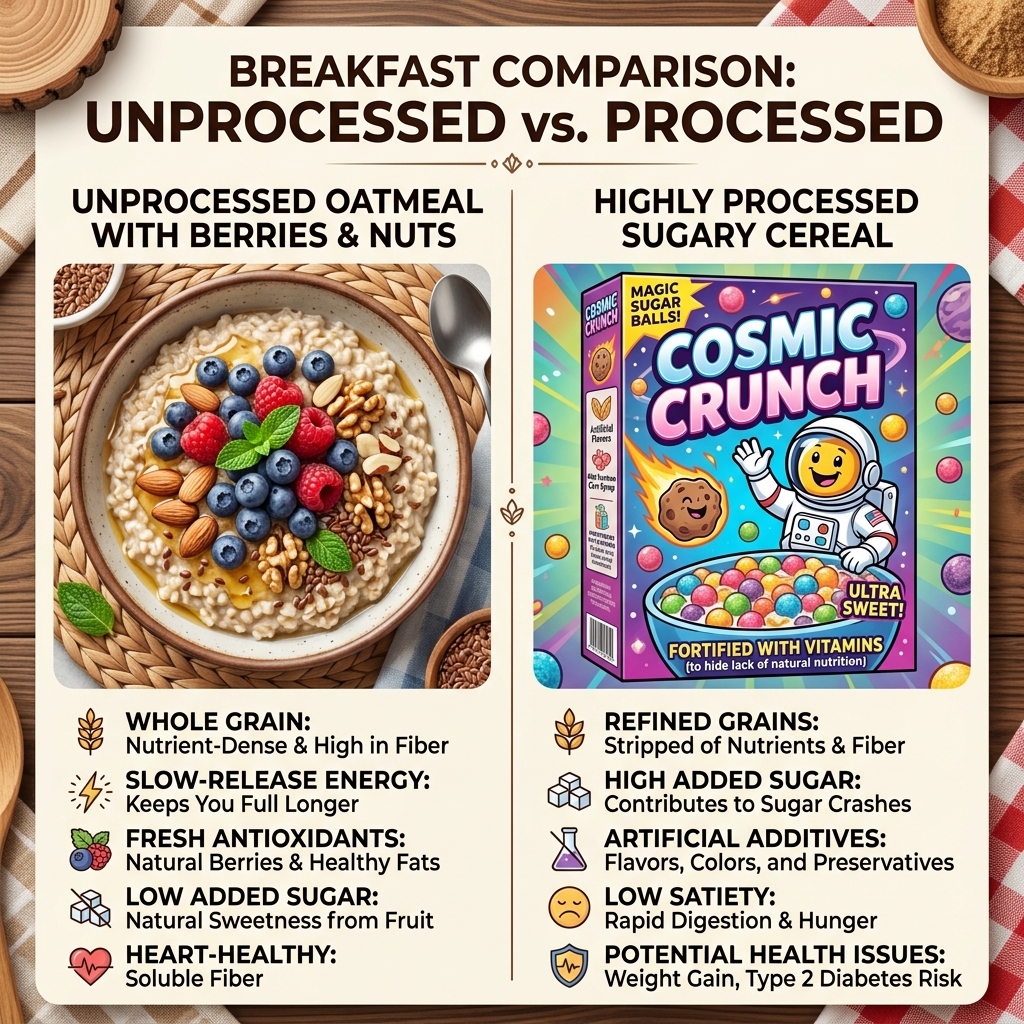
Why Should You Limit Processed Foods?
Processed foods are often stripped of their natural nutrients and loaded with additives like refined sugars, artificial colors, excessive sodium, and unhealthy trans fats. Consuming these regularly can:
- Trigger Inflammation: Chronic inflammation is linked to numerous chronic diseases, including heart disease and mood disorders.
- Cause Energy Crashes: Refined carbohydrates lead to rapid blood sugar spikes followed by sharp drops, resulting in fatigue and poor concentration.
- Imbalance the Gut: The artificial ingredients and lack of fiber can disrupt your gut microbiome, leading to digestive issues.
How Does Your Microbiome Impact Your Well-Being?
Your gut is often called your "second brain" because it houses trillions of bacteria—your gut microbiome. This community plays a critical role in everything from digestion to mood regulation.
The Role of the Gut Microbiome
The good bacteria in your gut are responsible for:
- Vitamin Production: They help synthesize essential vitamins (like Vitamin K and B vitamins).
- Immune Regulation: A balanced microbiome is crucial for a strong immune response.
- Neurotransmitter Synthesis: They play a direct role in producing chemicals like serotonin, which significantly influences mood and happiness.
Supporting Gut Health: Key Strategies
To maintain a thriving gut, focus on feeding the beneficial bacteria (prebiotics) and introducing new strains of good bacteria (probiotics).
- Eat Fiber-Rich Foods: Fiber is the primary food source for your gut flora. Include beans, whole grains, apples, and leafy greens daily.
- Incorporate Fermented Foods: These foods contain live probiotics. Examples include:
- Yogurt (with live cultures)
- Kefir
- Sauerkraut or Kimchi
- Kimchi
- Manage Stress: Chronic stress elevates cortisol, which can negatively alter the balance of your gut bacteria. Dedicate time to relaxation techniques like meditation or deep breathing.
Mastering Mindful Eating Practices
Holistic nutrition isn't just about what you eat; it’s also about how and why you eat. Mindful eating is the practice of paying full, non-judgmental attention to your meal—the colors, textures, smells, and tastes.
Benefits of Being Present at Mealtime
By slowing down and focusing on your food, you achieve several benefits:
- Improved Digestion: Thorough chewing activates digestive enzymes and signals satiety to the brain.
- Better Satiety Signals: You are more likely to recognize when you are genuinely full, preventing overconsumption.
- Reduced Emotional Eating: It helps create a conscious separation between emotional triggers and physical hunger.
Simple Steps for Mindful Meals
To practice mindful eating, try these actionable steps:
- Eliminate Distractions: Turn off the TV, put away your phone, and dedicate 100% of your attention to the meal.
- Observe First: Before taking a bite, look at your food. Notice its colors, steam, and aromas.
- Chew Thoroughly: Chew each mouthful slowly, allowing the flavors to register fully.
- Check In: Periodically pause and ask yourself: Am I still hungry? How does this taste right now?
Starting Your Holistic Journey: Simple Swaps & Additions
Making drastic dietary changes can be overwhelming. The key to sustainable holistic nutrition is making small, consistent swaps that build momentum over time.
🥗 Easy Dietary Swaps
| Instead of... | Try This Whole Food Swap | Why It Helps |
|---|---|---|
| White bread/pasta | Quinoa or whole wheat pasta | Higher fiber content for sustained energy. |
| Sugary drinks (soda, juice) | Water with lemon or herbal tea | Eliminates empty calories and artificial ingredients. |
| Processed snacks (chips, crackers) | Handful of nuts/seeds or fresh fruit | Provides healthy fats, protein, and natural sugars. |
| Vegetable oil (high heat) | Olive oil or avocado oil | Contains healthier monounsaturated fats. |
🌱 Simple Additions to Boost Nutrition
- Add a Rainbow: Aim for at least five different colors of fruits and vegetables daily. This ensures you get a wide spectrum of antioxidants.
- Boost Your Fiber: Start every meal with a source of fiber, such as beans or leafy greens.
- Include Ferments Daily: A small serving of kimchi or kefir can help maintain gut balance.
Summary & Next Steps
Holistic nutrition is not a restrictive diet; it is an educational journey about building a sustainable relationship with food and understanding how your internal systems communicate. By prioritizing whole foods, supporting your gut microbiome, and practicing mindful eating, you are giving yourself the most powerful tool for improving both physical vitality and mental clarity. Start small today—swap one processed snack for fresh fruit, or dedicate 15 minutes to eating without distractions—and watch your well-being flourish from within.
Disclaimer: The information provided in this article is for general knowledge and informational purposes only, and does not constitute medical advice. It is essential to consult with a qualified healthcare professional or registered dietitian for any health concerns or before making any dietary changes.
Frequently Asked Questions
What is the most important step in holistic nutrition?
The most impactful step is prioritizing whole, unprocessed foods while practicing mindful eating to improve your body's ability to absorb nutrients.
Sources
Medical Disclaimer: The information in this article is for educational purposes only and does not constitute medical advice. Always consult a qualified healthcare provider before making changes to your diet, exercise routine, or health regimen.