What is Riboflavin (Vitamin B2) and Why Do You Need It?
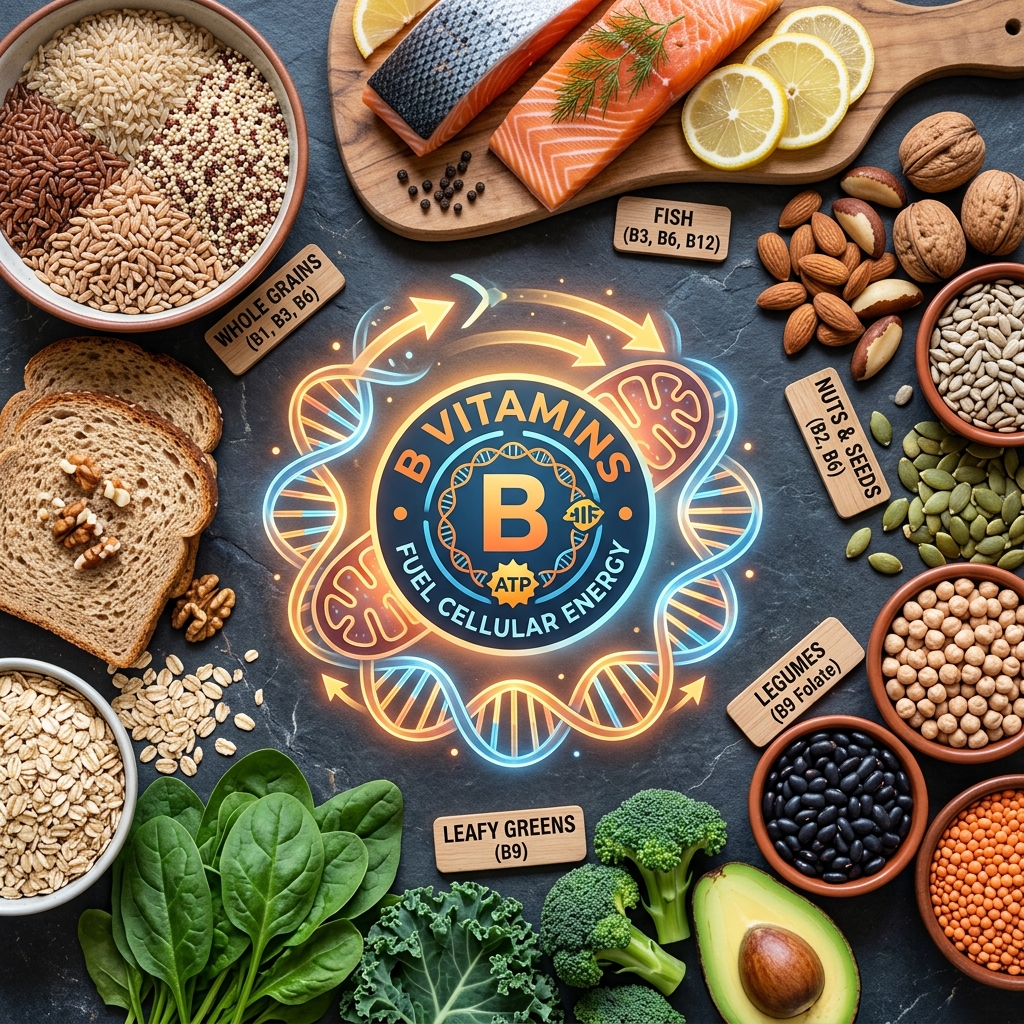
Riboflavin, or Vitamin B2, is a crucial water-soluble vitamin essential for maintaining optimal energy levels and supporting cellular health. Its primary function involves energy metabolism, helping your body convert the nutrients from food—carbohydrates, fats, and proteins—into usable energy (ATP). Without sufficient Riboflavin, this metabolic process slows down, leading to feelings of fatigue and sluggishness.
How Does Riboflavin Power Your Body?
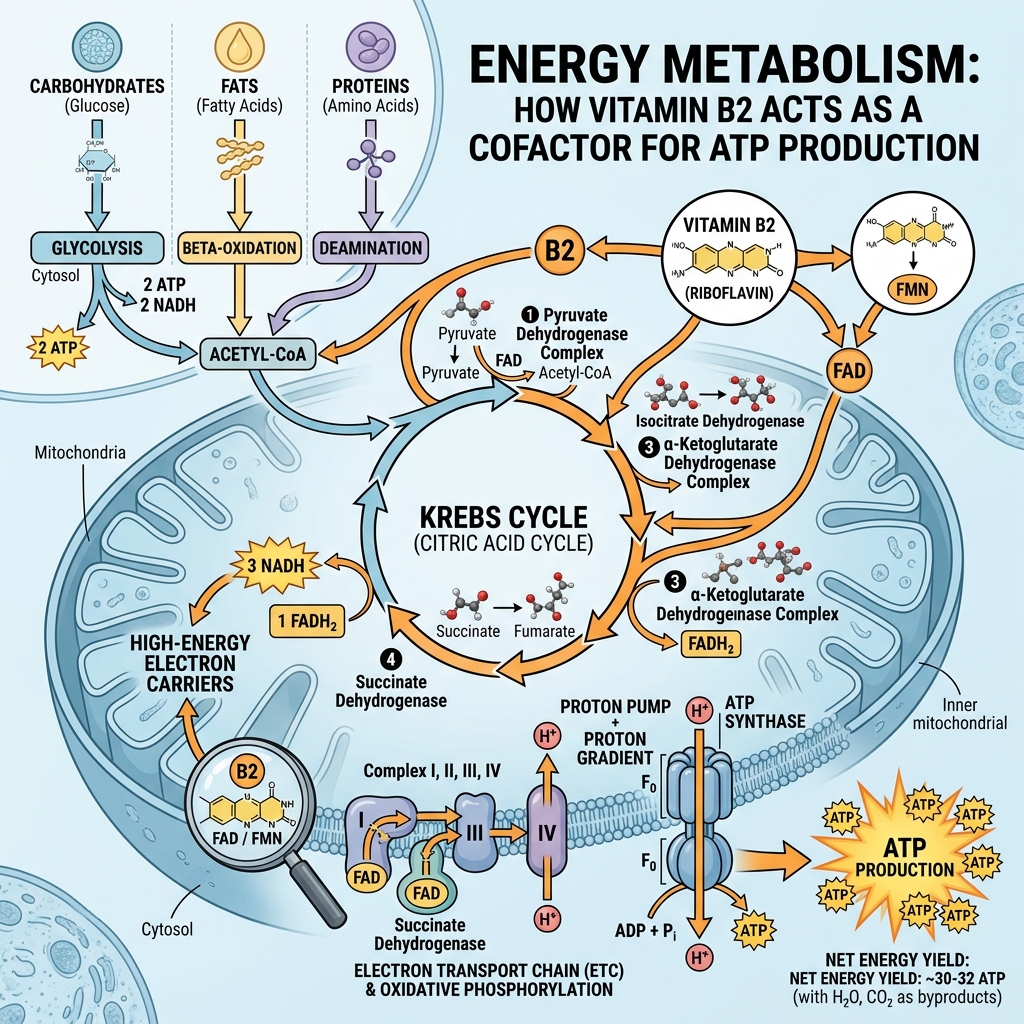
Riboflavin is not just an energy source itself; it's a vital cofactor. Think of it like a key that unlocks the door to your body's fuel reserves. Its role extends far beyond simple energy boosting, supporting multiple critical biological processes:
- Energy Production: It plays a central role in the electron transport chain, which is the final stage of cellular respiration where most ATP (adenosine triphosphate—the cell's main energy currency) is generated.
- Cellular Repair and Growth: Riboflavin is necessary for the proper development and function of new cells, making it crucial during periods of rapid growth or recovery.
- Nutrient Conversion: It assists in converting other B vitamins (like folate and B12) into active forms that your body can utilize.
- Antioxidant Protection: By acting as an antioxidant, Riboflavin helps protect delicate cell structures from damage caused by unstable molecules called free radicals.
What Are the Best Food Sources of Riboflavin?
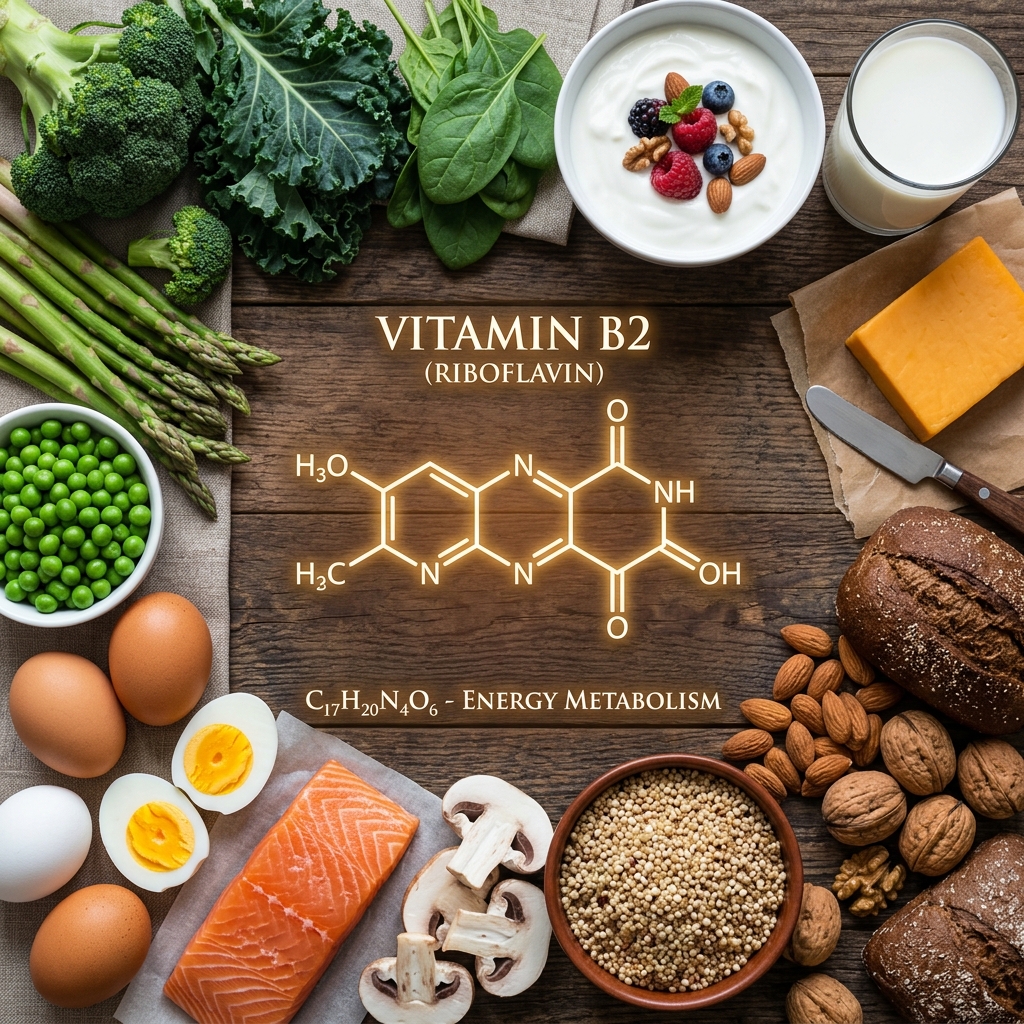
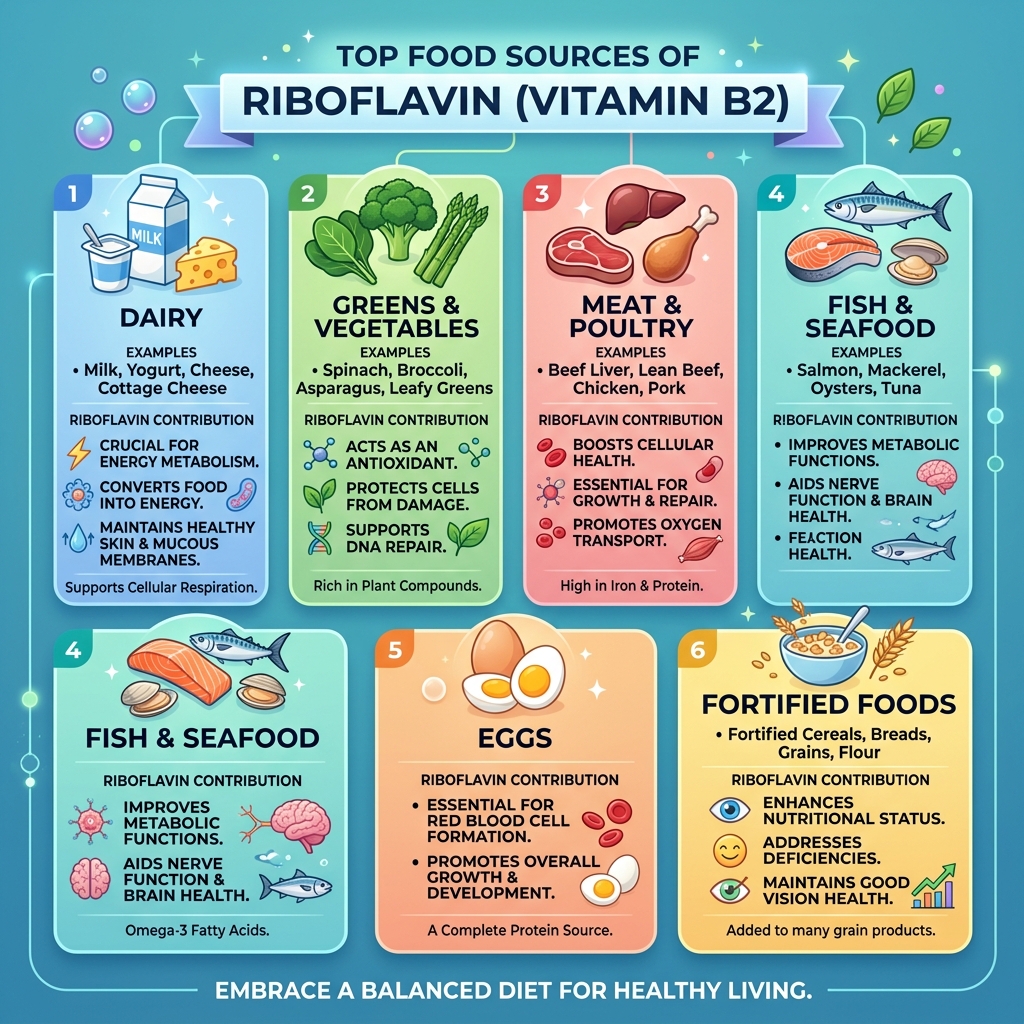
The good news is that Riboflavin is widely available in a variety of nutrient-dense foods, making it relatively easy to maintain adequate levels through diet alone. Focus on incorporating these powerhouse sources into your weekly meals:
- Dairy Products: Milk, yogurt (especially Greek varieties), and cheese are excellent, readily absorbed sources.
- Eggs: Eggs are highly bioavailable and provide a significant portion of the daily requirement.
- Organ Meats: Beef liver is exceptionally rich in Riboflavin. Note: Due to high cholesterol content, consume organ meats in moderation.
- Leafy Greens & Vegetables: Spinach, broccoli, asparagus, and mushrooms contribute valuable amounts alongside fiber and other vitamins.
- Fortified Foods: Many breakfast cereals are fortified with B-vitamins, making them a convenient source if checked against the nutrition label.
💡 Quick Tips for Maximizing Nutrient Absorption:
- Steam over Boil: Steaming vegetables helps preserve the water-soluble vitamins like Riboflavin.
- Store Milk Safely: Keep milk in opaque containers to prevent degradation from light exposure.
- Balance Your Plate: Pairing B2-rich foods with other whole foods ensures comprehensive nutrient uptake.
What Happens When You Are Deficient in Riboflavin?
Riboflavin deficiency (ariboflavinosis) is uncommon in developed nations but can occur due to poor diet, malabsorption issues, or excessive alcohol consumption. Recognizing the signs early is key to prevention.
Key Symptoms of Deficiency
The symptoms often affect areas that require high energy and rapid cell turnover:
- Cheilosis (Cracked Lips): This is one of the most recognizable signs—cracks and soreness at the corners of the mouth.
- Glossitis: The tongue may appear swollen, red, and painful due to inflammation.
- Skin Issues: A scaly or greasy rash can develop, particularly around the mouth and nose (Seborrheic Dermatitis).
- Fatigue and Weakness: Because energy production is compromised, persistent tiredness and lack of vitality are common complaints.
- Eye Irritation: Deficiency can lead to light sensitivity, itching, and burning in the eyes.
Who Is At Higher Risk?
While anyone can be at risk, certain groups should pay extra attention to their intake:
- Individuals with Malabsorption Conditions: People with Crohn's disease or Celiac disease may struggle to absorb nutrients efficiently.
- Vegans/Vegetarians (if poorly planned): While plant sources exist, those avoiding all animal products must ensure they consume fortified foods and diverse greens.
- Elderly Adults: Decreased appetite and potential digestive issues can increase risk.
- Individuals with Chronic Alcohol Use: Alcohol interferes with the body's ability to absorb and utilize B vitamins.
How Much Riboflavin Do You Need Daily? (Recommended Intake)
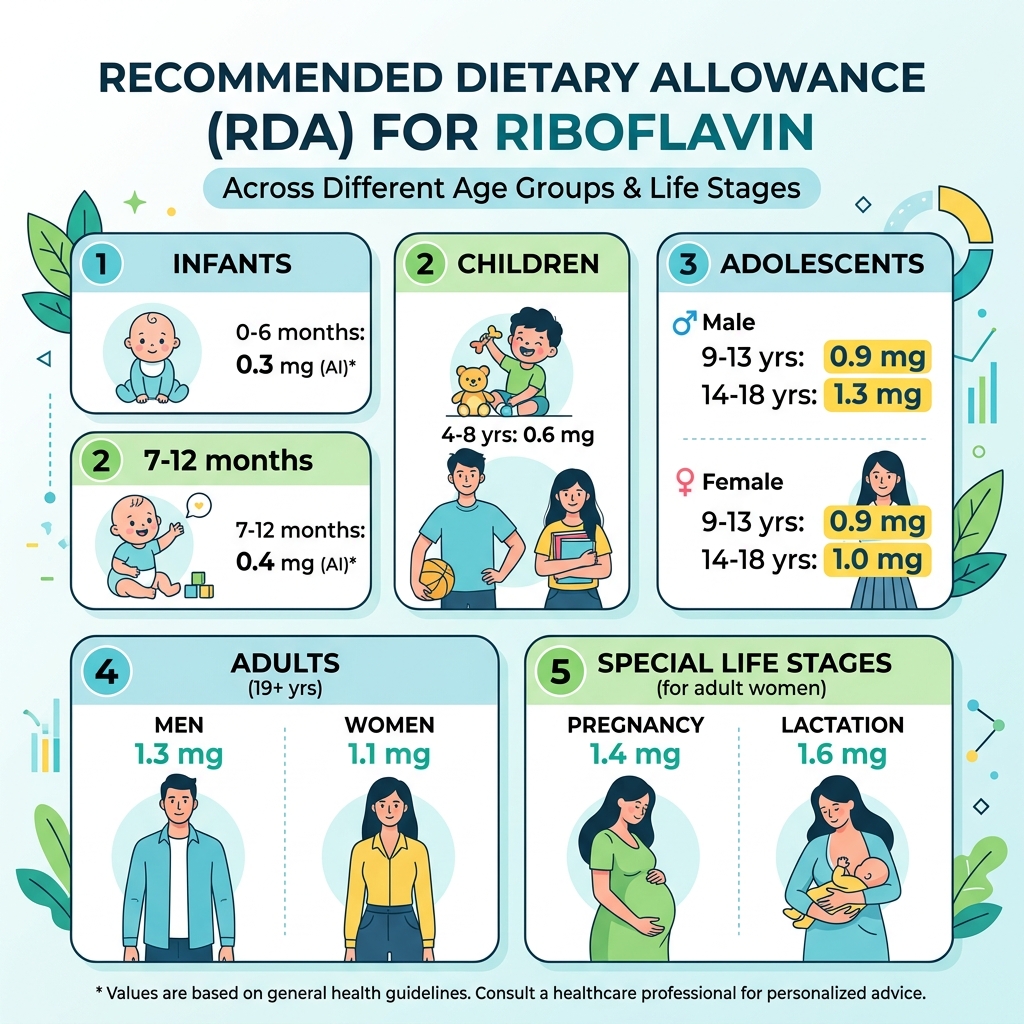
The required amount of Riboflavin varies significantly based on age, sex, and life stage. Always consult a healthcare provider for personalized recommendations.
- Adult Males (19+): 1.3 mg
- Adult Females (19+): 1.1 mg
- Pregnant Women: 1.4 mg (Increased needs support fetal development)
- Breastfeeding Women: 1.6 mg
Should I Take Supplements?
For most people who maintain a balanced diet rich in the sources listed above, supplements are unnecessary. However, supplementation may be warranted if:
- Diagnosis Confirms Deficiency: Your doctor has diagnosed an active deficiency.
- Dietary Restrictions: You follow a restrictive diet (e.g., certain vegan or low-dairy diets) and cannot meet needs through food alone.
- Increased Needs: You are pregnant, breastfeeding, or recovering from illness.
Crucial Safety Note: Riboflavin is water-soluble, meaning excess amounts are safely excreted in urine. However, always follow the dosage instructions provided by your physician or registered dietitian.
Can Riboflavin Help With Specific Health Conditions?
Research has explored Riboflavin's potential role in managing several chronic conditions, though more clinical trials are needed to confirm all claims:
- Migraines: Some studies suggest that high doses of B2 may help reduce the frequency and severity of migraine headaches.
- Cataracts: Due to its antioxidant properties, it is believed to play a protective role in eye health.
- Cardiovascular Health: Riboflavin helps maintain healthy levels of homocysteine—an amino acid linked to increased cardiovascular risk.
Summary & Next Steps for Optimal Health
Riboflavin (Vitamin B2) is an indispensable nutrient that acts as the engine oil for your body's energy system. By prioritizing a diet rich in dairy, eggs, and green vegetables, you can ensure continuous support for cellular function and sustained energy. If persistent fatigue or symptoms like cracked lips persist, do not wait—consult your primary care physician to test for deficiency and receive personalized guidance on supplementation or dietary changes.
Frequently Asked Questions
While rare in developed countries, symptoms can include fatigue and cracked lips. If you suspect a deficiency, consult your doctor for proper diagnosis.
No, because it is water-soluble, excess amounts are generally harmlessly excreted through urine.