Why Do Our Vitamin Needs Change with the Seasons?
Our bodies are highly adaptive, but our nutritional requirements fluctuate dramatically based on external factors like sunlight exposure, changes in diet availability, and shifts in activity levels. When seasons change, so do these inputs, influencing everything from our immune system's readiness to our energy reserves. Understanding this cycle allows you to proactively adjust your intake for optimal year-round health.
What is Vitamin D and Why Is It Crucial in Winter?
Vitamin D is often called the "sunshine vitamin" because our skin synthesizes it when exposed to UVB rays. It is vital for more than just bone health—it plays a critical role in immune function and even mood regulation.
The Seasonal Deficiency Cycle
During autumn and winter, three factors drastically reduce natural Vitamin D production:
- Reduced Sunlight: Shorter days mean less cumulative sun exposure.
- Geographic Latitude: In higher latitudes, the angle of the sun is too low to trigger effective synthesis.
- Lifestyle: Increased time spent indoors limits skin exposure.
Signs You Might Be Deficient
If you experience persistent fatigue, unexplained muscle weakness, or recurring seasonal mood changes (like the "winter blues"), a Vitamin D deficiency may be contributing factors.
How to Optimize Vitamin D Intake
While sunlight is ideal, supplementation is often necessary during low-sun periods.
- Dietary Sources: Focus on fatty fish (salmon, mackerel), egg yolks, and fortified dairy or cereals.
- Supplementation: Discuss the appropriate dosage (often 600–800 IU) with your healthcare provider. Never self-dose.
- Skin Exposure: When possible, aim for short periods of midday sun exposure on arms and legs to support natural synthesis.
How Does Vitamin C Support Immune Health Year-Round?
Vitamin C is a powerful antioxidant that supports the immune system by protecting cells from damage caused by free radicals. While it won't prevent catching a cold, adequate intake can help shorten the duration and reduce the severity of symptoms.
The Role of Antioxidants
Antioxidant protection is critical during seasonal shifts when exposure to pathogens increases (e.g., fall/winter). Vitamin C helps maintain healthy skin—the body's first line of defense—and supports collagen production.
Best Food Sources for Vitamin C
The most effective way to get this nutrient is through diet:
- Citrus Fruits: Oranges, grapefruits, and lemons.
- Berries: Strawberries, blueberries, and raspberries (high in antioxidants).
- Vegetables: Bell peppers (especially red), broccoli, and kiwi.
Beyond D & C: Other Essential Seasonal Nutrients
While Vitamin D and C receive the most attention, several other vitamins and minerals are crucial for maintaining energy and mood through seasonal transitions.
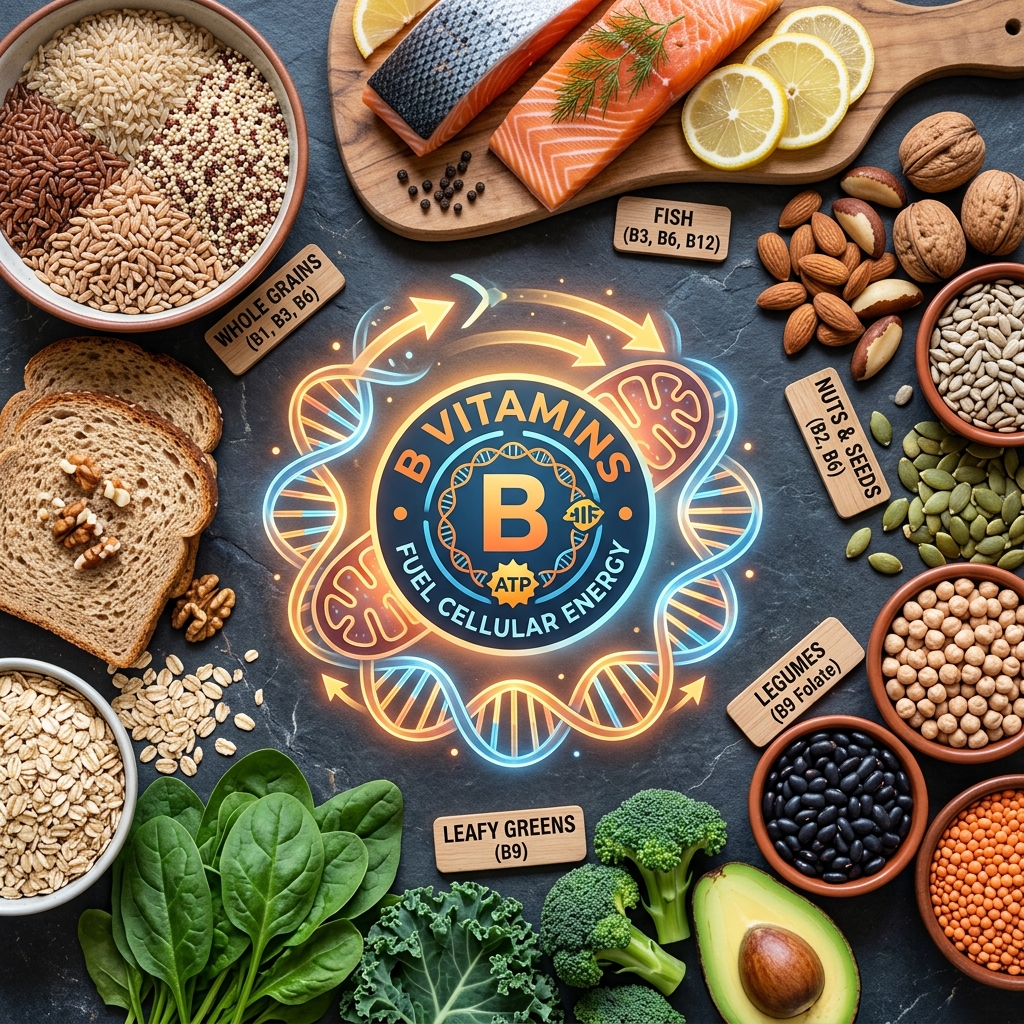
⚡ B Vitamins: The Energy Boosters
B vitamins (including B12 and Folate) are essential co-factors in converting food into usable energy. They are particularly important during darker months when natural energy levels tend to dip.
- Sources: Leafy greens, beans, lentils, meat, fish, and fortified cereals.
- Special Note (B12): Vegetarians and vegans must pay close attention to B12 intake, as it is primarily found in animal products.
💪 Iron: Preventing Seasonal Fatigue
Iron deficiency can manifest as chronic fatigue and weakness, symptoms often mistaken for seasonal lethargy.
- Sources: Red meat, lentils, spinach, beans, and fortified cereals.
- Absorption Tip: Always pair iron-rich foods with Vitamin C (e.g., eating spinach salad with bell peppers) to significantly boost absorption.
🧠 Omega-3 Fatty Acids: Mood Stabilization
These healthy fats are critical for brain health and reducing inflammation. They are particularly beneficial during periods of high stress or when dealing with seasonal affective disorder (SAD).
- Sources: Fatty fish (salmon, sardines), walnuts, flaxseeds, and chia seeds.
🛡️ Zinc: Immune Defense
Zinc is a mineral vital for immune cell development and wound healing. It plays a key role in maintaining the integrity of mucosal barriers, helping to reduce cold duration.
- Sources: Oysters, red meat, pumpkin seeds, and nuts.
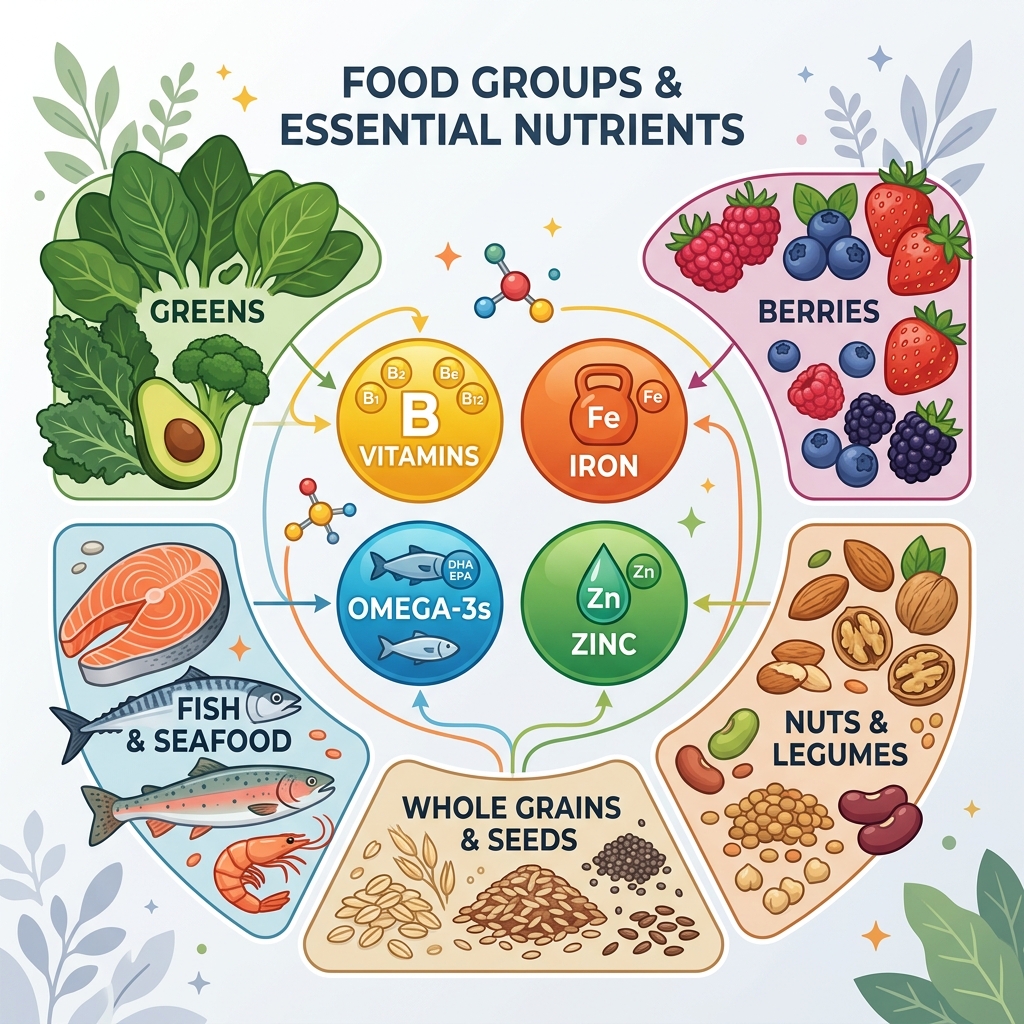
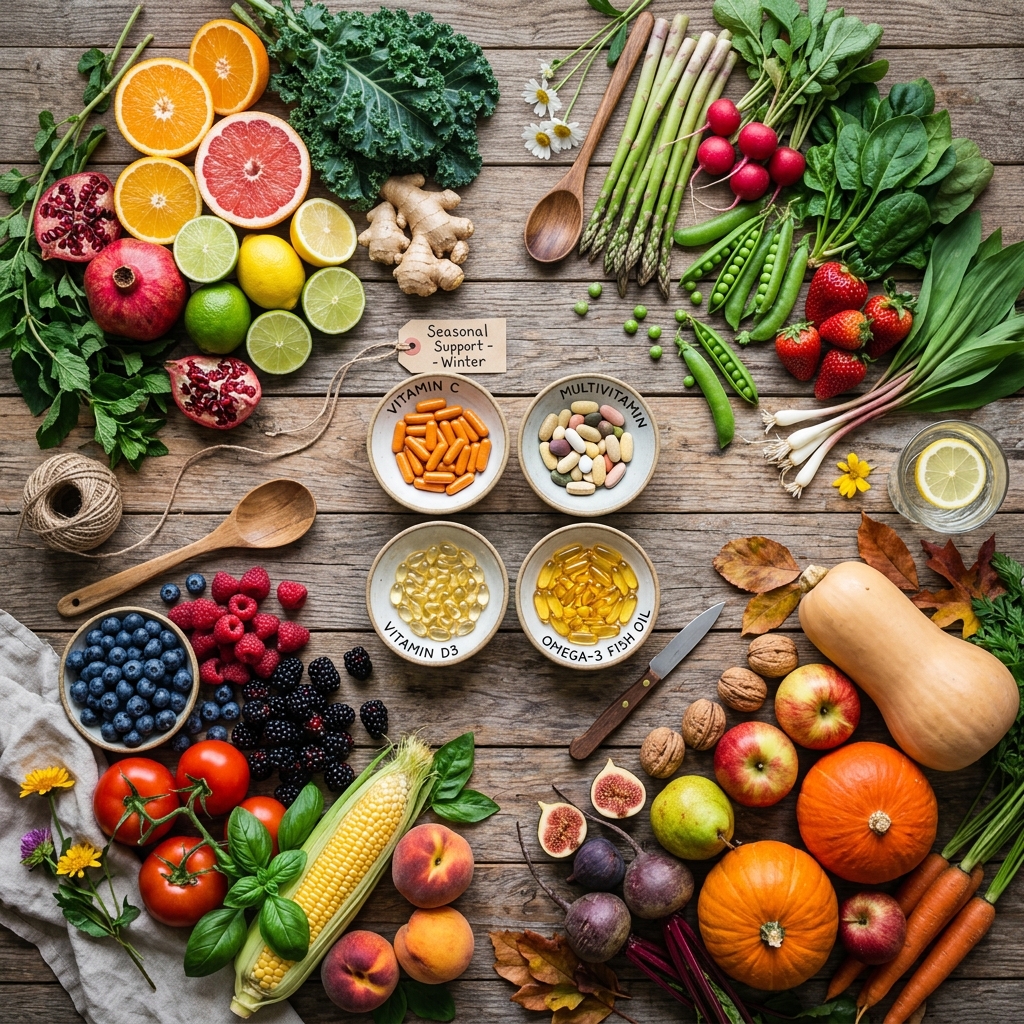
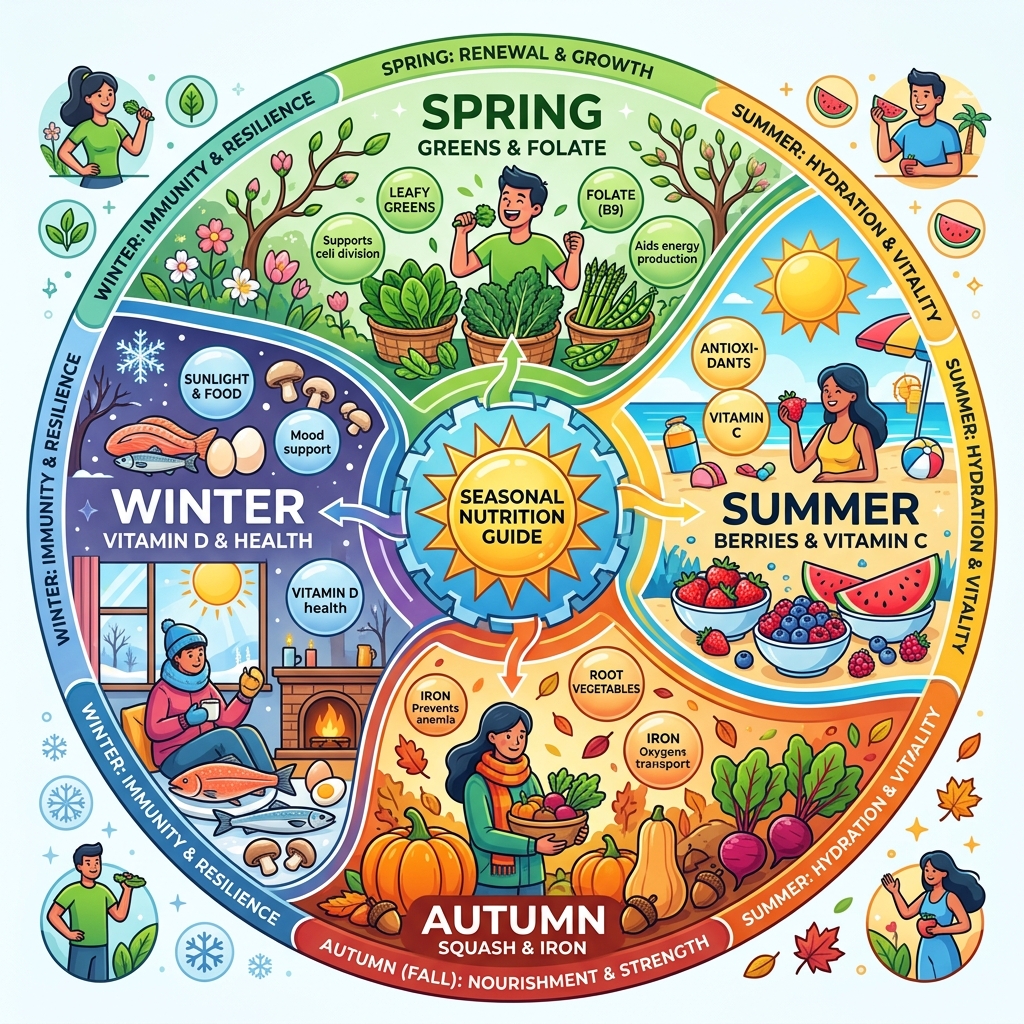
Seasonal Eating Guide: Nature's Perfect Pharmacy
The most powerful tool for nutritional support is eating seasonally. By choosing produce that is at its peak, you maximize nutrient density while supporting local agriculture.
🌸 Spring Focus
- Key Nutrients: Folate, Vitamin K, Vitamin C.
- Foods: Asparagus, spinach, strawberries, and peas.
☀️ Summer Focus
- Key Nutrients: Vitamin C, Lycopene, Antioxidants.
- Foods: Berries (blueberries, raspberries), tomatoes, bell peppers, and zucchini.
🍂 Autumn Focus
- Key Nutrients: Vitamin A, Fiber, Iron.
- Foods: Squash (butternut, acorn), apples, sweet potatoes, and Brussels sprouts.
❄️ Winter Focus
- Key Nutrients: Vitamin C, Vitamin D, Vitamin K.
- Foods: Citrus fruits (oranges, grapefruits), root vegetables (carrots, parsnips), kale, and pomegranates.
Addressing Specific Seasonal Health Concerns
Seasonal Affective Disorder (SAD)
SAD is a type of depression linked to reduced sunlight exposure during fall and winter. While it requires professional care, nutritional support can help:
- Vitamin D: Supplementation is often recommended by clinicians.
- Omega-3s: High intake may help regulate mood and reduce depressive symptoms.
- Light Therapy: Using a specialized light box (consulting a doctor first) can help reset circadian rhythms.
Skin Health: Adapting to Climate Shifts
Skin needs change dramatically with temperature and humidity.
- Winter Dryness: Focus on Vitamin E (found in nuts/seeds) and Omega-3s to reduce inflammation and maintain moisture barriers.
- Summer Sun Damage: Prioritize Vitamin C and other antioxidants to protect against UV damage, alongside physical sun protection.
Best Practices for Supplementation
Supplements are designed to supplement, not replace, a balanced diet. If you plan to take supplements, follow these guidelines:
- Prioritize Whole Foods: Always aim to get nutrients from diverse food sources first.
- Consult First: Speak with your primary care physician or a Registered Dietitian (RD) before starting any regimen. They can run blood tests to identify true deficiencies.
- Check Quality: Choose brands that are third-party tested (e.g., USP, NSF) to ensure purity and accurate dosage.
- Avoid Megadosing: High doses of certain vitamins (like Vitamin A or Iron) can be toxic. Stick to the recommended daily allowance unless directed otherwise by a professional.
Summary & Next Steps
Maintaining optimal health year-round requires awareness of your body's seasonal needs. By integrating nutrient-dense, in-season foods and strategically supplementing key nutrients like Vitamin D (in winter) and Vitamin C (for immunity), you can significantly boost your resilience. Remember that a holistic approach—combining diet, targeted supplementation, regular exercise, and adequate sleep—is the ultimate formula for thriving through every season.
Frequently Asked Questions
Supplements can fill specific gaps, but they should complement, not replace, whole foods. Always consult your doctor first.
Vitamin D is crucial in winter due to reduced sunlight exposure, making supplementation often necessary.