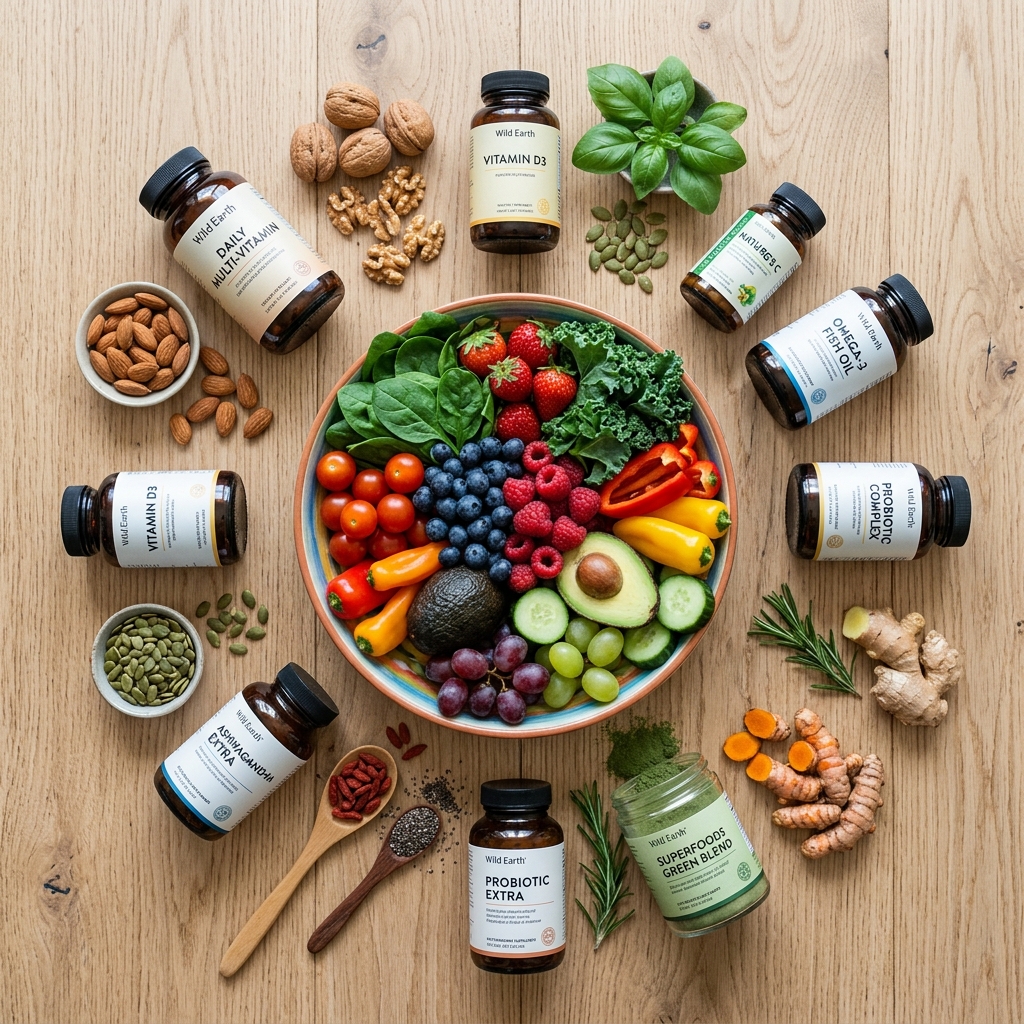
Why Do Some People Need Targeted Supplementation?
While a balanced, varied diet remains the cornerstone of optimal health, no single food source can provide every nutrient in sufficient quantities for every person at every stage of life. Targeted supplementation is necessary when specific physiological demands (like pregnancy or rapid growth) or systemic issues (like poor gut absorption or restrictive diets) create nutritional gaps that cannot be reliably filled through diet alone.
This guide explores the key populations and conditions where expert guidance and targeted supplements are most beneficial.
What Are the Key Nutritional Needs During Life Stages?
Nutrient requirements change dramatically throughout life. The needs of a pregnant woman are vastly different from those of an older adult or a child.
🤰 Pregnant and Breastfeeding Mothers: Supporting Two Lives
Pregnancy and lactation place immense demands on maternal reserves, requiring specific nutrients to support both the mother's health and the developing baby.
- Folate (Vitamin B9): This is critical in early pregnancy as it helps prevent neural tube defects, serious birth defects of the brain and spinal cord.
- Action Point: Supplementation with folic acid, starting before conception, is highly recommended.
- Iron: Increased blood volume during gestation requires significantly more iron to prevent anemia and fatigue.
- Calcium & Vitamin D: These two work together for bone health. The baby needs calcium for its skeletal structure; if the mother's intake is low, her bones can be compromised.
- DHA (Omega-3): Essential for the rapid development of the baby’s brain and retina.
👶 Infants and Children: Fueling Rapid Growth
Rapid growth requires consistent nutrient input. While breast milk or formula provides much of what a child needs, certain supplements are vital:
- Vitamin D: Breastfed infants have low levels of Vitamin D in their mother's milk, making supplementation (usually 400 IU/day) standard practice to ensure proper calcium absorption and bone development.
- Iron & B12: These may be supplemented if the child is exclusively breastfed for extended periods or if the family follows a vegan diet.
👵 Older Adults: Addressing Absorption Decline
As we age, two primary issues arise that lead to deficiencies: reduced sun exposure and decreased stomach acid production.
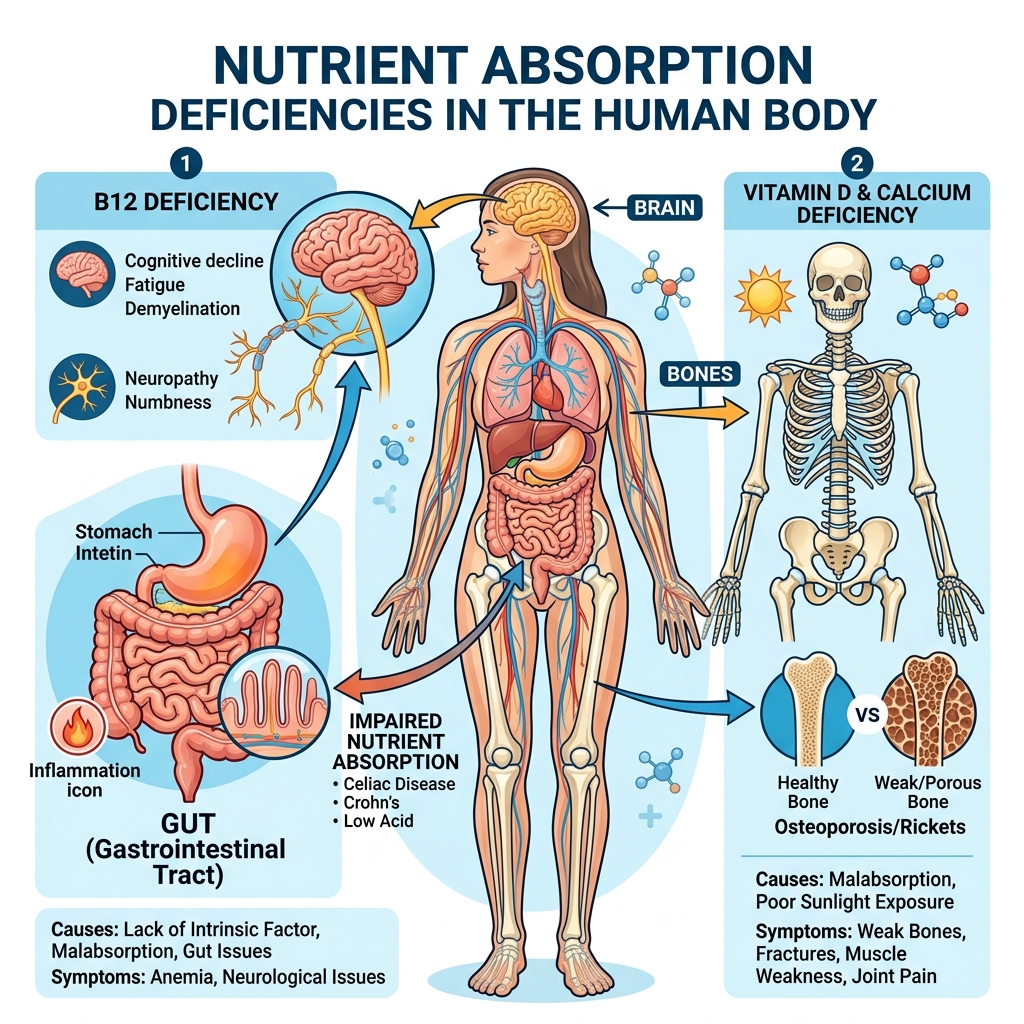
- Vitamin B12: Deficiency is common because older adults often have reduced stomach acid, which is necessary to release B12 from food for absorption. This can lead to fatigue, weakness, and cognitive decline.
- Action Point: Supplements (sometimes sublingual or injections) are often needed.
- Vitamin D: Decreased sun exposure and impaired kidney function increase the risk of deficiency, which is crucial for bone strength and immune function.
- Calcium & Vitamin B12: These nutrients require careful monitoring, as deficiencies can compound age-related issues like osteoporosis and neuropathy.
🌿 Do Dietary Choices Impact Supplement Needs? (Vegans/Vegetarians)
Excluding entire food groups—whether due to ethical choice or allergy—requires meticulous planning because certain essential vitamins are primarily found in animal products.
- Vitamin B12: This is the most critical supplement for vegans and vegetarians. Since B12 is naturally present almost exclusively in animal sources, supplementation is non-negotiable for those who avoid meat, dairy, and eggs.
- Iron: Plant-based iron (non-heme) is less readily absorbed than animal-based iron (heme). To maximize absorption, always pair iron-rich plant foods (lentils, spinach) with Vitamin C sources (citrus fruits, bell peppers).
- Omega-3s: While flaxseeds and walnuts provide ALA, the conversion to active DHA/EPA is inefficient. Algae-based supplements are an excellent vegan alternative for optimal brain health support.
🏥 When Do Medical Conditions or Medications Increase Risk?
Certain medical states or medications can physically interfere with how your body absorbs, processes, or excretes nutrients.
Impaired Absorption
Conditions that damage the digestive tract significantly raise deficiency risks:
- Celiac Disease: Damage to the small intestine impairs nutrient uptake, requiring careful monitoring and often lifelong supplementation (especially iron, calcium, and B12).
- Inflammatory Bowel Diseases (IBD): Conditions like Crohn's disease can lead to malabsorption of multiple vitamins and minerals.
- Bariatric Surgery (e.g., Gastric Bypass): These procedures fundamentally alter digestion, necessitating lifelong, comprehensive supplementation regimens prescribed by a physician.
Drug-Nutrient Interactions
Be aware that many common medications interfere with nutrient levels:
- Proton Pump Inhibitors (PPIs): By reducing stomach acid, PPIs can significantly impair the absorption of Vitamin B12, iron, and calcium.
- Antibiotics: Certain antibiotics can bind to minerals in the gut, reducing the body's ability to absorb calcium and zinc.
- Metformin (Diabetes Medication): This drug is known to interfere with Vitamin B12 absorption, requiring regular blood monitoring.
💡 Summary: The Golden Rules of Supplementation
Supplements are powerful tools, but they are not magic bullets. They are meant to fill gaps identified by a professional assessment.
- Rule #1: Never Self-Diagnose: Do not start a supplement regimen based on general advice or symptoms alone.
- Rule #2: Prioritize Diet First: Always focus on optimizing whole foods and nutrient density before reaching for pills.
- Rule #3: Consult Experts: Always consult your primary care physician, an endocrinologist, or a Registered Dietitian (RD). They can order blood tests to confirm actual deficiencies rather than guessing.
Disclaimer: The information provided in this article is for general informational purposes only and is not intended as a substitute for professional medical advice, diagnosis, or treatment. Always seek the advice of your physician or other qualified health provider with any questions you may have regarding a medical condition or treatment.
Frequently Asked Questions
No. Supplements are designed to *supplement* a balanced, whole-food diet, helping to bridge specific nutritional gaps.
Always consult your healthcare provider or a registered dietitian first. They can assess your individual needs and recommend safe dosages.