What is Vitamin A and Why Is It Essential for Your Body?
Vitamin A, a fat-soluble nutrient, is absolutely critical for maintaining optimal health across multiple bodily systems. It functions as a team of compounds (including retinol, retinal, and retinoic acid) that are essential for vision, supporting a robust immune system, promoting healthy cell growth, and keeping your skin vibrant. Because it plays such diverse roles, understanding its sources and proper dosage is key to preventing deficiency or toxicity.
How Does Vitamin A Support Key Body Functions?
Vitamin A's importance spans several vital physiological processes. Here is a breakdown of its primary roles:
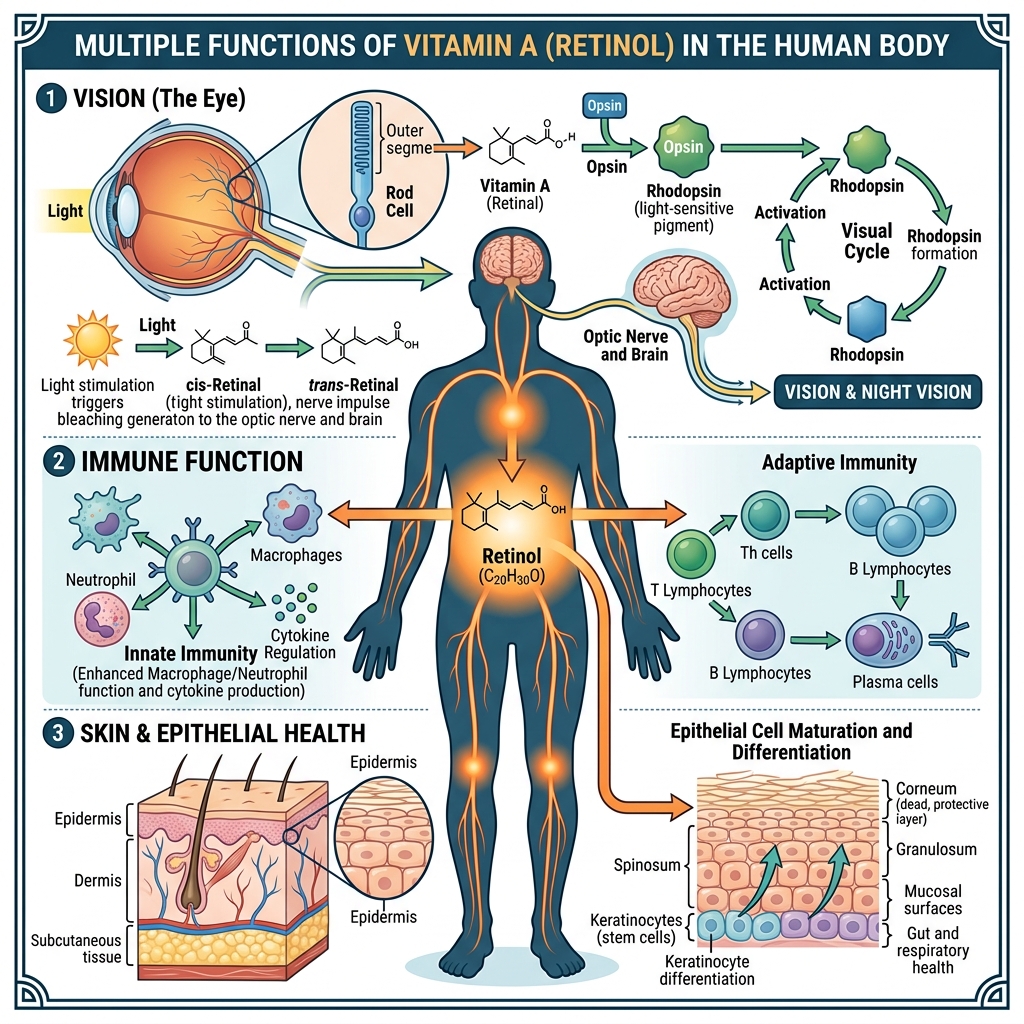
- Vision: This is perhaps its most famous function. Vitamin A is crucial for producing rhodopsin, the light-sensitive pigment in your eyes. It allows your retina to properly adjust to low light, preventing conditions like night blindness.
- Immune Function: By supporting the production and proper functioning of white blood cells, Vitamin A helps strengthen your immune defenses, making your body more resilient against infections.
- Cell Growth and Development: The nutrient is vital for cell maturation throughout life. It ensures that tissues and organs develop correctly and maintain healthy turnover rates.
- Skin Health: Vitamin A promotes cell turnover in the skin, helping to keep it moisturized, strong, and reducing the risk of dryness and irritation.
- Antioxidant Protection: Certain forms of Vitamin A act as antioxidants, protecting delicate cells from damage caused by free radicals.
Where Can I Find Natural Sources of Vitamin A?
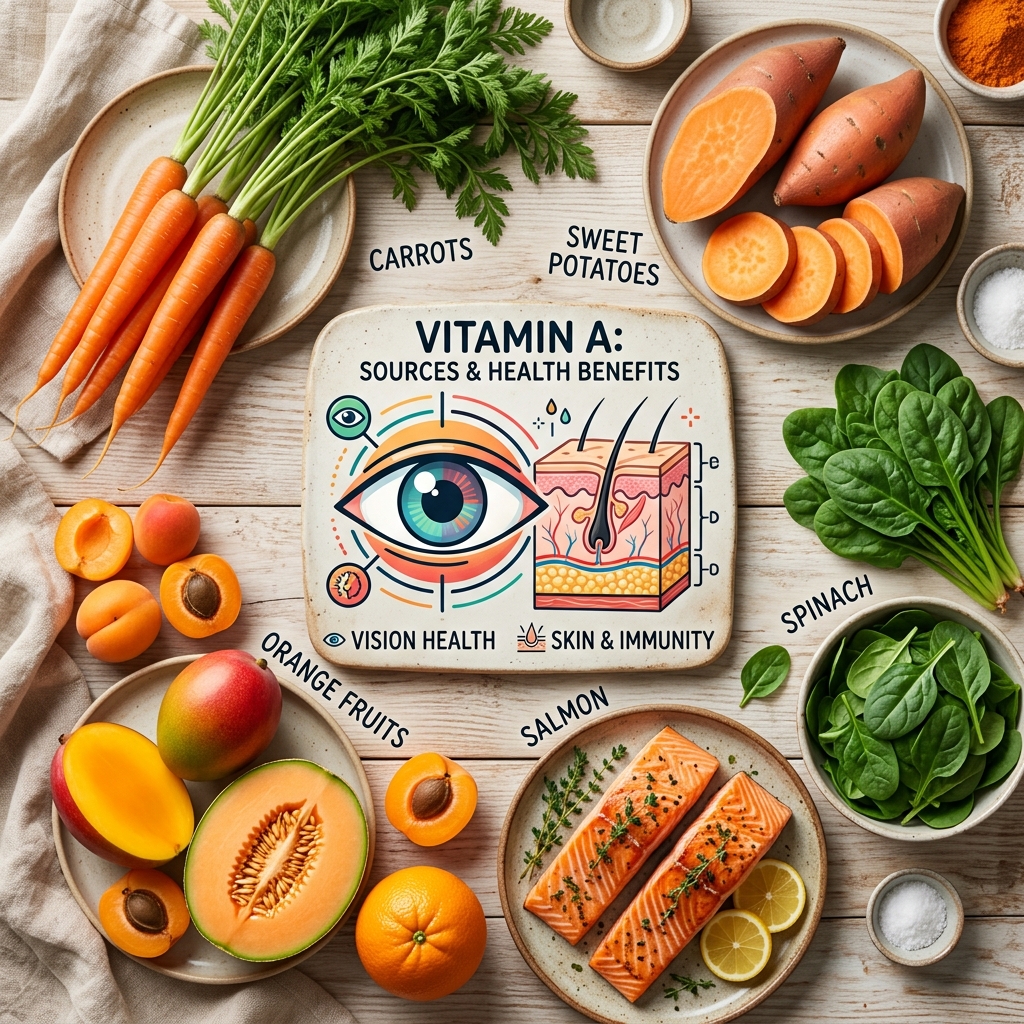
You can obtain Vitamin A through a variety of foods, categorized into two main types: animal sources (containing pre-formed retinol) and plant sources (containing beta-carotene).
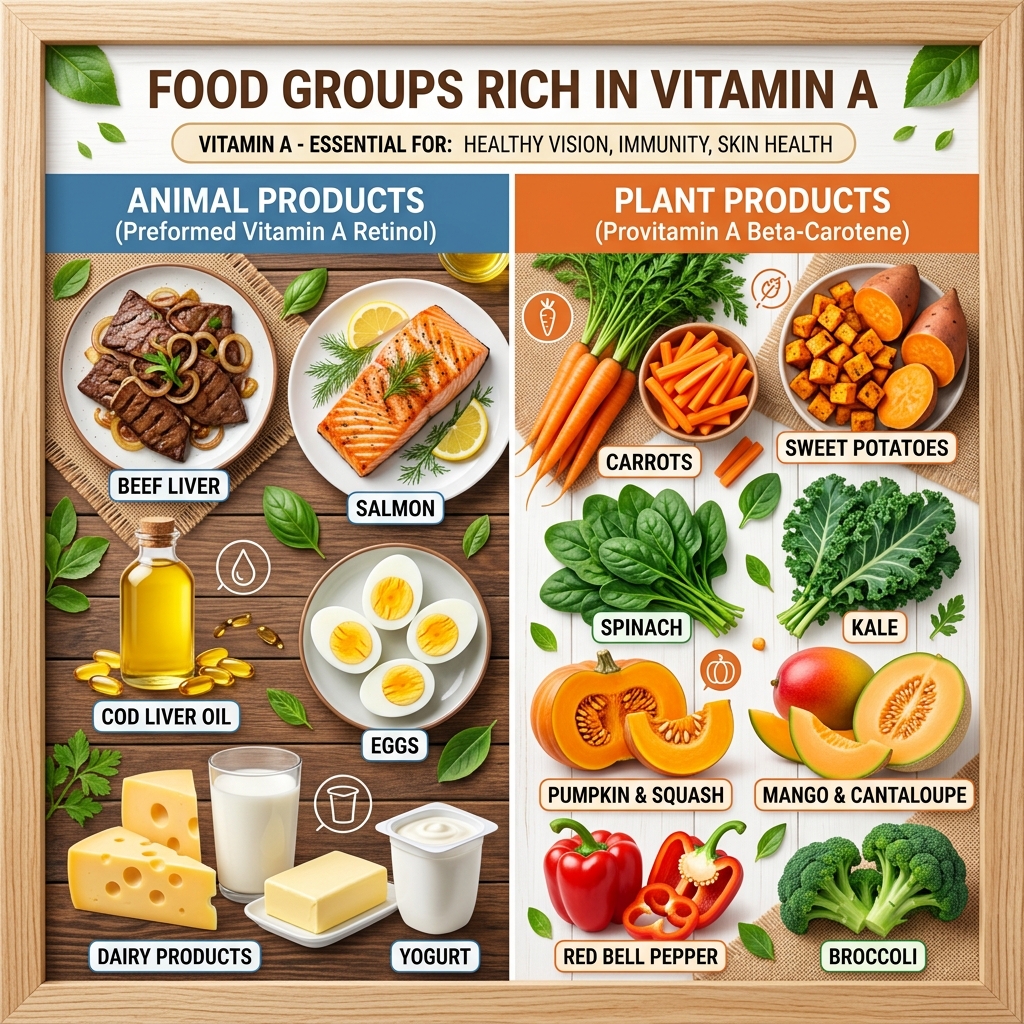
🥩 Animal Sources (Retinol)
These foods contain retinol, the most readily absorbed form of Vitamin A.
- Liver: Considered one of the richest sources, but due to its high cholesterol content, consumption should be moderated.
- Oily Fish: Salmon and tuna are excellent sources that also provide healthy omega-3 fatty acids.
- Dairy Products: Milk, cheese, and fortified dairy items contribute significant amounts.
- Eggs: The yolks contain a decent amount of Vitamin A.
🥕 Plant Sources (Beta-Carotene)
Plant foods do not contain retinol directly; instead, they provide beta-carotene, which your body must convert into Vitamin A. This conversion process is not always efficient, so variety is key.
- Orange and Yellow Produce: Carrots, sweet potatoes, pumpkins, mangoes, and cantaloupe are the most recognizable sources due to their high beta-carotene content.
- Dark Leafy Greens: Spinach, kale, and collard greens provide significant amounts of carotenes.
- Red Bell Peppers: These vibrant peppers are a surprisingly rich source of beta-carotene.
What Happens If I Have Vitamin A Deficiency?
A lack of Vitamin A can lead to several noticeable health issues because the body cannot maintain proper cell function and vision. The most common signs include:
- Night Blindness (Nyctalopia): This is often the earliest sign, characterized by difficulty seeing in dim light or at night.
- Dry Eyes and Skin: Deficiency impairs moisture production, leading to dry, scaly skin and uncomfortable eye irritation.
- Weakened Immunity: The immune system struggles to function optimally, making you more susceptible to frequent infections.
- Respiratory Issues: It can increase the risk of severe respiratory illnesses like pneumonia.
Can Too Much Vitamin A Be Harmful? (Toxicity)
Yes, because Vitamin A is fat-soluble, it can be stored in your body's tissues (especially the liver). Excessive intake—particularly from high doses of supplements or animal sources—can build up to toxic levels, a condition called hypervitaminosis A.
Symptoms of toxicity include:
- Gastrointestinal Distress: Nausea, vomiting, and stomach upset are common early signs.
- Neurological Symptoms: Dizziness, headaches, and blurred vision can occur.
- Skin Changes: Dryness, itching, or peeling skin.
- Severe Complications: In extreme cases, toxicity can lead to liver damage.
⚠️ Important Warning: If you suspect Vitamin A toxicity, immediately stop taking supplements and consult a healthcare professional. Never take high-dose supplements without medical advice.
How Much Vitamin A Do I Need Daily? (RDA)
The Recommended Dietary Allowance (RDA) varies based on age and life stage. These guidelines are general, so always discuss your needs with a registered dietitian or physician.
- Adult Men: Approximately 900 micrograms RAE
- Adult Women: Approximately 700 micrograms RAE
- Pregnant Women: Needs increase to support fetal development (consulting a doctor is essential).
Practical Tips for Optimal Vitamin A Intake
To ensure you get enough Vitamin A safely, focus on these actionable strategies:
- Prioritize Variety: Build meals that incorporate both deep green leafy vegetables and orange/yellow root vegetables.
- Cook Smartly: Cooking can actually help release the beta-carotene from plant sources, making it easier for your body to absorb.
- Moderate Animal Sources: Enjoy liver and oily fish in moderation due to their high nutrient density but also potential for excess intake.
- Consult Professionals: If you are planning to take supplements or managing a restrictive diet, always consult a healthcare provider first.
Summary & Next Steps
Vitamin A is an indispensable micronutrient that supports everything from clear vision to robust immunity. By focusing on a diverse, balanced diet rich in both plant-based beta-carotene and moderate animal sources, you can meet your body's needs naturally. Remember that moderation is key; always prioritize whole foods over excessive supplementation to maintain optimal health without risking toxicity.
Disclaimer: The information provided in this article is for general informational purposes only and is not intended as a substitute for professional medical advice, diagnosis, or treatment. Always seek the advice of your physician or other qualified health provider with any questions you may have regarding a medical condition or treatment.
Frequently Asked Questions
No. Beta-carotene is a precursor found in plants that your body must convert into active Vitamin A (retinol). While related, they are chemically different.
It is best to obtain Vitamin A through a balanced diet first. Supplements should only be taken under the guidance of a healthcare professional to prevent toxicity.