What Is Vitamin K, and Why Does It Matter for Your Body?
Vitamin K is a critical fat-soluble vitamin that acts as an unsung hero in your body's maintenance systems. Its primary roles are ensuring proper blood clotting when you get injured and helping to regulate the use of calcium to build and maintain strong bones. Without adequate Vitamin K, both processes can be compromised, leading to excessive bleeding or increased risk of bone fragility.
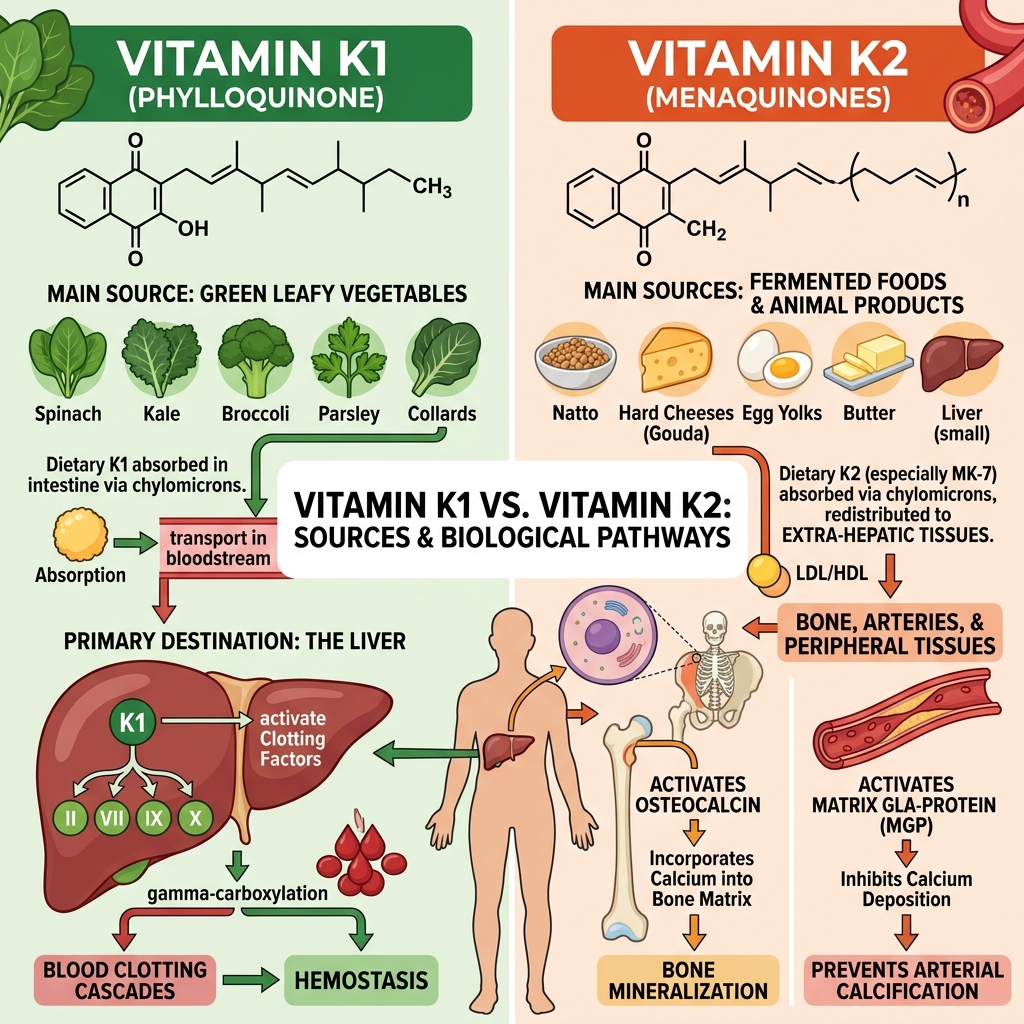
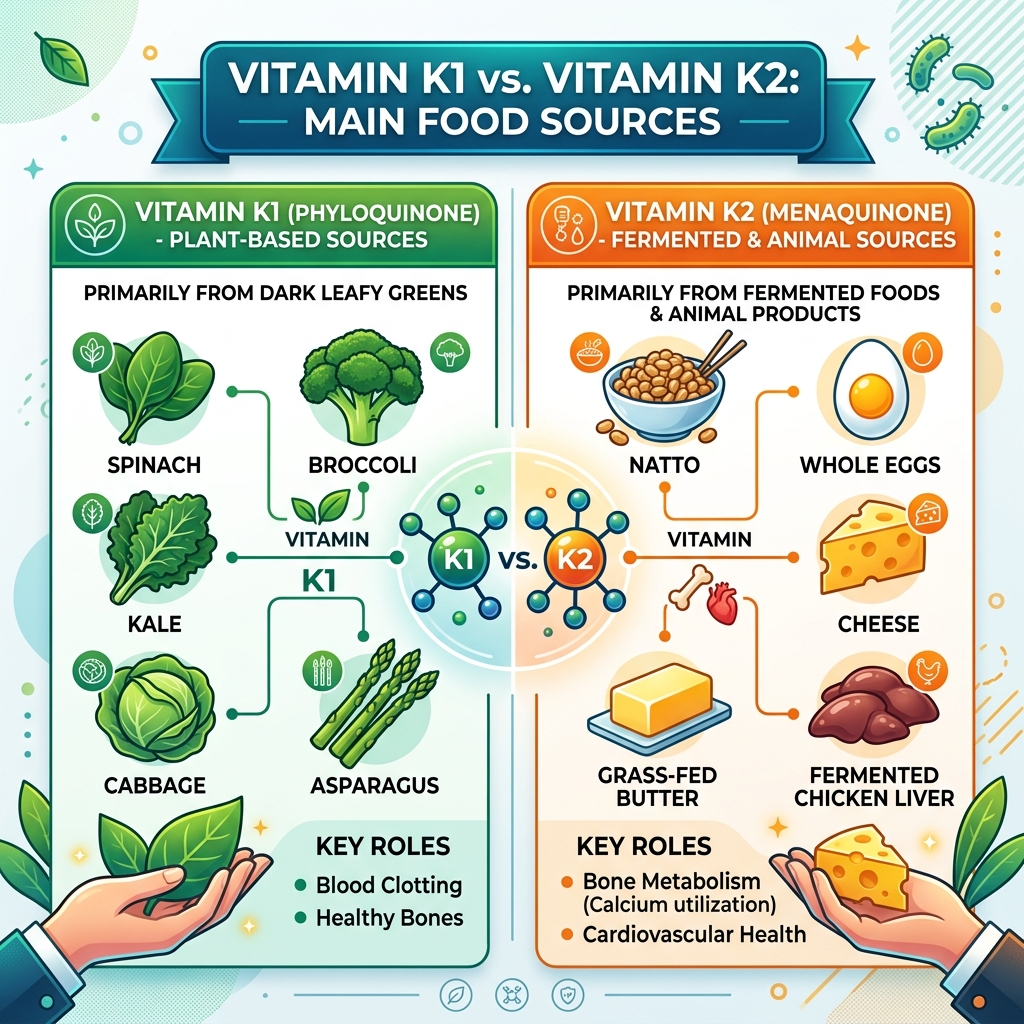
Vitamin K is not a single nutrient; it's actually a group of compounds, primarily divided into two types: Vitamin K1 (Phylloquinone) and Vitamin K2 (Menaquinone). Understanding these differences helps you know where to find the specific nutrients your body needs most.
How Does Vitamin K Work? The Two Major Functions
Vitamin K is essential because it helps activate specific proteins that perform two vital, yet distinct, functions: managing blood loss and building bone structure.
🩸 Function 1: Essential Blood Clotting
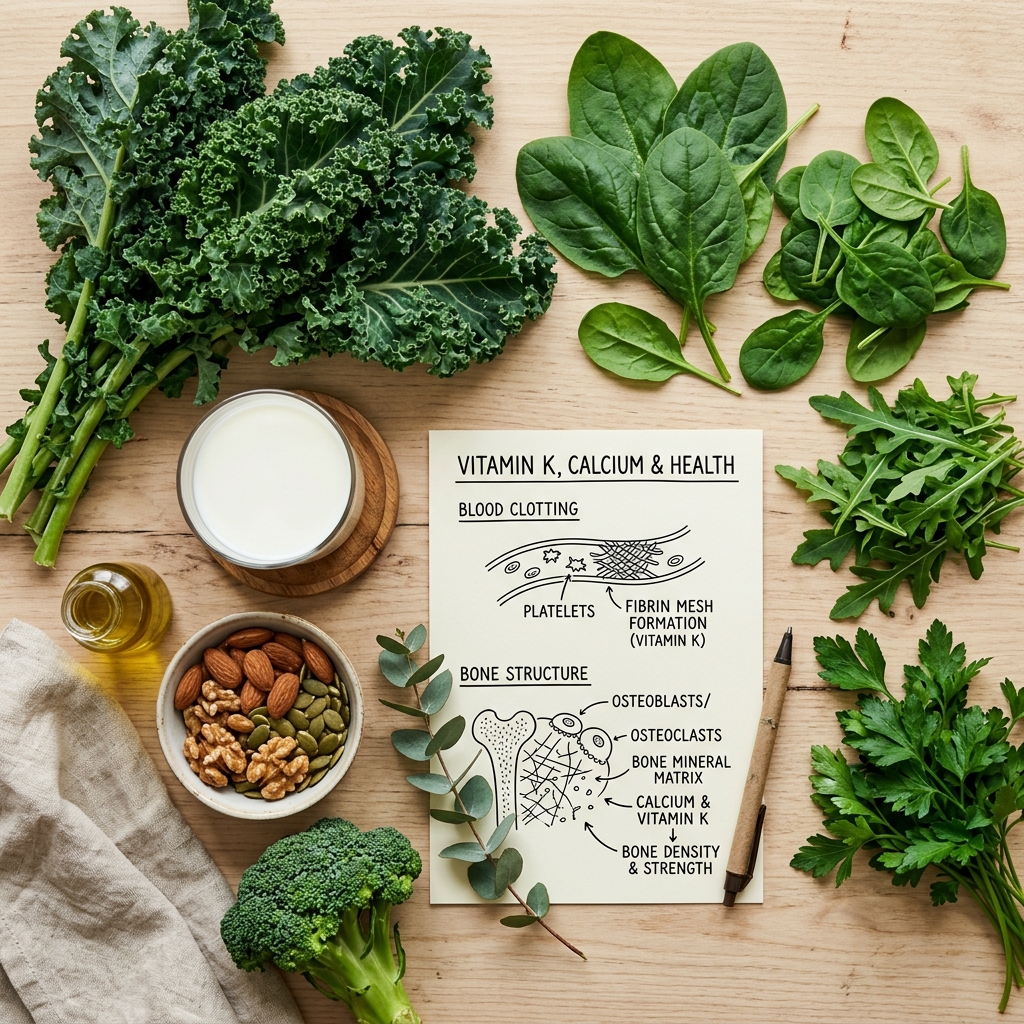
This is perhaps Vitamin K's most recognized role. When you cut your finger or scrape your knee, the immediate goal of your body is to stop the bleeding quickly. Vitamin K provides the necessary cofactors for your liver to produce proteins (like prothrombin) that are crucial components of the clotting cascade.
- What it does: It allows blood platelets and clotting factors to interact correctly, forming a stable clot that seals the wound.
- The risk without it: Insufficient Vitamin K can lead to prolonged bleeding from minor cuts or excessive bruising.
🦴 Function 2: Maintaining Bone Mineral Density
Vitamin K is vital for bone health because it helps regulate calcium metabolism. It facilitates the production of a protein called osteocalcin. Osteocalcin acts like a molecular guide, ensuring that calcium and other minerals are properly deposited into the bone matrix.
- What it does: It directs calcium to where it's needed—in your bones—preventing mineral buildup in soft tissues (like arteries).
- The risk without it: Low Vitamin K intake is linked to a higher risk of osteoporosis, making bones brittle and susceptible to fractures.
Where Do I Get My Daily Dose? Top Food Sources
Fortunately, the best way to get Vitamin K is through diet. The two main types (K1 and K2) come from different sources, so incorporating variety into your meals is key.
🥬 Best Sources of Vitamin K1 (Phylloquinone)
Vitamin K1 is predominantly found in plant-based foods, making green leafy vegetables your absolute best source.
- Kale: One of the most nutrient-dense greens; excellent for smoothies or sautéing.
- Spinach: A powerhouse containing high levels of Vitamin K and other antioxidants.
- Collard Greens & Mustard Greens: These robust greens are packed with nutrients and can be incorporated into stews or roasted.
- Broccoli & Brussels Sprouts: Cruciferous vegetables that offer a significant dose alongside fiber.
- Canola Oil & Soybean Oil: Some vegetable oils contain measurable amounts of Vitamin K1.
🧀 Best Sources of Vitamin K2 (Menaquinone)
Vitamin K2 is often associated with animal products and fermented foods, which are key for bone health support.
- Natto (Fermented Soybeans): This traditional Japanese food is one of the richest natural sources of K2.
- Hard Cheeses: Certain aged cheeses contain beneficial levels of Vitamin K2.
- Egg Yolks: A good, easily accessible source of K2.
- Grass-Fed Meat and Dairy: Animals that graze on grass tend to have higher concentrations of K2 in their products compared to those fed grain-based diets.
Who Is at Risk? Understanding Deficiency Symptoms
While deficiency is rare in well-nourished individuals, certain groups and conditions increase risk. Recognizing these signs can prompt a conversation with your healthcare provider.
⚠️ Signs of Low Vitamin K
The most common symptoms relate to bleeding issues:
- Easy Bruising: Spotting or bruising without obvious trauma.
- Excessive Bleeding: Nosebleeds that are difficult to stop, or heavy menstrual periods.
- Blood in Waste: Finding blood in your stool or urine (requires medical evaluation).
🩺 High-Risk Groups
- Newborns: Due to low initial stores, newborns often receive a Vitamin K shot at birth to prevent bleeding complications.
- Malabsorption Conditions: Individuals with conditions like Crohn's disease or celiac disease may struggle to absorb nutrients effectively.
- Liver Disease: Since the liver is central to processing and storing Vitamin K, compromised liver function can lead to deficiency.
💊 Managing Vitamin K: Supplements and Medications
If you are considering supplements or managing a chronic condition, always consult your doctor first. The interaction between Vitamin K and certain medications is critical.
🩸 Vitamin K and Blood Thinners (Warfarin)
This is the most important consideration. Warfarin is an anticoagulant that works by interfering with Vitamin K's ability to activate clotting factors.
- The Rule: If you take warfarin, your goal is not to eliminate Vitamin K, but rather to maintain a consistent daily intake.
- Why consistency matters: Sudden, large changes in Vitamin K consumption (e.g., eating a massive salad one day and none the next) can drastically alter how well the blood thinner works, increasing the risk of clotting or bleeding.
💊 Should I Take Supplements?
For most healthy adults with a balanced diet, supplements are unnecessary. However, they may be recommended if:
- You have diagnosed malabsorption issues.
- Your doctor has confirmed a deficiency through testing.
- You are undergoing specific medical treatments that require supplementation.
Remember: Vitamin K2 is sometimes studied for its bone-strengthening properties, but the optimal dosage and form must be determined by a qualified healthcare professional.
Summary & Actionable Takeaways
Vitamin K is far more than just an anti-bleeding agent; it's a foundational nutrient supporting both your cardiovascular system (clotting) and skeletal structure (bone density). By focusing on dietary diversity, you can ensure optimal intake of both K1 and K2.
To optimize your Vitamin K intake:
- Load up the Greens: Make green leafy vegetables—especially kale and spinach—a daily staple in smoothies or salads.
- Incorporate Fermented Foods: Try incorporating natto or hard cheeses into your diet for a boost of K2.
- Maintain Consistency: If you are on blood thinners, keep your Vitamin K intake stable day-to-day.
By making these simple dietary adjustments, you can support your body's natural ability to clot safely and build strong bones over time.
Disclaimer: The information provided in this article is for general informational purposes only and is not intended as a substitute for professional medical advice, diagnosis, or treatment. Always seek the advice of your physician or other qualified health provider with any questions you may have regarding a medical condition or treatment.
Frequently Asked Questions
Yes, it is crucial. If you are taking medications like warfarin, maintaining a consistent daily intake of Vitamin K (from food) is essential and requires consultation with your doctor.