What Do Vitamins Actually Do? Separating Fact from Fiction in Supplement Research
When you encounter vitamins on store shelves or hear about them in advertising, it's easy to feel overwhelmed by conflicting claims. The core truth is that vitamins are essential organic compounds—nutrients our bodies cannot produce sufficiently on their own. They play vital roles in energy production, immune function, and cellular repair.
However, the scientific evidence regarding whether extra vitamins (supplements) can prevent disease or boost health for healthy people remains complex. This guide critically examines the latest research to help you understand which nutrients are genuinely beneficial and where the hype begins.
Why Is Vitamin Research So Confusing?
The confusion stems from a few factors:
- Correlation vs. Causation: Just because two things (e.g., taking Vitamin D and having fewer infections) are observed together doesn't mean one causes the other.
- Study Design: Many studies are observational, meaning they only track what people already do, rather than controlling variables in a randomized trial (the gold standard).
- Dosage: The difference between adequate intake and toxic overdose is significant for fat-soluble vitamins.
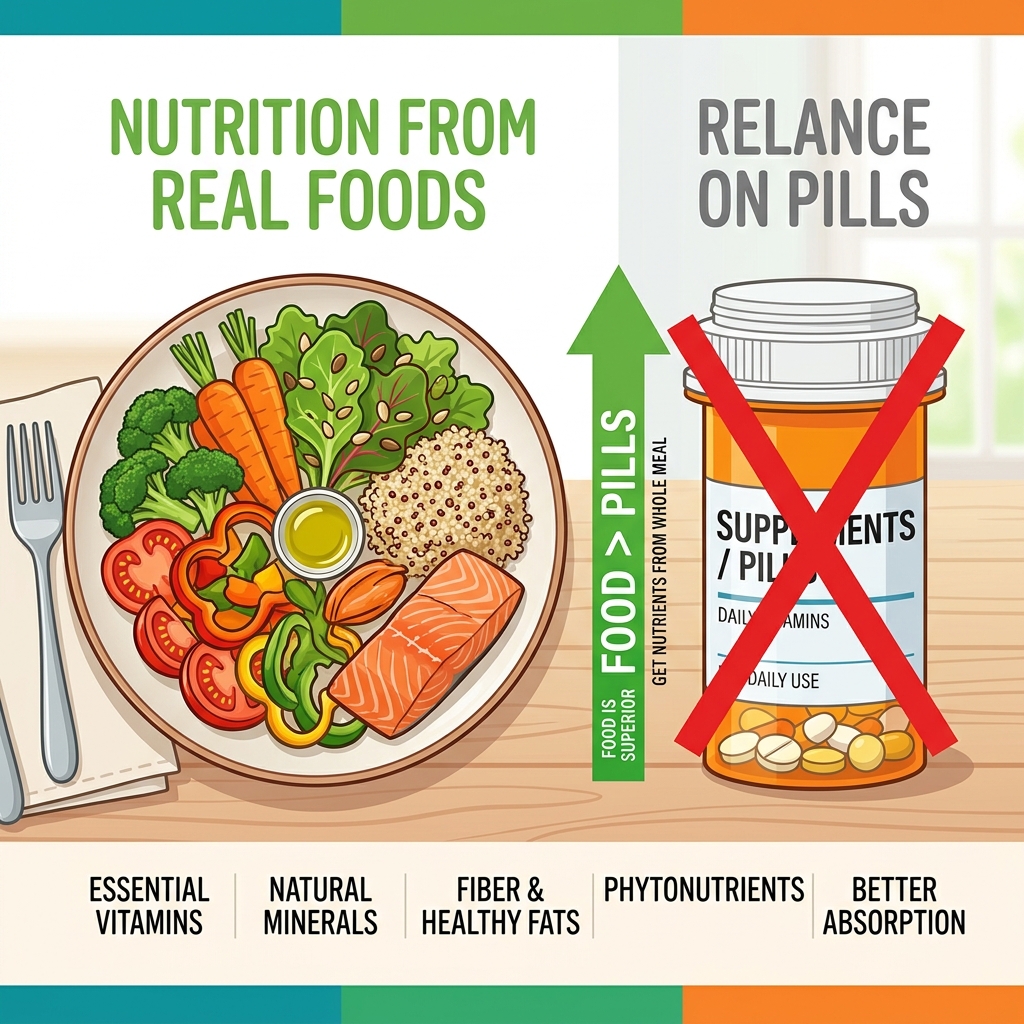
Key Takeaway: The foundation of good health always remains a balanced diet, not supplements.
Vitamin D: More Than Just Bone Health?
Vitamin D's primary role is facilitating calcium absorption, which is critical for maintaining strong bones and teeth. Deficiency is common, especially in people with limited sun exposure or darker skin tones.
The Evidence on Vitamin D
- Bone Strength: Meta-analyses confirm that supplementation can significantly improve bone density in individuals who are clinically deficient.
- Immune Function: Emerging research suggests sufficient levels may support immune response and reduce the risk of certain respiratory infections, though this area requires more definitive study.
⚠️ The Critical Caveats
- Toxicity Risk: Vitamin D is fat-soluble, meaning excess amounts accumulate in the body. Taking massive doses without medical supervision can lead to hypercalcemia (excess calcium), causing nausea and kidney issues.
- No Magic Bullet: High doses do not guarantee protection against all diseases, including heart disease or cancer. Large randomized controlled trials have often failed to show a significant link between supplementation and reduced risk of major chronic illnesses in healthy adults.
Actionable Tip: Focus on maintaining optimal levels, rather than chasing the highest possible dose. Always test your blood levels before starting high-dose supplements.
Vitamin C: The Antioxidant Powerhouse (And Cold Cure?)
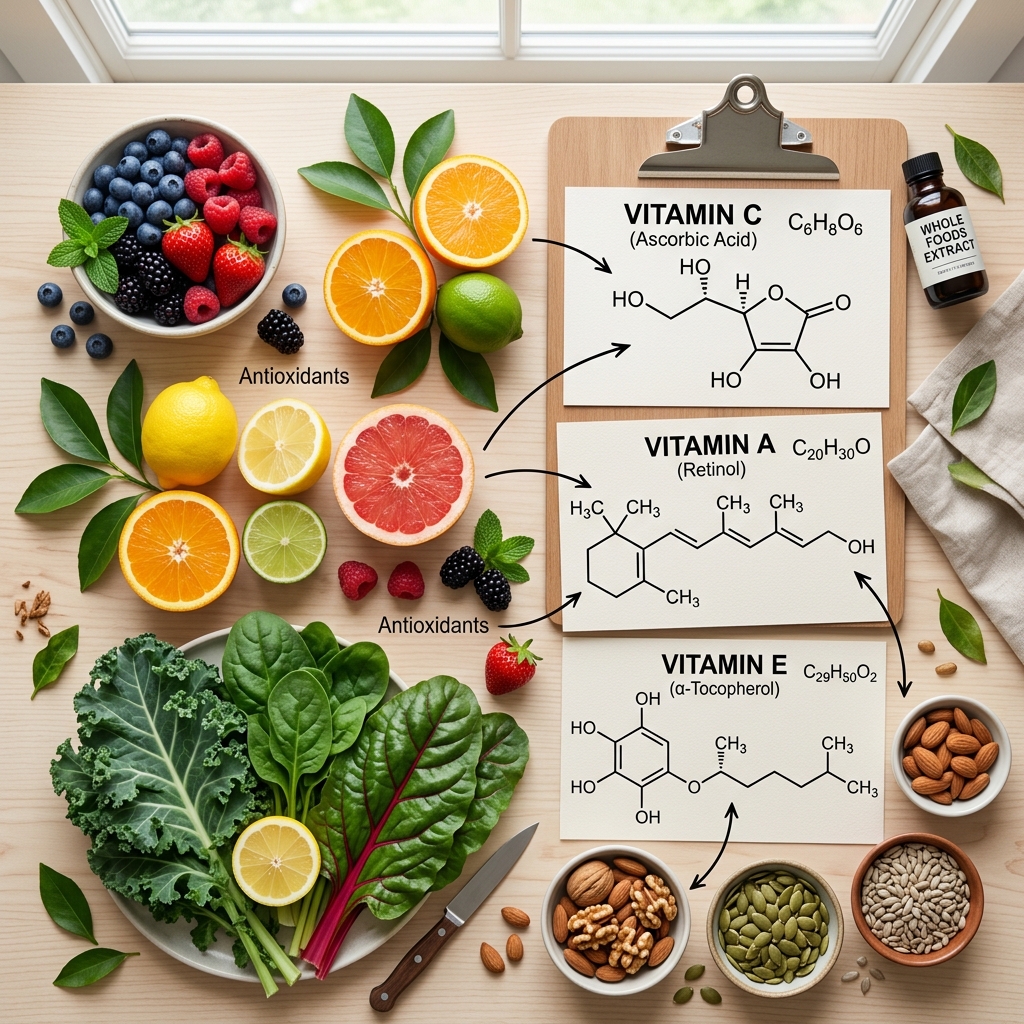
Vitamin C is a powerful antioxidant and an essential cofactor for collagen production. This makes it vital for healthy skin, connective tissues, and wound healing.
What Does the Science Say?
- Immune Support: It plays a supportive role in immune function. However, its ability to prevent colds entirely remains unproven.
- Antioxidant Role: Vitamin C helps neutralize free radicals—unstable molecules that contribute to cell damage over time.
🛑 The Limitations of Supplementation
- Cold Prevention: Major reviews (like those from the Cochrane Library) have concluded that regular supplementation does not significantly reduce the incidence of colds in the general population.
- Absorption: The body is not highly efficient at absorbing Vitamin C, especially when taken in massive doses; excess amounts are simply flushed out through urine.
Best Source Strategy: Instead of relying on pills, maximize intake by eating a diverse range of citrus fruits, berries, and peppers. These foods provide Vitamin C alongside other beneficial compounds that work synergistically.
Multivitamins: A Nutritional Safety Net or an Expensive Habit?
Multivitamins are marketed as a convenient way to cover nutritional gaps. They can be genuinely helpful for specific groups of people.
Who Might Benefit from Supplements?
- Dietary Restrictions: Individuals with malabsorption issues (like Celiac disease) or those following highly restrictive diets may need targeted supplementation.
- Specific Life Stages: Pregnant women often require prenatal vitamins to ensure adequate folate and other critical nutrients.
- Older Adults: Those with reduced appetite or difficulty consuming varied meals might benefit from a general multivitamin, but this must be discussed with a healthcare provider.
❌ Why They Are Not a Replacement for Food
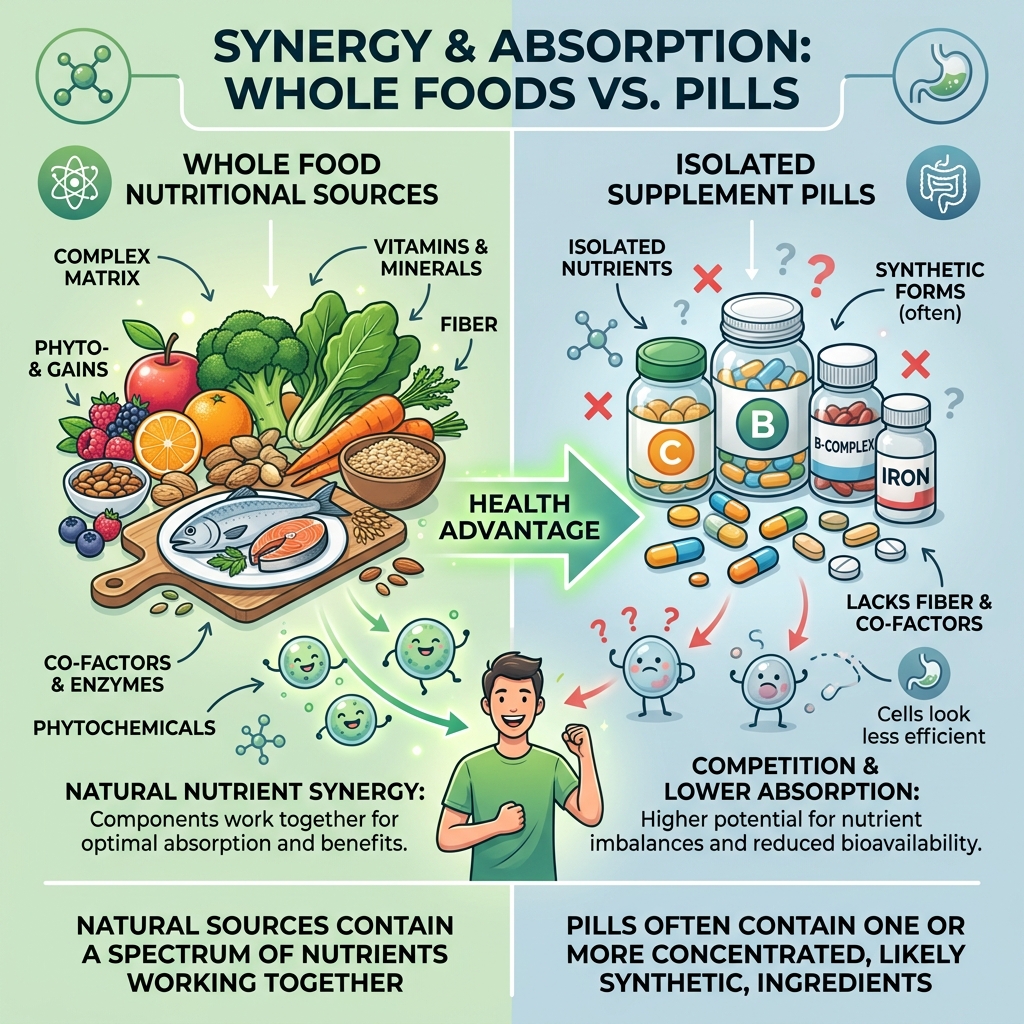
Multivitamins are not a substitute for whole foods because they lack:
- Fiber: Essential for gut health and digestive regularity.
- Phytochemicals: The complex, beneficial compounds found in colorful plants that work together (synergistically).
- Whole-Food Benefits: They cannot replicate the full spectrum of nutrients provided by a diverse diet.
Understanding Antioxidants and Omega-3s
The Antioxidant Paradox
Antioxidants (like Vitamin E) are crucial for protecting cells from damage. However, the science shows that more isn't always better. High doses of supplemental antioxidants can sometimes interfere with natural bodily processes or even interact negatively with certain medical treatments (like chemotherapy).
The Rule: Get your antioxidants primarily from a wide variety of colorful fruits and vegetables.
Omega-3 Fatty Acids: The Essential Fats
Omega-3s (EPA and DHA) are vital for brain, heart, and anti-inflammatory health.
- Best Source: Fatty fish (salmon, mackerel, sardines) remains the gold standard.
- Supplement Caution: If supplementing, choose high-quality brands that provide third-party testing results to ensure accurate dosing and purity.
Key Considerations: How to Evaluate Health Claims
When you read about a new supplement or vitamin benefit, adopt a critical mindset by asking these questions:
- What is the Study Design? Look for Randomized Controlled Trials (RCTs)—these provide the highest level of evidence.
- Who Was Studied? Are the participants similar to you in age, health status, and lifestyle? Results may not be generalizable.
- What is the Funding Source? Be wary if the research is funded by a company that sells the supplement being studied (potential bias).
- Is it Consensus-Driven? Does the finding appear across multiple reputable journals (like The Lancet or NEJM) or is it isolated to one study?
Summary: The Path to Optimal Health
Vitamins and supplements are powerful tools, but they should be viewed as complementary aids, not primary solutions.
To achieve optimal health, focus on these three pillars:
- Nutrition: Build a foundation with a diverse diet rich in whole foods (fruits, vegetables, lean proteins).
- Lifestyle: Prioritize adequate sleep, regular physical activity, and stress management.
- Consultation: Always discuss your supplement regimen—including dosage and timing—with a Registered Dietitian or physician.
Disclaimer: This article is for informational purposes only and does not constitute medical advice. Never disregard professional medical guidance.
Frequently Asked Questions
Should I take multivitamins if I eat well?
If you maintain a balanced diet rich in diverse whole foods, multivitamins are usually unnecessary. Consult your doctor to check for specific deficiencies.
Is Vitamin D only found in sunlight?
While sun exposure is key, dietary sources (like fortified milk) and supplements can help maintain adequate levels, especially during winter months or if you have limited sun exposure.
Sources
Medical Disclaimer: The information in this article is for educational purposes only and does not constitute medical advice. Always consult a qualified healthcare provider before making changes to your diet, exercise routine, or health regimen.