What Vitamins Do You Need to Boost Your Energy Levels?
Feeling constantly fatigued is common, but it often signals a nutritional gap. Simply put, vitamins and minerals are not energy sources themselves; rather, they act as essential cofactors—the "spark plugs"—that allow your body's metabolic processes to efficiently convert the food you eat (carbohydrates, fats, proteins) into usable ATP energy. Deficiencies in key nutrients can cause metabolism to sputter, leading to persistent tiredness and low vitality.
How Does Energy Metabolism Work?
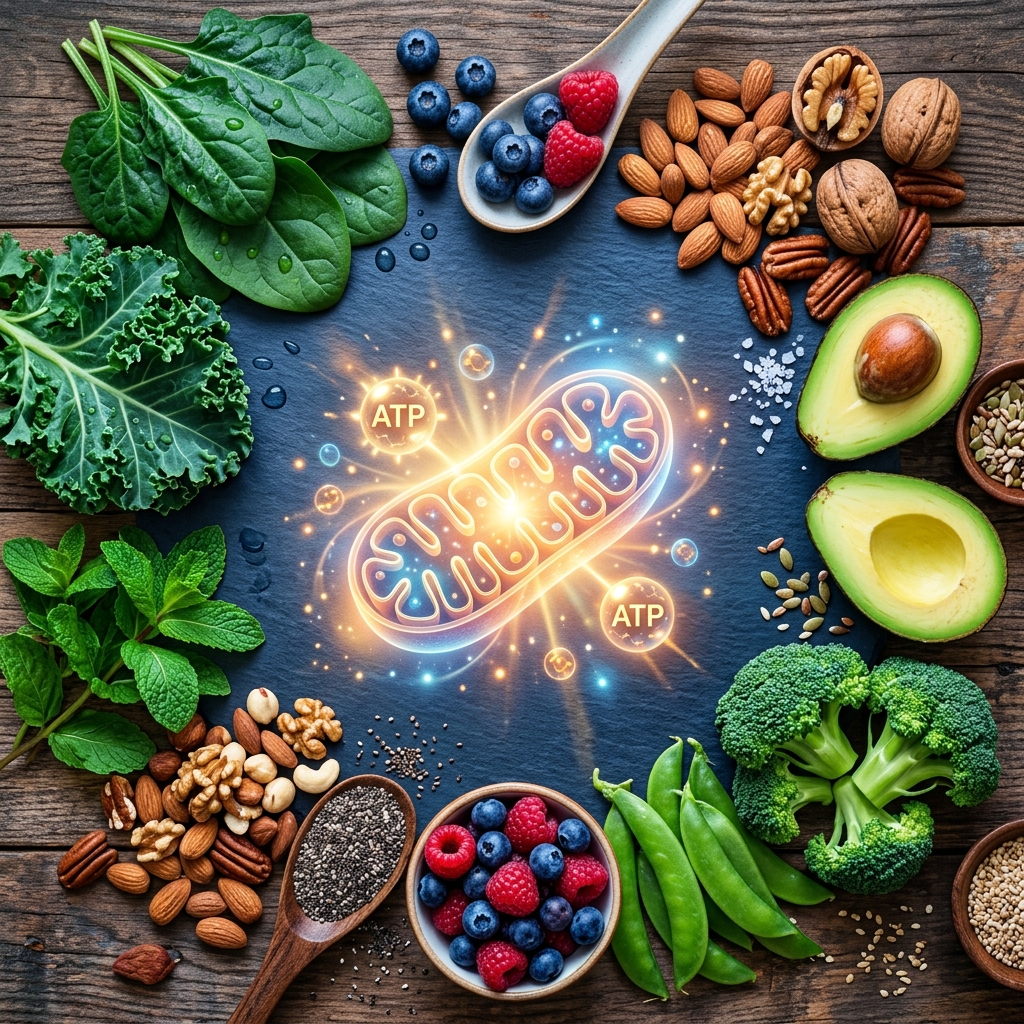
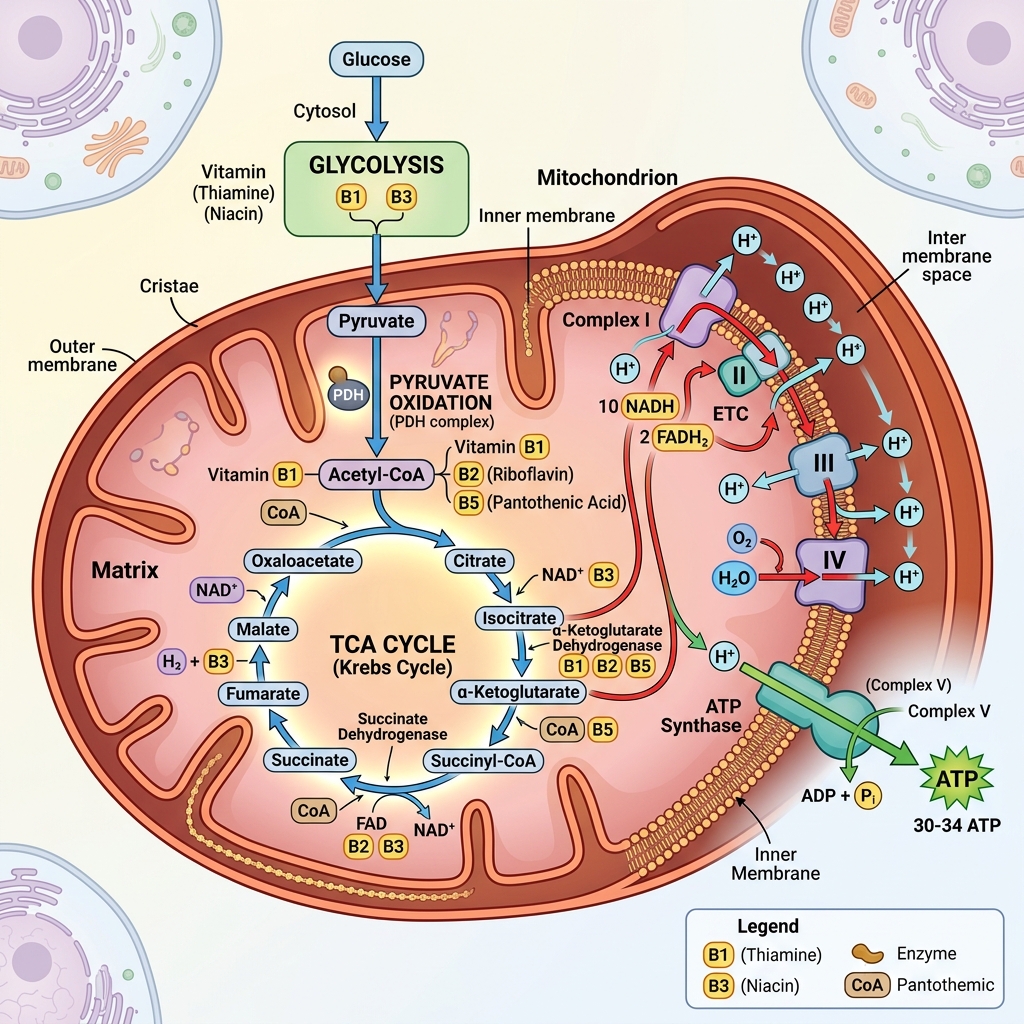
To understand why vitamins matter, it helps to know what happens inside your cells. Your body's primary powerhouses are the mitochondria. These organelles perform cellular respiration—the complex process of turning food into energy (ATP). This entire chain reaction requires a precise assembly line of enzymes, and many of those enzymes require specific vitamins and minerals to function correctly.
The B Vitamin Complex: Fueling the Engine
The eight B vitamins are perhaps the most critical group for energy because they participate in nearly every major metabolic pathway. They work synergistically—meaning one vitamin often requires another to perform its job—to ensure smooth energy flow.
- B1 (Thiamin): Crucial for converting carbohydrates into usable glucose, providing immediate fuel.
- B2 (Riboflavin): Supports the conversion of food into energy and acts as a powerful antioxidant, protecting cells from metabolic damage.
- B3 (Niacin): Essential component of coenzymes NAD and NADP, which are vital for DNA repair and hundreds of energy-producing reactions.
- B5 (Pantothenic Acid): Necessary for synthesizing Coenzyme A (CoA), a molecule central to the Krebs cycle (the core energy pathway).
- B6 (Pyridoxine): Helps metabolize proteins, carbohydrates, and fats, while also supporting neurotransmitter production.
- B7 (Biotin): Involved in metabolic reactions that help break down fatty acids and sugars for energy.
- B9 (Folate/Folic Acid): Critical for cell division and the formation of healthy red blood cells, which carry oxygen to every tissue.
- B12 (Cobalamin): Absolutely vital for nerve function and red blood cell maturation. Because it is primarily found in animal products, vegans and vegetarians must pay special attention to B12 intake.
Beyond the Basics: Key Minerals for Energy
While the B complex is foundational, several other nutrients play specialized and vital roles in maintaining peak energy.
Iron: The Oxygen Carrier
Iron is critical because it forms part of hemoglobin, the protein responsible for carrying oxygen from your lungs to every cell in your body. Low iron levels lead to anemia, which starves tissues of necessary oxygen, resulting in profound fatigue and weakness.
- Best Sources: Red meat (heme iron, highly absorbable), lentils, beans, spinach (non-heme iron).
- Absorption Tip: To maximize absorption of non-heme iron from plants, always pair it with a source of Vitamin C.
Vitamin D: The Metabolic Regulator
Often called the "sunshine vitamin," Vitamin D does more than just support bone health. It plays an emerging role in regulating immune function and has been linked to maintaining healthy energy levels. Low levels are common, especially during winter months or for those with limited sun exposure.
- Best Sources: Sunlight exposure (safely!), fatty fish, fortified dairy/foods.
- Action Step: Discuss blood testing with your doctor to determine if supplementation is necessary.
Magnesium: The Cellular Cofactor
Magnesium is involved in over 300 enzymatic reactions. Its role in energy production is paramount because it helps regulate ATP (adenosine triphosphate), the body's primary energy currency. It also plays a key part in muscle and nerve function, helping prevent cramps and promoting relaxation.
- Best Sources: Dark leafy greens (spinach), nuts (almonds), seeds (pumpkin), whole grains.
- Tip: Incorporating magnesium-rich foods into your diet is an effective way to support both energy and muscle recovery.
Coenzyme Q10 (CoQ10): The Mitochondrial Protector
CoQ10 is a powerful antioxidant that operates directly within the mitochondria, supporting the final step of ATP production. Because its levels naturally decline with age, it is often recommended for individuals concerned about cellular energy or those taking certain medications (like statins).
- Best Sources: Meat, fish, whole grains.
- Note: Always consult a healthcare provider before starting CoQ10 supplements to ensure appropriate dosing and safety.
What Lifestyle Habits Support Energy?
No amount of supplementation can overcome poor lifestyle habits. True energy optimization requires addressing the root causes of fatigue: stress, sleep deprivation, and poor nutrition.
😴 Prioritize Quality Sleep
Aim for 7–9 hours of consistent, quality sleep per night. During deep sleep cycles, your body performs crucial metabolic cleanup and restores neurotransmitters, directly impacting daytime energy levels.
💪 Move Your Body Daily
Regular exercise is not just about burning calories; it improves mitochondrial efficiency and helps regulate blood sugar. Even a brisk 30-minute walk can significantly boost circulation and mood.
🥗 Fuel with Nutrient Density
Focus on whole foods that provide sustained energy rather than quick spikes. This means:
- Complex Carbohydrates: Whole grains, quinoa, brown rice (slow-releasing fuel).
- Lean Protein: Fish, beans, lentils (muscle repair and satiety).
- Healthy Fats: Avocados, nuts, olive oil (sustained energy and brain health).
🧘 Manage Stress Effectively
Chronic stress keeps your body in a constant "fight or flight" state, which rapidly depletes vital nutrients. Incorporate daily practices like meditation, deep breathing, or gentle yoga to regulate the nervous system and conserve energy.
When Should You Consider Supplements?
Supplements are powerful tools, but they should be viewed as targeted support, not a replacement for diet. Consult a healthcare professional if you experience:
- Symptoms of Deficiency: Persistent fatigue, unexplained muscle weakness, or hair loss.
- Dietary Restrictions: Vegetarians and vegans often require supplementation for Vitamin B12 and sometimes Iron/D.
- Specific Medical Conditions: Certain gut issues or malabsorption syndromes may prevent the body from absorbing nutrients effectively.
Disclaimer: This information is educational and does not constitute medical advice. Always discuss potential deficiencies, supplement use, and dosage with your physician or a registered dietitian.
Summary & Next Steps
Optimizing energy is a holistic process that requires attention to diet, sleep, stress management, and targeted nutrition. By ensuring adequate intake of B vitamins, Iron, Vitamin D, and Magnesium—while maintaining healthy habits—you can support your body's natural metabolic processes and feel more vibrant every day. Start by making small, sustainable changes in your diet and routine today!
Frequently Asked Questions
Can supplements replace a healthy diet?
Supplements are best used to correct diagnosed deficiencies or fill specific gaps. They should always complement, not replace, a balanced, whole-food diet.
Sources
Medical Disclaimer: The information in this article is for educational purposes only and does not constitute medical advice. Always consult a qualified healthcare provider before making changes to your diet, exercise routine, or health regimen.