📥 Download the Full Guide
18 Pages | PDF Format | Size: 1.8 MB
What is Mindfulness?
Mindfulness is simply the practice of anchoring your attention in the present moment, without judgment. Most of our anxiety resides in anticipating the future, and most of our regret resides in replaying the past. By training yourself to sit with the present, you build psychological resilience.
A Basic 5-Minute Meditation Protocol
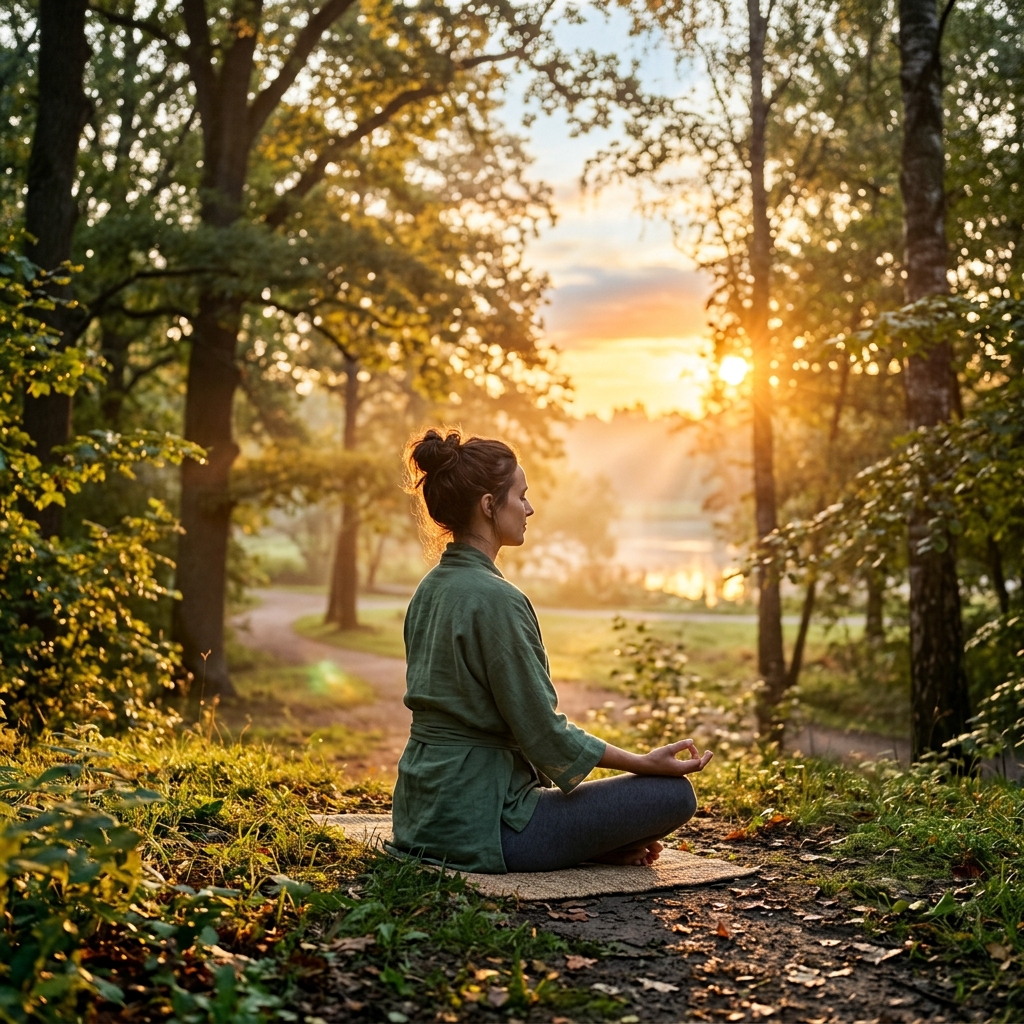
You do not need to sit in a lotus position or burn incense to meditate. Follow this simple process:
- Find a comfortable posture: Sit upright in a chair or on a cushion. Keep your back straight but not rigid.
- Close your eyes: Or maintain a soft gaze on the floor a few feet in front of you.
- Anchor on your breath: Notice the sensation of breathing—the cool air in your nostrils, the rising and falling of your chest, or the expansion of your belly.
- Observe when your mind wanders: This is the most important step. Your mind will wander. When you catch it drifting, do not criticize yourself. Simply note the thought and gently bring your attention back to the breath.
- Set a timer: Start with 5 minutes daily and gradually build to 10 or 20 minutes.
The Scientific Benefits
Neuroimaging studies show that consistent meditation can:
- Shrink the amygdala: The brain's threat-detection center, leading to less emotional reactivity.
- Thicken the prefrontal cortex: The area responsible for executive function, focus, and decision making.
- Decrease activity in the Default Mode Network (DMN): The network active when the mind is wandering or ruminating.