Inflammation is a hot topic in health and wellness circles. While acute inflammation is a healthy, natural response to injury or infection, chronic, low-grade inflammation is a silent driver of cardiovascular disease, type 2 diabetes, and joint degradation.
Understanding Chronic Inflammation
Systemic inflammation occurs when the immune system gets locked in an active state, releasing pro-inflammatory cytokines throughout the body. Diet plays a pivotal role in either triggering or calming this process. Ultra-processed foods, refined sugars, and excess trans fats stimulate inflammatory pathways, while whole, nutrient-dense foods mitigate them.
Top Anti-Inflammatory Foods to Add to Your Diet
To actively combat systemic inflammation, prioritize the following categories:
1. Berries (Blueberries, Strawberries, Raspberries)
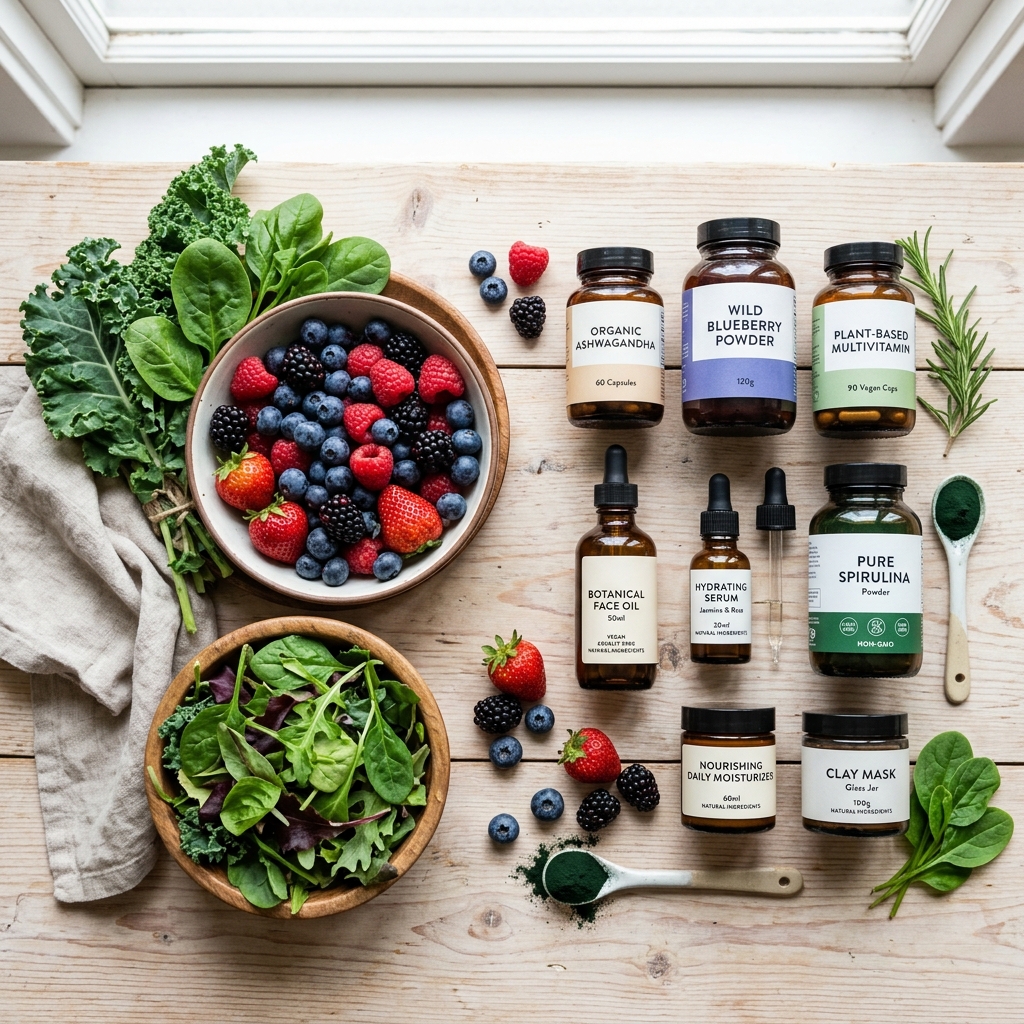
Berries are packed with anthocyanins—antioxidants that give them their vibrant color. These compounds have been shown to boost natural killer (NK) cells and reduce inflammatory markers.
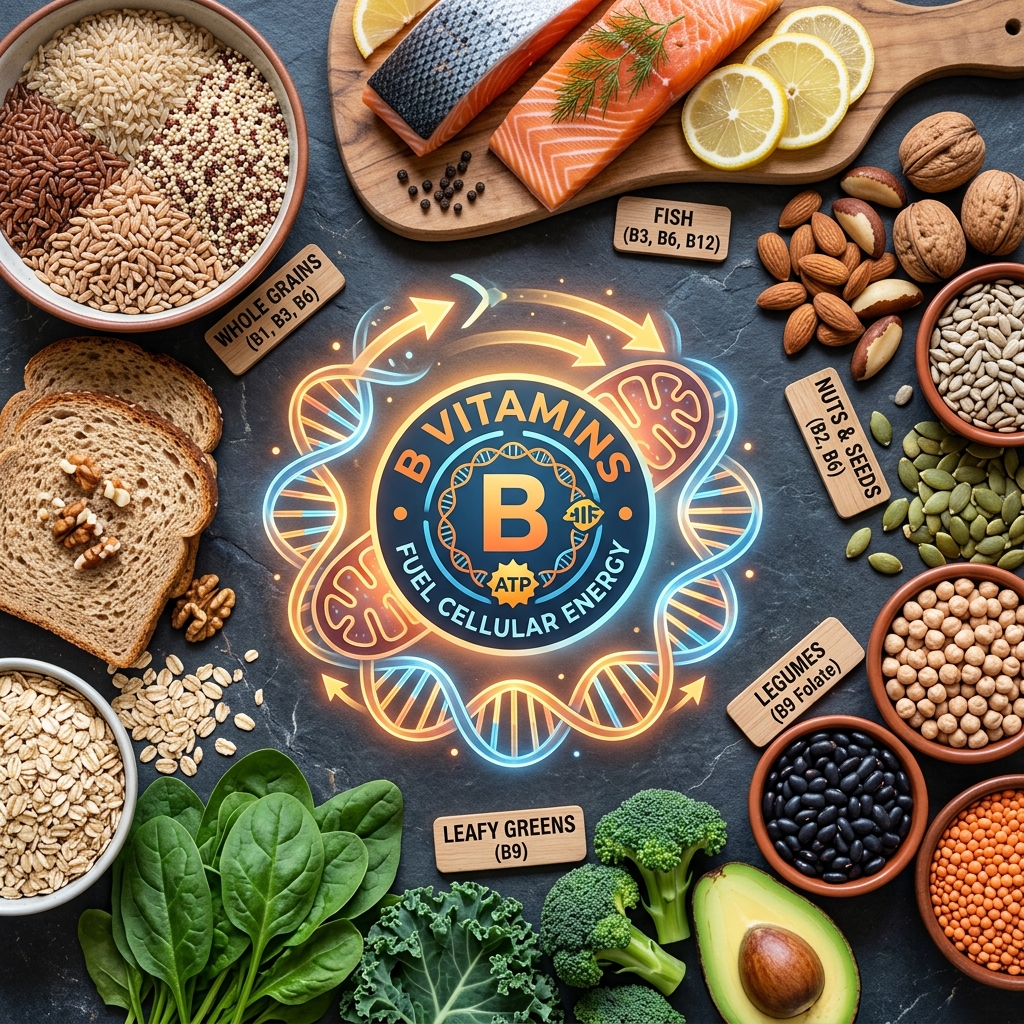
2. Fatty Fish (Salmon, Mackerel, Sardines)
Rich in the long-chain omega-3 fatty acids EPA and DHA, fatty fish help reduce the production of inflammatory eicosanoids and cytokines.
3. Leafy Greens (Spinach, Kale, Swiss Chard)
Leafy greens contain high levels of vitamins A, C, and K, as well as polyphenols that protect cells against oxidative stress.
4. Extra Virgin Olive Oil (EVOO)
A cornerstone of the Mediterranean diet, EVOO contains oleocanthal, an antioxidant that has been compared to ibuprofen for its anti-inflammatory effects.
| Food Category | Key Compound | Primary Benefit |
|---|---|---|
| Fatty Fish | EPA & DHA (Omega-3) | Blocks inflammatory signaling pathways |
| Berries | Anthocyanins | Increases antioxidant capacity |
| Olive Oil | Oleocanthal | Inhibits COX-1 and COX-2 enzymes |
| Turmeric | Curcumin | Downregulates NF-kB molecule |
Simple Ways to Build an Anti-Inflammatory Plate
Calming inflammation doesn't require a restrictive diet. Follow these simple principles:
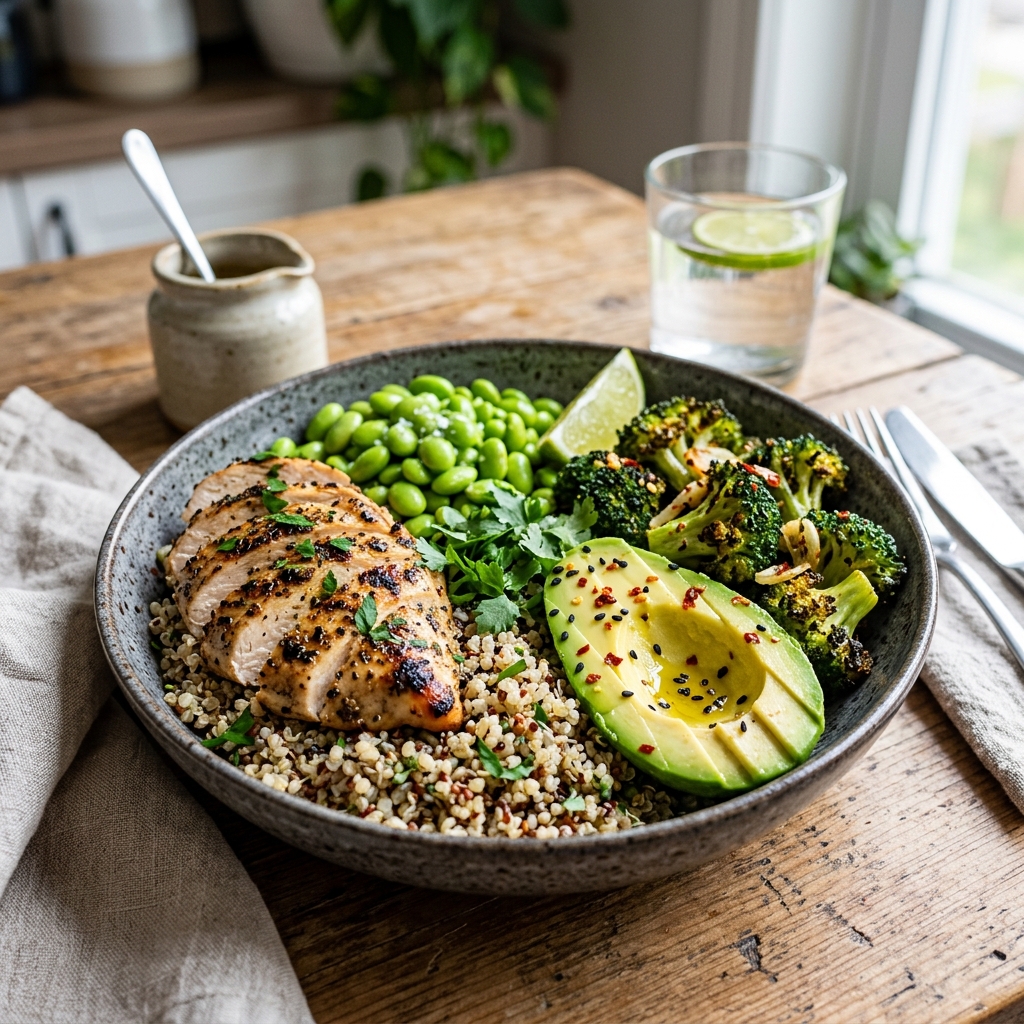
- Fill half your plate with color: Aim for 3-4 different colored vegetables or fruits at each meal.
- Swap refined grains for whole grains: Choose quinoa, brown rice, or oats instead of white bread or pasta.
- Incorporate healthy fats: Use extra virgin olive oil as your primary cooking oil and snack on a handful of walnuts or almonds daily.
Frequently Asked Questions
Unlike acute inflammation which helps your body heal from injury, chronic inflammation is a slow, systemic response that persists over time, damaging healthy tissues and organs.
Yes, research consistently shows that a diet rich in polyphenols, omega-3 fatty acids, and antioxidants can reduce systemic inflammatory markers like C-reactive protein (CRP).