Getting fit outdoors requires more than just good intentions; it demands proper preparation and the right equipment. The most crucial gear isn't a single item, but rather understanding how to layer clothing for variable weather, selecting footwear suited to your terrain, and prioritizing safety measures like hydration and sun protection. Following these guidelines ensures you can maximize performance while minimizing risk on any trail or path.
Why is Proper Layering Essential for Outdoor Fitness?
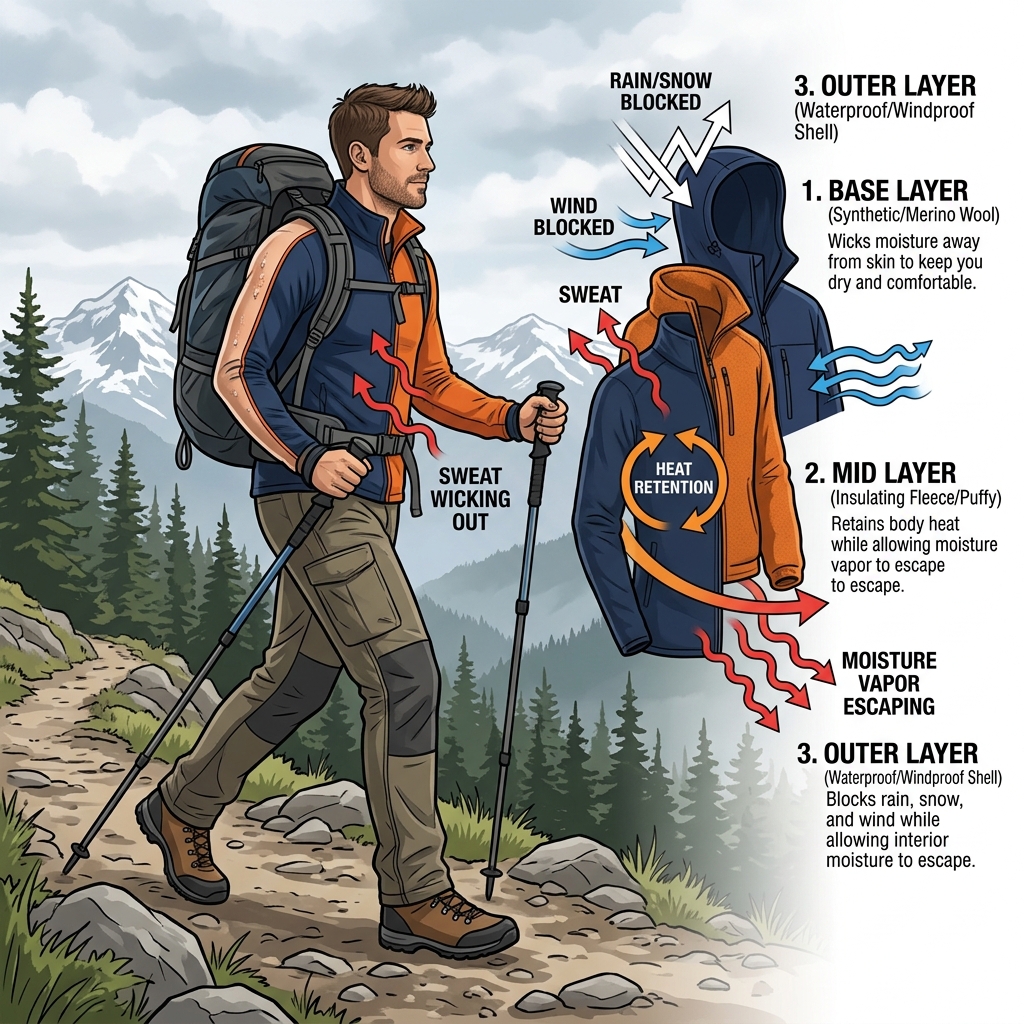
Outdoor environments are unpredictable—temperatures can drop rapidly, and the weather can shift from sunny to rainy in minutes. Layering is your body's natural climate control system, allowing you to manage heat loss and moisture effectively. Instead of wearing one heavy outfit, you use multiple pieces that work together.
What Are The Three Key Layers?
Understanding the function of each layer prevents overheating or dangerous chilling:
- Base Layer (The Wicking Layer):
- Purpose: To wick sweat away from your skin and keep you dry. Staying dry is paramount, as wet clothes rapidly pull heat from the body.
- Best Materials: Synthetic fabrics (polyester, nylon) or Merino wool. These materials are quick-drying and breathable.
- ❌ Avoid: Cotton. Cotton absorbs sweat and remains saturated, leading to a dangerous loss of body heat.
- Mid Layer (The Insulating Layer):
- Purpose: To trap warm air close to your body, providing insulation when temperatures drop.
- Best Materials: Fleece, lightweight down, or synthetic puff jackets (like PrimaLoft). Synthetic options are often preferred in damp conditions because they retain warmth even if slightly wet.
- Outer Layer (The Protective Shell):
- Purpose: To act as a physical barrier against external elements like wind, rain, and snow.
- Best Materials: Waterproof/breathable membranes (like Gore-Tex) or durable, water-resistant nylon shells. These fabrics block the elements while allowing internal moisture vapor to escape.
How Do I Choose Layers for Different Conditions?
| Condition | Base Layer | Mid Layer | Outer Layer |
|---|---|---|---|
| Warm Day (70°F+) | Moisture-wicking t-shirt. | Optional: Light vest. | Lightweight windbreaker. |
| Cool Day (45°F–69°F) | Long-sleeved synthetic shirt. | Fleece jacket or light insulated pullover. | Water-resistant shell jacket. |
| Cold/Wet Day (<40°F) | Thermal underwear (top and bottom). | Heavy fleece or down insulation. | Waterproof, windproof jacket and pants. |
Pro Tip: Always start your activity slightly cooler than you think you need to be. You can always add a layer, but it is difficult to remove excess warmth once you are overheated.
What Footwear Is Best for Different Outdoor Activities?
Your shoes bear the brunt of every step and impact; therefore, they must match the terrain and activity. Choosing the wrong footwear is the fastest route to blisters, joint pain, or sprains.
Understanding Shoe Types by Activity
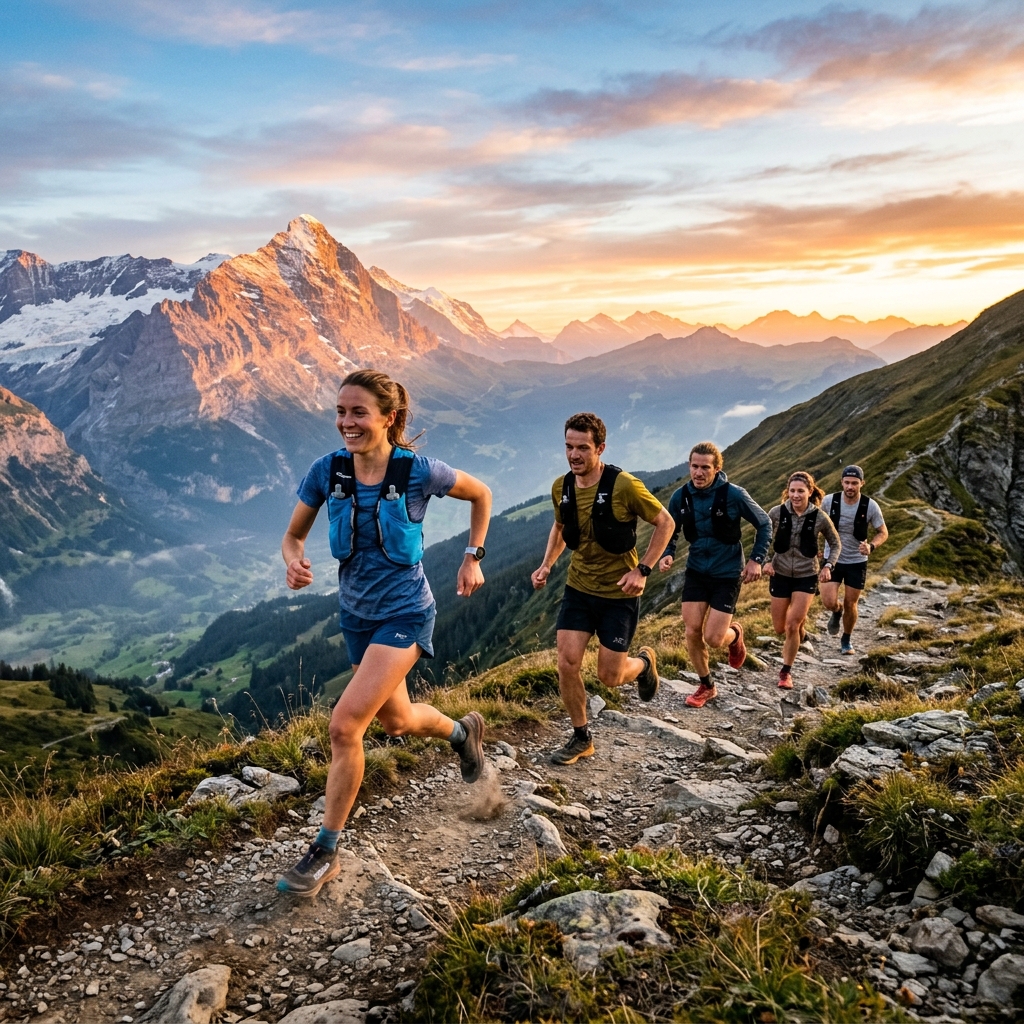
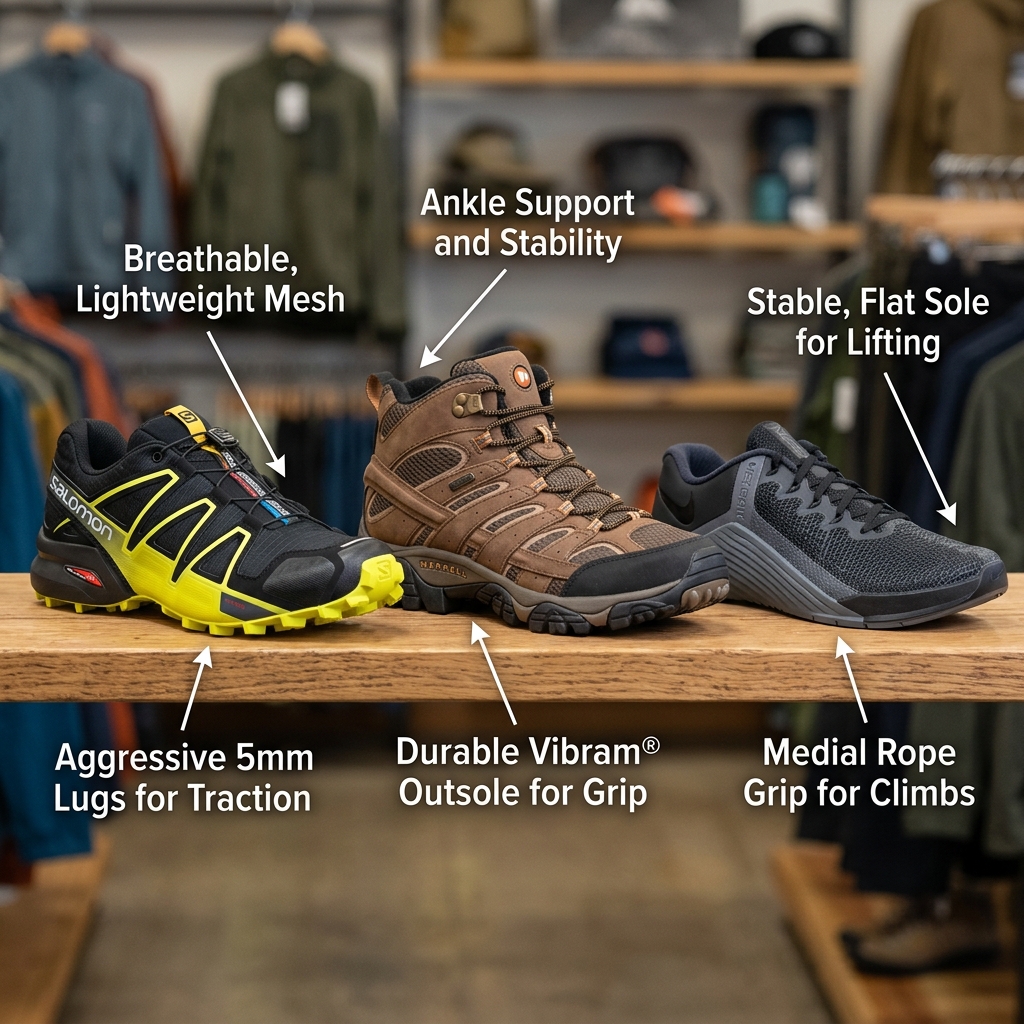
- Trail Running Shoes:
- Best For: Uneven, natural dirt paths and moderate trails.
- Key Features: Aggressive outsoles for superior traction on mud and loose gravel; reinforced uppers for protection from roots and rocks.
- Goal: Cushioning combined with rugged grip.
- Hiking Boots/Shoes:
- Best For: Extended treks, varied terrain, and carrying heavy loads.
- Key Features: Sturdy ankle support (especially mid-cut boots); waterproof membranes; durable construction to withstand abrasion.
- Goal: Stability and protection over long distances.
- Cross-Training/Walking Shoes:
- Best For: Paved paths, urban walking, or gym workouts before heading out.
- Key Features: Excellent cushioning for impact absorption; lateral support for side movements.
- Goal: Comfort and shock mitigation on predictable surfaces.
Key Fit Considerations for All Shoes
- The Thumb Rule: When standing, there should be about the width of your thumb between your longest toe and the end of the shoe.
- Try Out Gear: Always try on shoes with the socks you plan to wear during your activity.
- Break Them In: Never use brand-new boots or trail runners for a major hike. Wear them gradually over several short outings first.
How Do I Stay Safe and Protected Outdoors?
Safety gear extends beyond just clothing; it includes items that protect your body from the elements and prepare you for emergencies.
☀️ Protecting Your Skin: Sunscreen, Hats, and Clothing
Sun exposure is a serious risk in outdoor settings. Protection must be comprehensive:
- Broad-Spectrum Sunscreen: Use an SPF of 30 or higher, ensuring it protects against both UVA (aging) and UVB (burning) rays. Apply liberally 15 minutes before heading out, and reapply every two hours.
- Wide-Brimmed Hats: These are superior to baseball caps because they protect the ears, neck, and face simultaneously. Look for a UPF rating of 30+.
- Protective Clothing: Opt for long-sleeved shirts or pants made from UPF-rated fabrics. This physical barrier is often more reliable than sunscreen alone.
- Sunglasses: Choose polarized lenses that block 99–100% of UVA and UVB rays to reduce glare, especially near water or snow.
💧 Preventing Dehydration: Hydration Strategy
Dehydration significantly impairs cognitive function and physical performance. Proper hydration is non-negotiable for any strenuous activity.
- The Rule: Drink small amounts of fluid consistently throughout the day—don't wait until you feel thirsty.
- Gear Options:
- Water Bottles (Stainless Steel): Durable, reusable, and ideal for carrying pure water.
- Hydration Packs: Best for long-distance hiking or running as they allow hands-free access to large volumes of fluid via a drinking tube.
- Electrolytes: For workouts lasting over 90 minutes, supplementing with electrolyte tablets (containing sodium, potassium, and magnesium) is crucial to replace salts lost through sweat.
🩹 What Essential Safety Gear Should I Carry?
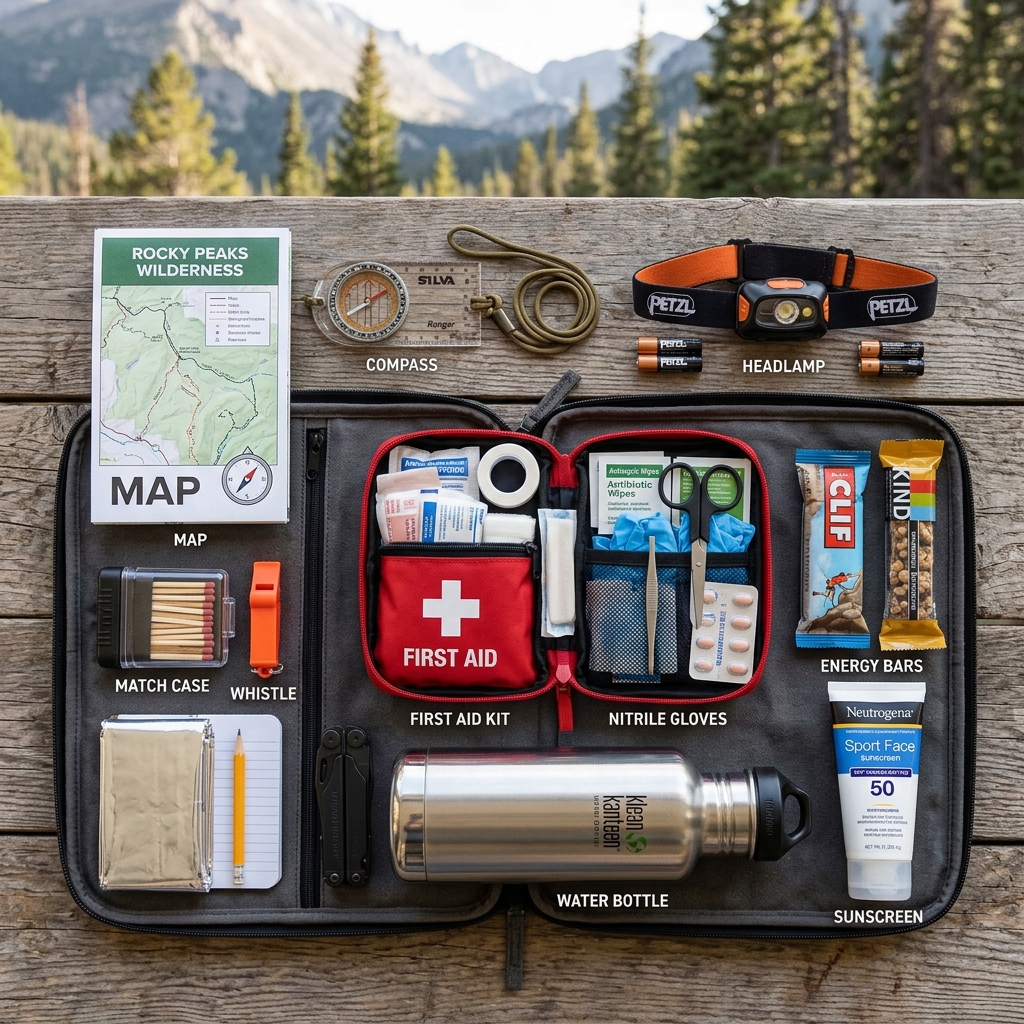
The required safety kit depends entirely on the activity, but these items are universally recommended:
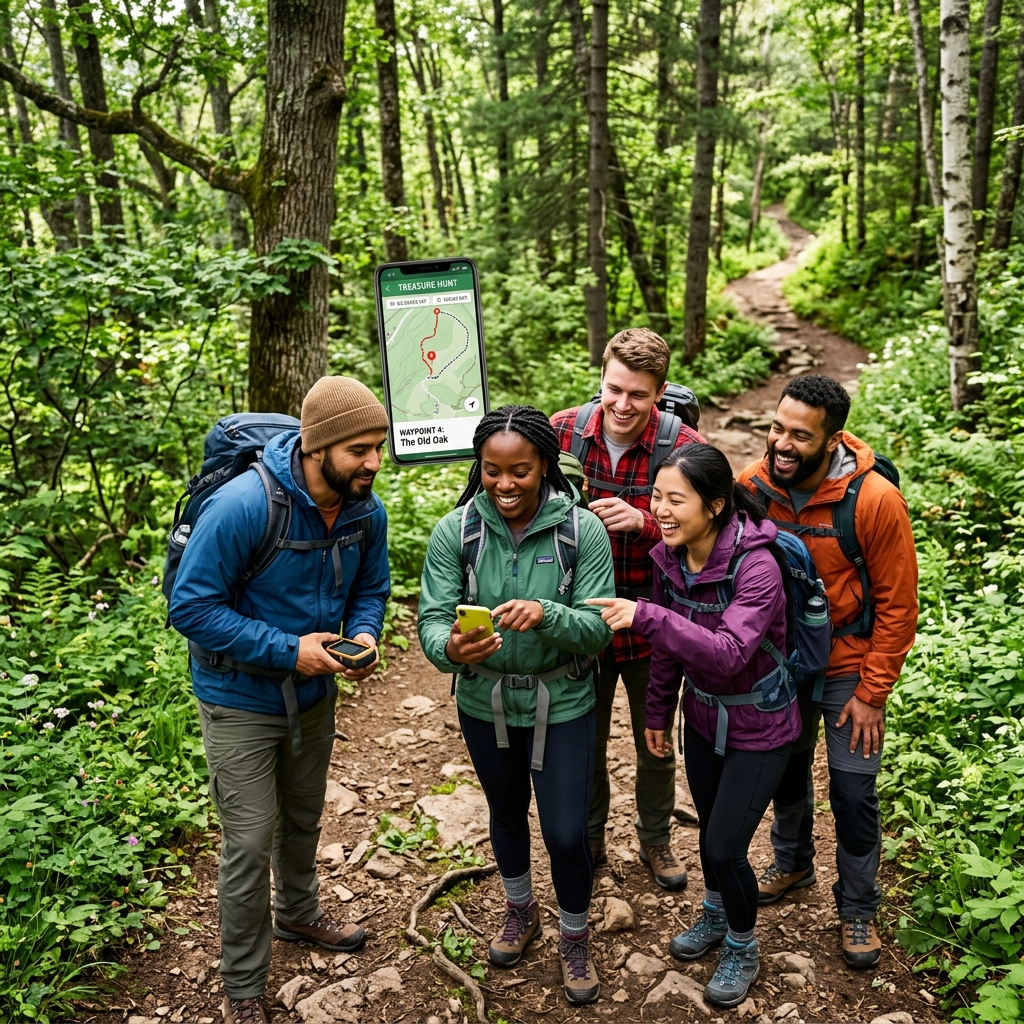
- Navigation: A physical map and compass, plus a fully charged GPS device or phone (with downloaded offline maps).
- First-Aid Kit: Must include blister treatment, antiseptic wipes, pain relievers, and any personal medications.
- Emergency Shelter/Warmth: An emergency bivy sack or space blanket can provide critical warmth if you are stranded overnight.
- Communication: A fully charged power bank and a whistle (for signaling) are essential backups.
Summary & Next Steps for Outdoor Success
By treating your gear selection as a strategic process—focusing on adaptable layers, terrain-specific footwear, and proactive protection—you can significantly enhance both the safety and enjoyment of your outdoor fitness routine. Always inform someone reliable about your itinerary, check the weather forecast daily, and remember to practice the principle of "Leave No Trace" to protect the beautiful environments you explore.
Disclaimer: This guide provides general advice. Consult a medical professional before starting any new exercise regimen or if you have pre-existing health conditions.
Frequently Asked Questions
While all gear is vital for safety, proper layering techniques are arguably the most critical skill, as they allow you to adapt instantly to unpredictable changes in temperature and weather.