What Exactly Is Geocaching for Fitness?
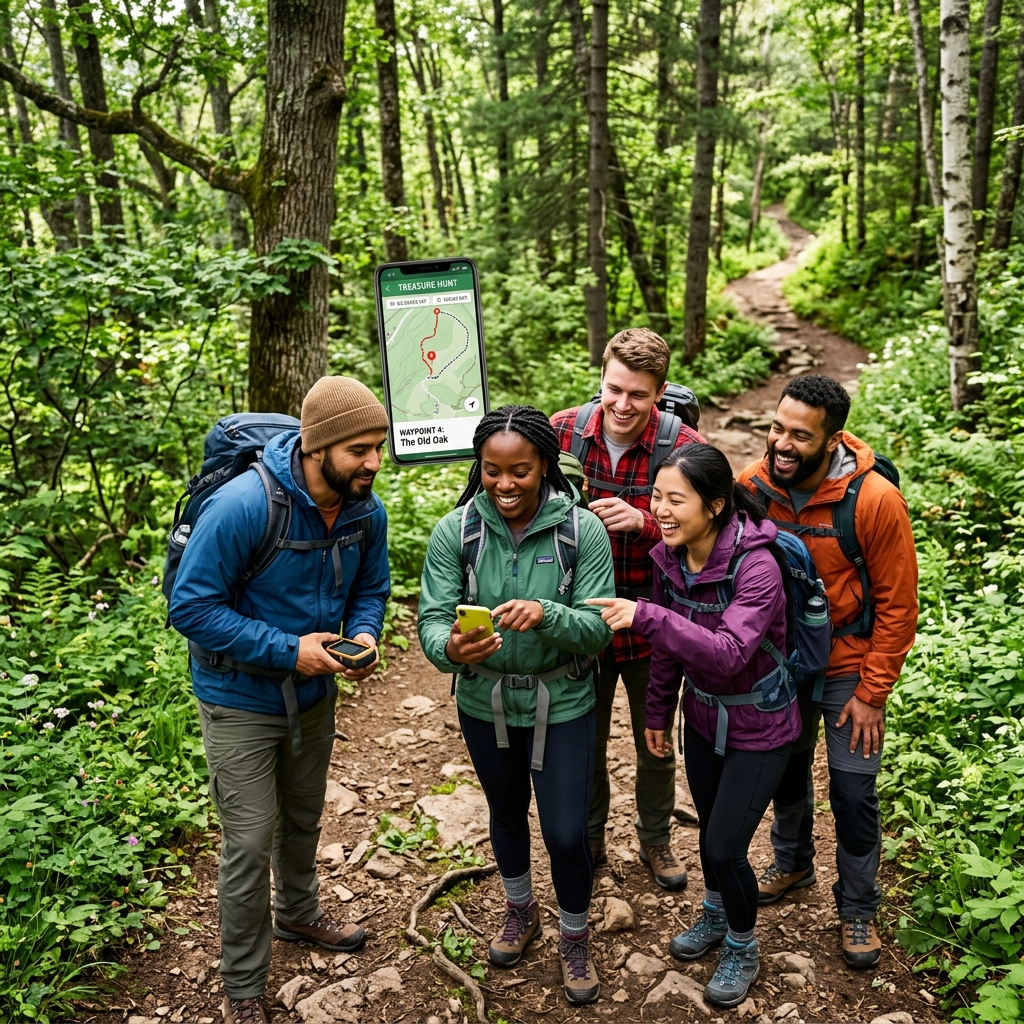
Geocaching is a global, real-world treasure hunt that uses GPS coordinates to guide participants to hidden containers, or "caches." Far from being just a game, it is an exceptional form of outdoor fitness because it seamlessly blends physical activity (hiking and walking) with mental challenges like navigation and problem-solving. It transforms the chore of exercising into an engaging adventure, making you more likely to stay active and explore new natural spaces.
How Does Geocaching Benefit Your Body and Mind?
Geocaching offers a holistic workout that targets both cardiovascular health and cognitive function. Because the activity requires movement across varied terrain while solving puzzles, its benefits are far greater than a standard walk in the park.
Physical Fitness Benefits
The physical demands of finding caches ensure you engage multiple muscle groups:
- Cardiovascular Health: Walking and hiking to cache locations strengthens your heart and lungs, significantly reducing the risk factors associated with cardiovascular disease.
- Weight Management & Endurance: The varied terrain—from gentle slopes to moderate climbs—ensures a consistent calorie burn. Over time, this builds stamina and endurance.
- Musculoskeletal Strength: Climbing over roots, navigating uneven ground, and carrying gear strengthens your core, legs, and back muscles.
- Balance and Coordination: Constantly adjusting your footing on natural trails improves balance and coordination, which is vital for preventing falls as you age.
Mental & Cognitive Benefits
The "treasure hunt" element adds a powerful cognitive layer to the physical workout:
- Stress Reduction: Spending time in nature (a proven stress reliever) combined with focused problem-solving helps lower cortisol levels and reduce anxiety.
- Cognitive Enhancement: Interpreting maps, solving riddles left by cache owners, and navigating using GPS coordinates keeps your brain actively engaged, improving memory and focus.
- Sense of Accomplishment: Successfully finding a hidden cache after effort provides a unique boost to self-esteem and motivation—a reward that goes beyond physical exhaustion.
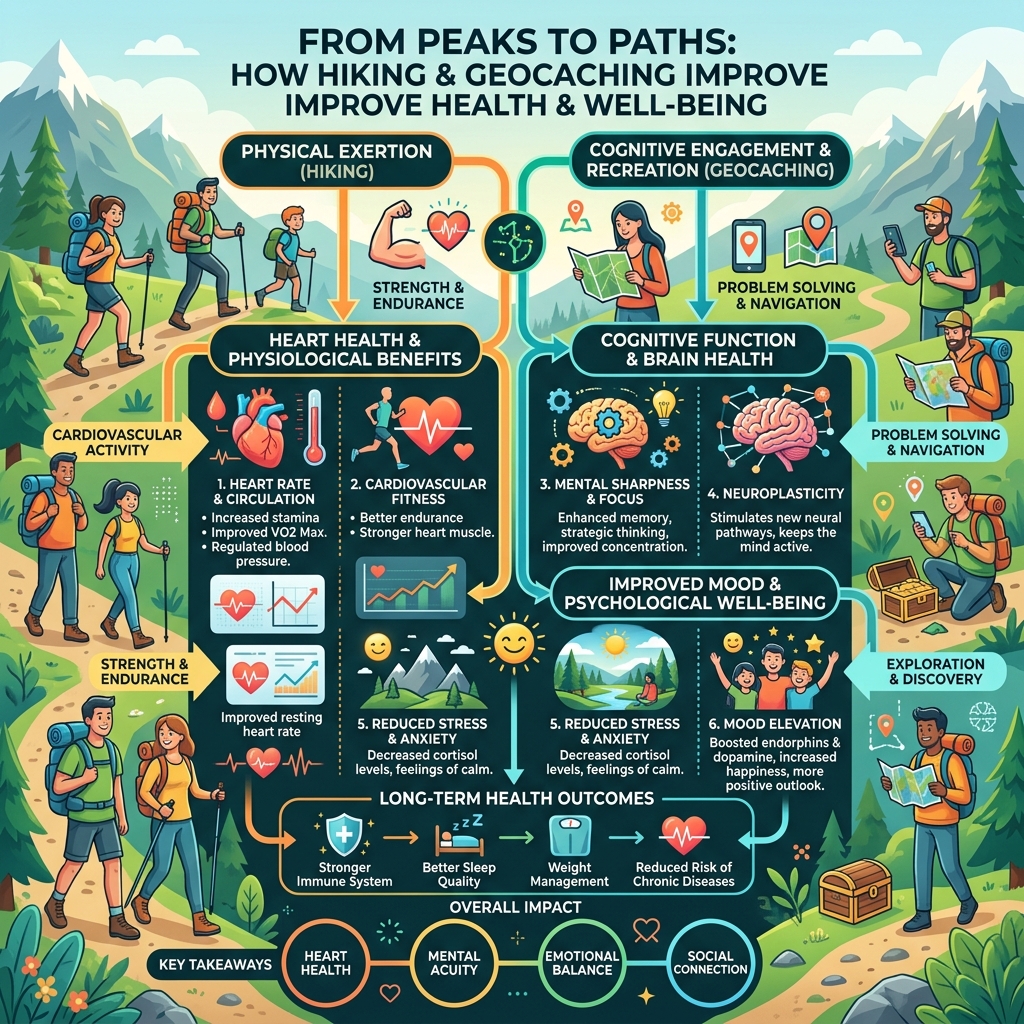
Why Is Geocaching Better Than Just Hiking?
While hiking is excellent exercise, geocaching adds layers of purpose and challenge that keep the experience fresh and engaging. It provides a goal beyond simply reaching a summit or endpoint.
The Added Layers of Challenge
- Navigation Skills: You must actively use your map-reading skills and GPS tools, making you more aware of your surroundings than if you were just following a marked trail.
- Problem Solving: Many caches require solving small puzzles or deciphering clues hidden in the environment, turning physical effort into an intellectual pursuit.
- Exploration Focus: The goal is not merely to walk through a location, but to discover something specific in that location. This encourages you to look closer at natural details and historical markers.
How Do I Start Geocaching? A Step-by-Step Guide
Getting started requires minimal equipment and can be tailored to any fitness level. The key is preparation and safety.
1. Essential Gear Checklist
You do not need expensive gear, but these items are crucial for a safe and successful adventure:
- Smartphone/GPS Device: A smartphone with reliable GPS service is the primary tool. Ensure it has adequate battery life or bring a portable charger.
- Geocaching App: Download an official app (like Geocaching®) to access cached coordinates, maps, and community logs.
- Appropriate Footwear: Wear sturdy hiking boots or trail shoes. Comfort and ankle support are non-negotiable for safety.
- Hydration & Snacks: Always carry plenty of water and high-energy snacks (nuts, bars).
- Safety Kit: A small first-aid kit is mandatory.
- Backup Tools: Carry a physical map and compass as a backup in case of technology failure or poor cell service.
2. Planning for Your Fitness Level
Always start with the appropriate difficulty level to build confidence and avoid injury.
Beginner (Urban & Easy Trails)
- Focus: Short, flat routes within city parks or neighborhood greenways.
- Goal: Build familiarity with the process of using a geocaching app and understanding basic navigation concepts.
- Tip: Always go with a friend who can help manage gear and morale.
Intermediate (Moderate Trails)
- Focus: Established hiking trails that involve moderate elevation changes or longer distances (3–5 miles).
- Goal: Improve stamina, build confidence in reading topographical maps, and tackle varied terrain.
- Tip: Plan a clear turnaround point and stick to marked paths for safety.
Advanced (Remote & Challenging)
- Focus: Remote wilderness areas, mountain trails, or challenging multi-day treks.
- Goal: Test endurance limits, master advanced navigation techniques, and practice self-sufficiency in the wild.
- Safety Warning: Never attempt advanced geocaching alone. Always inform a reliable person of your exact route and expected return time.
Tips for Maximizing Your Geocaching Experience
To ensure every hunt is fun, safe, and rewarding, keep these tips in mind:
- Read the Cache Description: Before setting out, read the cache description thoroughly. It will detail the difficulty rating (e.g., "Moderate hike," "Requires climbing") and any potential hazards.
- Respect the Environment: Practice Leave No Trace principles. Do not disturb flora or fauna, and ensure you pack out all trash.
- Understand the Community Rules: When you find a cache, sign the logbook (if present) to record your visit. If you take trade items, always leave something of equal or greater value in return.
- Pace Yourself: The goal is fitness and fun, not speed. Take breaks when needed, stay hydrated, and enjoy the scenery!
Summary & Next Steps
Geocaching proves that exercise doesn't have to feel like a chore. By combining the physical demands of hiking with the mental stimulation of a treasure hunt, it offers one of the most enjoyable ways to improve cardiovascular health, build endurance, and connect with nature. Grab your phone, download an app, and let the adventure begin!
Sources & Further Reading
- Geocaching Official Website: https://www.geocaching.com/ (For current cache listings)
- National Park Service (NPS): Health Benefits of Outdoor Activity (https://www.nps.gov/articles/healthbenefits.htm)
Frequently Asked Questions
Yes, but always start with easy, urban caches and inform a friend or family member of your planned route.