Why is Fishing Considered a Low-Impact Full-Body Workout?
Fishing is often viewed solely as a relaxing hobby, but it provides surprisingly significant physical and mental health benefits. It functions as an excellent low-impact, full-body workout that requires continuous engagement of multiple muscle groups—from your core to your calves. The activity burns calories through movement (walking/wading) while building strength and endurance through repetitive actions like casting and reeling. By combining the physical demands with the restorative power of nature, fishing offers a holistic path to improved fitness and mental clarity.
How Does Fishing Engage Your Muscles?
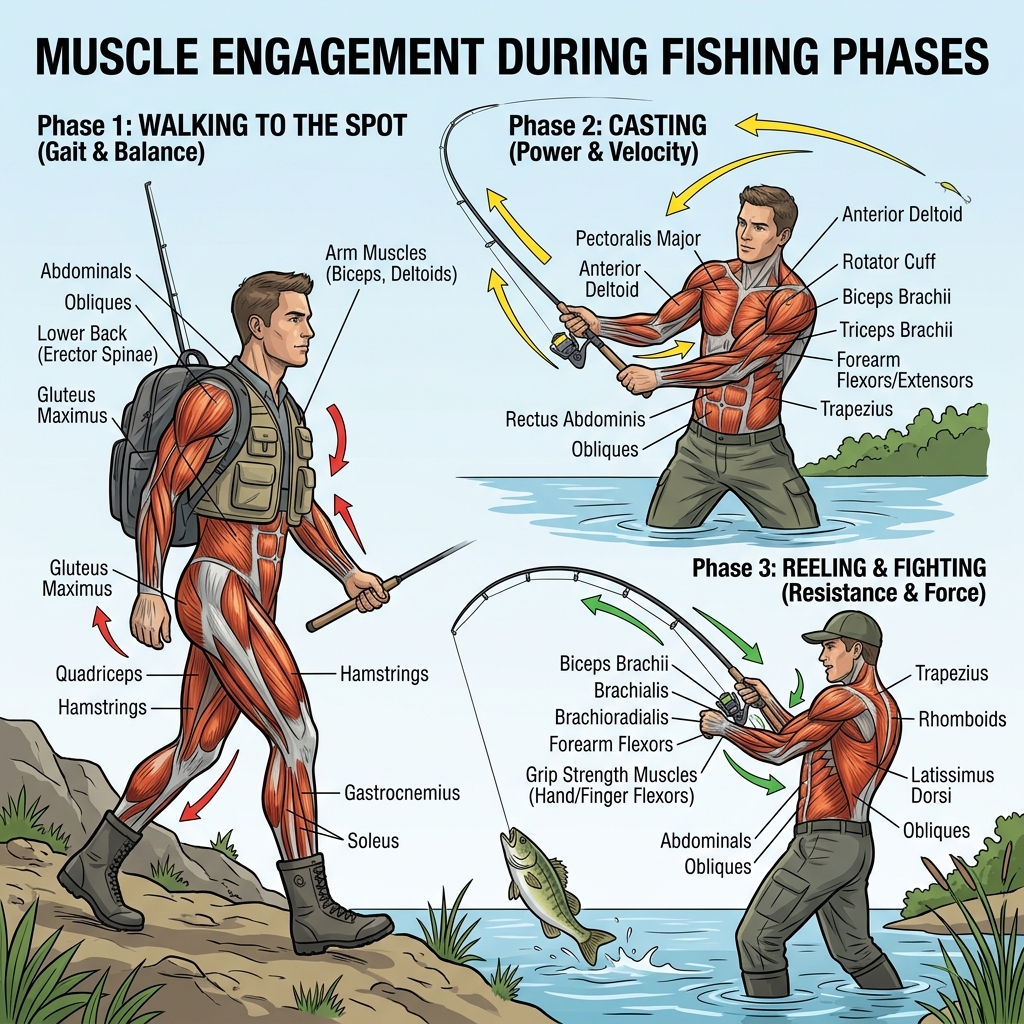
The movements involved in a typical fishing trip are subtle but cumulative, engaging nearly every major muscle group. Here is a breakdown of the physical actions and what they target:
- Walking and Wading: Reaching prime spots often requires trekking across uneven terrain or wading through water. This activity provides excellent cardiovascular exercise, improving circulation and burning calories. The challenge of unstable ground further strengthens your quadriceps, hamstrings, calves, and ankles, while also dramatically improving balance and coordination.
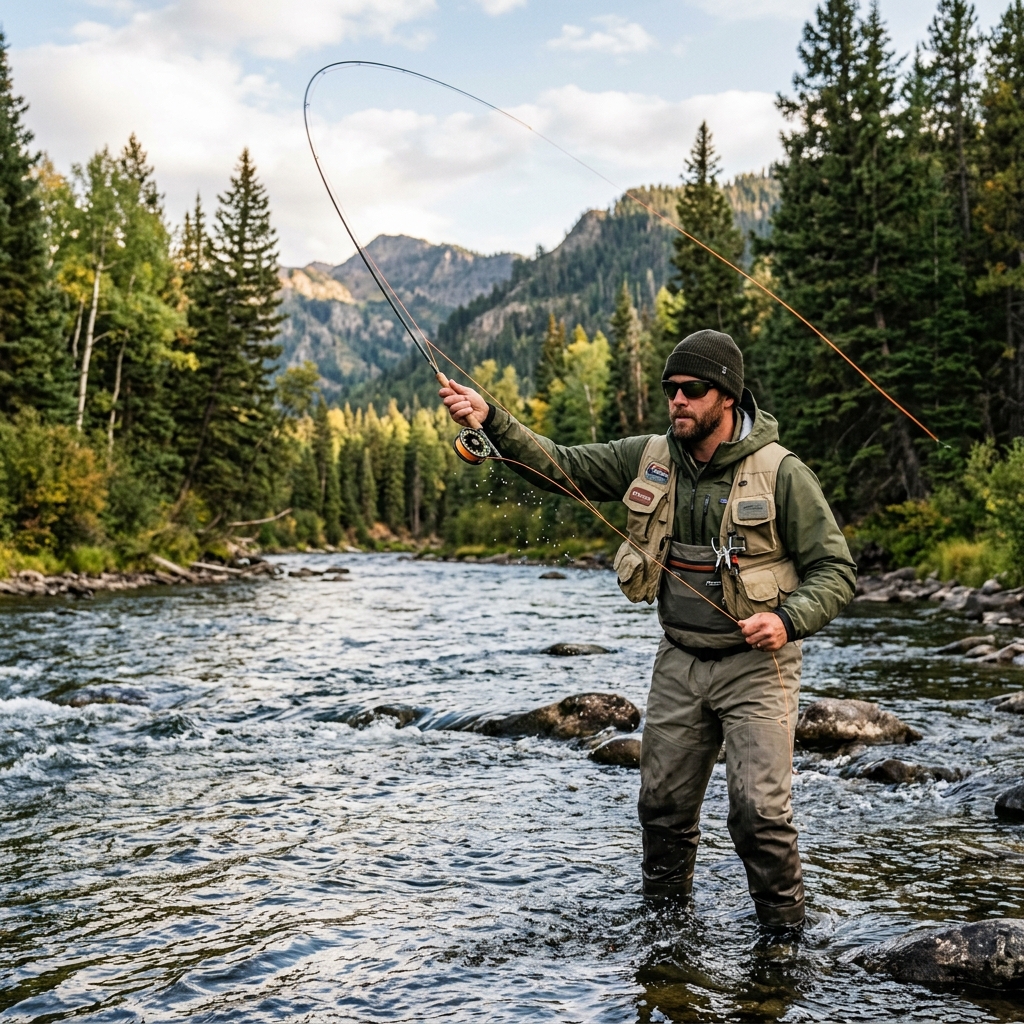
- Casting: The act of casting is a powerful, full-body motion. It requires coordinated effort from the shoulders (deltoids), arms (biceps/triceps), back (latissimus dorsi), and crucially, your core muscles. Maintaining stability throughout the cast strengthens the abdominal and oblique muscles.
- Reeling: When a fish bites, reeling in provides resistance training for your upper body. The tension builds strength and endurance in your forearms and biceps. Furthermore, stabilizing your stance against a strong pull engages your core deeply, making it an effective anti-rotation exercise.
Beyond the Rod: Other Physical Benefits
The workout doesn't stop when you reach the water's edge. Consider these secondary physical benefits:
- Gear Management: Lifting and carrying tackle boxes, coolers, and rods builds functional strength in your back and shoulders.
- Setting Up Camp: If camping or staying overnight, tasks like assembling gear or preparing meals contribute to overall activity levels.
- Posture Awareness: Maintaining good posture while standing or sitting for long periods helps build core stability and awareness of body alignment.
What Are the Mental Health Benefits of Fishing?
The benefits of fishing extend far beyond physical strength; they are profoundly restorative for your mind. In a world characterized by constant digital noise, nature provides a unique opportunity to reset your focus and reduce stress.
Improving Focus and Cognitive Function
Fishing is inherently meditative because it demands sustained concentration. You must constantly monitor the water's movement, analyze bait effectiveness, and predict fish behavior. This focused attention acts as a natural form of mindfulness, quieting mental chatter and improving cognitive function. The need for strategic problem-solving—like choosing the right lure for specific conditions—keeps your mind actively engaged.
Natural Stress Reduction (Cortisol Control)
Spending time in nature has been scientifically linked to lower levels of cortisol, the primary stress hormone. The combination of fresh air, natural sounds (the river flow, birdsong), and the peaceful environment triggers a parasympathetic nervous system response—the body's "rest and digest" mode. This profound sense of calm is highly therapeutic.
Boosting Mood and Self-Efficacy
The anticipation and eventual success of catching a fish provide an immediate boost to self-esteem and mood. Achieving a goal, no matter how small, gives a powerful sense of accomplishment that can combat feelings of anxiety or low motivation.

How Can You Maximize Fitness During Your Fishing Trip?
To turn a relaxing day into a comprehensive fitness experience, integrate these strategies into your routine:
- Increase the Trek: Instead of driving to the closest spot, park further away. Use the walk or hike to reach your fishing location as an intentional cardiovascular warm-up.
- Adopt Active Movement: When wading, focus on varying your foot placement and maintaining balance. This turns a simple action into a challenging lower-body workout that engages stabilizing muscles in the ankles and knees.
- Combine Activities (The Trifecta): Don't limit yourself to just fishing. Combine it with other outdoor activities:
- Kayaking: Paddling is an excellent upper-body cardio workout, engaging arms, shoulders, and core.
- Hiking: Choose trails with varied elevation changes for a full leg workout.
- Camping: Incorporate physical tasks like gathering firewood or setting up camp to maintain activity throughout the day.
Practical Tips for an Active Fishing Day
To ensure your trip is both enjoyable and physically beneficial, keep these tips in mind:
- Walk with Purpose: Treat the journey to the spot as a brisk walk—maintain a steady pace and focus on good posture.
- Carry Everything: Always carry all your gear yourself (tackle box, cooler, etc.) to build functional upper-body strength.
- Stretch Regularly: Take frequent breaks to stretch your shoulders, back, and lower back. This prevents stiffness and injury from prolonged standing or sitting.
- Hydrate Constantly: Carry more water than you think you need. Staying hydrated is crucial for muscle function and preventing fatigue during extended outdoor activity.
Summary & Next Steps
Fishing truly is a holistic activity—a perfect blend of physical exertion, mental focus, and natural therapy. By adopting an active mindset, treating the journey as part of the workout, and combining it with other outdoor pursuits like hiking or paddling, you can maximize its health benefits.
Next time you plan a fishing trip, remember to view your rod and reel not just as tools for sport, but as equipment for a full-body wellness session. Grab your gear, head outside, and let the rhythm of casting and reeling guide you toward better physical and mental health.
Frequently Asked Questions
Yes, it is. While low-impact, the combination of walking, wading, casting, and reeling engages multiple muscle groups, providing a comprehensive full-body workout.