What Makes High-Intensity Outdoor Adventures Unique?
High-intensity outdoor adventures—such as trail running, mountain biking, and adventure racing—offer a profoundly challenging alternative to traditional gym workouts. These activities combine intense physical exertion with the mental demands of navigating unpredictable natural environments. They don't just build muscle; they cultivate mental toughness, adaptability, and deep resilience while providing an unparalleled connection with nature.
Exploring Diverse Outdoor Sports
The appeal lies in the variety of challenges available. Whether you are tackling a steep mountain climb or paddling through rapids, each sport demands unique skills:
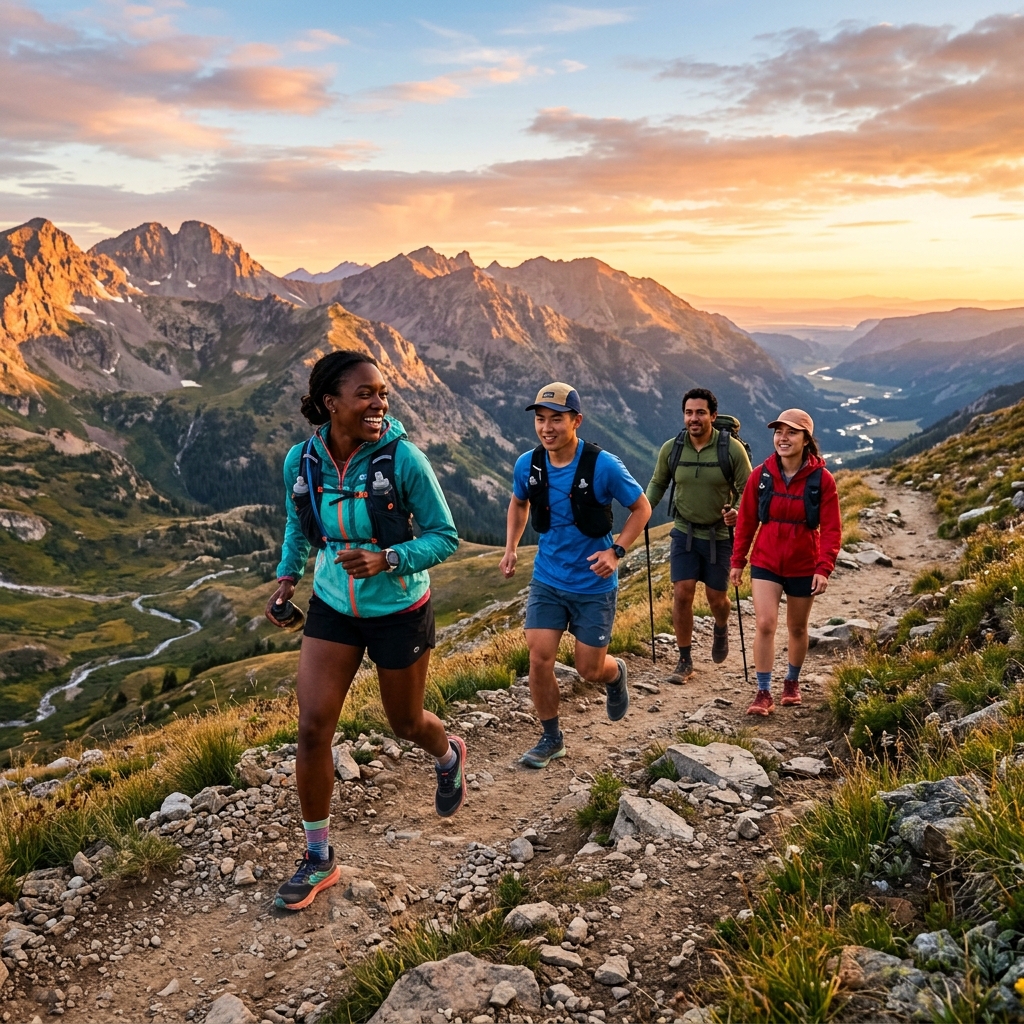
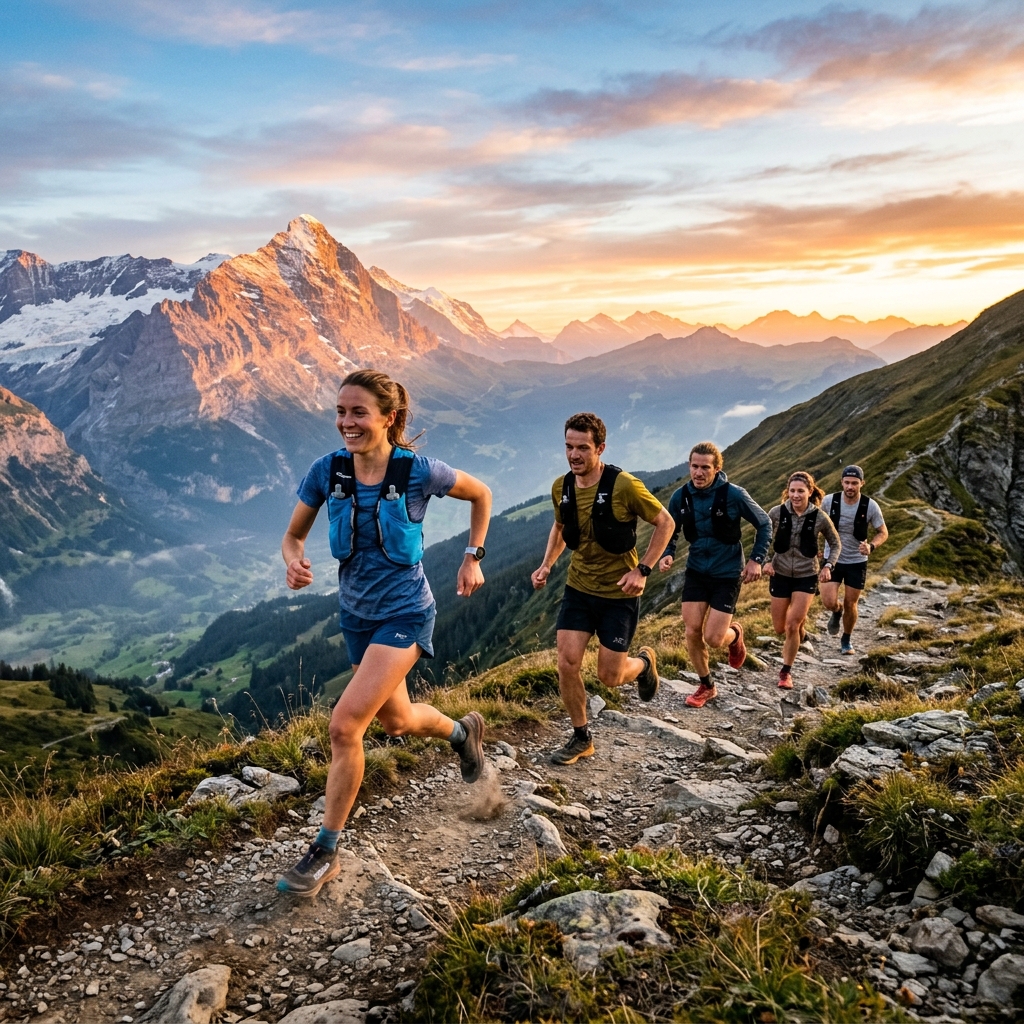
- Trail Running: This activity takes running off paved roads and onto uneven natural terrain. It builds exceptional endurance, strengthens stabilizing muscles (ankles, core), and improves agility by forcing constant adjustments to the footing.
- Mountain Biking: Combining speed with technical skill, mountain biking requires peak cardiovascular fitness and excellent bike handling ability. From cross-country endurance rides to downhill descents, it challenges both physical strength and strategic thinking.
- Adventure Racing: Considered the ultimate multi-sport test, these events combine elements like running, cycling, kayaking, and navigation over extended periods. They are designed to push both physical limits and mental fortitude.
- Canyoning/Rappelling: This involves traversing narrow canyons using techniques like rappelling and scrambling. It demands technical skill, problem-solving abilities, and a high degree of physical fitness in varied environments (water, rock, vegetation).

What Physical and Mental Skills Do These Sports Require?
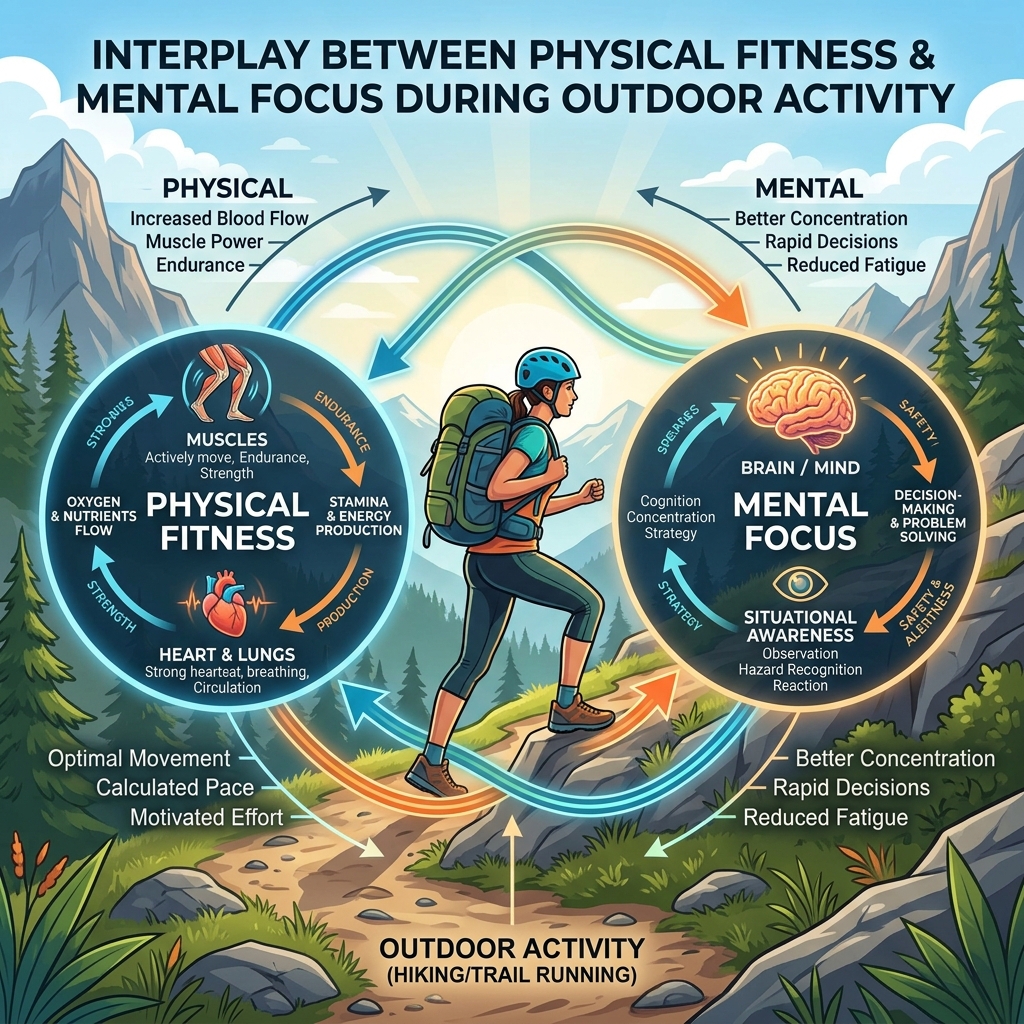
Successfully engaging in these adventures requires more than just general fitness. You must develop specific physical attributes alongside crucial mental skills to stay safe and perform at your peak.
Core Physical Demands
- Cardiovascular Endurance: The ability to sustain high effort over long periods (e.g., running for hours). This is the foundation of all endurance sports.
- Strength & Stability: Strong core muscles, legs, and upper body are necessary not only for propulsion but also for maintaining balance on uneven ground.
- Agility and Balance: Constantly adjusting to roots, rocks, and slopes requires exceptional ankle stability and quick reflexes.
- Flexibility: Maintaining a good range of motion is vital for preventing overuse injuries common in repetitive outdoor movements.
Essential Mental Fortitude
The mental game often determines success more than physical strength:
- Mental Toughness: The ability to push through pain, fatigue, and discomfort when the body wants to quit. This requires discipline and a positive mindset.
- Problem-Solving Skills: When faced with unexpected obstacles (a washed-out trail, poor visibility), you must quickly assess the situation and adapt your plan.
- Risk Assessment: Understanding potential hazards—from weather changes to wildlife encounters—and making informed decisions is critical for survival.
- Adaptability: The outdoors is unpredictable. Being able to adjust gear, routes, or plans instantly without panic is a core skill.
How Can I Prepare for High-Intensity Outdoor Adventures?
Preparation must be holistic, addressing physical conditioning, technical skills, and mental readiness. Never attempt a major adventure without proper training.
🏃 Physical Conditioning Strategies
- Build Endurance Gradually: Start with longer, lower-intensity activities (e.g., long hikes) before increasing the distance or speed dramatically. Incorporate interval training to boost cardiovascular capacity.
- Focus on Compound Movements: Include squats, lunges, and deadlifts in your routine. These exercises mimic the full-body effort required for climbing and traversing.
- Cross-Train: Don't just stick to running. Swimming (for core strength) or yoga (for flexibility) helps prevent overuse injuries and builds overall resilience.
- Sport-Specific Training: If you plan on mountain biking, practice handling your bike on varied terrain regularly. If trail running, seek out local trails for training runs.
🧠 Mental Preparation Techniques
- Set Realistic Goals: Start small. Completing a challenging day hike is a massive achievement and builds confidence for larger goals.
- Practice Mindfulness: During tough moments (like climbing a steep hill), focus only on your immediate steps, breathing, and surroundings. This keeps you present and prevents panic.
- Visualize Success: Before the trip, visualize yourself successfully completing difficult sections. This mental rehearsal boosts confidence and prepares your mind for challenges.
🎒 Gear and Logistics Checklist
- Invest in Quality Gear: Ensure all equipment (shoes, bike parts, waterproof layers) is appropriate for the specific environment and activity level.
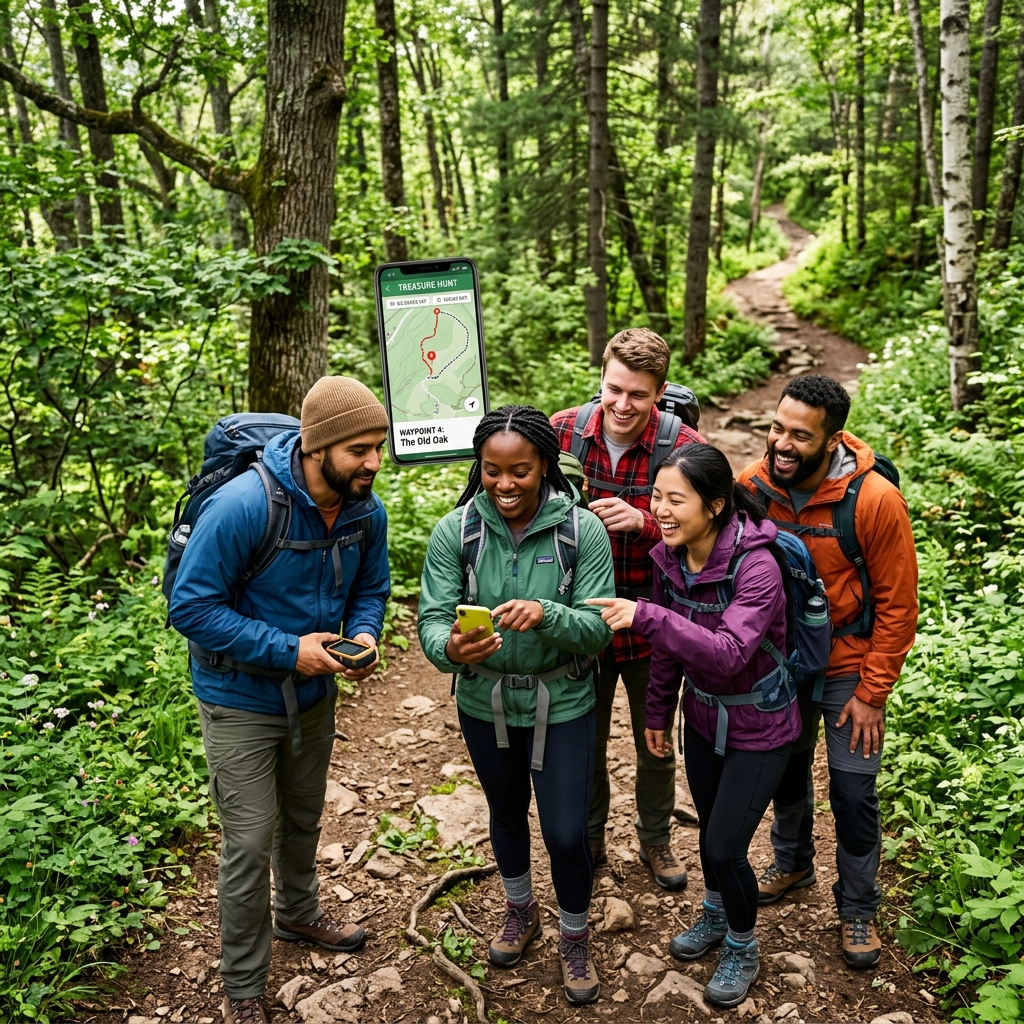
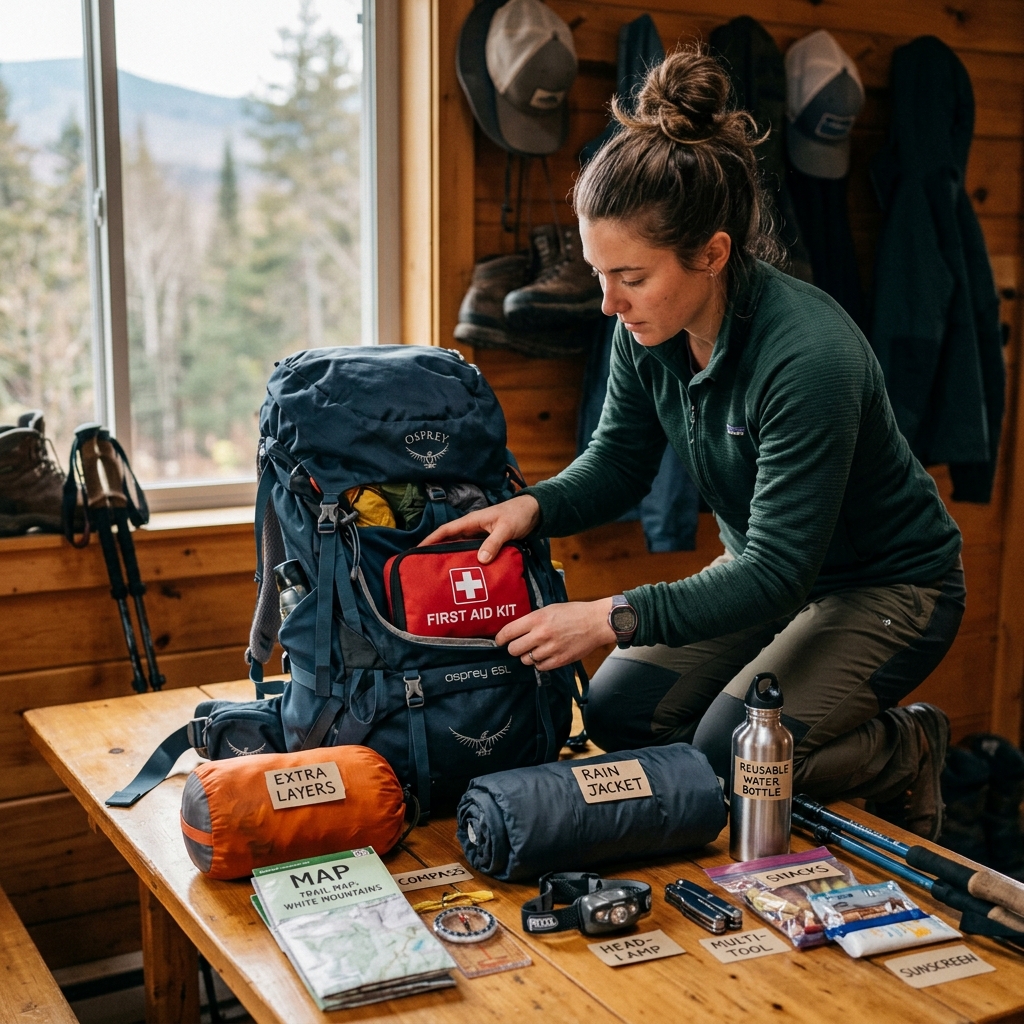
- Master Navigation: Learn to use a map and compass in addition to relying on GPS. Carry physical backups.
- Hydration & Nutrition Plan: Practice carrying enough water and energy-dense snacks (like nuts or gels) for the expected duration of your adventure.
What Are the Non-Negotiable Safety Protocols?
Safety must be the absolute priority. The wilderness is powerful and unforgiving; preparation minimizes risk but does not eliminate it. Always follow these protocols:
- Tell Someone Your Plan: Before leaving, leave a detailed itinerary with a trusted person (e.g., "I will be on the North Ridge trail, returning by 6 PM").
- Never Go Alone: Whenever possible, travel with at least one partner or group. Group dynamics provide immediate support in an emergency.
- Check Weather and Conditions: Be prepared for rapid changes. Always pack layers suitable for cold, rain, and sun, even if the forecast looks clear.
- Carry Essential Safety Gear: This includes a well-stocked first-aid kit, whistle, headlamp/flashlight (with extra batteries), and emergency communication devices (like a satellite messenger).
- Practice Leave No Trace: Respect the environment by packing out all trash, staying on marked trails, and minimizing your impact on wildlife.
Why Is Outdoor Fitness Good for More Than Just Muscles?
The benefits of high-intensity outdoor adventures extend far beyond physical gains; they are profoundly beneficial for mental health and overall well-being.
🌿 Mental Health Benefits
- Stress Reduction: Spending time in nature has been scientifically linked to lowering cortisol levels, the primary stress hormone. The natural environment provides a restorative effect.
- Improved Focus (Attention Restoration): Unlike urban environments that demand constant vigilance, nature allows your mind to rest and focus naturally, improving cognitive function and clarity.
- Increased Self-Efficacy: Overcoming physical challenges in the wild builds profound confidence and self-esteem—you know you can handle difficult situations.
💪 Physical Benefits Summary
- Cardiovascular Health: Sustained effort improves heart efficiency and lowers blood pressure.
- Weight Management: High-intensity, varied activity burns significant calories while building lean muscle mass.
- Improved Balance & Coordination: Navigating uneven terrain naturally strengthens stabilizing muscles often neglected in gym settings.
Summary: Starting Your Adventure Journey
High-intensity outdoor adventures are a transformative way to improve fitness and mental resilience. By treating these pursuits with respect—prioritizing safety, training consistently, and respecting the environment—you can unlock incredible physical potential. Start slowly, build your skills gradually, and always remember that the greatest reward is not just reaching the summit, but the journey itself.
References:
- American Hiking Society: https://americanhiking.org/
- International Mountain Bicycling Association (IMBA): https://www.imba.com/
- Leave No Trace Center for Outdoor Ethics: https://lnt.org/
- National Park Service: https://www.nps.gov/
Frequently Asked Questions
Safety is paramount. Always check weather forecasts, never go alone, inform others of your route, and carry essential safety gear.