What are the comprehensive fitness benefits of kayaking and canoeing?
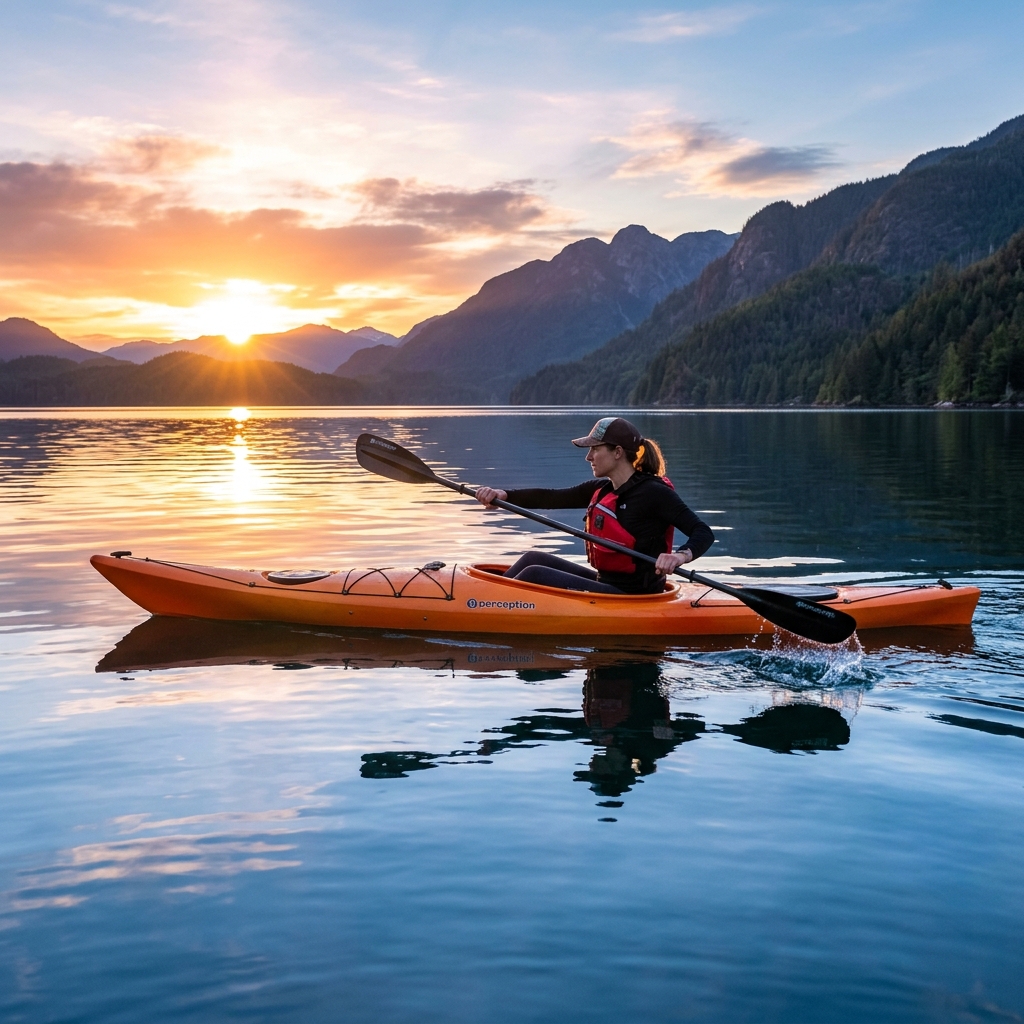
Kayaking and canoeing offer far more than just a leisurely float; they provide an exceptional, low-impact, full-body workout that engages multiple muscle groups simultaneously. This activity significantly boosts cardiovascular endurance, strengthens your core muscles (abdomen, obliques, lower back), and improves shoulder stability. Furthermore, the connection to nature provides profound benefits for both mental health and stress reduction.
Why is Paddling an Excellent Full-Body Workout?
While paddling seems focused on the arms, it requires coordinated effort from nearly every major muscle group. It’s a functional workout that builds strength while improving overall stability—a key component of physical fitness.
How Does Paddling Engage Your Core and Back?
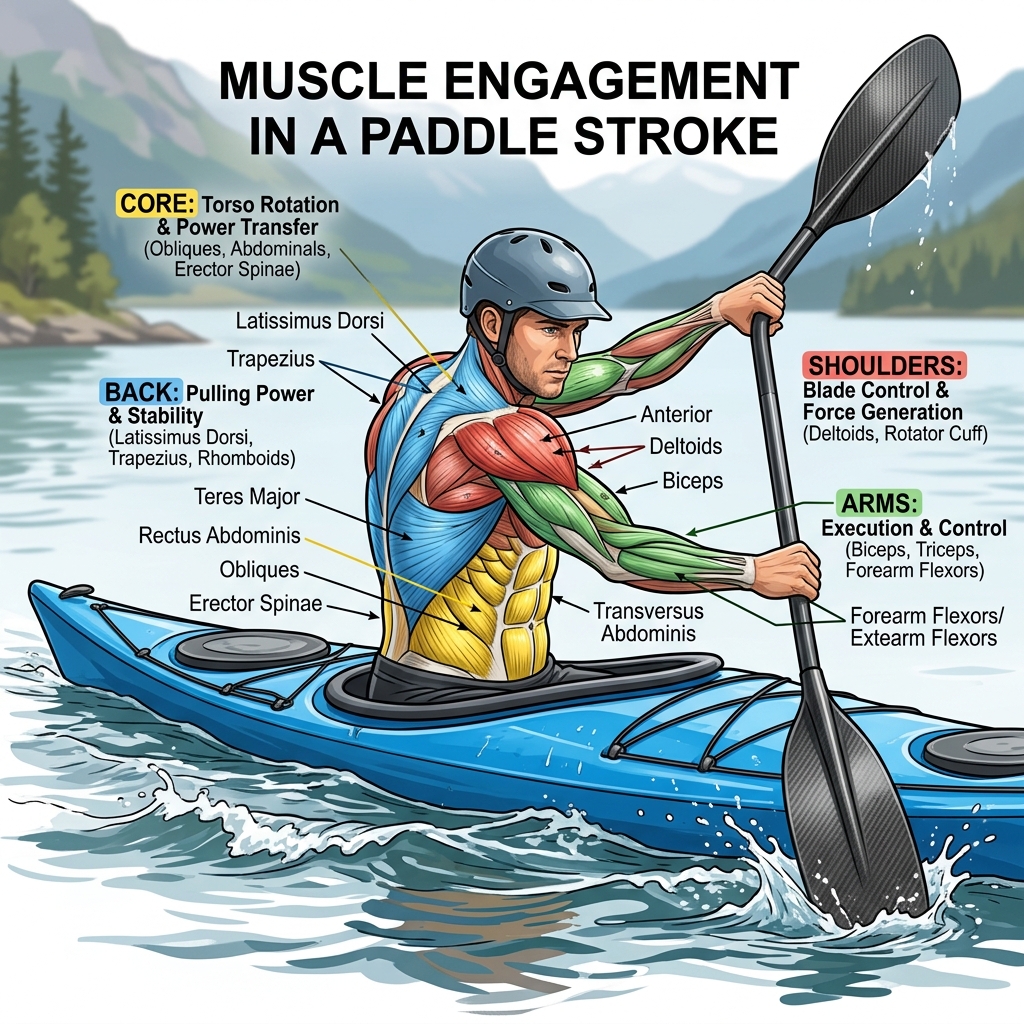
The core is the engine of any paddle stroke. Generating power efficiently requires constant stabilization, which engages your abdominal muscles, obliques, and deep back stabilizers.
- Core Stability: Maintaining balance in a moving boat forces continuous engagement of the transverse abdominis (your natural corset), improving posture both on and off the water.
- Spinal Support: The rhythmic motion strengthens the supporting musculature around your spine, helping to build resilience and potentially alleviating chronic back tension.
What Muscles Are Worked When Paddling?
The workout is balanced across the upper body, but also involves lower body stabilization:
- Shoulders & Arms (Upper Body): You work the biceps, triceps, and deltoids. The repetitive motion builds endurance and improves the range of motion in the shoulder joint.
- Back Muscles: The latissimus dorsi (lats) and rhomboids are crucial for pulling the paddle through the water, providing powerful support and strength to the upper back.
- Legs (Stabilization): Especially when kayaking, using a "leg drive" technique involves rotating your hips and knees to generate power, making it an effective lower-body stabilizer workout.
Beyond Strength: The Cardiovascular Impact
Paddling is excellent for heart health because it provides sustained aerobic exercise. As you maintain a steady pace, your heart rate increases steadily, improving cardiovascular efficiency and endurance without the high impact associated with running or jumping. Regular paddling can help manage blood pressure and improve overall stamina.
What Equipment Should I Choose for My First Paddle?
Selecting the right boat and paddle is critical for safety, comfort, and maximizing your workout potential. Different activities require different equipment types.
Kayaks vs. Canoes: Understanding the Differences
| Feature | Kayak | Canoe | Best For |
|---|---|---|---|
| Design | Narrower, lower to water. | Wider, more open deck. | |
| Paddle | Double-bladed paddle. | Single-bladed paddle. | |
| Maneuverability | Excellent; fast and agile. | Stable; good for carrying capacity. | |
| Best Use Case | Sport, touring, speed. | Family outings, stability, cargo. |
🛶 Choosing a Canoe
Canoes are known for their exceptional stability and large carrying capacity. They are ideal for beginners, family trips, or when you need to transport gear (like camping equipment). Look for recreational models for calm water enjoyment.
🏞️ Choosing a Kayak
Kayaks offer superior speed and maneuverability.
- Recreational Sit-On-Top: Perfect for casual paddling, fishing, and easy access. They are stable and simple to use.
- Touring/Sea Kayaks: Designed for longer distances and open water. These models prioritize efficiency and stability in rougher conditions.
Selecting the Right Paddle
The paddle is your primary tool. Consider these factors:
- Length: The correct length depends on your height, boat width, and paddling style. A good rule of thumb is to ensure the handle reaches comfortably to your chest when seated.
- Material: Carbon fiber paddles are lightweight but expensive; aluminum offers durability at a lower cost.
- Grip: Always choose an ergonomic grip that minimizes hand strain and prevents blisters during long sessions.
How Can Paddling Improve My Mental Health?
The benefits of kayaking and canoeing extend far beyond physical fitness. Being immersed in nature—a practice known as ecotherapy—has scientifically proven mental health advantages.
The Power of Mindfulness on the Water
Paddling forces you into a state of focused presence. The rhythmic action of paddling, combined with the natural sounds (lapping water, birdsong), acts as a form of moving meditation. This focus helps to:
- Reduce Stress: It provides a physical outlet for pent-up tension and anxiety.
- Improve Focus: You must pay attention to currents, weather changes, and your surroundings, training the mind to stay present.
- Boost Mood: Spending time in natural environments is consistently linked to increased feelings of calm and well-being.
Connecting with Nature: A Natural Reset
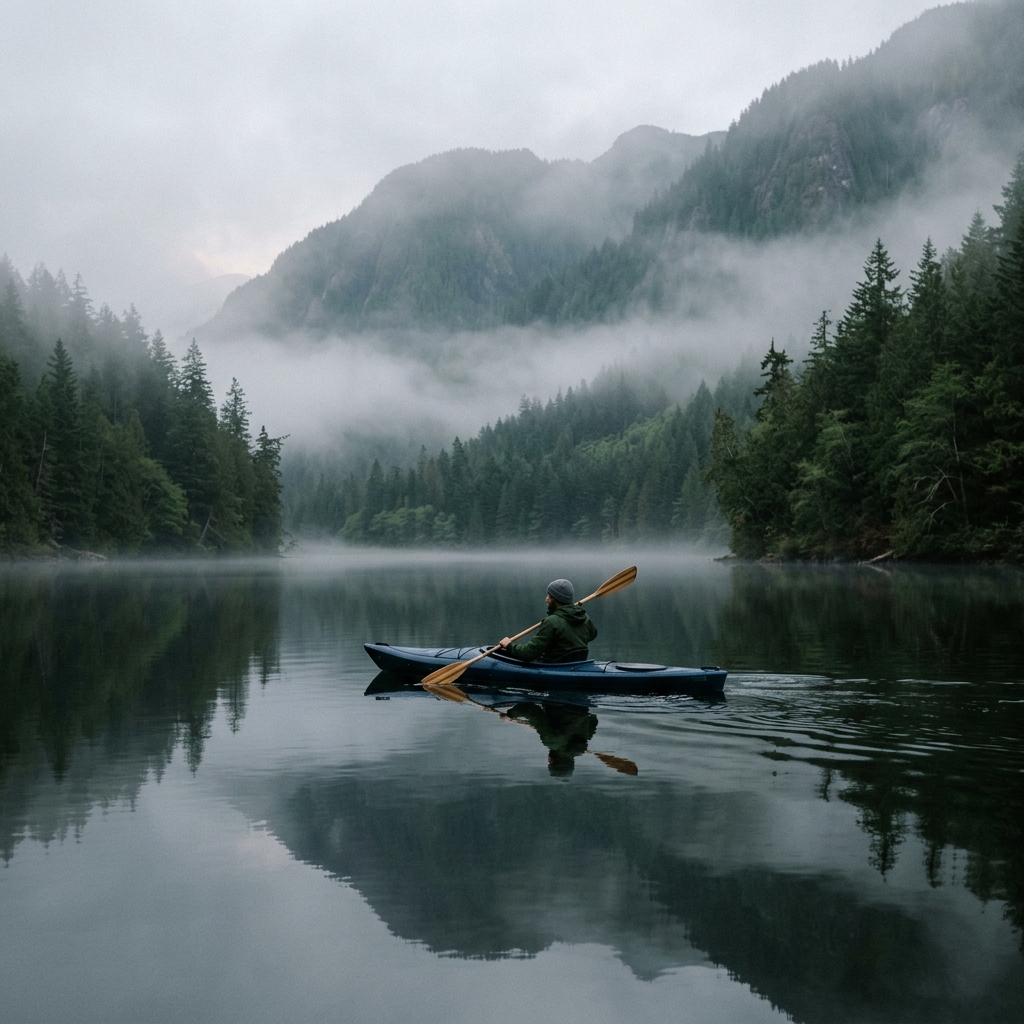
Unlike exercising indoors, paddling connects you directly to the environment. This deep connection helps people feel grounded and reduces symptoms associated with urban stress. It’s a powerful reminder of nature's restorative power.
What Safety Gear is Essential for Water Adventures?
Safety must always be the top priority when venturing onto the water. Proper preparation can prevent minor incidents from becoming major emergencies.
Must-Have Safety Equipment
- Personal Flotation Device (PFD): This is non-negotiable. Always wear a properly fitted, Coast Guard-approved PFD that fits snugly and is accessible.
- Navigation Tools: Carry a physical map, compass, or reliable GPS device, even if you plan to stay close to shore.
- Communication: Bring fully charged cell phones (in a waterproof case) and consider a whistle for signaling help.
- Hydration & First Aid: Pack ample water and a basic first-aid kit.
Essential Safety Techniques
- Check the Forecast: Never paddle without checking local weather reports, paying close attention to wind speed, current strength, and lightning risk.
- Tell Someone Your Plan: Always inform a reliable person (friend or family) of your intended route and expected return time.
- Paddle with a Buddy: Whenever possible, never paddle alone. A partner provides immediate support in an emergency.
- Know Your Limits: Start slow! Begin on calm lakes before attempting open rivers or ocean crossings.
Planning the Perfect Paddling Adventure
Whether you are aiming for peak fitness or peaceful reflection, planning is key to a successful trip.
Finding Local Waterways
- Local Resources: Check with local parks and recreation departments, outdoor gear shops, or paddling clubs—they often have up-to-date information on safe launch sites and conditions.
- Online Guides: Websites like the American Canoe Association (ACA) provide detailed maps and safety guidelines for various waterways.
Tips for a Successful Day Out
- Dress in Layers: Avoid cotton, which retains water and can lead to hypothermia. Opt for synthetic or wool layers.
- Respect Wildlife: Observe wildlife from a distance and never feed animals. Leave no trace behind—pack out all trash.
- Hydrate Constantly: Even on cooler days, physical exertion requires constant fluid intake.
Summary & Next Steps
Kayaking and canoeing are truly holistic activities that deliver powerful benefits to your body and mind. They offer a challenging workout for core strength and cardiovascular health while simultaneously providing the meditative escape needed to reduce stress. To start your journey: Start small. Choose a calm, local waterway, rent or borrow appropriate gear, wear your PFD, and enjoy the process of connecting with both nature and yourself.
Sources:
- American Canoe Association (ACA): https://www.americancanoe.org/
- United States Coast Guard (USCG): https://www.uscg.mil/
- Mayo Clinic - Exercise: 7 benefits of regular physical activity: https://www.mayoclinic.org/healthy-lifestyle/fitness/in-depth/exercise/art-20045092
Frequently Asked Questions
Yes, but safety is paramount. Always wear a properly fitted PFD, check the weather, and never paddle alone.