What Are the Fitness Benefits of Open Water Swimming?
Open water swimming is far more than just a refreshing dip; it is a comprehensive, low-impact full-body workout that combines physical conditioning with profound mental benefits. Unlike pool swimming, open water presents variable conditions—from currents and waves to varying temperatures—which challenge your body in unique ways. By engaging nearly every major muscle group while benefiting from the natural resistance of the water, you build endurance, improve cardiovascular health, and boost mood, all within a beautiful outdoor setting.
Why is Open Water Swimming Low-Impact?
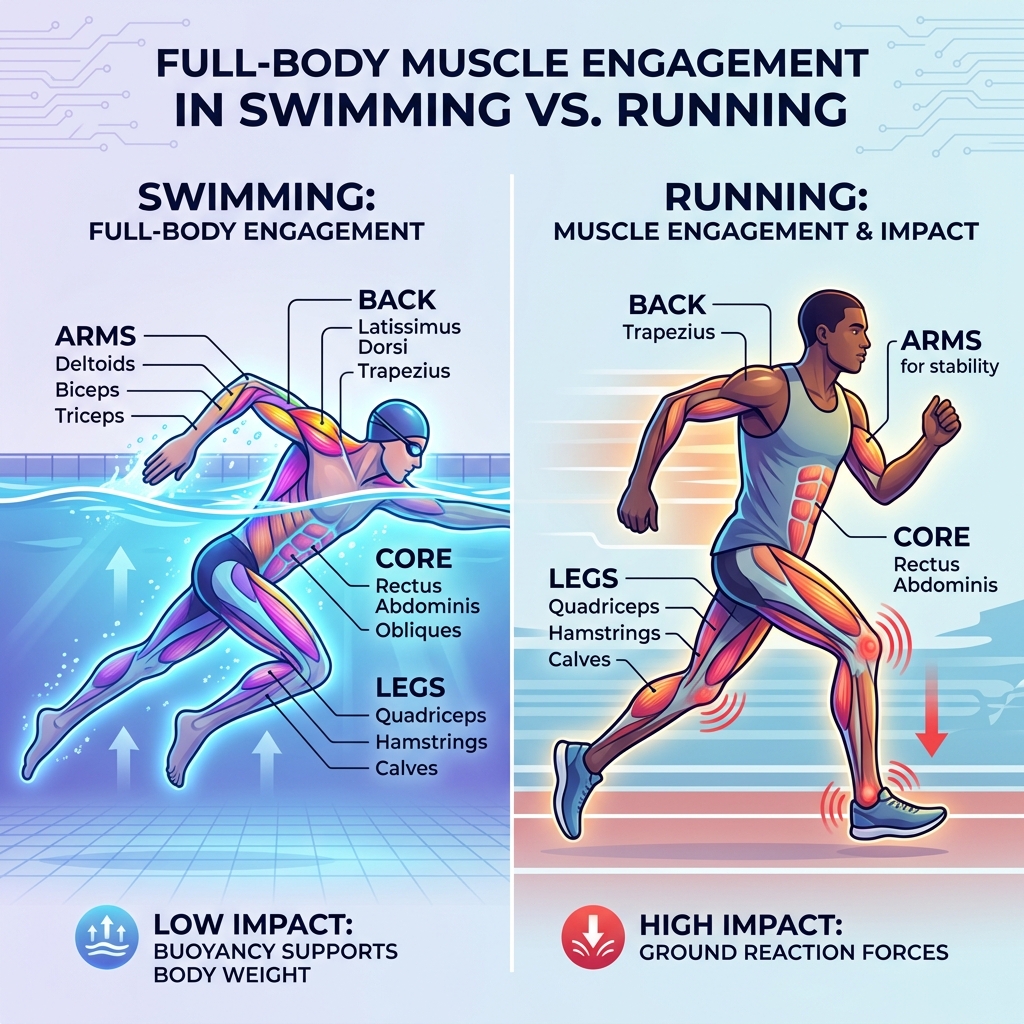
The primary advantage of swimming is buoyancy. The water supports up to 90% of your body weight, which significantly reduces stress on major joints like the knees, hips, and ankles. This makes it an ideal exercise for:
- Individuals with Arthritis or Joint Pain: It allows high-intensity movement without the jarring impact associated with running or jumping.
- Rehabilitation: Physical therapists often recommend swimming because it builds strength while minimizing joint stress.
- All Fitness Levels: Whether you are a beginner or an elite athlete, the water provides consistent resistance that can be adjusted to match your current fitness level.
How Does Swimming Improve Cardiovascular Health?
Swimming is one of the most effective cardiovascular exercises available. The rhythmic nature of the stroke keeps your heart rate elevated and improves circulation efficiency. Regular practice helps:
- Strengthen the Heart: It builds cardiac muscle strength, making it more efficient at pumping blood.
- Manage Blood Pressure: Consistent aerobic activity helps regulate blood pressure levels over time.
- Improve Lung Capacity: The controlled breathing required in swimming strengthens respiratory muscles and increases overall lung capacity, leading to better oxygen intake.
Beyond the Body: Mental Health Benefits
The mental benefits of open water swimming are often as profound as the physical ones. Being immersed in nature—the sound of waves, the fresh air, the vastness of the sky—provides a powerful form of natural therapy.
- Stress Reduction: The rhythmic motion and focus required for swimming can induce a meditative state, helping to lower cortisol (the stress hormone) levels.
- Mood Elevation: Exercise releases endorphins, natural mood boosters that combat symptoms of anxiety and depression.
- Connection with Nature: Spending time in natural environments is scientifically proven to improve overall well-being and reduce feelings of isolation.
Finding Safe Open Water Locations: Lakes, Oceans, and Rivers
Before you dive in, understanding the unique characteristics and risks of different bodies of water is crucial. Safety must always be your top priority.
🌊 Ocean Swimming
Ocean swimming offers powerful waves and currents, providing a dynamic workout. However, it requires vigilance regarding marine hazards.
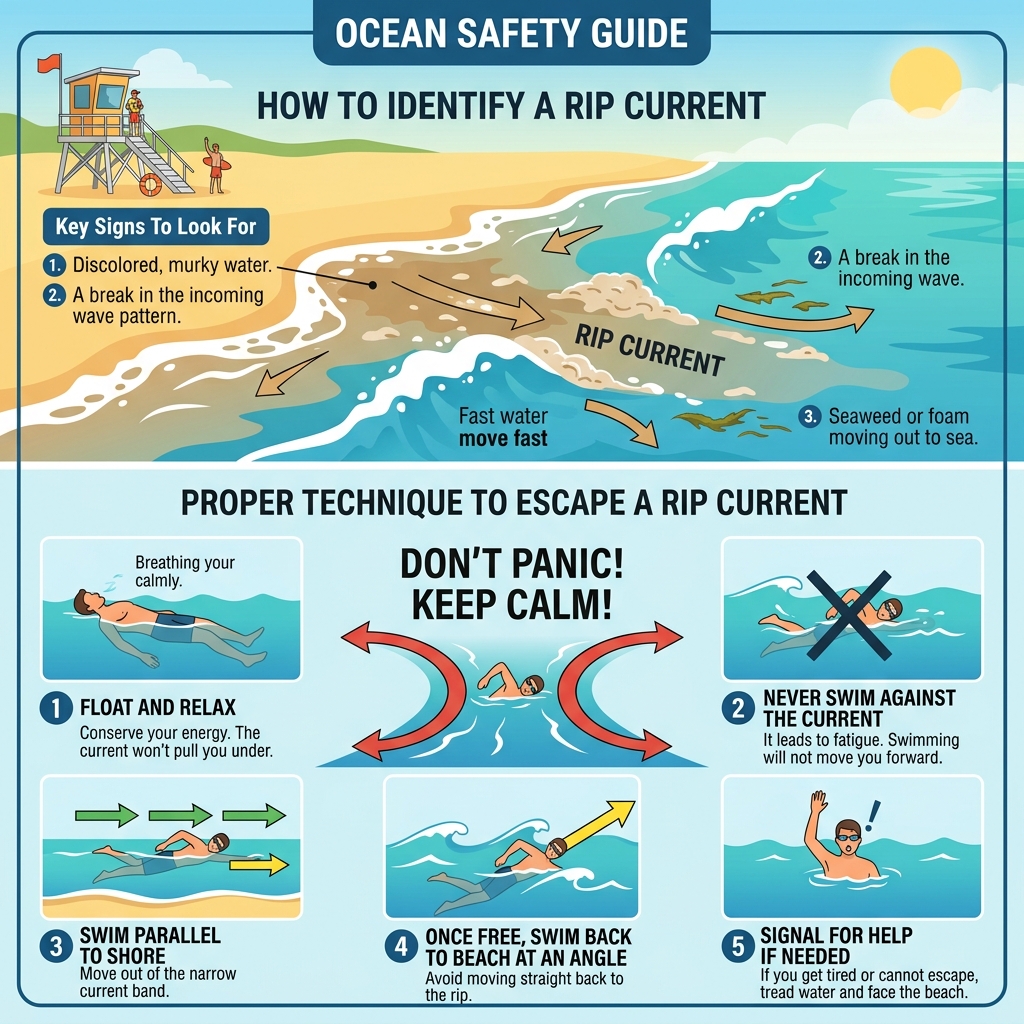
- Key Hazards: Strong rip currents (fast-moving, narrow channels of water), unpredictable tides, and strong undertows.
- Safety Tip: Always swim parallel to the shore rather than directly out. If caught in a rip current, do not fight it; instead, swim parallel to the beach until you are clear of the current, then swim back toward the shore.
🏞️ Lake Swimming
Lakes can be beautiful and calm, but they often have variable depths and temperature changes.
- Key Hazards: Sudden drop-offs (steep sides), excessive algae blooms (which can indicate poor water quality), and boat traffic.
- Safety Tip: Choose lakes with designated swimming areas and clear signage. Never swim near active docks or boat ramps.
🛶 River Swimming
Rivers are often the most unpredictable environment, combining flowing currents with submerged obstacles.
- Key Hazards: Strong, rapidly changing currents; hidden debris (logs, rocks); and increased turbidity after heavy rain.
- Safety Tip: Only swim in rivers known to be safe for swimming. Always wear a Personal Flotation Device (PFD) and never dive into unknown depths.
⚠️ Essential Safety Checklist: Before You Enter the Water
- Check Conditions: Review local water quality reports, tide charts, and weather forecasts. Avoid swimming during thunderstorms or high winds.
- Never Swim Alone: Always swim with a buddy or in a group. If an emergency occurs, someone is there to assist.
- Know Your Limits: Be honest about your fitness level. Start slow and gradually increase distance.
- Inform Someone: Tell a friend or family member exactly where you are going and when you expect to return.
Essential Gear for Open Water Swimming Safety & Comfort
Proper equipment doesn't just enhance performance; it is critical for safety in unpredictable open water environments.
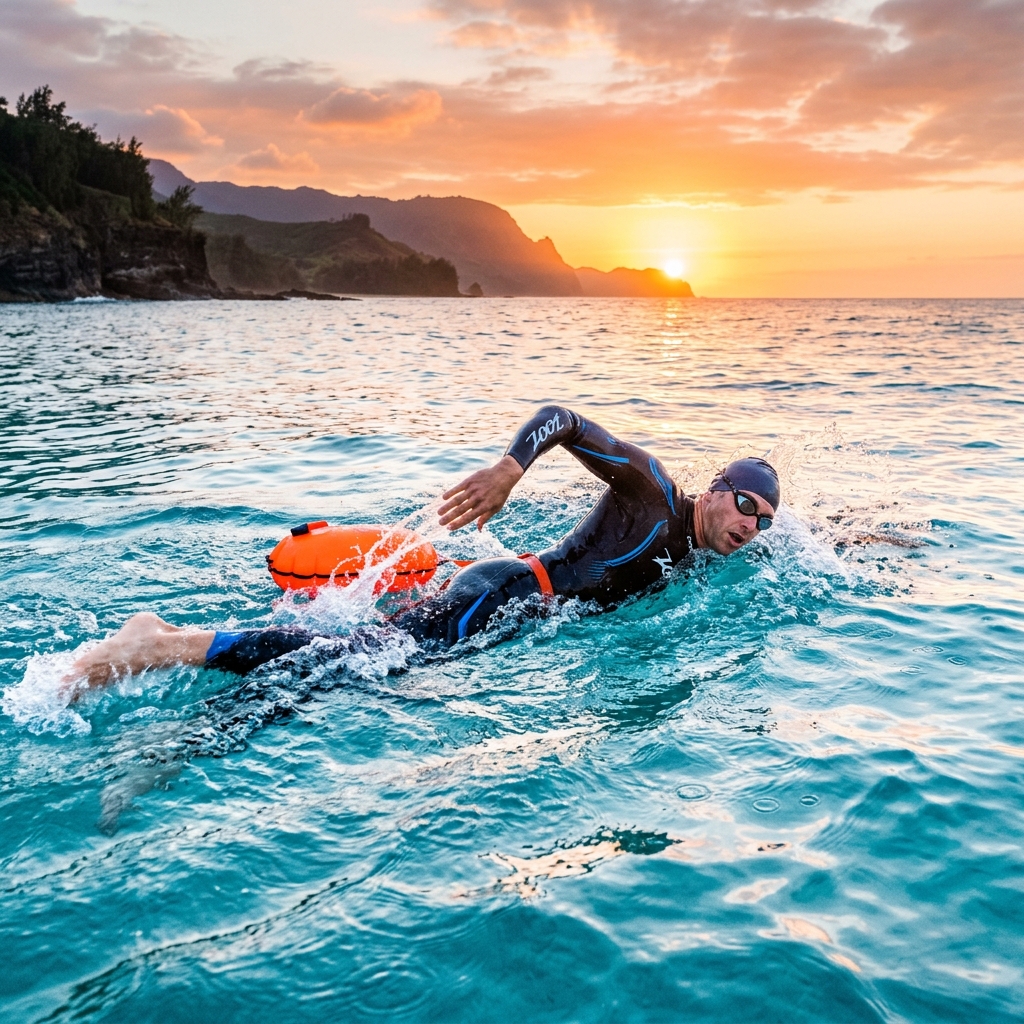
- Wetsuit: Crucial for cold water. A wetsuit provides thermal insulation, preventing hypothermia and allowing you to stay active longer. Choose a thickness appropriate for the expected water temperature.
- Brightly Colored Swim Buoy/Tow Float: This is perhaps the most important piece of safety gear. It dramatically increases your visibility to boats, other swimmers, and rescue personnel.
- Goggles (Anti-Fog): Protects your eyes from salt, debris, and chlorine while maintaining clear vision underwater. Anti-fog coatings are highly recommended.
- Whistle: A simple whistle is a powerful emergency tool. It provides an audible signal that can alert others to your distress when speaking might be difficult.
- Waterproof Phone/GPS Watch: Used for tracking distance, time, and pace. In emergencies, it can also provide location data.
- Sun Protection: Always use high-SPF waterproof sunscreen, wear a hat (if not swimming), and consider UV-protective swim caps to prevent skin damage.
Adapting Your Technique: From Pool Lane to Open Water
The controlled environment of a pool is vastly different from the dynamic nature of open water. To maximize your workout and minimize risk, you must adapt several core techniques.
🏊 Key Techniques for Open Water Success
- Sighting: This is the most critical skill. Instead of swimming in straight lines between lane markers, you must periodically lift your head to look ahead (sighting) to maintain a true course toward your destination. Practice this frequently!
- Bilateral Breathing: When waves or currents hit, it can be difficult to breathe on one side. Practicing breathing equally and rhythmically on both sides of the stroke helps keep you balanced and prevents hyperventilation.
- Pacing and Drafting: Start with a controlled pace (pacing) rather than sprinting. If possible, practice drafting—swimming close behind another swimmer—to reduce drag and conserve energy over long distances.
- Managing Waves and Currents: Do not fight the waves; learn to swim through them by timing your strokes between wave crests. When facing a current, adjust your angle of travel rather than trying to power against it directly.
Summary & Next Steps
Open water swimming offers an unparalleled blend of physical challenge and mental rejuvenation. By respecting the natural environment, prioritizing safety gear (especially visibility buoys), and mastering open-water techniques like sighting and bilateral breathing, you can unlock a rewarding fitness experience. Start small—perhaps with a supervised swim in a calm lake—and gradually build your endurance and confidence.
Ready to make a splash? Always check local guidelines, start with a buddy, and let the natural beauty of the water motivate your next workout!
Frequently Asked Questions
Open water swimming can be extremely rewarding but requires strict adherence to safety protocols. Always swim with a buddy, check local conditions, and never swim alone.