What are the benefits of making physical activity a family tradition?
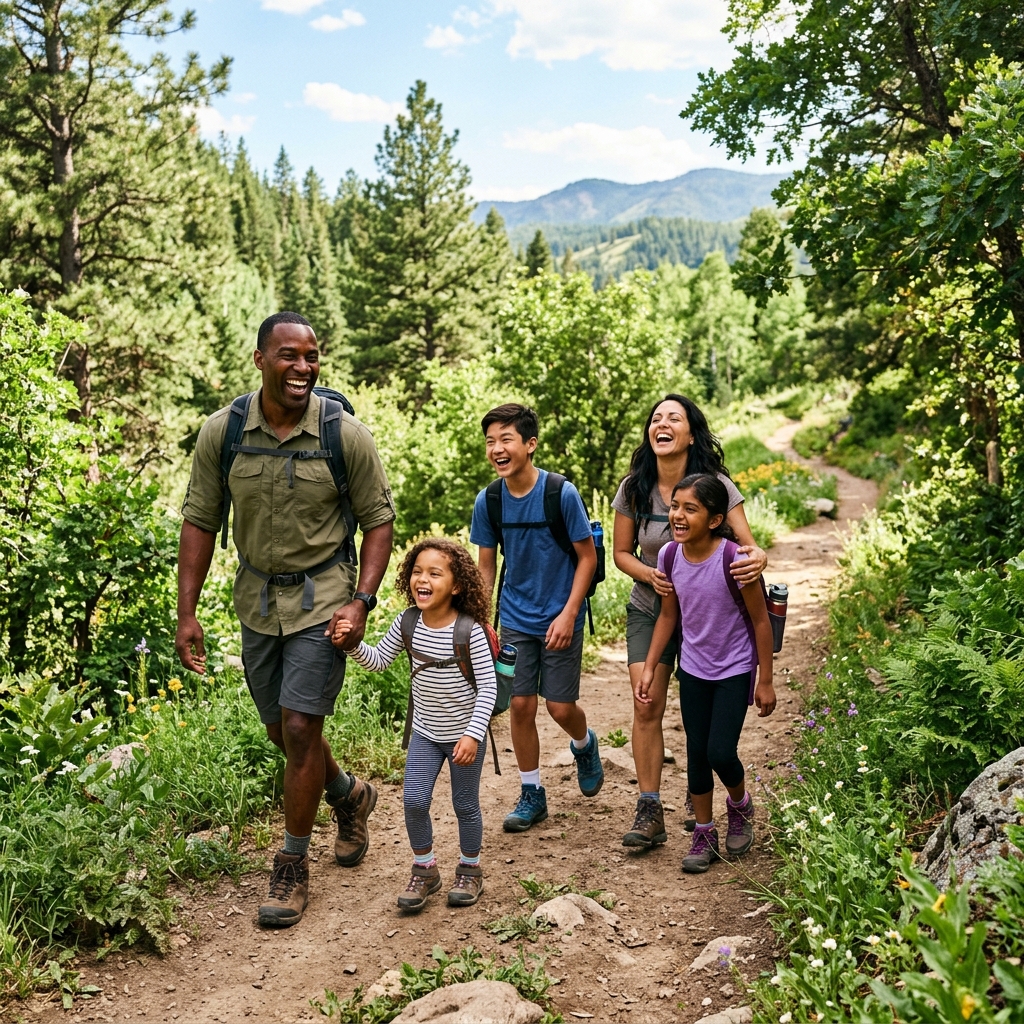
Engaging in outdoor activities as a family is one of the most powerful ways to build lasting health and strengthen emotional bonds. It's not just about burning calories; it’s a holistic investment that improves physical fitness, boosts mental well-being, and teaches children the invaluable habit of being active. By making movement a shared, positive experience, families create memories while establishing healthy habits for life.
Why Should Families Prioritize Outdoor Movement?
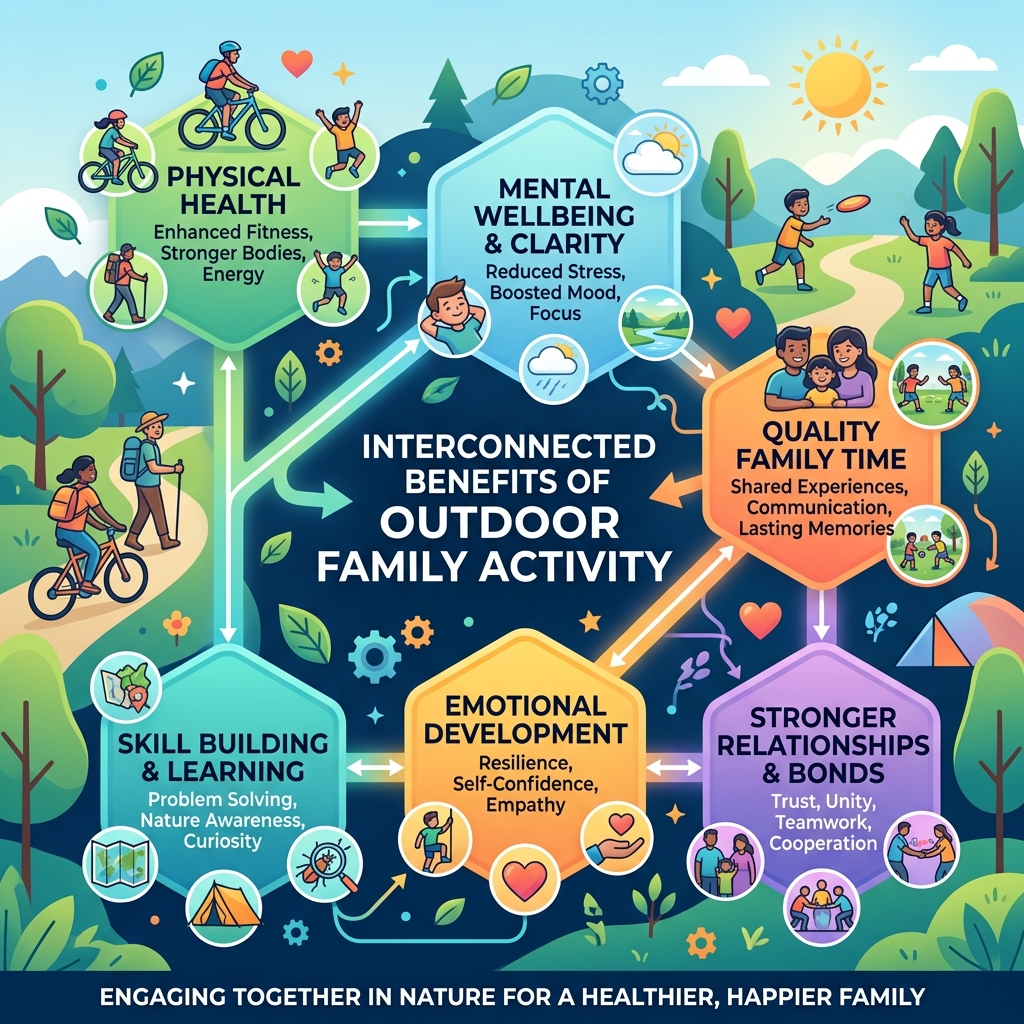
The advantages of making nature and movement a routine are extensive, impacting every member of the household:
- Improved Physical Health: Regular physical activity is crucial for preventing chronic diseases like heart disease and type 2 diabetes. For children, early activity helps establish strong musculoskeletal foundations.
- Enhanced Mental Well-being: Spending time in nature has proven stress-reducing effects. Outdoor exercise releases endorphins, acting as a natural mood booster that can significantly reduce symptoms of anxiety and depression.
- Stronger Family Bonds: Shared physical challenges—whether it's navigating a trail or playing catch—create powerful, positive memories. These shared experiences foster communication, teamwork, and mutual support.
- Better Sleep Quality: Physical exertion helps regulate natural sleep cycles. Active families tend to fall asleep faster and enjoy deeper, more restorative rest.
- Cognitive Development: Studies show that physical activity improves cognitive function in all ages, enhancing memory, attention span, and problem-solving skills—especially vital for developing minds.
What Age-Appropriate Activities Can the Whole Family Enjoy?
The key to successful family fitness is selecting activities that are engaging and safe for everyone. Here is a guide broken down by age group to help you plan your next adventure:
For Toddlers (Ages 1–3)
Focus on sensory exploration and simple motor skills. Keep sessions short, prioritizing fun over distance.
- Nature Walks: Explore local parks; let them touch leaves, splash in puddles, and observe nature up close.
- Playground Fun: Simple climbing, sliding, and swinging are perfect for developing gross motor skills.
- Bubble Chasing: A simple game that encourages movement, laughter, and coordination.
For Preschoolers (Ages 3–5)
This stage is about building balance and curiosity.
- Balance Bikes/Bike Rides: Start with short rides on flat surfaces to improve coordination. Always wear a helmet.
- Nature Scavenger Hunts: Create lists of items (red leaf, smooth stone, feather) to find, encouraging observation and exploration.
- Simple Sports: Play games like catch or kickball in the yard to introduce basic throwing and kicking skills.
For School-Aged Children (Ages 6–12)
They are ready for structured fun and developing athletic skills.
- Hiking: Choose moderate trails with interesting features (streams, rock formations). Teach them about local ecology along the way.
- Organized Sports: Encourage participation in team sports like soccer or basketball to build teamwork and discipline.
- Biking/Skateboarding: Longer rides on designated paths are excellent for building endurance and safety awareness.
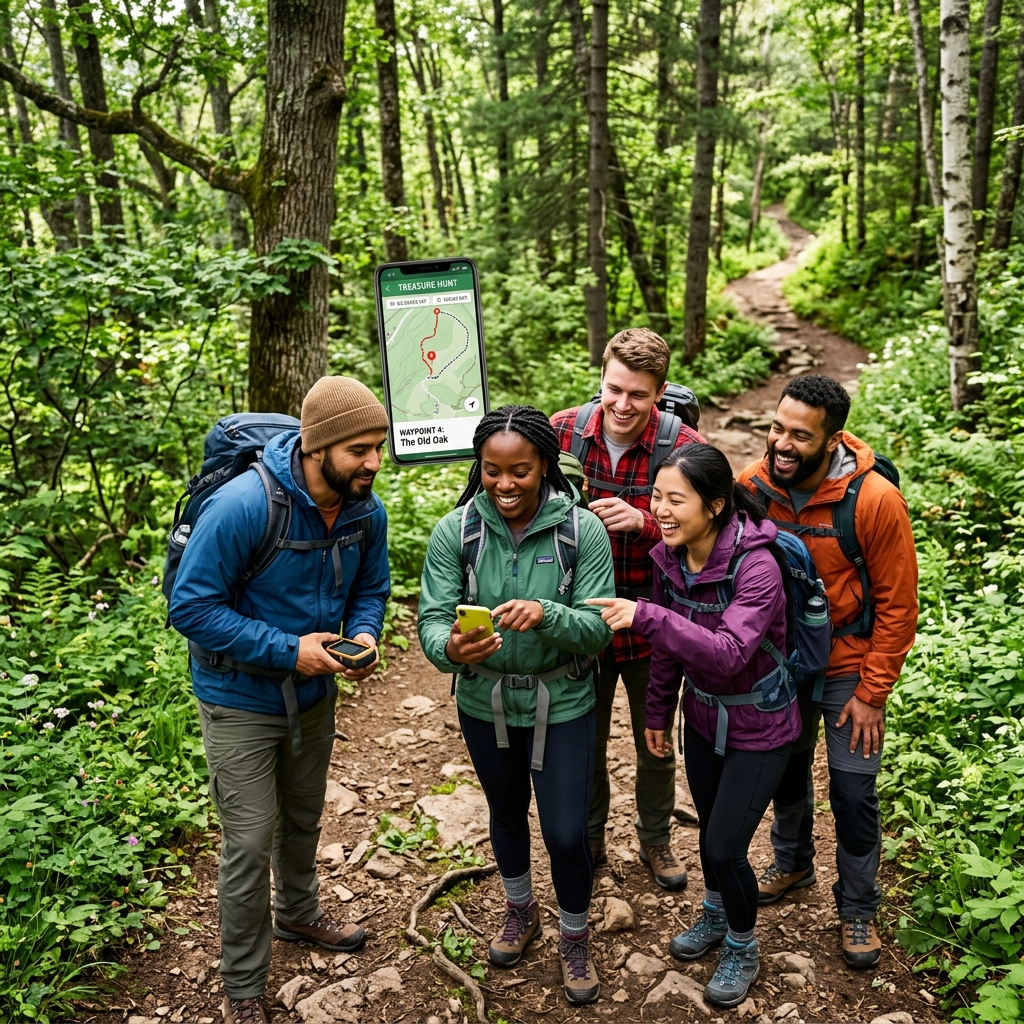
- Geocaching: Using GPS coordinates to find hidden "treasures" turns a walk into an exciting, goal-oriented adventure.
For Teenagers (Ages 13–19)
Focus on challenge, independence, and skill mastery.
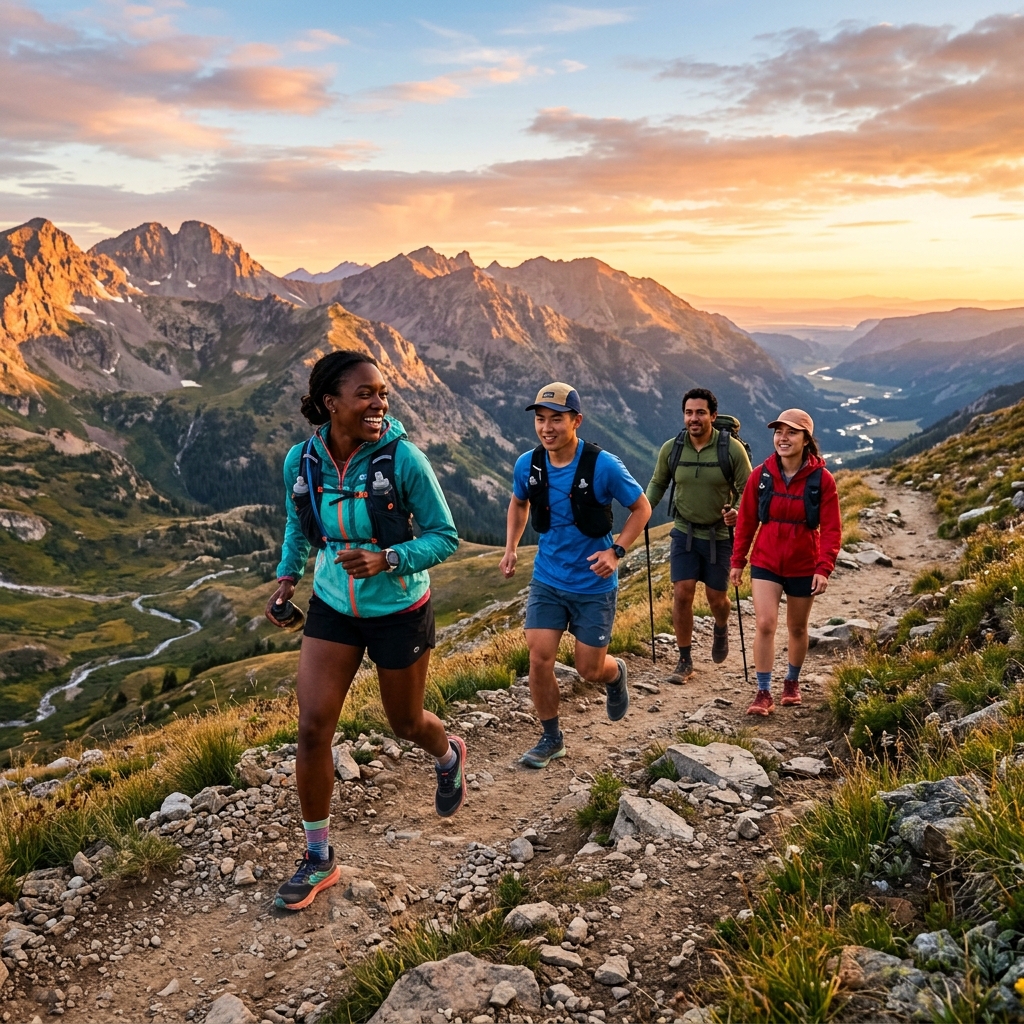
- Challenging Hikes: Tackle more difficult trails that require endurance and planning.
- Individual Sports: Encourage running, cycling, or rock climbing to build self-discipline and physical strength.
- Water Activities: Kayaking, canoeing, or paddleboarding are great for core strength and enjoying the outdoors.
For Adults & Seniors
The goal is sustainable movement that respects individual fitness levels.
- Low-Impact Options (Seniors): Walking, swimming, Tai Chi, and chair yoga are excellent choices that are gentle on joints while maintaining flexibility and balance.
- Mixed Training (Adults): Combine activities for maximum benefit: cardio (running/biking) + strength training (bodyweight exercises) + flexibility (stretching).
How to Plan Successful and Fun Family Adventures?
Planning is key to avoiding burnout and ensuring everyone has a good time. Use these actionable tips before heading out the door:
- Prioritize Choice: Never force an activity. Involve every family member in the planning process so they feel ownership over the outing.
- Set Realistic Goals: Start small (e.g., a 30-minute walk) and gradually increase duration or intensity. This prevents early frustration and injury.
- Make it a Game, Not a Chore: Turn exercise into an adventure. Use scavenger hunts, set up "race" segments, or bring music to keep the energy high.
- Be Flexible (The Weather Plan): Always have a backup plan for rain or extreme heat. Be willing to adjust your itinerary based on everyone’s mood and energy levels that day.
- Pack Smart & Safe: Essential items include sunscreen, hats, insect repellent, plenty of water, snacks, and a basic first-aid kit.
- Teach Environmental Stewardship: Make "Leave No Trace" principles part of the fun—pack out all trash and stay on marked trails to teach respect for nature.
Building Lasting Habits: Making Fitness Routine
To ensure outdoor activity becomes a permanent family tradition, focus on consistency and positive reinforcement.
- Lead by Example: The most powerful motivator is seeing your parents active. Make exercise visible in your own routine.
- Schedule It Like an Appointment: Treat family fitness time with the same importance as school or work commitments. Consistency builds habit.
- Celebrate Effort, Not Perfection: Praise effort and participation ("You kept going even when it was hard!") rather than focusing only on speed or distance. This keeps motivation intrinsic.
- Find a Theme: Create a family tradition around an activity—like "Saturday Trail Day" or "Monthly Bike Ride"—to build anticipation and expectation.
Summary & Next Steps
Family fitness is more than just physical movement; it's about building resilience, connection, and lifelong healthy habits together. By viewing outdoor time as quality bonding time, you are investing in your family’s overall happiness and health for decades to come. Start small, keep the focus on fun, and let the adventures begin!
Sources & Further Reading:
- American Heart Association (AHA): https://www.heart.org/
- Centers for Disease Control and Prevention (CDC): https://www.cdc.gov/
- National Institutes of Health (NIH): https://www.nih.gov/
Frequently Asked Questions
Aim for at least three dedicated outdoor activity sessions per week. Consistency is more important than intensity.