
Why Should You Ditch the Gym for Outdoor Workouts?
If you feel stuck in a monotonous gym routine, transitioning your fitness to nature is one of the most powerful shifts you can make. Outdoor exercise provides a unique synergy of physical challenge and mental restoration. It not only boosts cardiovascular health but also significantly reduces stress by connecting you with natural environments—a benefit often unmatched by indoor facilities.
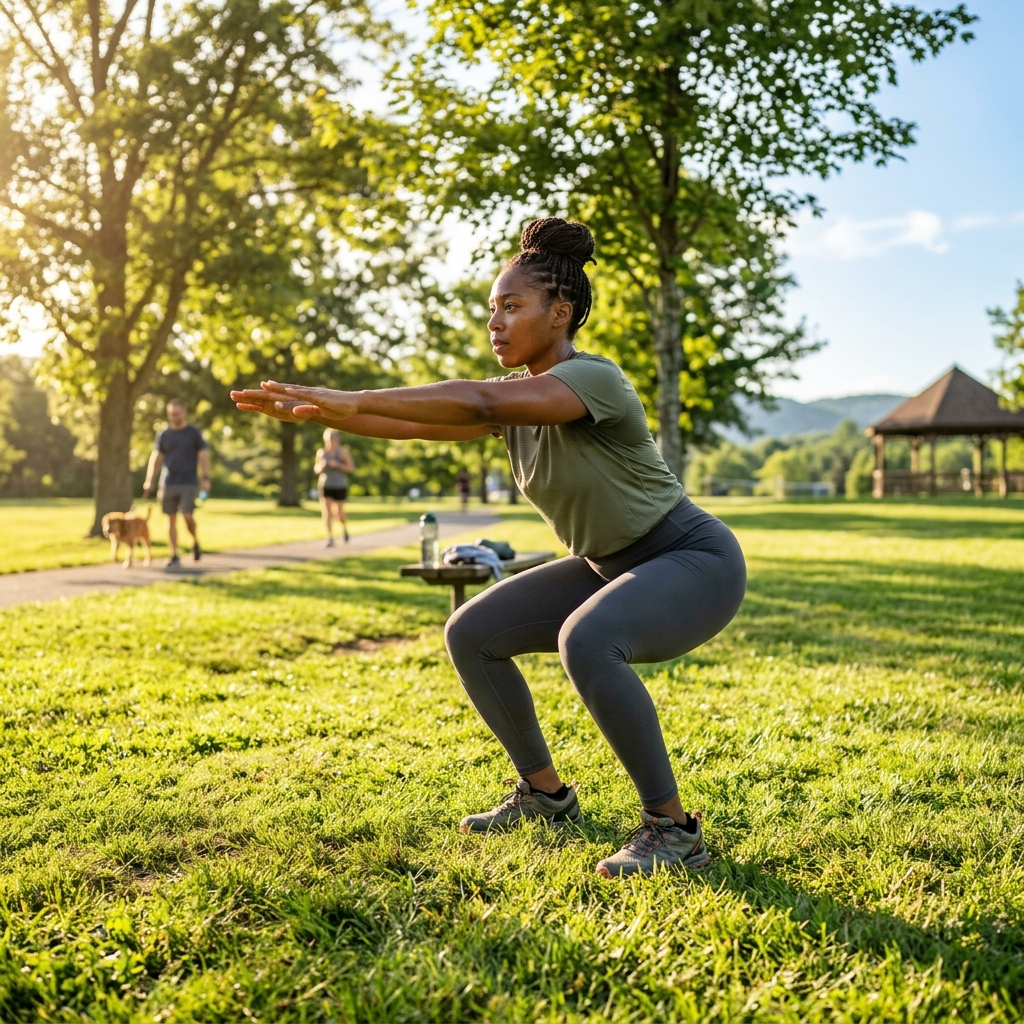
What Are the Proven Physical Benefits of Nature Fitness?
Moving outside engages your body differently than working on fixed machines. The natural environment provides varied resistance and challenges that enhance overall physical capability.
- Vitamin D Synthesis: Sunlight is nature's most potent source of Vitamin D, which is vital for bone density, immune function, and mood regulation. A short period of sun exposure during your workout helps optimize this crucial vitamin level.
- Enhanced Cardiovascular Challenge: Activities like hiking or trail running force you to navigate uneven terrain, requiring greater balance and stability than a flat treadmill. This variability provides a more intense and holistic cardiovascular workout.
- Full-Body Strength Building: The outdoors naturally incorporates resistance training. Climbing hills builds leg strength, while using park benches for step-ups strengthens the glutes—all without needing weights.
- Improved Sleep Quality: Combining physical exertion with exposure to natural light helps regulate your circadian rhythm. This natural timing signal is key to falling asleep and waking up feeling refreshed.
How Does Nature Exercise Benefit Your Mental Health?
The mental advantages of outdoor fitness are often cited as its greatest benefit. Spending time in green spaces has measurable positive effects on cognitive function and emotional well-being.
- Stress Reduction (Lowering Cortisol): Studies show that exposure to natural environments significantly lowers levels of cortisol, the primary stress hormone. The sights, sounds, and smells of nature have a profound calming effect on the nervous system.
- Mood Enhancement: Exercise releases endorphins, but combining this with nature's restorative power creates a powerful mood boost. It is an effective, natural antidote to anxiety and low mood.
- Increased Motivation & Engagement: Unlike the predictable environment of a gym, the outdoors offers constant novelty—a new trail, different weather, or scenic views. This variety keeps your mind engaged and makes exercise feel less like a chore.
- Cognitive Clarity: Taking breaks in nature has been linked to improved focus and concentration. The open space allows your mind to wander productively, improving overall mental clarity.
What Activities Can You Do Outdoors?
The beauty of outdoor fitness is the sheer variety. Whether you are looking for a low-impact stroll or a high-intensity challenge, there is an activity that fits your goals and location.
- Low Impact & Accessible:
- Brisk Walking/Strolling: Excellent for beginners; focus on maintaining a brisk pace to elevate the heart rate.
- Gardening: A surprisingly effective workout! Digging, bending, and lifting while planting builds core strength and flexibility.
- Yoga/Pilates in the Park: Utilizing open space allows you to connect movement with natural surroundings.
- Cardio & Endurance Focused:
- Hiking/Trail Running: The ultimate full-body challenge. Varying terrain builds ankle stability, knee strength, and endurance simultaneously.
- Cycling (Road or Mountain): Great for building leg power and exploring new areas while getting a high-calorie burn.
- Swimming: If near water, swimming is non-weight bearing, making it ideal for joint health while providing a full-body workout.
- Strength & Skill Building:
- Calisthenics in the Park: Use natural structures (benches, railings) for bodyweight exercises like pull-ups, dips, and step-ups.
- Team Sports: Organizing games of basketball or soccer with friends adds a social element that boosts accountability and fun.
How Do I Start My Outdoor Fitness Journey Safely?
Transitioning from an indoor routine requires planning to ensure consistency and prevent injury. Follow these steps for a smooth, sustainable start:
- Start Small and Build Gradually: If you are used to 30 minutes on the treadmill, begin by walking briskly outside for 15–20 minutes. Slowly increase both duration and intensity over several weeks.
- Prioritize Enjoyment Over Intensity: Choose activities that genuinely excite you. The key to long-term fitness is finding something you look forward to doing.
- Find an Accountability Partner: Working out with a friend makes the experience more fun, safer, and significantly increases your chances of sticking with it.
- Plan Your Route: Before leaving home, research local trails or parks. Knowing where you are going reduces hesitation and ensures you have a clear goal for your workout.
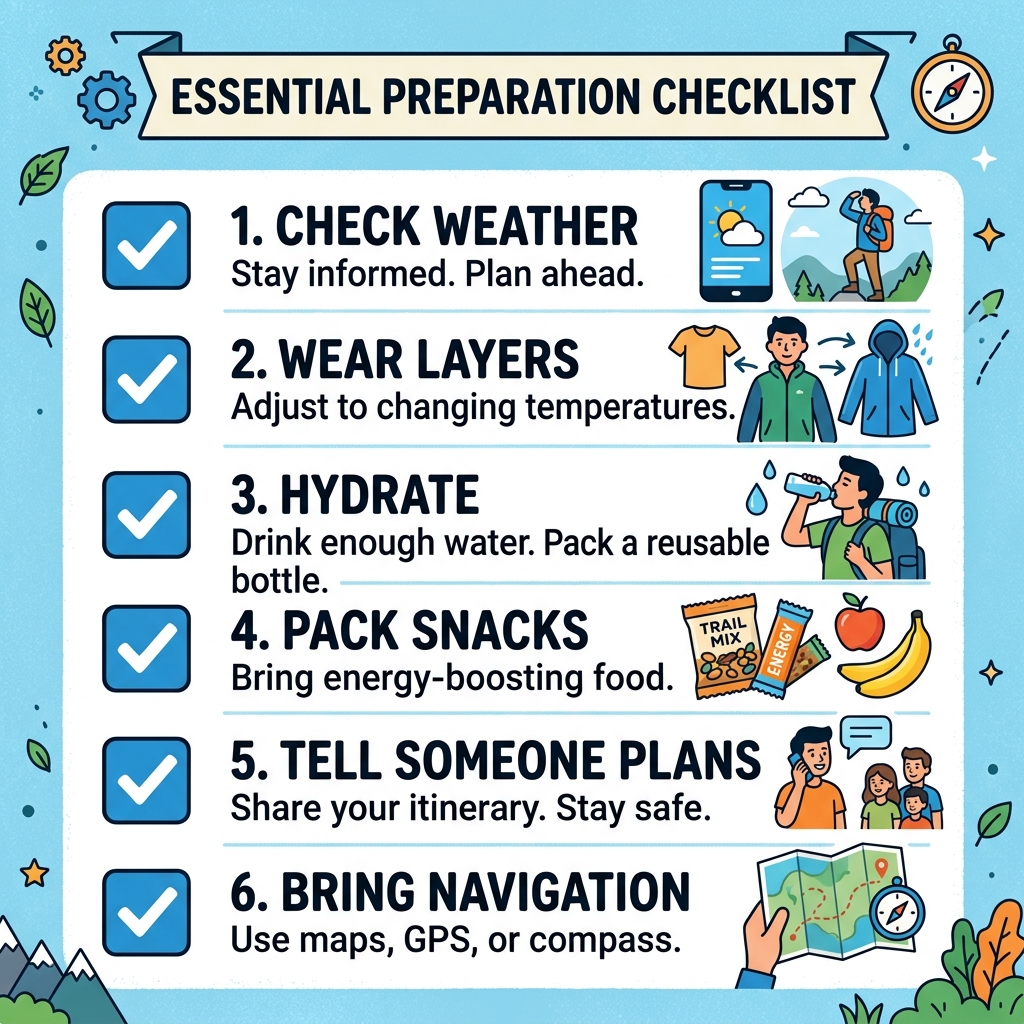
⚠️ Essential Safety Checklist for Outdoor Workouts
While the benefits are immense, nature requires respect. Adhering to these safety protocols is non-negotiable for minimizing risk.
- Weather Preparedness: Always check the forecast. Dress in layers that can be removed as you warm up. Carry rain gear or sun protection regardless of the initial prediction.
- Sun Protection: Apply SPF 30+ sunscreen liberally to all exposed skin and reapply every two hours, especially if sweating. Wear a wide-brimmed hat and sunglasses.
- Hydration is Key: Always carry more water than you think you need. Drink small amounts of water before, during, and after your activity to prevent dehydration.
- Situational Awareness (The "Tell Someone" Rule): Inform a friend or family member about your specific route and when you expect to return. Carry identification in case of an emergency.
- Footwear Matters: Never underestimate the importance of proper shoes. For hiking or trail running, wear sturdy footwear with good ankle support to prevent slips on uneven terrain.
- Wildlife & Flora Awareness: Be aware of your surroundings. Learn to identify local poisonous plants (like poison ivy) and maintain a safe distance from wildlife.
Summary: Embrace the Freedom of Movement
Outdoor fitness is more than just an alternative; it's an upgrade for both body and mind. By embracing nature, you gain not only physical strength but also mental resilience and a profound sense of connection to the world around you. Start small, stay consistent, and let the natural environment be your gym.
Frequently Asked Questions
Yes, but safety requires preparation. Always check the weather, wear appropriate gear, and inform someone of your route.