Transforming Your City into a Personal Outdoor Gym
Feeling restricted by expensive gym memberships or monotonous indoor routines? The truth is, your city—with its parks, trails, and public plazas—is already equipped with an incredible, free fitness center. You can achieve powerful workouts using nothing but bodyweight and the natural features of your environment. By incorporating stairs, benches, and varied terrain into your routine, you not only build strength and cardio endurance but also gain the mental health benefits that come from connecting with nature.
Why is Outdoor Fitness Beneficial for Your Health?
Outdoor exercise offers unique advantages over traditional gym settings:
- Holistic Workout: Unlike machines that isolate muscle groups, outdoor workouts require you to engage in multi-planar movements. Navigating uneven trails or climbing stairs forces your core, balance, and stabilizing muscles to work harder.
- Mental Boost (Nature Therapy): Studies consistently show that exposure to natural environments reduces levels of the stress hormone cortisol, improving mood and overall mental clarity alongside physical fitness.
- Accessibility & Cost: The biggest benefit is the elimination of membership fees and the convenience of having a gym literally steps from your home or workplace.
How Can You Use Parks and Trails for Cardio Training?
Parks and trails are not just places for leisurely walks; they are dynamic workout zones perfect for cardiovascular conditioning. To maximize your effort, focus on varying your intensity and utilizing natural gradients.
Maximizing Park Runs and Walks
Instead of maintaining a steady pace, incorporate interval training to boost calorie burn and endurance:
- Sprinting Intervals: Sprint at maximum effort for 30–60 seconds, followed by an active recovery walk or jog for 1–2 minutes. Repeat this cycle 8–10 times.
- Hill Repeats (If Available): Find a gentle incline or hill. Run up the hill as fast as you can, then walk back down slowly. This builds incredible quadriceps and glute strength.
- Pace Variation: Mix brisk walking with jogging segments to keep your heart rate elevated without overexertion.
Utilizing Trails for Balance and Strength
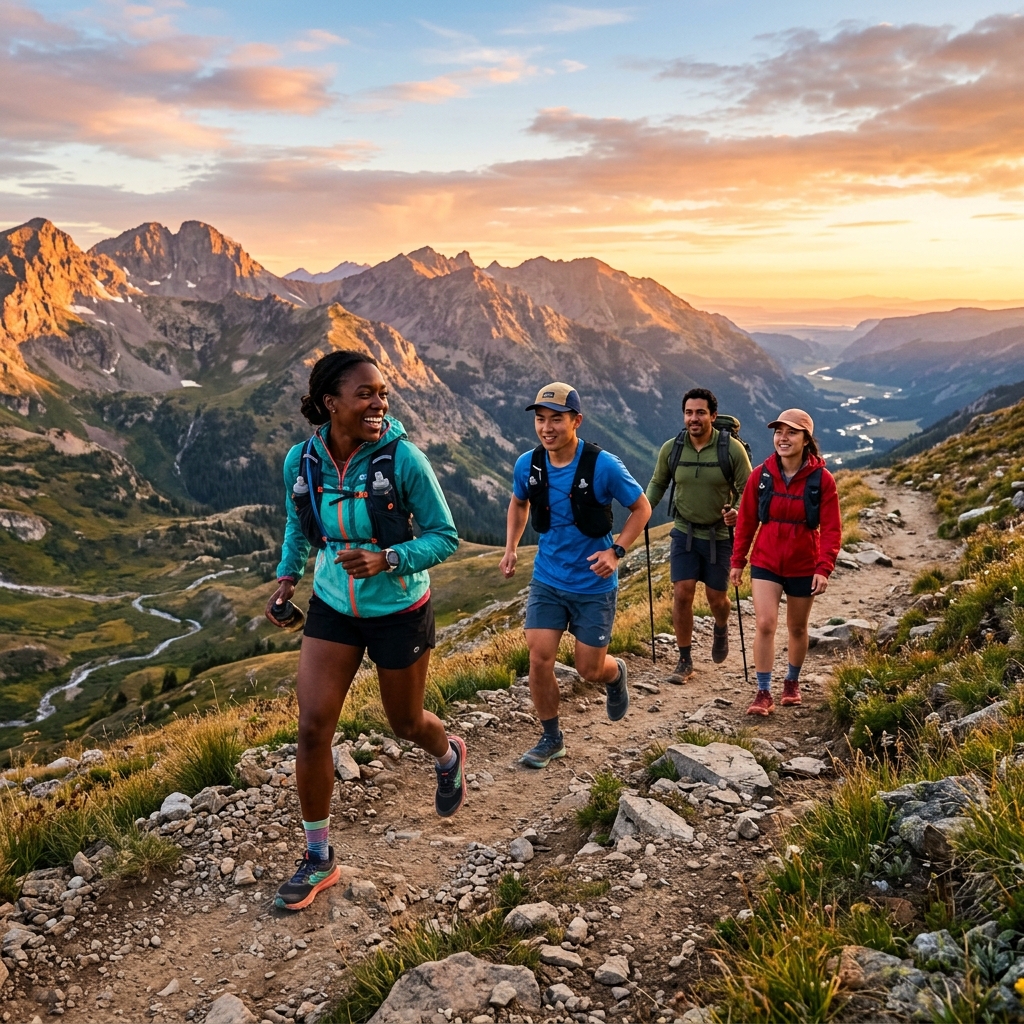
Trail running and hiking are excellent full-body workouts that challenge more than just your cardiovascular system:
- Focus on Foot Placement: Pay attention to where you step. This constant micro-adjustment strengthens the small stabilizing muscles in your ankles, knees, and hips—crucial for preventing injury.
- Vary Terrain: Running across gravel, grass, or packed dirt engages different muscle groups compared to running on a flat pavement.
- Trail Intervals: Alternate between fast sections (sprints) and slower, more controlled sections (power walking).

What Bodyweight Exercises Can You Do in Public Spaces?
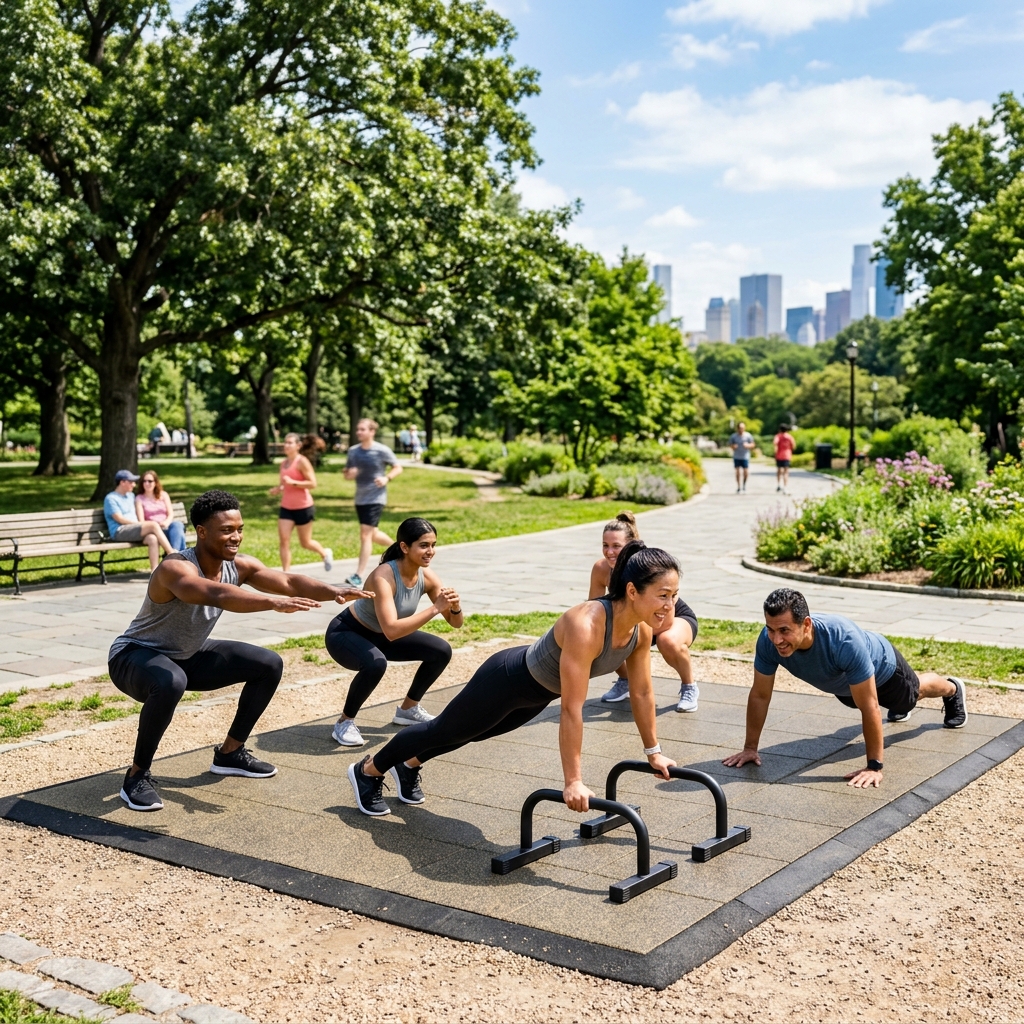
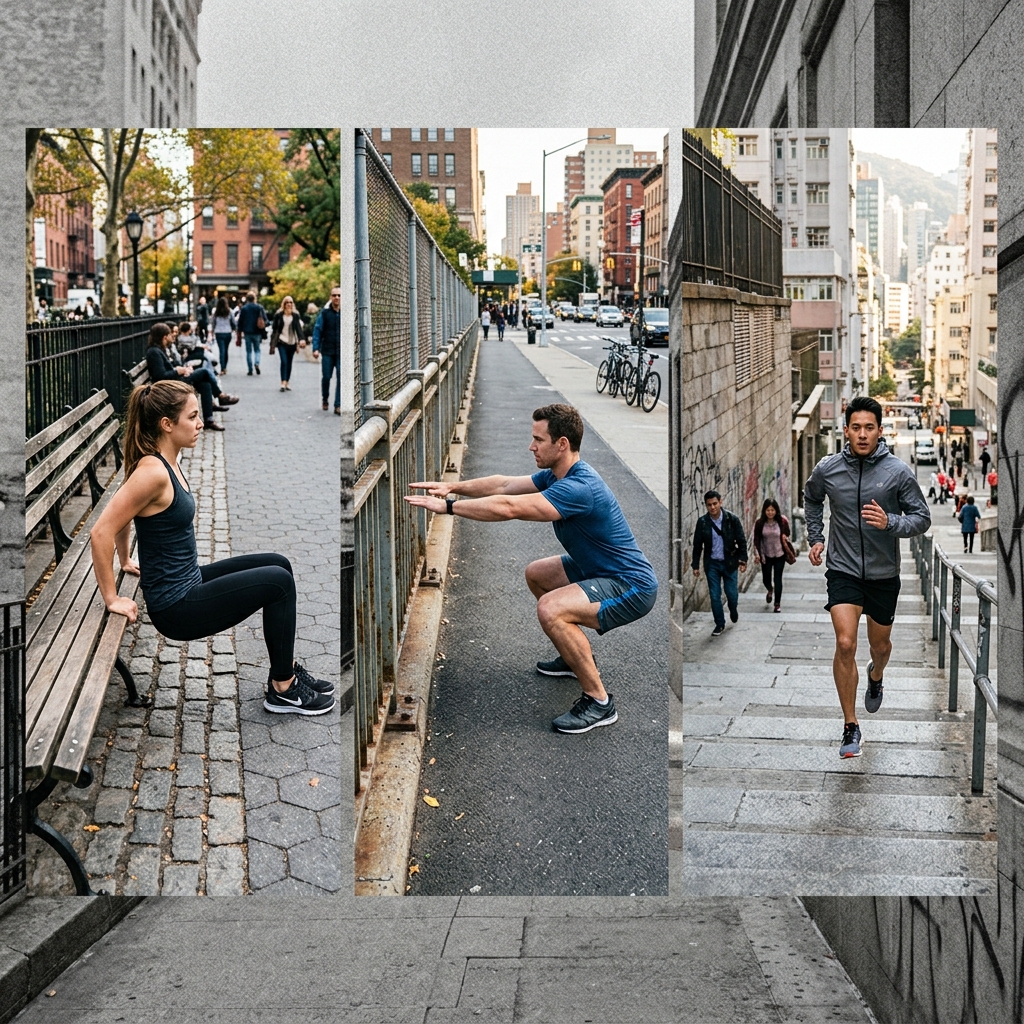
The best part about urban fitness is that you don't need specialized equipment. Benches, stairs, railings, and walls become functional resistance tools for a comprehensive bodyweight circuit.
Using Stairs: The Ultimate Cardio Tool
Staircases offer an intense, low-impact way to build explosive power and endurance.
- Stair Sprints: Run up the stairs quickly (or jog) and walk down slowly. Repeat 8–12 times.
- Single-Leg Step Ups: Use a stair step. Step up with your right leg, then bring your left leg up to meet it. Step back down. This targets quadriceps and glutes while improving unilateral strength (strength on one side).
- Incline Push-ups: Place your hands on the edge of a sturdy staircase or bench. The higher the surface, the easier the push-up; the lower, the harder it is.
Leveraging Benches and Railings
Benches are perfect for modifying classic gym exercises:
- Triceps Dips: Sit on the edge of a sturdy bench (ensure it's stable). Place hands next to your hips and use your triceps to lift your body up and down.
- Step-Ups: Use the bench height as a platform. Step onto the bench with one leg, driving through the heel, then step back down. Perform repetitions on each leg.
- Incline Push-ups (Bench): Place hands on the bench surface to perform push-ups at an angle, which can be easier on the wrists and shoulders than floor push-ups.
Wall and Ground Workouts
Don't forget about vertical surfaces:
- Wall Sit: Lean against a wall and slide down until your knees are bent at a 90-degree angle. Hold this static position for 30–60 seconds to build quad endurance.
- Plank Variations: Find a flat, grassy area. Hold a standard plank or elevate it by placing hands on a low curb or bench to increase difficulty.
How Can Joining a Group Boost Your Outdoor Fitness?
While solo workouts are great for flexibility, joining local groups provides crucial elements of accountability, motivation, and expert guidance. These communities transform exercise from a chore into a social activity.
Finding Local Support Systems
To find structured outdoor fitness opportunities:
- Community Platforms: Check sites like Meetup or local community center websites for organized running clubs, hiking meetups, or boot camps.
- Local Parks Departments: Your city’s parks and recreation department often hosts free or low-cost group classes (e.g., yoga in the park).
- Running/Cycling Clubs: Many established athletic groups organize weekly runs or rides that welcome all skill levels.
Types of Group Activities to Look For
- Outdoor Boot Camps: High-intensity, circuit-style workouts often incorporating bodyweight movements and sprints.
- Group Yoga/Pilates: Classes held in open green spaces, benefiting from the fresh air and natural setting.
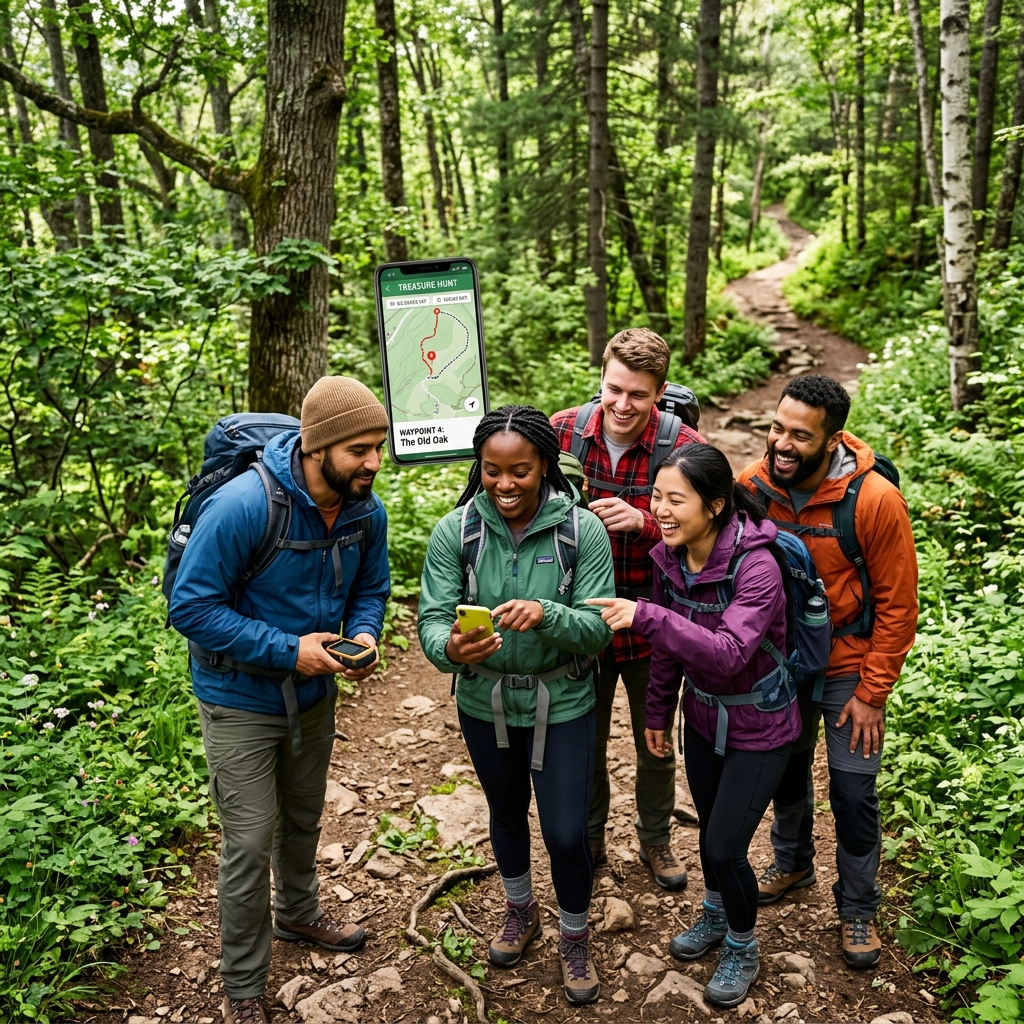
- Guided Hikes: These groups provide both physical challenge and local knowledge, making the workout more enriching.
What Safety Measures Are Essential for Urban Exercisers?
Safety must always be your top priority when exercising outside of a controlled gym environment. Being prepared minimizes risk and maximizes enjoyment.
⚠️ Physical Awareness & Injury Prevention
- Footwear: Always wear supportive athletic shoes appropriate for the terrain (e.g., trail runners for uneven paths).
- Warm-up/Cool-down: Never skip these! Start with 5 minutes of dynamic stretching (leg swings, arm circles) and end with static stretches to improve flexibility and prevent soreness.
- Listen to Your Body: If you feel sharp pain, dizziness, or shortness of breath, stop immediately. Pushing through pain is counterproductive.
☀️ Environmental & Health Safety
- Hydration: Carry a water bottle and sip regularly throughout your workout, regardless of the perceived temperature.
- Sun Protection: Use SPF 30+ sunscreen, wear sunglasses, and consider a hat to protect against UV rays.
- Air Quality Check: On days with poor air quality (high pollen or smog), modify your routine or choose an indoor alternative.
- Emergency Preparedness: Always carry identification and let a friend or family member know your planned route and expected return time.
🚦 Navigating Urban Hazards
When exercising near roads, paths, or busy areas:
- Visibility: Wear brightly colored clothing, especially during dawn or dusk workouts.
- Focus: Avoid distractions like headphones playing loud music; keep one ear open to hear traffic and other people.
- Respect the Space: Be mindful of pedestrians, dog walkers, and other users of the park—keep your workout contained and respectful.
Summary: Making Outdoor Fitness a Sustainable Habit
Outdoor fitness is not just an alternative; it's a powerful, holistic way to maintain physical health while enjoying the natural beauty of city life. To make this routine stick, remember these key steps:
- Schedule It: Treat your outdoor workout like an important appointment in your calendar.
- Start Small: If you are new, begin with three 20-minute sessions per week before attempting intense interval training.
- Find a Buddy: Working out with a friend or group dramatically increases accountability and enjoyment.
By viewing the public space around you not as mere scenery, but as an open-air gym, you unlock endless possibilities for strength, cardio, and mental wellness. Get outside, explore your neighborhood, and enjoy the adventure of fitness!
Frequently Asked Questions
Yes, it can be equally effective! Outdoor environments provide varied resistance (hills, uneven ground) and the added mental benefits of nature, which often boosts motivation.
Always prioritize safety by wearing appropriate footwear, staying aware of traffic and surroundings, hydrating properly, and consulting your doctor before starting a new routine.