What Exactly Is Biotin (Vitamin B7)?
Biotin, also known as Vitamin B7, is a crucial water-soluble vitamin essential for supporting fundamental bodily processes. It acts primarily as a coenzyme—a helper molecule—that enables your body to convert food into usable energy and support the healthy function of cells throughout the body. While often marketed as a "beauty" supplement, its role in metabolism and overall cellular health is far more profound.
How Does Biotin Support Metabolism?
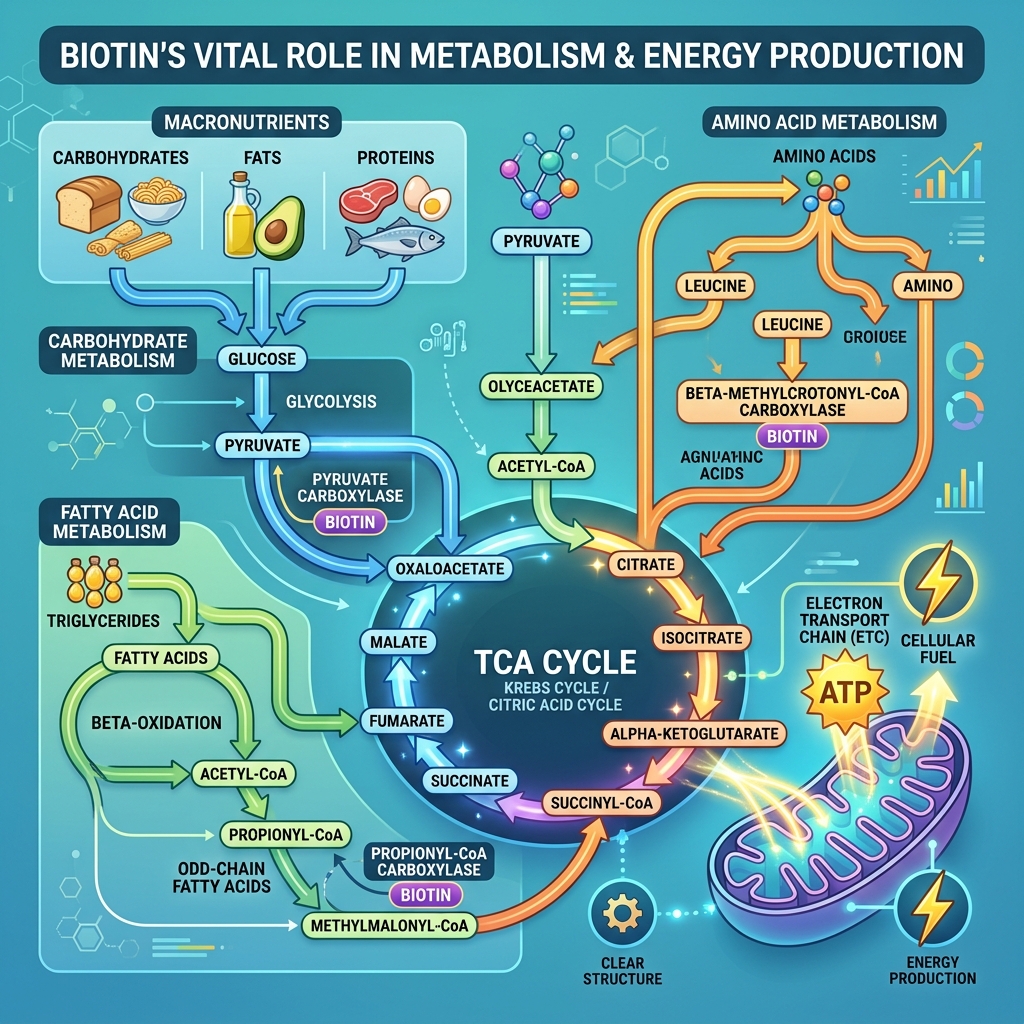
Biotin's primary function revolves around energy metabolism. It is vital for breaking down and utilizing the three major types of nutrients: carbohydrates, fats, and proteins. Without sufficient biotin, these metabolic pathways slow down, making it difficult for the body to efficiently generate energy.
Specifically, biotin supports:
- Carbohydrate Metabolism: Helps break down complex carbs into glucose, the primary fuel source for the brain and muscles.
- Fat Metabolism: Plays a key role in synthesizing fatty acids and breaking down stored fats for sustained energy.
- Protein Metabolism: Assists in processing amino acids, ensuring that protein building blocks are utilized efficiently by the body.
Beyond energy, biotin is critical for:
- Cell Growth and DNA Synthesis: It supports the replication of genetic material (DNA), which is necessary for healthy cell division and tissue repair.
- Nerve Function: Contributes to proper nerve signaling and maintaining neurological health.
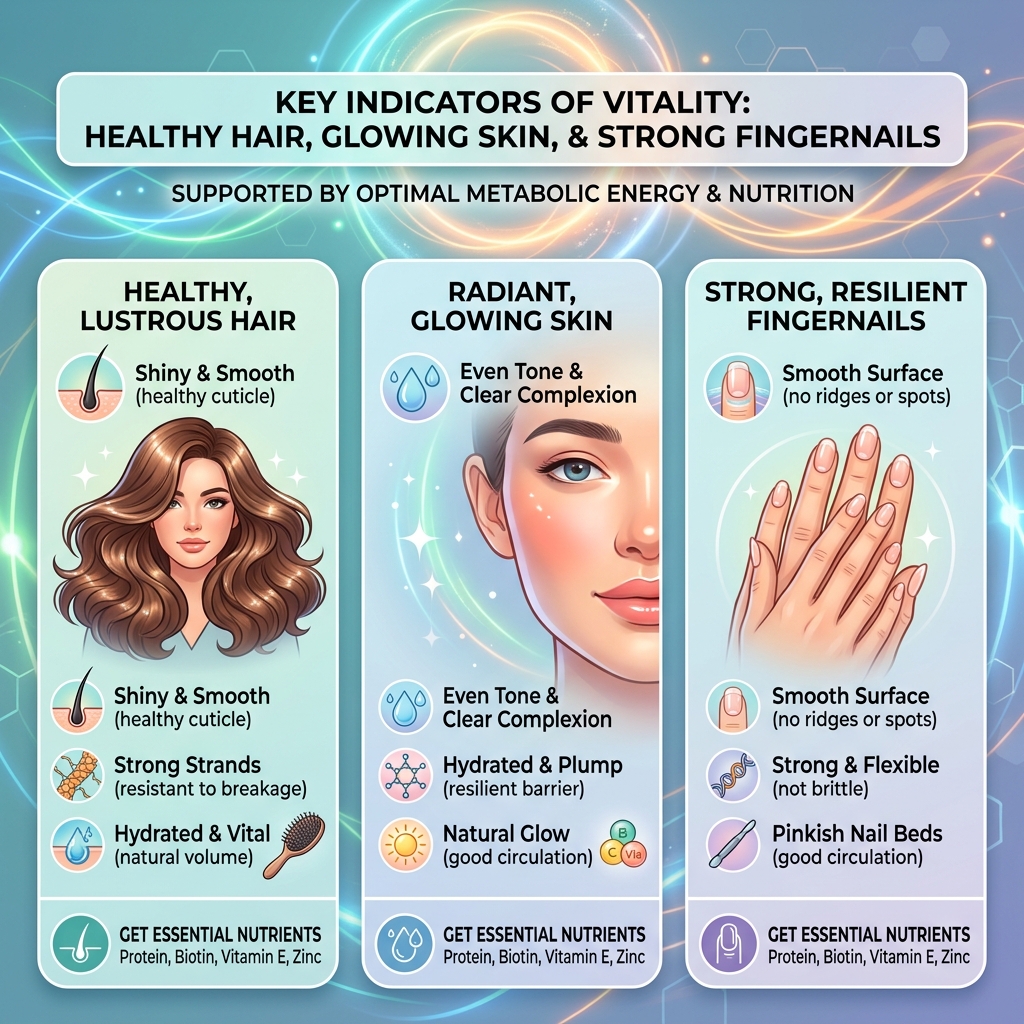
- Skin, Hair, and Nail Health: By supporting overall cellular turnover and nutrient delivery, biotin helps maintain strong, vibrant skin, hair, and nails.
Where Can You Find Biotin-Rich Foods?
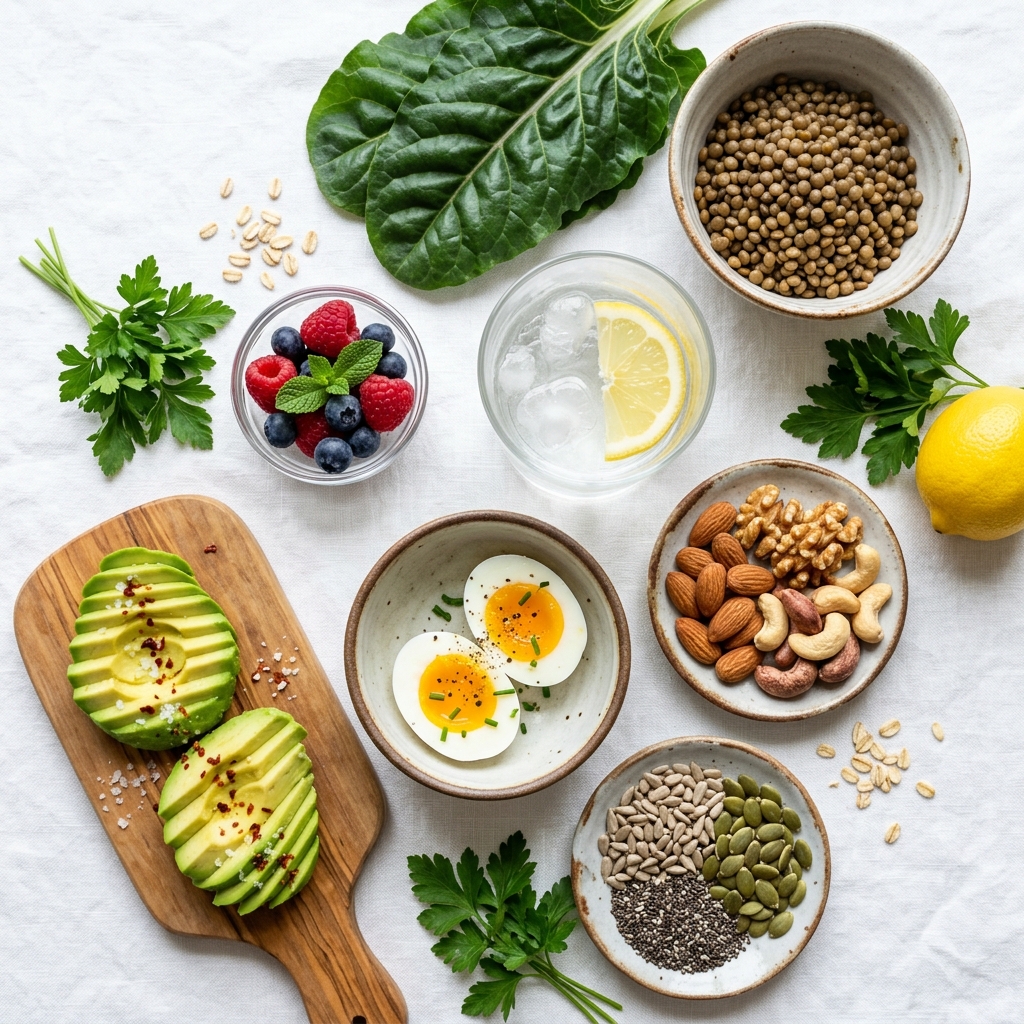
The best way to obtain biotin is through a balanced diet rich in diverse food groups. While supplements are available, focusing on whole foods ensures you receive other vital nutrients alongside the vitamin.
Top Natural Sources of Biotin:
- Eggs (especially yolks): Considered one of the richest and most bioavailable sources.
- Nuts and Seeds: Almonds, walnuts, sunflower seeds, and peanuts provide excellent amounts.
- Organ Meats: Liver and kidney are exceptionally high in biotin content.
- Avocado: A creamy source that also provides healthy fats.
- Sweet Potatoes: A versatile vegetable rich in nutrients.
- Mushrooms: Certain varieties can contribute to your daily intake.
💡 Cooking Tip: Maximize Absorption Be mindful of how you prepare food. Raw egg whites contain a protein called avidin, which binds strongly to biotin, making it unavailable for absorption. By cooking eggs (e.g., scrambling or boiling), the avidin is deactivated, allowing your body to absorb the full benefit of the biotin.
What Are the Signs of Biotin Deficiency?
Biotin deficiency is relatively uncommon because the vitamin is widely available in food and can even be produced by gut bacteria. However, certain conditions or lifestyle factors can increase risk.
Who is at Risk for Deficiency?
- Individuals with rare genetic disorders affecting biotin metabolism.
- People undergoing long-term antibiotic therapy, which disrupts beneficial gut flora.
- Those who receive prolonged intravenous feeding (TPN).
- Anyone consuming extremely large amounts of raw egg whites regularly.
Common Symptoms to Watch For: If deficiency occurs, symptoms can include:
- Hair Loss (Alopecia): Hair may become brittle, thin, or shed excessively.
- Skin Issues: Red, scaly rashes, particularly around the face, nose, and mouth.
- Brittle Nails: Weakened nails that are prone to peeling or breaking.
- Neurological Symptoms: In severe cases, symptoms can include fatigue, depression, tingling (paresthesia), or numbness in the extremities.
Disclaimer: Many of these symptoms can be caused by other underlying medical conditions. If you suspect a deficiency, always consult your primary care physician for proper diagnosis.
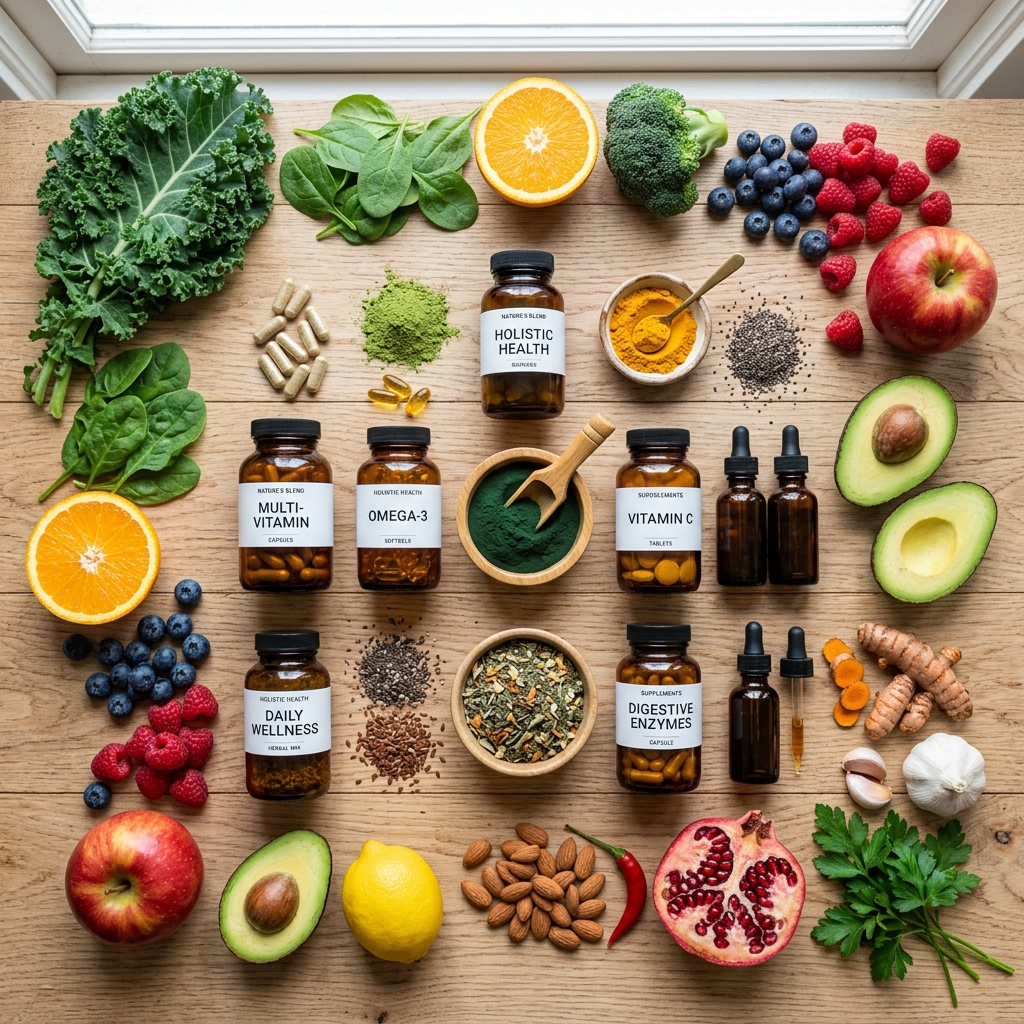
Do You Need to Take Biotin Supplements?
For most healthy individuals with a varied diet, supplementation is unnecessary. However, there are specific scenarios where a doctor may recommend it:
- Diagnosed Deficiency: If blood tests confirm a deficiency (under medical supervision).
- Genetic Conditions: For people diagnosed with conditions like biotinidase deficiency.
- Specific Health Goals: In some cases, doctors may prescribe supplements to support recovery or specific metabolic needs.
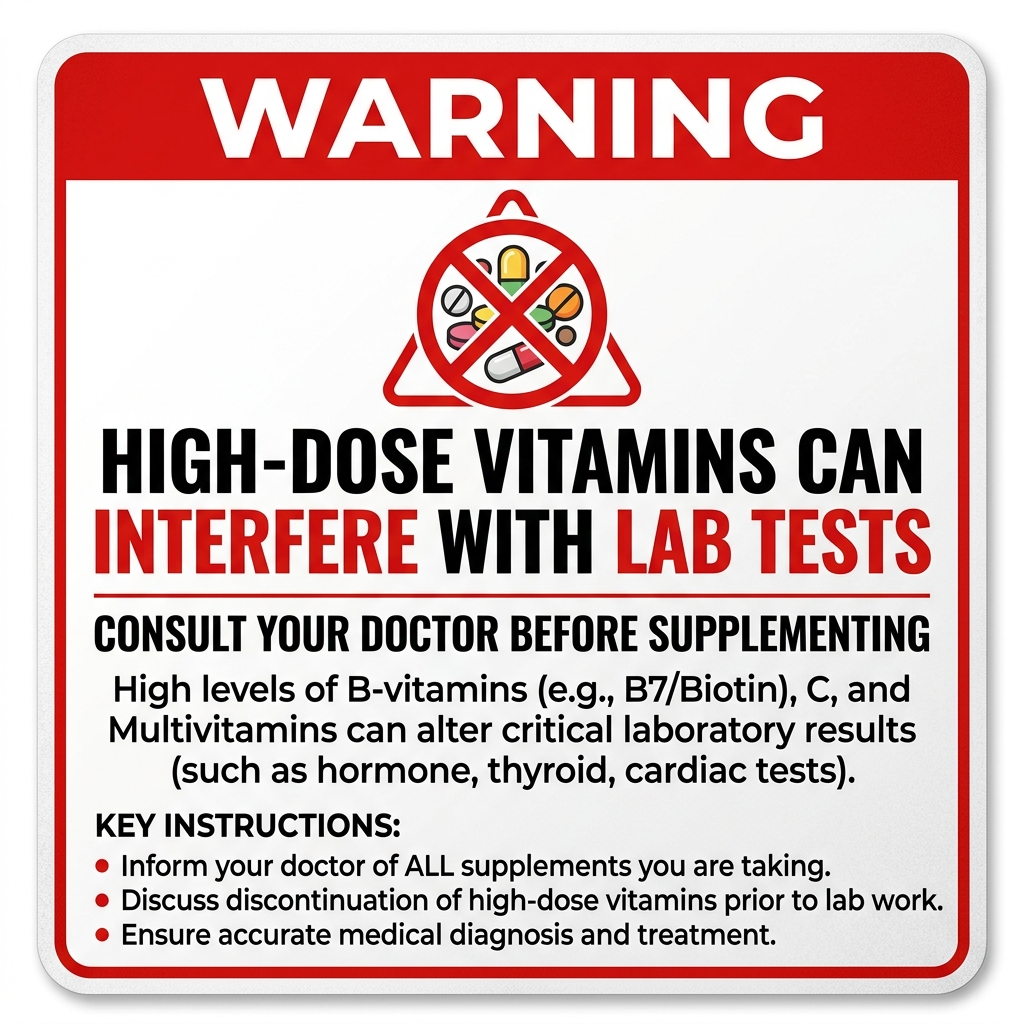
⚠️ Critical Safety Warning: Lab Test Interference
This is the most important consideration when taking high-dose biotin supplements. Biotin can interfere with certain medical tests, leading to false positive or false negative results.
- Affected Tests: This interference is particularly noted in thyroid function tests (TSH) and troponin tests (used for heart health).
- Action Required: If you are taking biotin supplements, you must inform your doctor and the lab technician before any blood draw. They may need to adjust the test protocol or wait until supplementation has ceased.
Summary & Next Steps
Biotin is a powerful, essential vitamin that plays a foundational role in energy production and cellular maintenance. While it supports the appearance of healthy hair, skin, and nails, its true value lies in supporting your body’s core metabolic processes.
Key Takeaways:
- Prioritize getting biotin from whole foods (eggs, nuts, seeds).
- Always cook eggs to ensure proper absorption.
- Never start high-dose supplementation without consulting a healthcare provider.
- Crucially, inform your doctor and lab staff about all supplements you take before any blood work.
If you are concerned about deficiency or considering a supplement regimen, schedule an appointment with your physician. They can run the necessary tests to determine if biotin is right for you at this time.
Frequently Asked Questions
Always consult your doctor. High doses of biotin can interfere with thyroid function tests (TSH, T3, T4), leading to inaccurate results.
Cooking eggs helps neutralize avidin, a protein in raw egg whites that binds to and prevents biotin absorption. Eating cooked foods generally improves bioavailability.