The Essential Guide to Choosing Safe and Effective Supplements
Choosing the right supplement requires more than just reading a bottle—it demands understanding your body's needs, nutritional science, and product quality. The safest approach is always to prioritize whole foods, as they provide complex nutrient synergy that pills cannot replicate. However, when gaps exist (due to deficiency, restricted diet, or specific health goals), supplements can be valuable tools. This guide provides the essential steps for becoming a supplement-savvy consumer, ensuring you maximize benefits while minimizing risk.
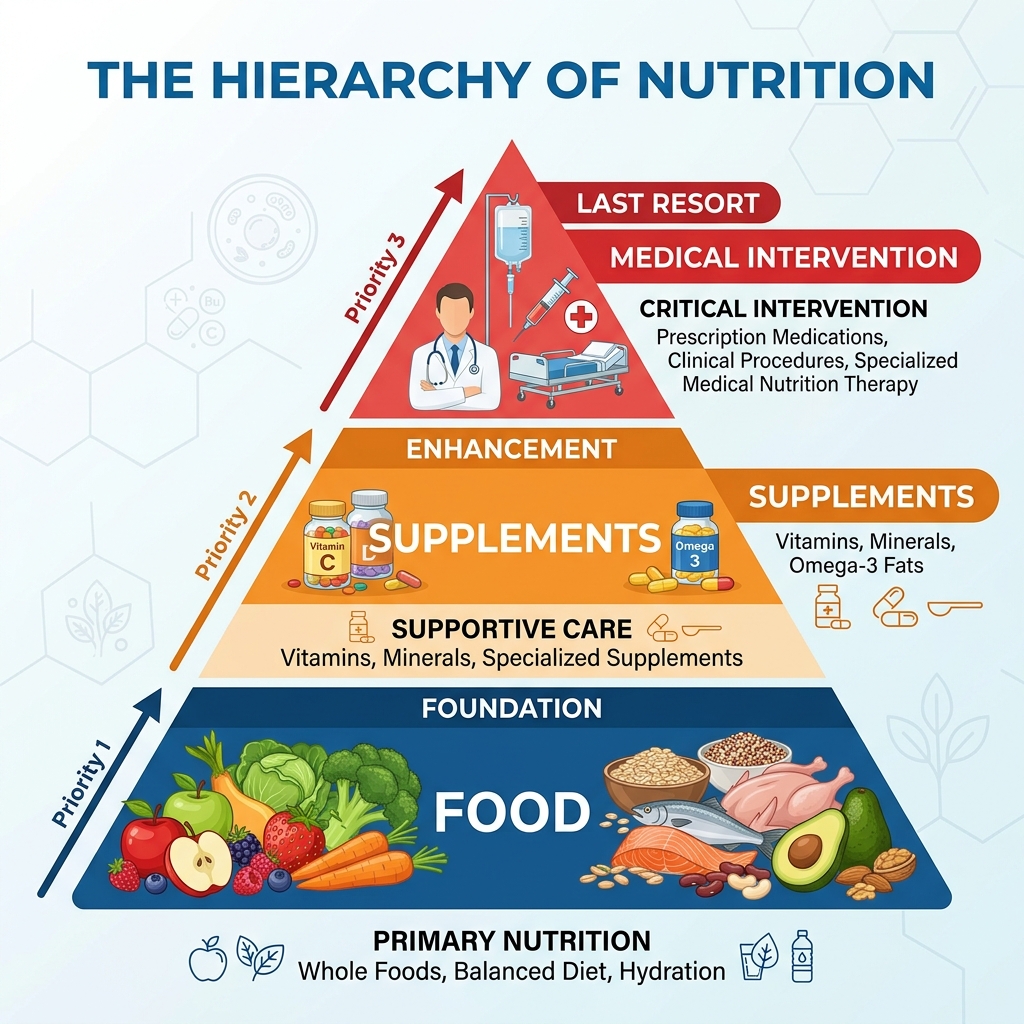
Why Is Whole Food Nutrition Always First?
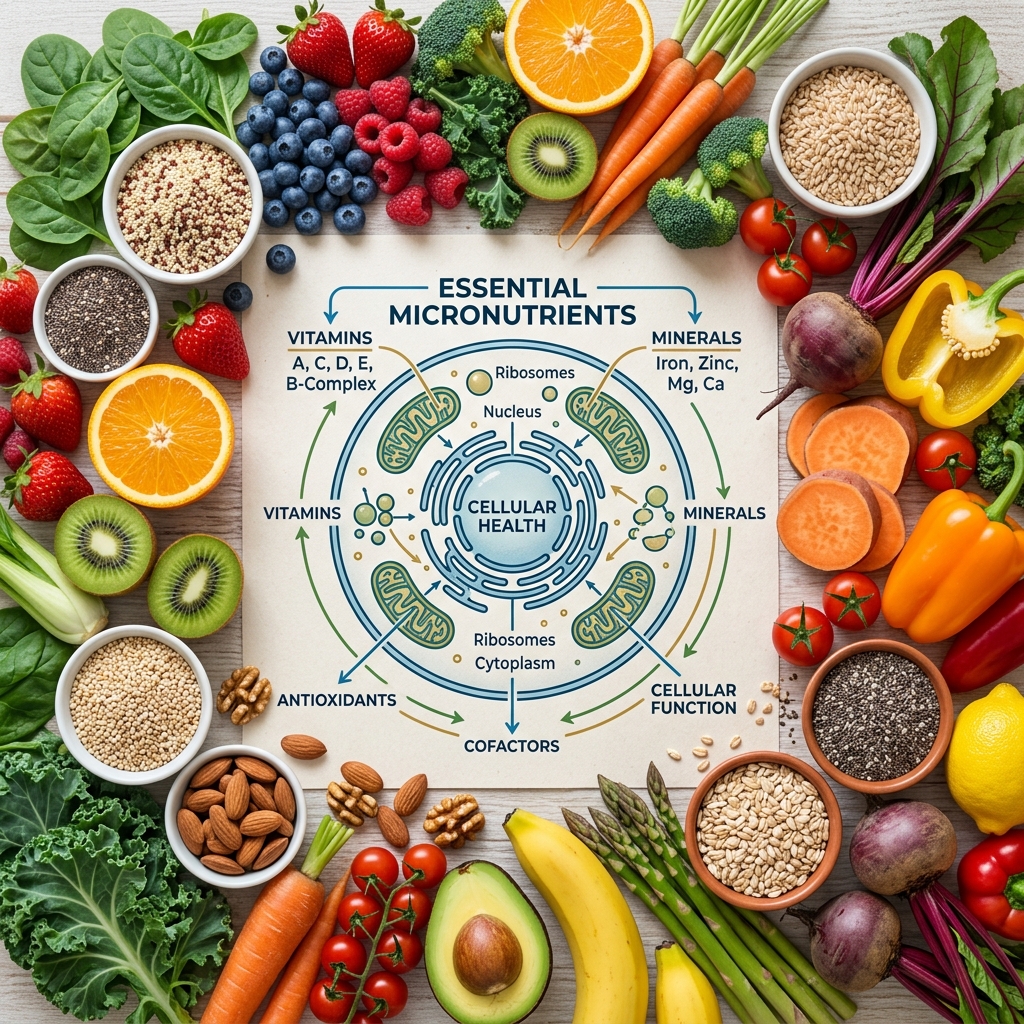
Before considering any pill or powder, remember that food is the ultimate source of nutrients. A diverse diet rich in fruits, vegetables, whole grains, and lean proteins provides nutrient synergy—meaning various vitamins and minerals work together to enhance each other's absorption and utilization.
- Nutrient Synergy: Foods contain complex matrices where nutrients interact (e.g., Vitamin C significantly boosts iron absorption). Supplements isolate these components, losing this crucial interaction.
- Fiber Source: Whole foods are packed with fiber, which is vital for gut health and blood sugar regulation—a component rarely found in supplements.
- Phytochemicals: These natural compounds (found in colorful plants) offer powerful antioxidant and anti-inflammatory benefits that go beyond simple vitamin counts.
Think of supplements as a safety net, not the main source of support. They are intended to add to, never replace, your healthy diet.
When Are Supplements Actually Necessary?
While general supplementation is rarely recommended, there are specific scenarios where they can be medically beneficial:
1. Diagnosed Deficiencies
If blood tests confirm a deficiency (e.g., low Vitamin D or B12), targeted supplementation under medical guidance is necessary to correct the imbalance.
2. Specific Life Stages and Conditions
- Pregnancy/Lactation: Increased needs for folate, iron, and calcium are common.
- Restrictive Diets: Vegans or those with malabsorption issues may need B12 or specific minerals that are hard to obtain otherwise.
- Age-Related Changes: Absorption efficiency can decline with age (e.g., Vitamin B12 absorption), requiring higher doses or different forms.
3. Medication Interactions
Some medications interfere with nutrient absorption, necessitating temporary supplementation adjustments guided by a professional.
How Do I Know If a Supplement is Safe and Potent?
The supplement industry lacks the strict regulation of pharmaceuticals, meaning quality control varies wildly. To ensure you are getting what the label claims, always follow these steps:
1. Look for Third-Party Certifications
This is the single most important step in vetting a product. Reputable third parties test supplements to verify purity and potency, ensuring they contain only what the label says and nothing harmful.
- USP (United States Pharmacopeia): Verifies that the supplement meets rigorous standards for quality and safety.
- NSF International: Another leading independent body that tests for contaminants and verifies ingredient amounts.
- ConsumerLab.com: Provides valuable, independent testing reports on various brands.
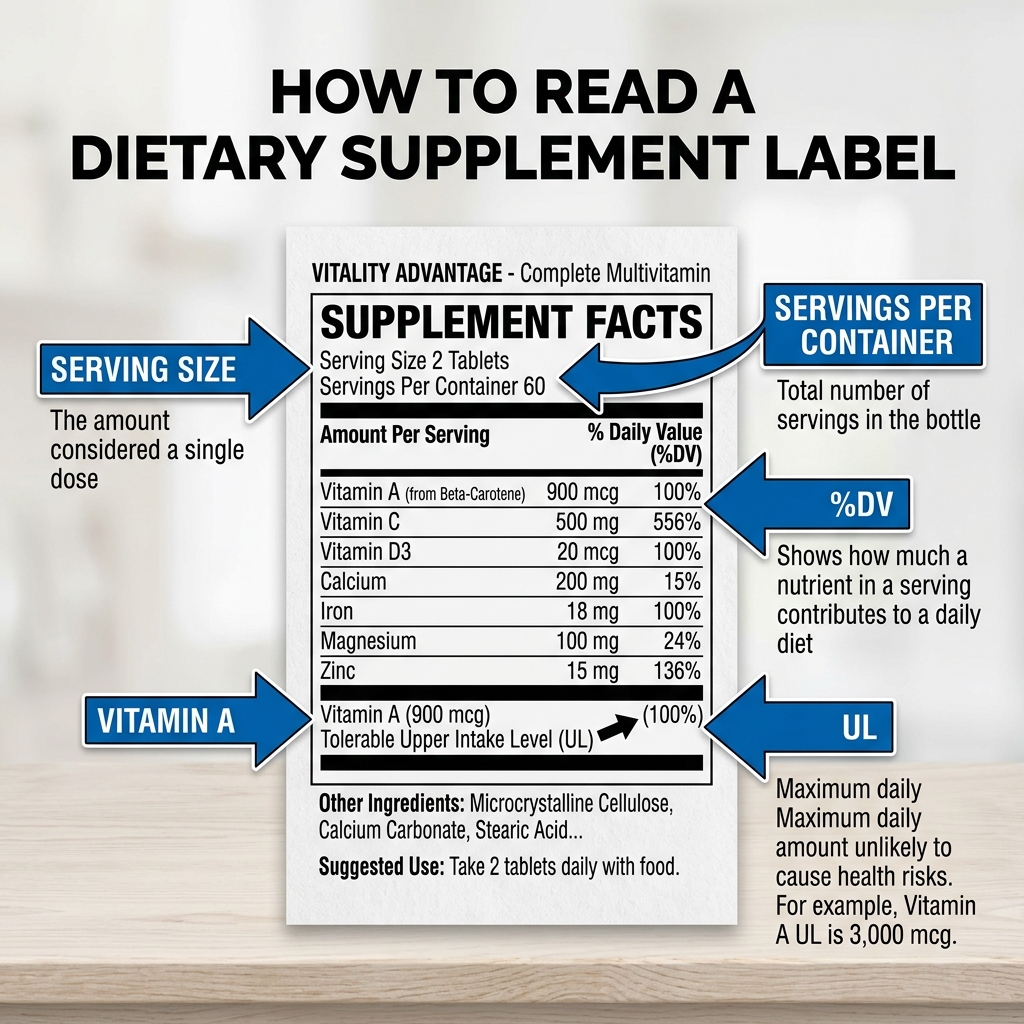
2. Read Labels Like a Scientist
Never buy a supplement based only on marketing claims. You must understand the technical details:
- Serving Size: What is the actual amount you are taking?
- Active Ingredients & %DV: How much of the nutrient are you getting relative to the recommended daily intake?
- Upper Limit (UL): This indicates the maximum safe daily dose. Never exceed this level.
- Other Ingredients: Be aware of fillers, binders, or preservatives that might cause sensitivities.
What Are the Key Rules for Supplement Usage?
Even if a supplement is safe, improper usage can be dangerous. Adhering to these guidelines is critical:
1. Dosage Matters (RDA vs. UL)
- Recommended Dietary Allowance (RDA): The average daily intake needed by most healthy people. This is your baseline goal.
- Tolerable Upper Intake Level (UL): The highest level of nutrient intake unlikely to cause adverse effects in almost all individuals. This is the hard limit you must respect.
2. Watch Out for Interactions
Supplements can interact with prescription drugs and even other supplements, potentially reducing effectiveness or increasing toxicity.
- Example: Taking Vitamin K alongside blood thinners (like Warfarin) requires careful monitoring to prevent dangerous clotting issues.
- Action: Always disclose everything you take—including vitamins, herbs, and over-the-counter drugs—to your healthcare provider.
3. Consider Bioavailability
Bioavailability is how well your body actually absorbs a nutrient. The form of the supplement matters:
- Example: Magnesium glycinate is often cited as having higher bioavailability for some individuals than magnesium oxide.
- Tip: Taking fat-soluble vitamins (A, D, E, K) with a meal containing healthy fats can significantly improve absorption.
💡 Summary & Next Steps
Supplements are powerful tools when used correctly, but they require diligence and caution. By prioritizing whole foods, checking for third-party certifications, respecting the Upper Limit (UL), and discussing your regimen with an expert, you can use supplements to support—not replace—a healthy lifestyle.
Always remember: This information is educational, not medical advice. Consult a qualified healthcare professional or registered dietitian before starting any new supplement regimen.
Frequently Asked Questions (FAQ)
- Q: Do all vitamins come in the same form? A: No. Vitamins and minerals exist in different chemical forms (e.g., Vitamin D2 vs. D3). Some forms are more readily absorbed by the body than others, making the specific form important for efficacy.
- Q: Can I take multiple supplements at once? A: It is generally best to consult a professional first. If approved, taking them together increases the risk of nutrient interactions or excessive dosing.
Scientific References & Further Reading
- National Institutes of Health (NIH) Office of Dietary Supplements: https://ods.od.nih.gov/
- United States Pharmacopeia (USP): https://www.usp.org/
- NSF International: https://www.nsf.org/
- Dietary Guidelines for Americans: https://www.dietaryguidelines.gov/
Frequently Asked Questions
No. Supplements are meant to *supplement* your diet by filling specific gaps; they should never replace whole, nutrient-dense foods.
Always consult a qualified healthcare professional (doctor or pharmacist) who can review all your medications and supplements together.