What Exactly Are Vitamins?
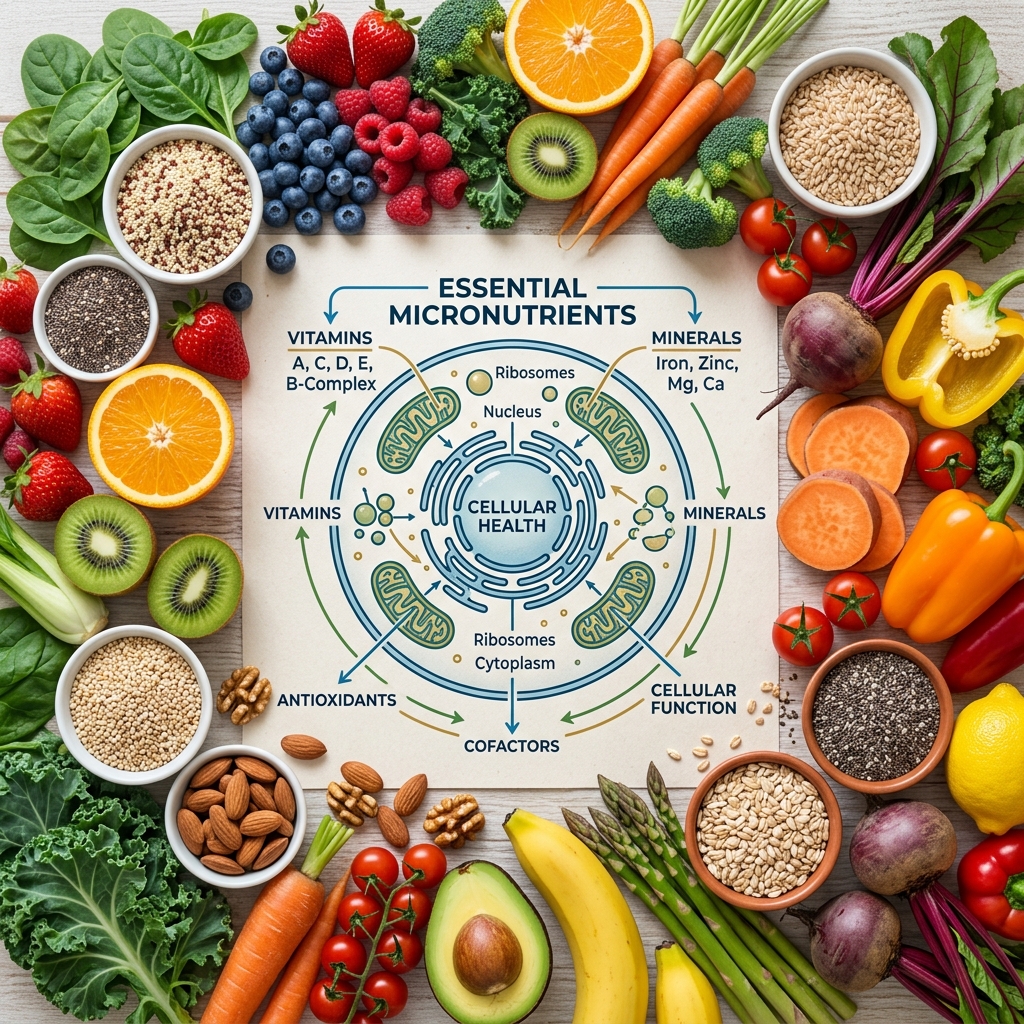
Vitamins are essential organic micronutrients—meaning your body needs them to function, but you only require them in very small amounts. Think of them as the crucial co-factors or "spark plugs" that allow complex biochemical processes within your cells to ignite and run smoothly. They do not provide energy themselves, but they enable your body to efficiently convert food into usable fuel for every system, from nerve signaling to muscle contraction.
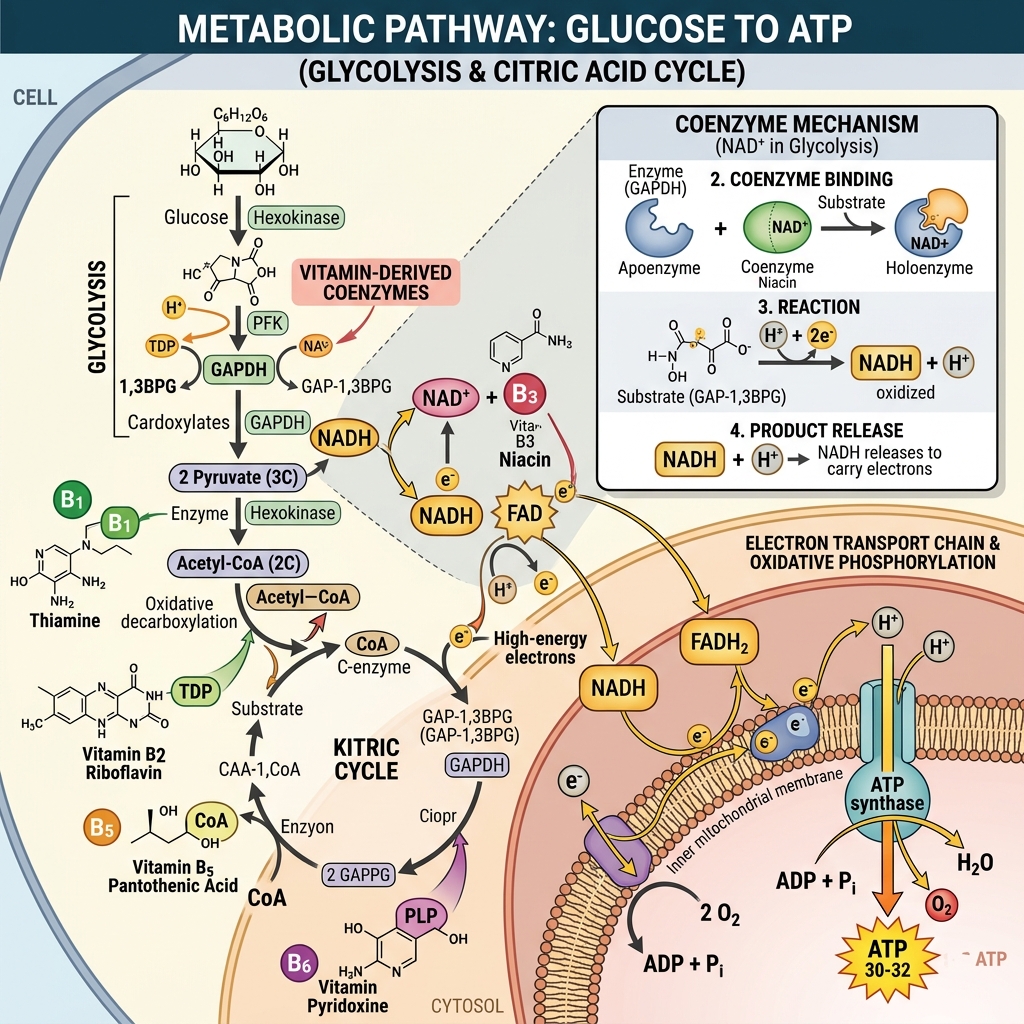
Why Are Vitamins Crucial for Daily Function?
Vitamins are not merely "good-to-have" additions; they play irreplaceable roles in maintaining homeostasis—the stable balance required for life. Their functions span nearly every bodily system:
- Energy Metabolism: Many B vitamins (like Thiamin and Riboflavin) act as coenzymes, helping enzymes break down carbohydrates, fats, and proteins into usable energy (ATP).
- Immune Defense: Vitamins A, C, D, and E are vital for supporting a robust immune system. They help the body fight off infections and maintain healthy tissue barriers.
- Cellular Protection: Certain vitamins act as powerful antioxidants, protecting delicate cell structures from damage caused by unstable molecules called free radicals. This protection is key to slowing aging and reducing disease risk.
- Bone Health: Vitamin D, working with calcium, is critical for the proper absorption and maintenance of strong bones.
- Nerve Function: B vitamins, especially B12, are essential for maintaining the myelin sheath—the protective coating around nerve fibers—ensuring clear communication throughout the nervous system.
Essential vs. Non-Essential Nutrients: What's the Difference?
It is important to distinguish between types of nutrients based on whether your body can produce them:
- Essential Vitamins: These are compounds that our bodies cannot synthesize in sufficient amounts (e.g., Vitamin C, B12). We must obtain these exclusively from external sources like food or supplements.
- Non-Essential Vitamins: These are vitamins that the human body can produce on its own (or can acquire through other means). For example, while we get Vitamin D from fortified foods, our skin also synthesizes it when exposed to sunlight.
How Are Vitamins Categorized? Solubility Matters
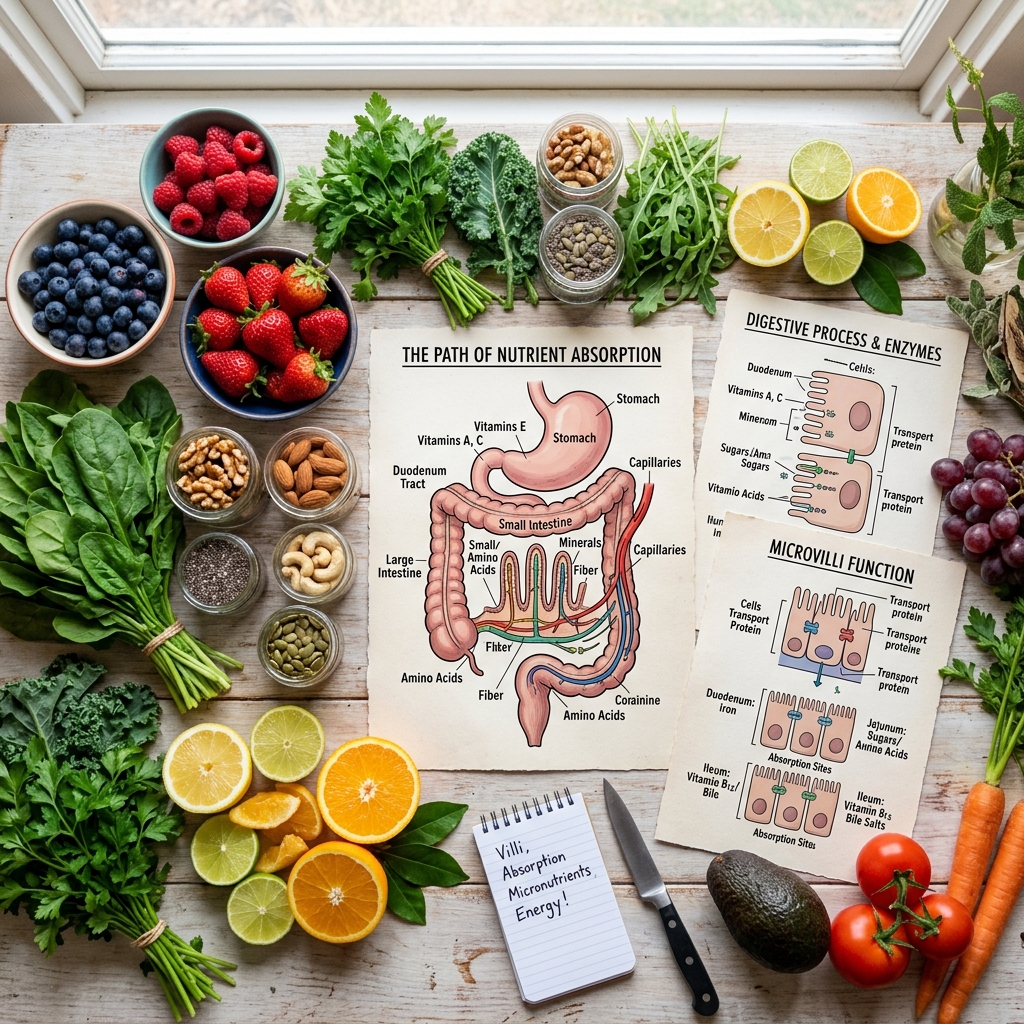
Vitamins are grouped into two main categories based on how they dissolve in the body: fat-soluble and water-soluble. This difference dictates how your body absorbs them, where it stores them, and what risks exist if you consume too much or too little.
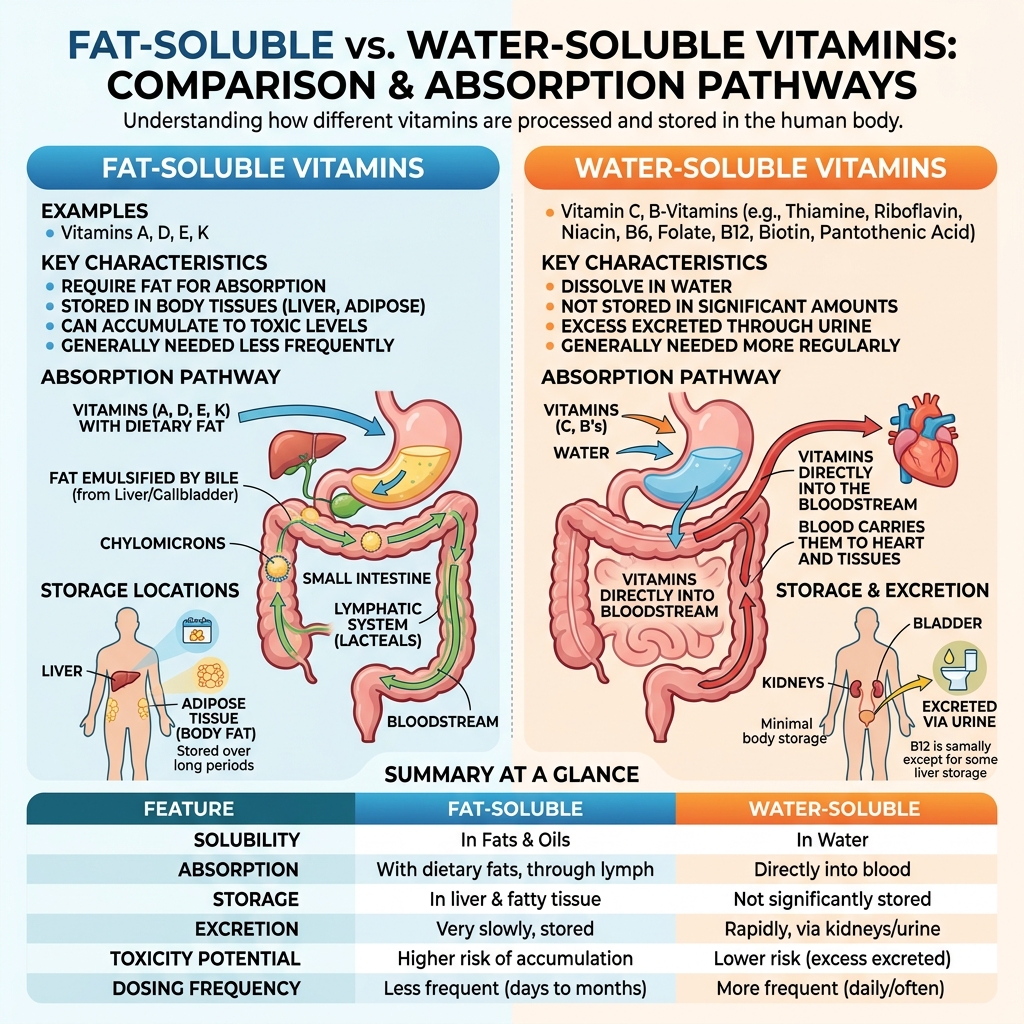
Fat-Soluble Vitamins (A, D, E, K)
These vitamins dissolve in fat and are stored primarily in the liver and fatty tissues. This storage capacity means they can be toxic if consumed excessively over time.
- Vitamin A: Crucial for vision (especially night sight), immune function, and cell growth. Found in carrots, sweet potatoes, and leafy greens.
- Vitamin D: Essential for calcium absorption and bone strength. Primary sources include fatty fish and sunlight exposure.
- Vitamin E: A potent antioxidant that protects cell membranes from oxidative damage. Found in nuts, seeds, and vegetable oils.
- Vitamin K: Necessary for blood clotting (coagulation) and maintaining strong bones. Abundant in dark leafy greens like spinach and kale.
Water-Soluble Vitamins (B Complex & C)
These vitamins dissolve in water and are generally not stored efficiently by the body. Any excess amount is usually filtered out and excreted through urine, making toxicity less likely but requiring consistent daily intake.
- Vitamin C: A powerful antioxidant vital for collagen synthesis, wound healing, and immune support. Best sources include citrus fruits, bell peppers, and berries.
- B Vitamins (The B Complex): This group includes eight vitamins, each with a unique role in energy production:
- B12 (Cobalamin): Critical for nerve health and red blood cell formation. Primarily found in animal products.
- Folate (B9): Essential for DNA synthesis and cell division, particularly vital during pregnancy. Found in leafy greens and legumes.
- B6 (Pyridoxine): Involved in protein metabolism and neurotransmitter function. Found in poultry, fish, and bananas.
- B1, B2, etc.: Collectively support the body's ability to convert food into energy at a cellular level.
Deficiency vs. Toxicity: The Balancing Act
Maintaining optimal vitamin levels is a delicate balance. Both too little (deficiency) and too much (toxicity or hypervitaminosis) can cause health issues.
⚠️ Recognizing Vitamin Deficiencies
Deficiencies occur when intake is insufficient due to poor diet, malabsorption issues, or increased bodily demands (like during pregnancy).
- Vitamin C Deficiency: Leads to scurvy, characterized by bleeding gums and impaired wound healing.
- Vitamin D Deficiency: Can cause bone pain, muscle weakness, and fatigue because the body cannot properly absorb calcium.
- B12 Deficiency: Can lead to severe anemia and neurological problems due to nerve damage.
⚠️ Understanding Vitamin Toxicity (Hypervitaminosis)
Toxicity is most common with fat-soluble vitamins because they accumulate in the liver and fat tissues. Over-relying on high-dose supplements without medical guidance can be dangerous.
- Vitamin A Toxicity: Symptoms include nausea, headaches, dizziness, and potential liver damage.
- Vitamin D Toxicity: Can lead to hypercalcemia (excess calcium in the blood), causing frequent urination, vomiting, and kidney problems.
- General Rule: Always prioritize whole foods over mega-dosing supplements.
How Do I Get Enough Vitamins? The Food Pyramid Approach
The most effective strategy for vitamin intake is adopting a varied, balanced diet rich in diverse food groups. Supplements should be viewed as support, not replacement.
🥗 Focus on Whole Foods:
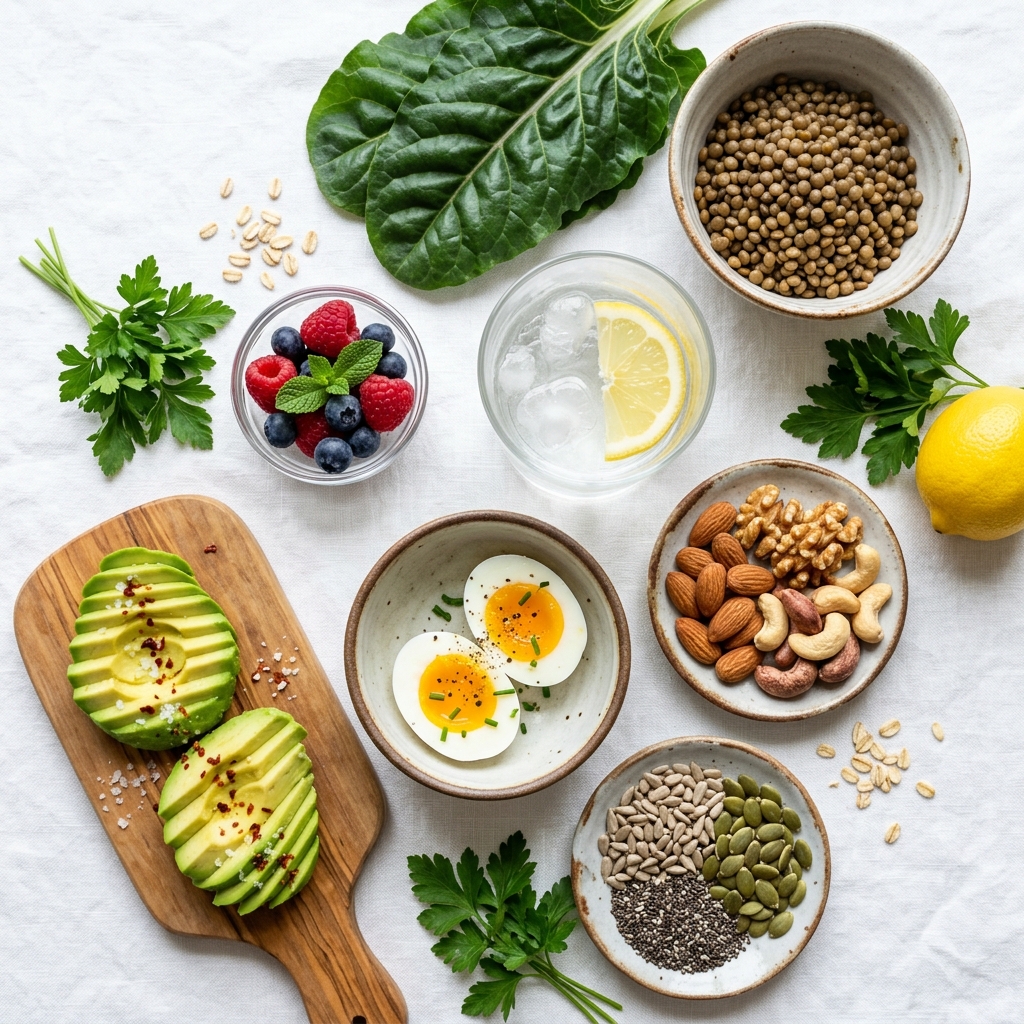
- Fruits and Vegetables: Provide the widest array of vitamins (A, C, K) and antioxidants. Aim for color diversity to ensure nutrient variety.
- Whole Grains: Excellent sources of B vitamins and fiber. Choose brown rice or whole-wheat bread over refined options.
- Lean Proteins & Legumes: Sources of B12 (animal products) and folate/B6 (plant proteins).
- Healthy Fats: Nuts, seeds, and avocados provide Vitamin E and help the absorption of fat-soluble vitamins (A, D, K).
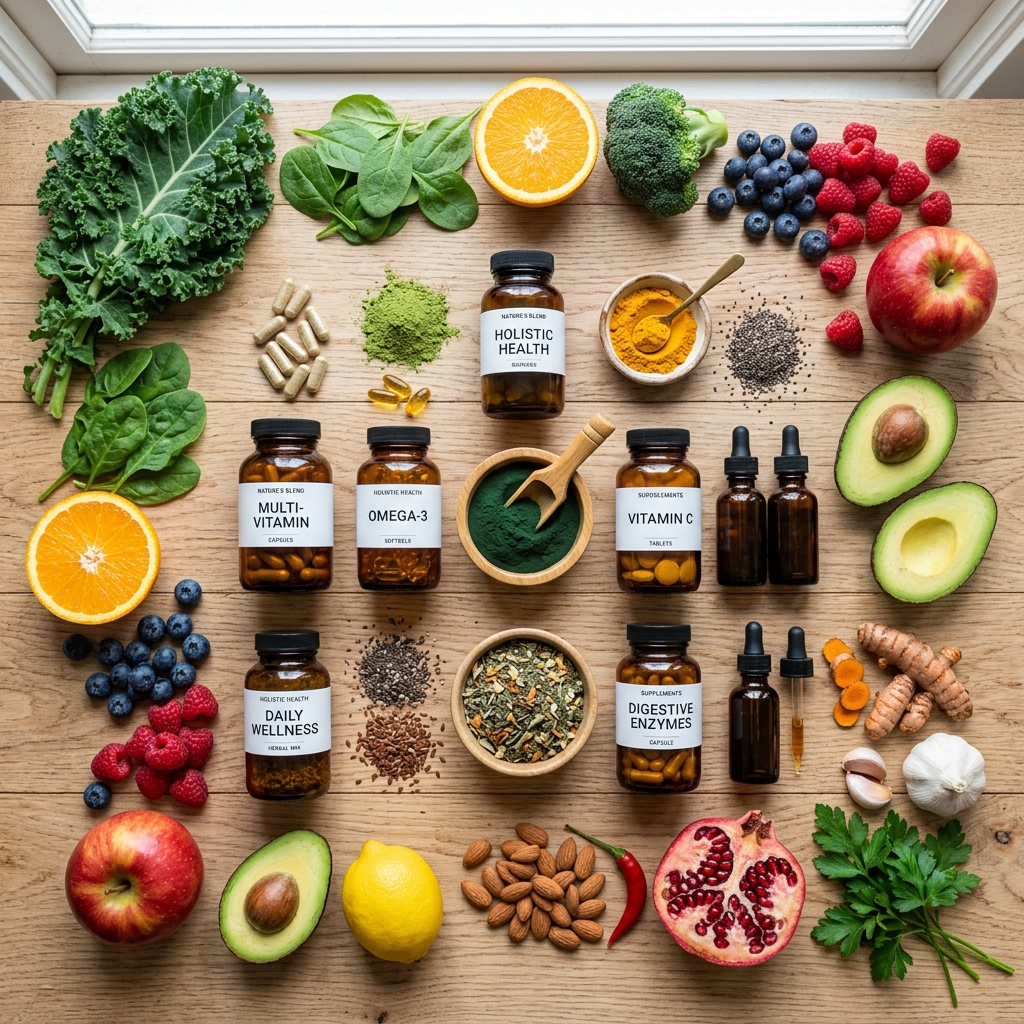
💊 When Are Supplements Necessary?
Supplements are highly valuable tools for specific situations:
- Dietary Restrictions: Vegans or strict vegetarians often need B12 supplementation.
- Increased Needs: Pregnant women require extra folate and iron.
- Absorption Issues: Individuals with Crohn's disease or celiac disease may struggle to absorb nutrients, requiring targeted supplements under a doctor’s care.
- Limited Exposure: People living in northern latitudes or those who rarely get sunlight may need Vitamin D supplementation.
Summary & Next Steps
Vitamins are fundamental micronutrients that fuel every process from nerve signaling to immune defense. By understanding the difference between fat-soluble and water-soluble vitamins, you can make more informed choices about your diet. Remember: A balanced plate of diverse whole foods is always the best source. If you suspect a deficiency or plan to start high-dose supplementation, consult with a healthcare professional or registered dietitian first.
Disclaimer: The information provided in this article is for general informational purposes only and is not intended as a substitute for professional medical advice, diagnosis, or treatment. Always seek the advice of your physician or other qualified health provider with any questions you may have regarding a medical condition or treatment. Never disregard professional medical advice or delay seeking it because of something you have read on this website. Reliance on any information provided in this article is solely at your own risk.
Frequently Asked Questions
While supplements can fill gaps, the most effective way to ensure adequate vitamin intake is through a varied, balanced diet rich in whole foods.
Fat-soluble vitamins (A, D, E, K) are stored in body fat, risking toxicity. Water-soluble vitamins (B, C) are easily excreted in urine and require regular intake.