Understanding the Role of Vitamins in Optimal Health
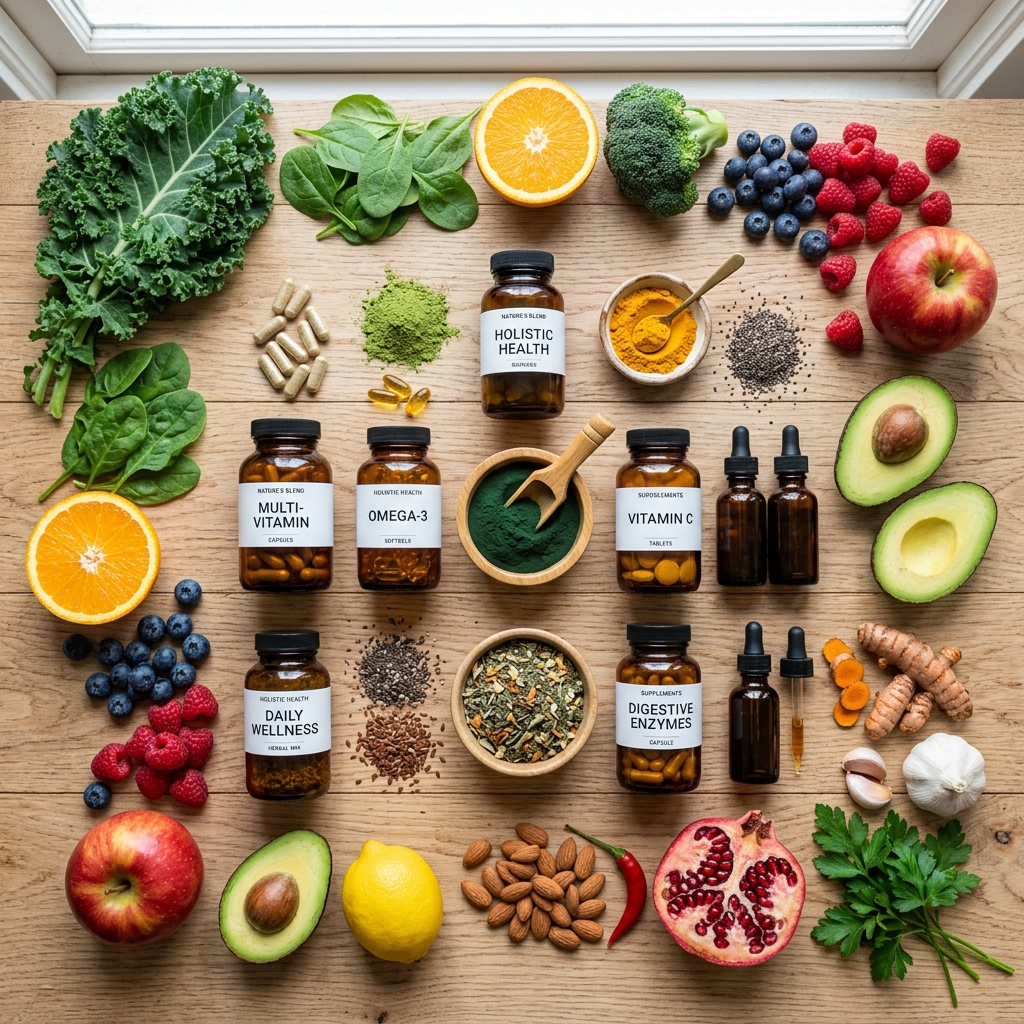
Are vitamins essential supplements or marketing hype? The truth is nuanced: while vitamins are crucial for life, they are not a magic bullet, and most people can obtain necessary nutrients through food first. Supplements should be viewed as targeted support for specific deficiencies, not replacements for a balanced diet. This guide debunks the most common myths surrounding vitamins to help you make truly informed decisions about your health.
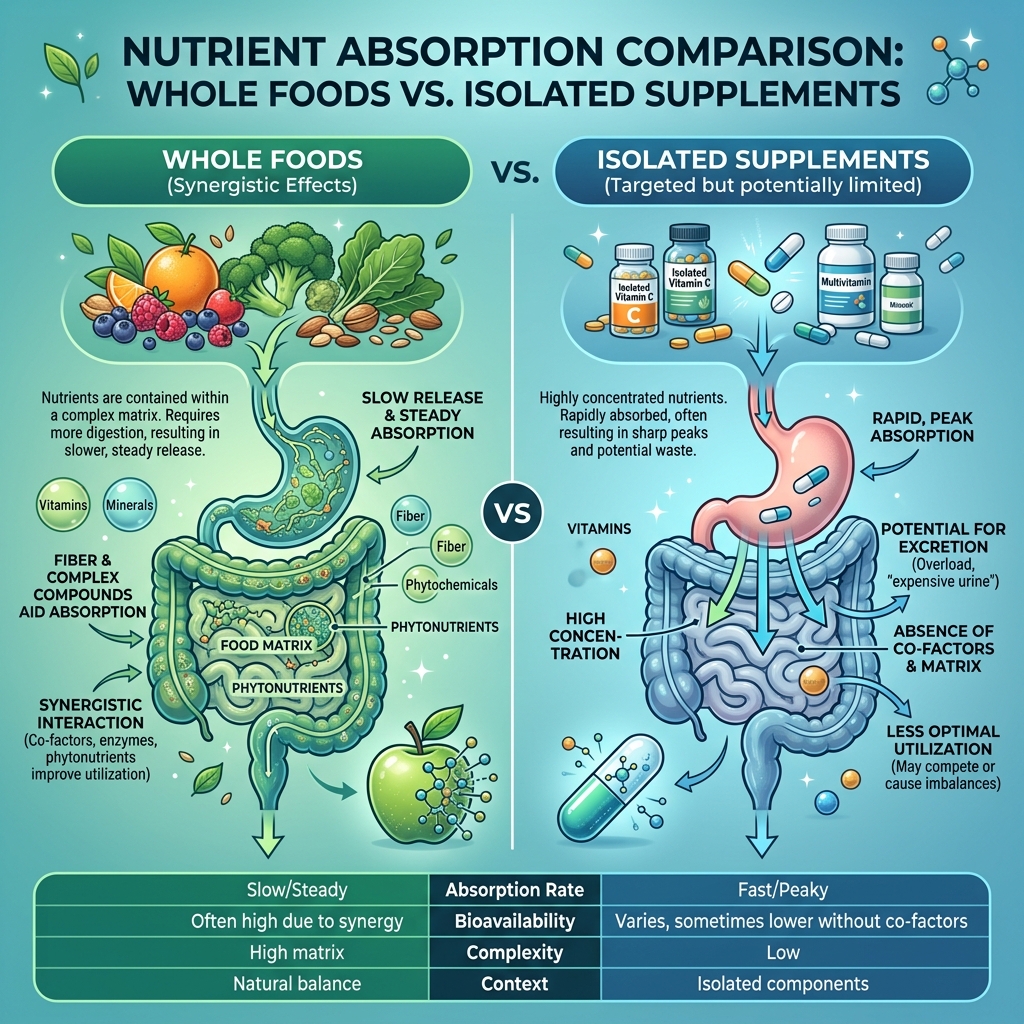
The Golden Rule of Nutrition: Food First
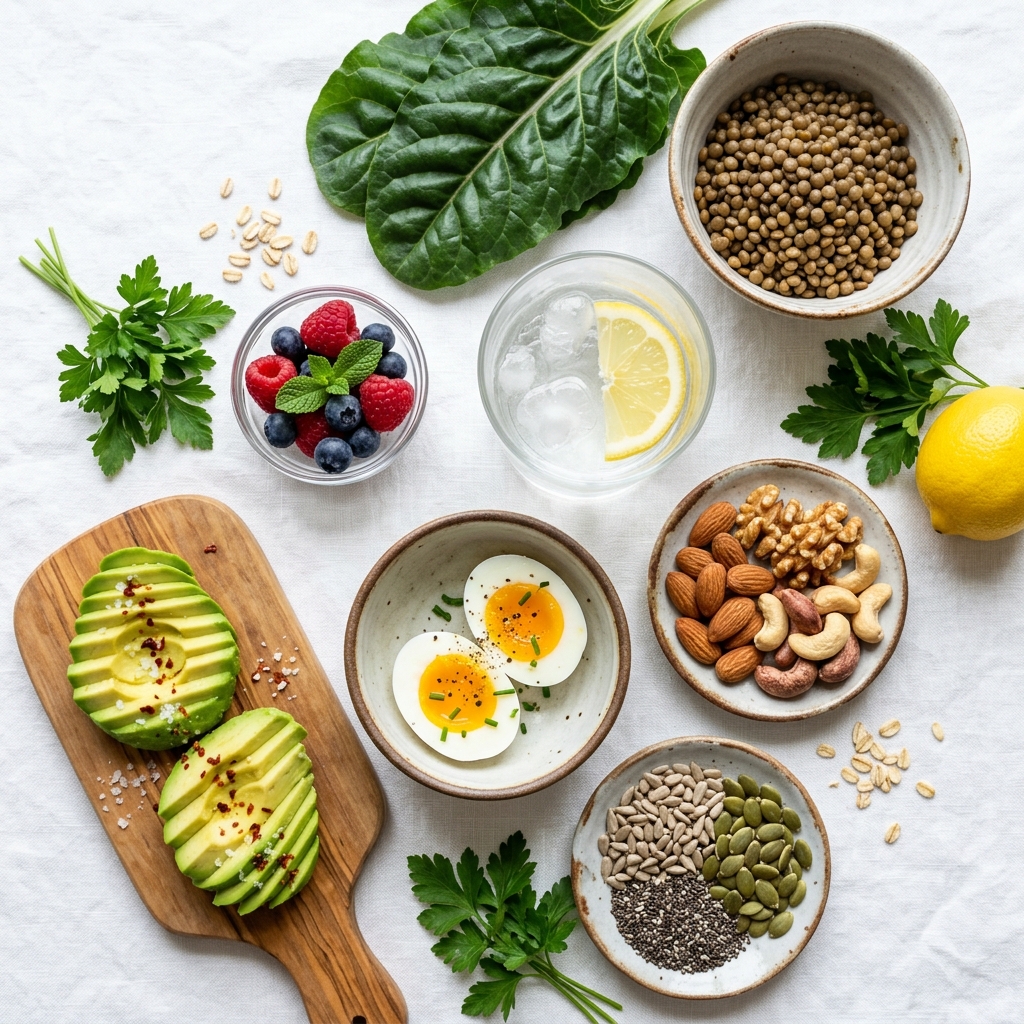
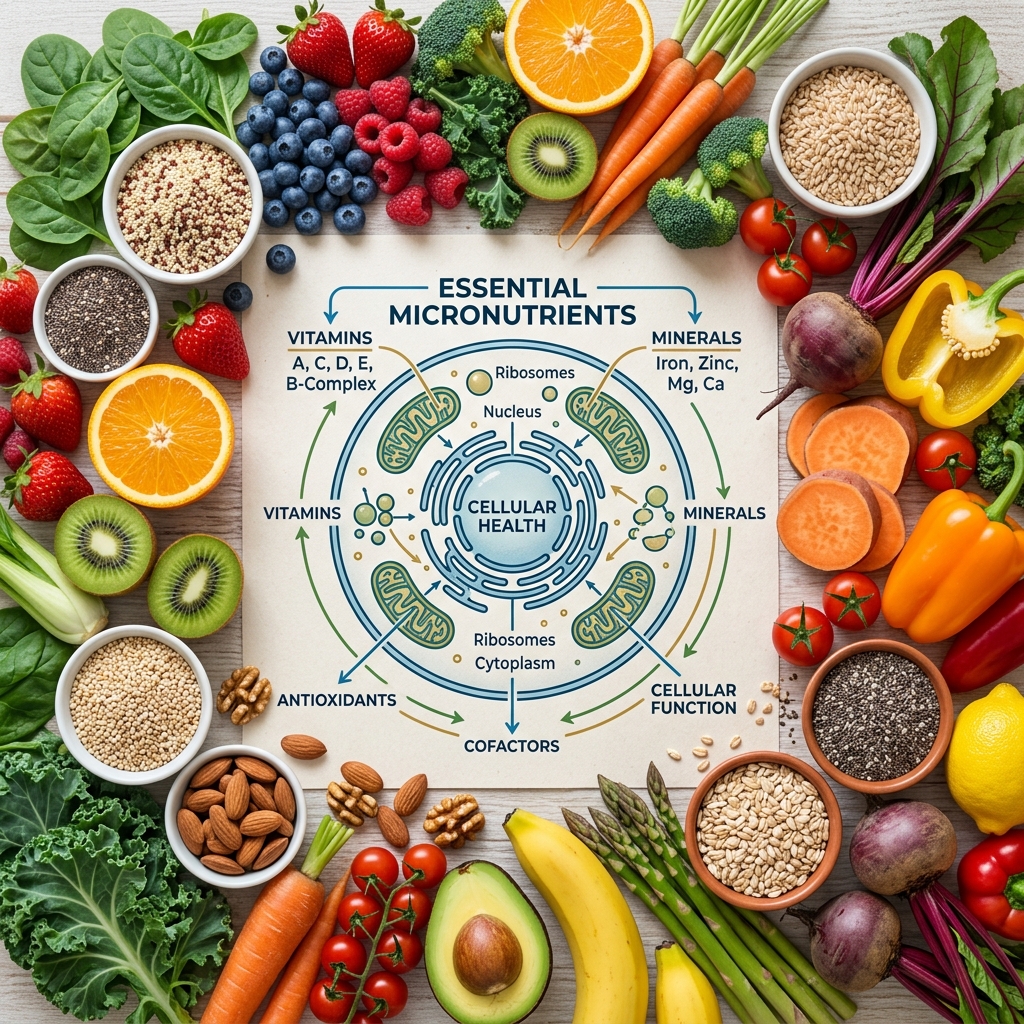
The single most important takeaway is that whole, unprocessed foods provide a complex matrix of nutrients—including vitamins, minerals, fiber, and phytonutrients—that work together synergistically. Supplements typically only deliver isolated compounds, missing the crucial interactions found in nature.
Why Are Vitamins Often Misunderstood?
Many popular claims about supplements are based on partial truths or outdated research. Understanding the difference between RDA (Recommended Dietary Allowance) and UL (Tolerable Upper Intake Level) is key to safe supplementation.
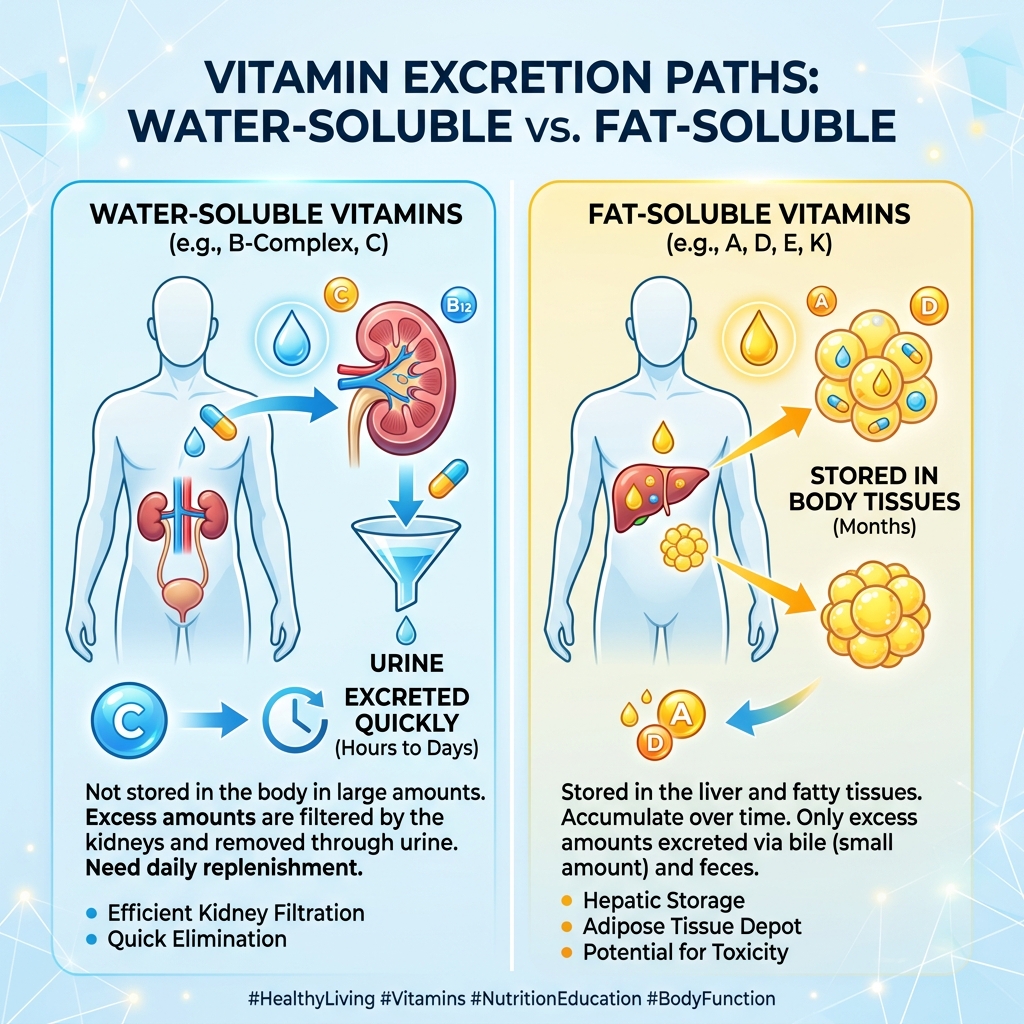
The Danger of Too Much: Fat-Soluble vs. Water-Soluble
Not all vitamins are created equal when it comes to dosage safety:
- Water-Soluble Vitamins (B, C): These are generally safer in excess because the body efficiently excretes what it doesn't need through urine. However, even excessive amounts can cause digestive upset.
- Fat-Soluble Vitamins (A, D, E, K): These vitamins are stored in your body fat and liver. This storage capacity means that taking too much over time can lead to toxicity, potentially causing serious health issues like liver damage or calcium buildup.
Myth 1: Are More Vitamins Always Better?
No. The concept that "more is better" is scientifically inaccurate and potentially dangerous. Your body requires a precise balance, not an overload. Supplements should only fill gaps identified by blood tests or professional guidance.
Addressing Common Vitamin Myths (Fact vs. Fiction)
Myth 2: Does Vitamin C Prevent Colds?
Partial Truth. Vitamin C is a powerful antioxidant that supports immune function. However, large-scale research shows it does not reliably prevent colds for the average person. Instead, regular supplementation may help to slightly shorten the duration and reduce the severity of symptoms.
- Best Sources: Focus on whole foods like citrus fruits, bell peppers, berries, and broccoli rather than relying solely on pills.
- Who Might Benefit? People undergoing intense physical stress or living in cold environments may see a modest benefit.
Myth 3: Do I Need a Multivitamin Every Day?
It Depends. For healthy adults who maintain a varied diet rich in whole foods, a multivitamin is often unnecessary. However, certain groups face higher risks of deficiency and may require supplementation:
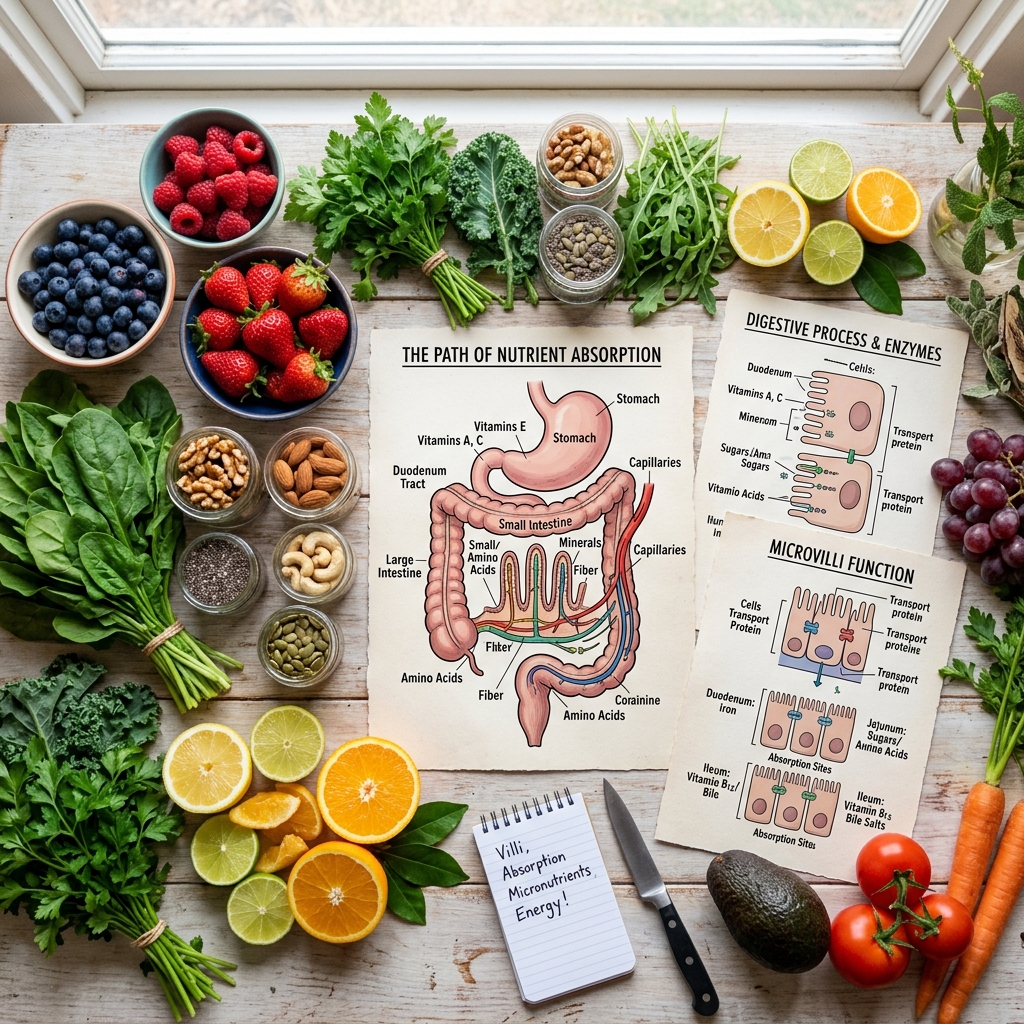
- Older Adults: Absorption efficiency decreases with age.
- Vegans/Vegetarians: At risk for Vitamin B12 deficiency (which is primarily found in animal products).
- Pregnant Women: Require specific prenatal formulas to ensure adequate folate and other nutrients for fetal development.
- Individuals with Malabsorption Issues: Conditions like Crohn's or Celiac disease can prevent proper nutrient uptake, necessitating targeted supplementation.
Myth 4: Is Vitamin D Deficiency Rare?
No—it is extremely common. Vitamin D is vital for bone health, immune function, and mood regulation. While sunlight exposure is the primary source, several factors limit natural production:
- Geographic Location: Limited sun exposure in northern latitudes or during winter months.
- Skin Pigmentation: Melanin reduces the skin's efficiency at synthesizing Vitamin D.
- Lifestyle: Working indoors or consistently using sunscreen can block necessary UV rays.
Action Step: The only way to know your status is through a blood test. If deficient, your doctor will recommend the appropriate dosage (which may be higher than standard daily intake) and duration of supplementation.
Myth 5: Do Antioxidant Supplements Prevent Cancer?
No. While antioxidants are beneficial for combating free radicals—unstable molecules that contribute to aging—the evidence linking supplements directly to cancer prevention is mixed at best.
- The Science: The body has its own robust antioxidant systems. Getting these through a diverse diet (colorful fruits, vegetables) is far more effective and safer than relying on isolated supplements.
- Warning: Some high-dose antioxidants have been linked in studies to an increased risk of certain cancers, highlighting the need for caution.
Myth 6: Is Vitamin E Good for Scars?
Limited Evidence. While Vitamin E is a powerful antioxidant, scientific evidence supporting its use for scar reduction is weak. In some cases, topical application has been linked to skin irritation or worsening the appearance of scars.
- Safer Alternatives: Dermatologists often recommend proven methods like silicone sheets/gels, consistent sunscreen use, and professional treatments (e.g., laser therapy) for scar management.
- Consultation is Key: Always consult a dermatologist before applying any supplement or oil to skin concerns.
How Do I Choose Supplements Safely?
If your doctor recommends supplementation, follow these guidelines to ensure safety and efficacy:
- Prioritize Blood Testing: Never start high-dose supplements based on general symptoms. Get tested first.
- Check for Third-Party Verification: Look for reputable brands that are verified by independent organizations (e.g., USP or NSF International). This confirms the product contains what it claims and is free of contaminants.
- Read the Label Carefully: Understand the dosage relative to your RDA/UL, and check for unnecessary fillers, artificial colors, or additives.
- Never Self-Treat Chronic Conditions: Vitamins are supportive tools, not cures. Managing chronic diseases (like diabetes or heart disease) requires a comprehensive plan involving medication, lifestyle changes, and medical supervision.
Summary & Next Steps
Vitamins are essential components of human life, but they should be viewed as supportive aids, not primary sources of nutrition. The most effective strategy for optimal health remains building a foundation of whole foods—a diverse diet rich in fruits, vegetables, lean proteins, and healthy fats. Always approach supplements with scientific skepticism, consult your healthcare provider before starting anything new, and remember that informed choices are the best form of preventative medicine.
Frequently Asked Questions
For healthy adults with a balanced diet, multivitamins are often unnecessary. However, specific groups (e.g., older adults, those with restricted diets) may benefit from them.
No. Natural does not equal safe. Always consult your doctor and look for third-party testing to ensure quality and appropriate dosage.