What is Thiamin (Vitamin B1) and Why Is It Essential?
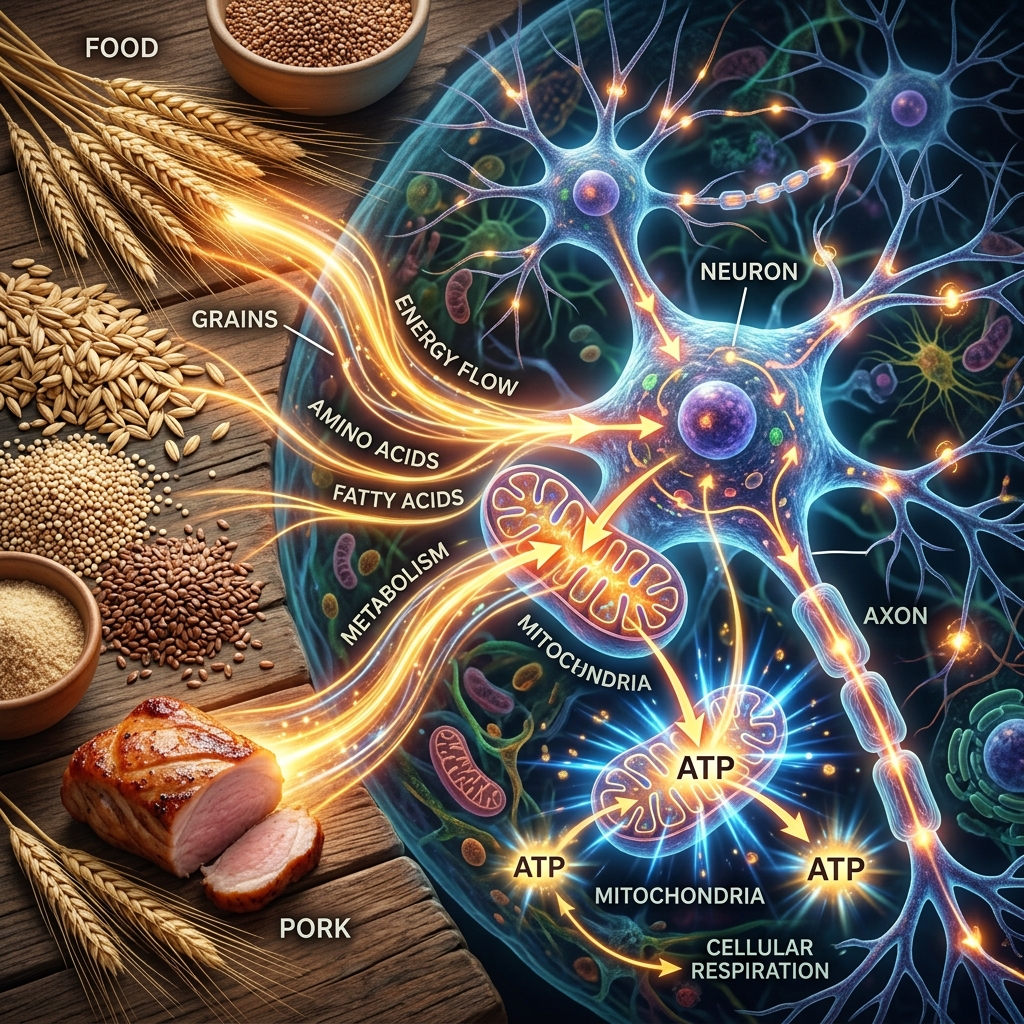
Thiamin, or Vitamin B1, is a crucial water-soluble vitamin that plays an indispensable role in keeping your body's energy systems running smoothly. Think of it as the "spark plug" for your metabolism: without it, the fuel you consume (food) cannot be efficiently converted into usable energy (ATP).
Because Thiamin is water-soluble, your body does not store excess amounts; instead, it needs a consistent supply through diet to maintain optimal function. Its primary jobs are supporting energy production and ensuring proper nerve signal transmission.
How Does Thiamin Power Your Body?
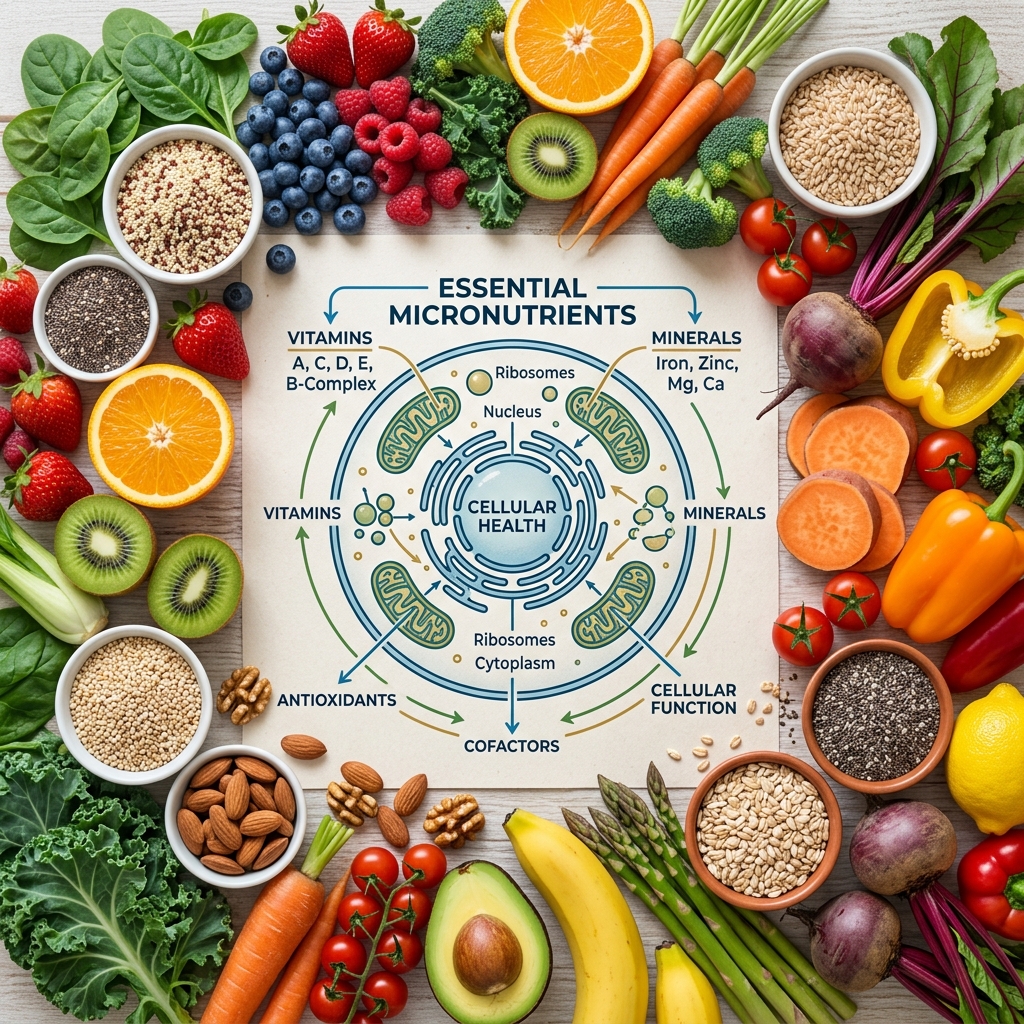
Thiamin's importance lies in its function as a coenzyme—a helper molecule that allows other enzymes to perform complex chemical reactions. Its roles are critical across multiple bodily systems:
⚡ Energy Metabolism: Turning Food into Fuel
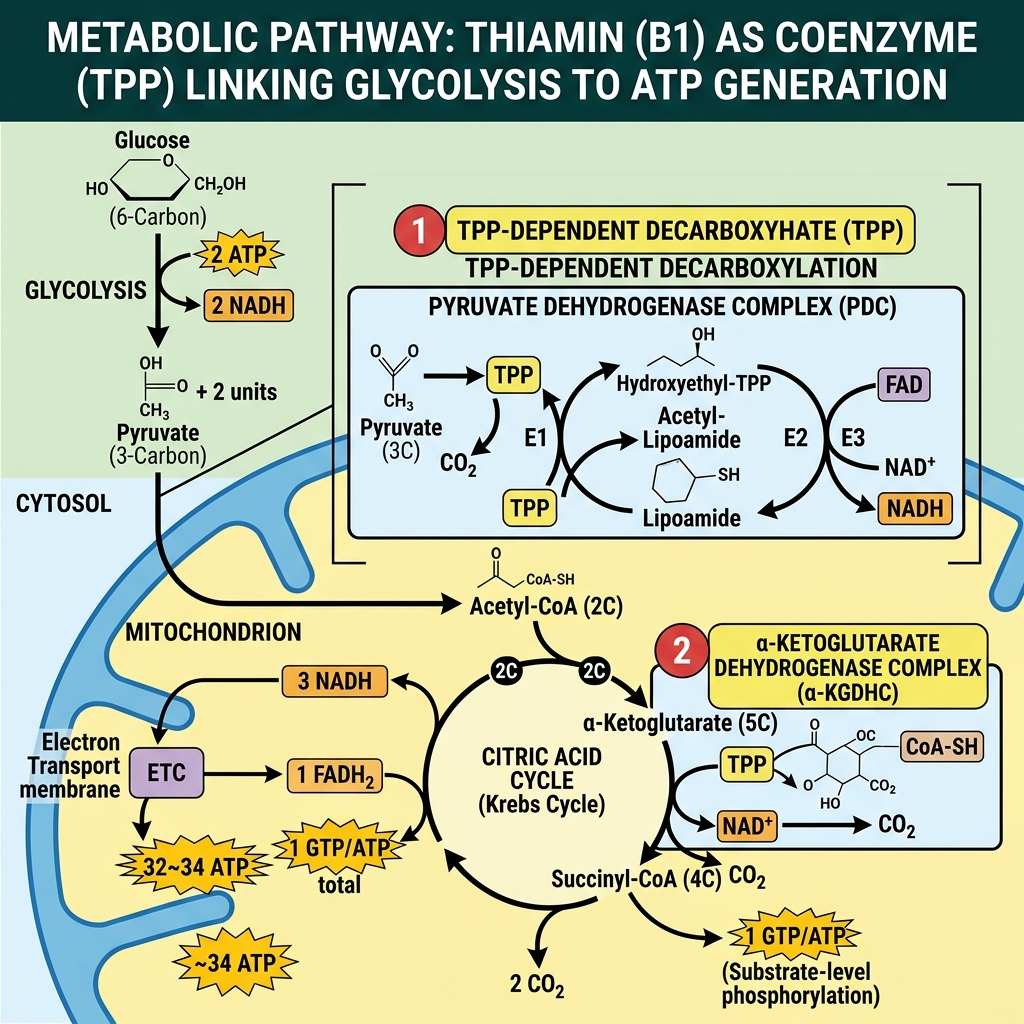
This is Thiamin’s most vital role. It is essential for the breakdown of carbohydrates, which provide the body's primary energy source (glucose). Specifically, B1 supports key metabolic cycles:
- Glucose Breakdown: Thiamin helps enzymes break down glucose into ATP, the universal energy currency used by every cell in your body—from brain cells to muscle fibers.
- The Krebs Cycle (Citric Acid Cycle): This cycle is central to extracting maximum energy from nutrients. B1 plays a vital role in converting pyruvate, a product of glucose breakdown, into acetyl-CoA, allowing the cycle to proceed efficiently.
- Pentose Phosphate Pathway: Thiamin supports this pathway, which is crucial for generating NADPH, a necessary reducing agent involved in various metabolic processes and cell repair.
🧠 Nerve Function: Keeping Signals Clear
Beyond energy, Thiamin is vital for maintaining the integrity of your nervous system. It helps ensure that electrical signals travel accurately and quickly from one nerve cell to the next.
- Myelin Sheath Health: B1 contributes to the health and maintenance of the myelin sheath, the fatty protective coating around nerve fibers that acts like insulation, speeding up signal transmission.
- Neurotransmitter Support: It supports the synthesis of certain neurotransmitters—the chemical messengers that allow your brain and nerves to communicate effectively.
❤️ Other Potential Health Benefits
While energy and nerves are its primary roles, research also suggests Thiamin may contribute to:
- Cardiovascular Health: Supporting efficient heart function, particularly in individuals with heart failure.
- Cognitive Function: Being investigated for its role in maintaining brain health and potentially mitigating age-related cognitive decline.
What Happens When You Are Deficient in Thiamin?
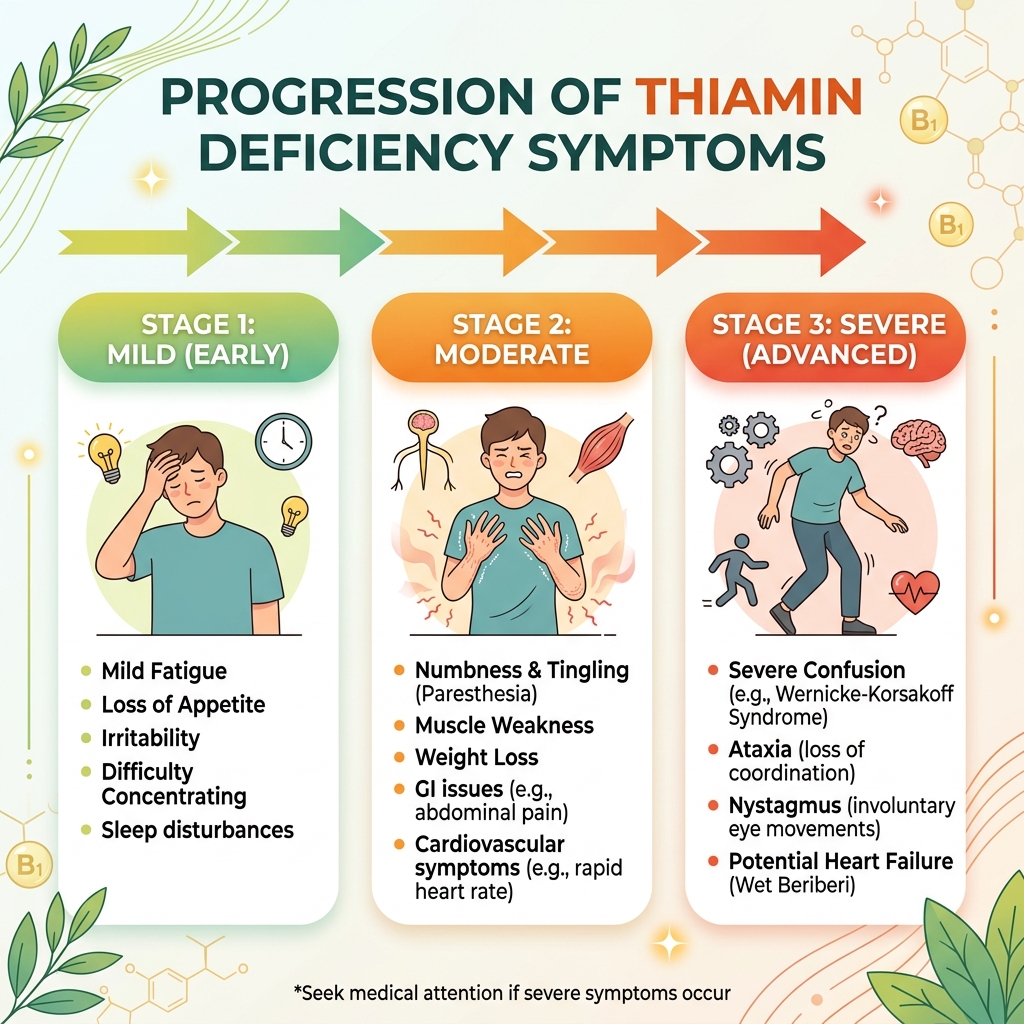
A lack of Thiamin can lead to a serious condition called Beriberi. The severity and symptoms depend on which part of the body is affected, but deficiency signals that your metabolic processes are struggling.
⚠️ Understanding Beriberi
Beriberi is not one single disease; it describes different manifestations of Thiamin deficiency:
- Wet Beriberi: Primarily affects the cardiovascular system, leading to symptoms like heart enlargement, rapid heartbeat (tachycardia), and significant swelling (edema) in the legs.
- Dry Beriberi: Focuses on the nervous system, causing peripheral neuropathy—symptoms include muscle weakness, difficulty walking, tingling, and numbness in the extremities.
- Wernicke-Korsakoff Syndrome (WKS): This is a severe complication often seen in chronic alcoholism. It involves acute brain damage characterized by confusion, loss of coordination (ataxia), and profound memory impairment.
🚨 Recognizing Deficiency Symptoms
The early signs can be subtle, making diagnosis difficult without testing:
- Fatigue: Persistent, unexplained tiredness or lack of energy.
- Neurological Issues: Tingling (paresthesia) or numbness in the hands and feet.
- Digestive Complaints: Abdominal discomfort or loss of appetite.
- Cardiovascular Signs: Rapid heartbeat or noticeable swelling in the ankles/legs.
🛑 Who Is Most At Risk?
While most people get enough Thiamin from a balanced diet, certain groups face higher risks:
- Chronic Alcoholism: Alcohol severely impairs both the absorption and utilization of B1, making supplementation critical.
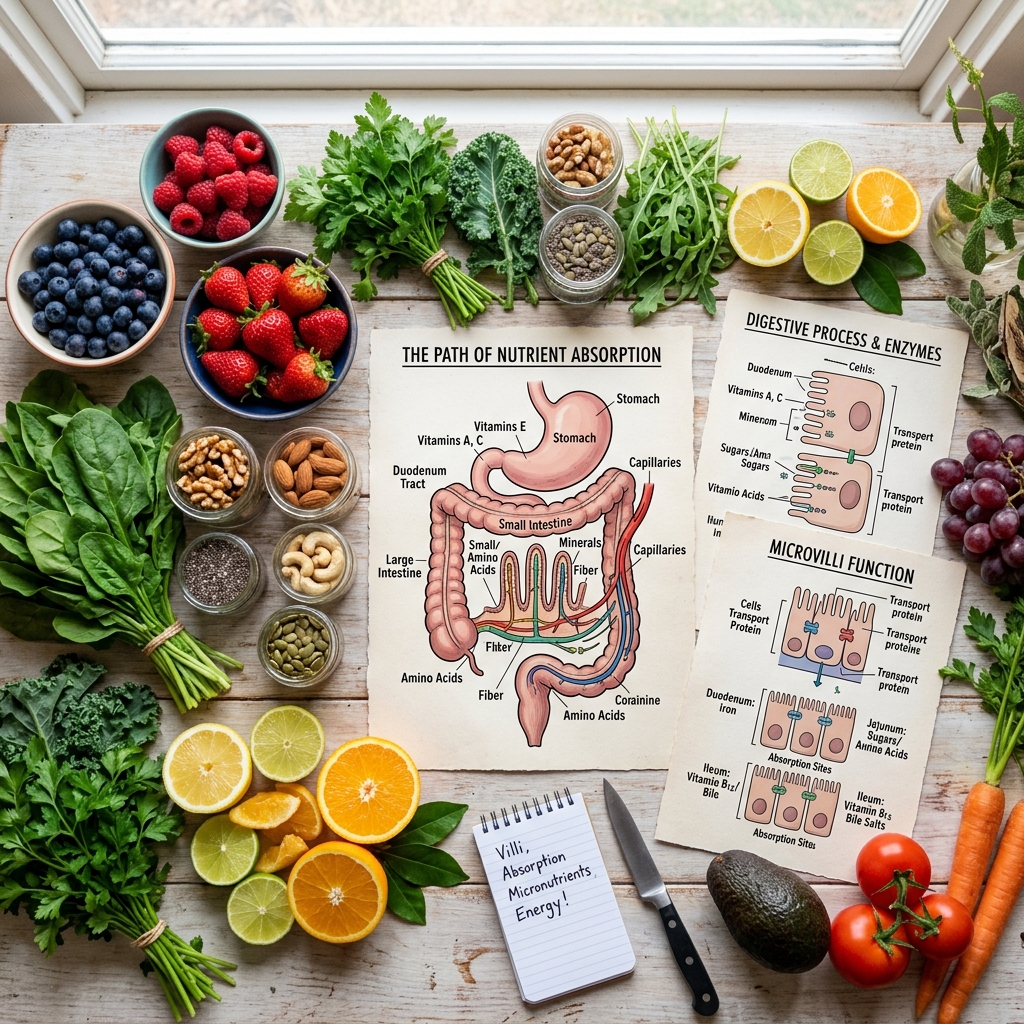
- Malabsorption Syndromes: Conditions like Crohn's disease or celiac disease can prevent proper nutrient uptake.
- Bariatric Surgery Patients: Weight-loss surgeries can sometimes compromise nutrient absorption pathways.
- Elderly Individuals: Older adults may have reduced metabolic efficiency and increased risk of malnutrition.
Where to Find Thiamin in Your Diet?
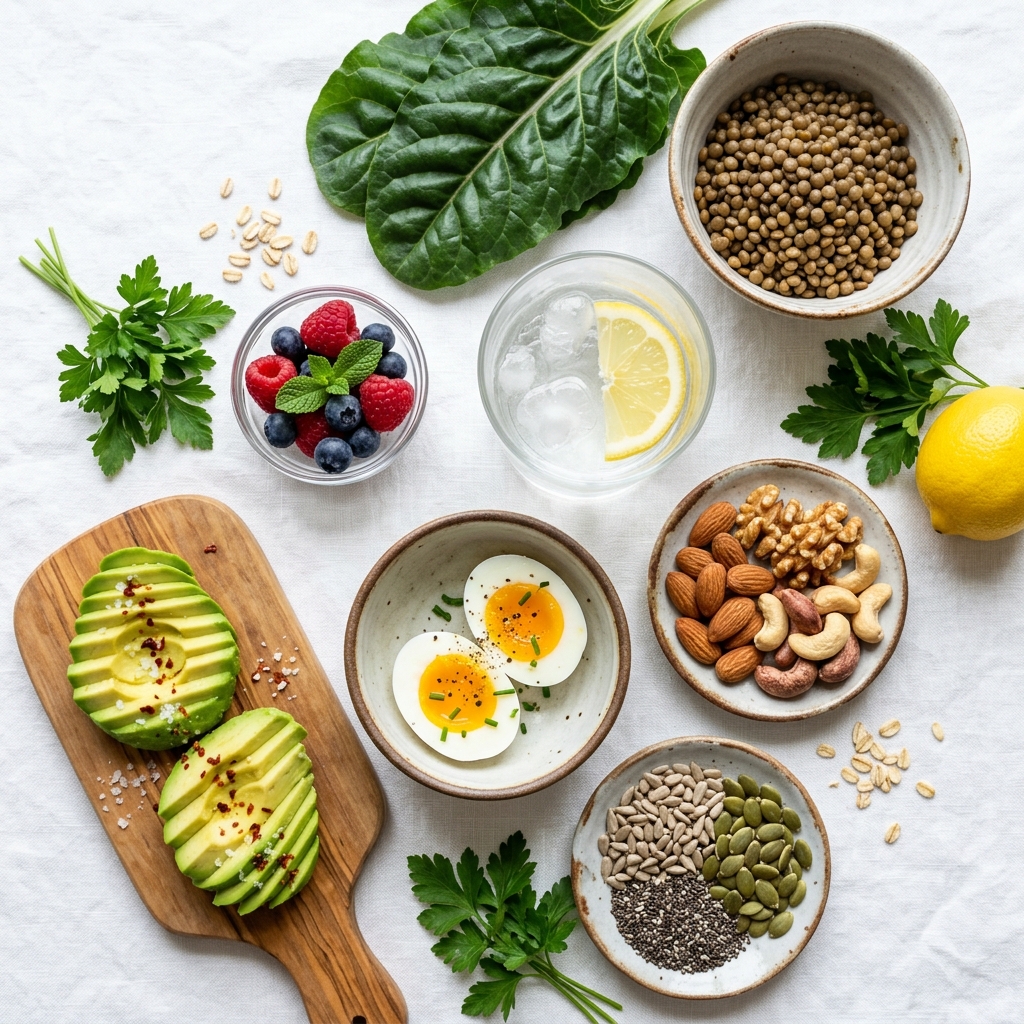
The good news is that B1 is widely available from nutrient-dense foods. Focusing on whole, unprocessed sources is key to maximizing intake.
🍽️ Top Dietary Sources
- Pork: This is one of the richest natural sources of Thiamin. Lean cuts are excellent choices.
- Whole Grains: Brown rice, oats, and whole-wheat bread provide steady B1 release. Look for enriched grains, which have added thiamin.
- Legumes: Beans (black beans, kidney beans) and lentils are affordable and highly nutritious sources.
- Nuts and Seeds: Sunflower seeds and flaxseeds contribute valuable amounts of this vitamin.
💡 Tips for Optimal Intake
- Prioritize Whole Foods: Always choose whole grains over refined white flour products to maximize nutrient density.
- Cook Smart: Thiamin is sensitive to heat. Methods like steaming, microwaving, or stir-frying are gentler than boiling, which can leach out the vitamin.
- Variety is Key: Incorporating a diverse diet that includes meats, legumes, and whole grains ensures comprehensive B1 intake.
| Food Source | Serving Size | Thiamin Content (Approx.) | Benefit Focus |
|---|---|---|---|
| Pork (lean) | 3 oz | High | Primary source of B1 |
| Black Beans | 1 cup cooked | Moderate | Plant-based energy boost |
| Oats/Whole Grain Bread | 1 serving | Good | Sustained, steady release |
| Sunflower Seeds | 1 oz | Moderate | Antioxidant and mineral rich |
Should I Take a Thiamin Supplement?
For most healthy individuals with a balanced diet, supplementation is unnecessary. However, if you fall into one of the high-risk groups (e.g., chronic alcohol users, those with malabsorption issues), your doctor may recommend it.
🩺 Important Considerations Before Supplementing
- Consult Your Doctor: Never start a supplement regimen without professional medical advice. They can determine the correct dosage and if B1 is actually needed.
- Dosage Matters: Follow recommended daily allowances (RDA) guidelines rather than taking high, unregulated doses.
- Interactions: Inform your physician about all medications you take, as Thiamin supplements can interact with certain drugs.
Summary & Next Steps
Thiamin is a foundational vitamin that powers both your cellular energy and the electrical signals of your nervous system. By focusing on whole grains, legumes, and lean pork, you can naturally support optimal B1 levels. If you suspect deficiency symptoms—especially if linked to poor diet or alcohol use—consulting a healthcare provider immediately is crucial for proper diagnosis and treatment.
Disclaimer: The information provided in this article is for general informational purposes only and is not intended as a substitute for professional medical advice, diagnosis, or treatment. Always seek the advice of your physician or other qualified health provider with any questions you may have regarding a medical condition or treatment.
Frequently Asked Questions
Thiamin (Vitamin B1) is a water-soluble vitamin that acts as a coenzyme, primarily helping the body convert carbohydrates and other nutrients into usable energy (ATP) and supporting healthy nerve signal transmission.
Symptoms can range from fatigue and irritability to severe neurological issues like muscle weakness, difficulty walking, and confusion. Severe deficiency is known as Beriberi.