What Is Vitamin B6 (Pyridoxine) and Why Do You Need It?
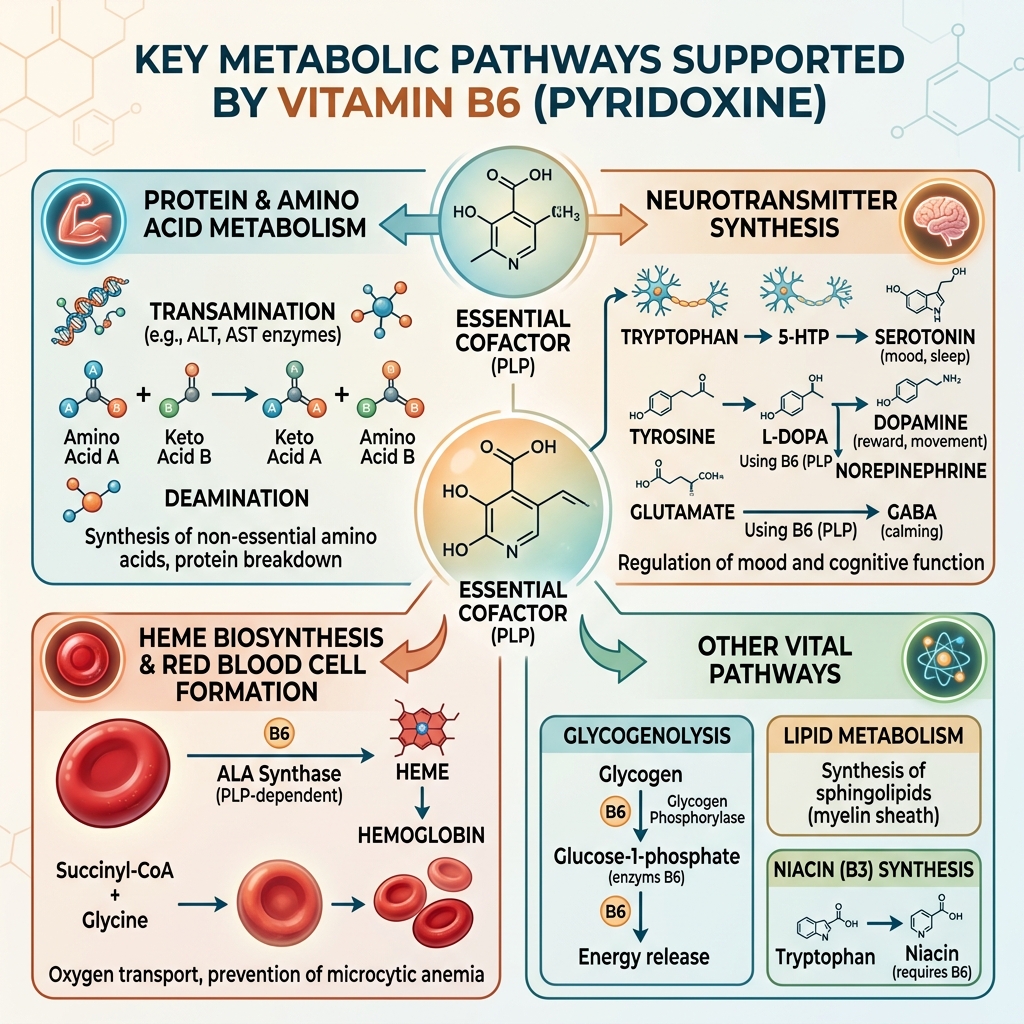
Vitamin B6, also known as pyridoxine, is a critical water-soluble vitamin essential for hundreds of metabolic processes in the human body. Its primary role is acting as a coenzyme that helps convert nutrients into usable forms, supporting everything from amino acid metabolism to neurotransmitter synthesis. Because it is water-soluble, your body cannot store excess amounts, meaning consistent intake through diet is vital for maintaining optimal health and preventing deficiency symptoms.
How Does Vitamin B6 Support Key Body Systems?
Vitamin B6 is not a single-function vitamin; rather, it acts as an indispensable catalyst for several complex biological processes. Understanding these roles helps clarify why maintaining adequate levels is so important for overall wellness.
1. Metabolism and Protein Synthesis
Amino acids are the fundamental building blocks of proteins—the structures that make up muscle, enzymes, and hormones. Vitamin B6 plays a central role in amino acid metabolism, helping your body break down and utilize these components efficiently. Without sufficient B6, the process of protein synthesis slows down, impacting tissue repair, growth, and overall bodily function.
2. Brain Health and Mood Regulation
The brain relies heavily on chemical messengers called neurotransmitters for communication. Vitamin B6 is crucial for synthesizing several key mood-regulating chemicals:
- Serotonin: Often linked to feelings of well-being, sleep regulation, and appetite control.
- Dopamine: Associated with motivation, pleasure, and focus.
- GABA (gamma-aminobutyric acid): Acts as a calming neurotransmitter that helps reduce anxiety and stress levels.
By supporting these pathways, B6 contributes significantly to mental clarity and emotional stability.
3. Blood Formation and Oxygen Delivery
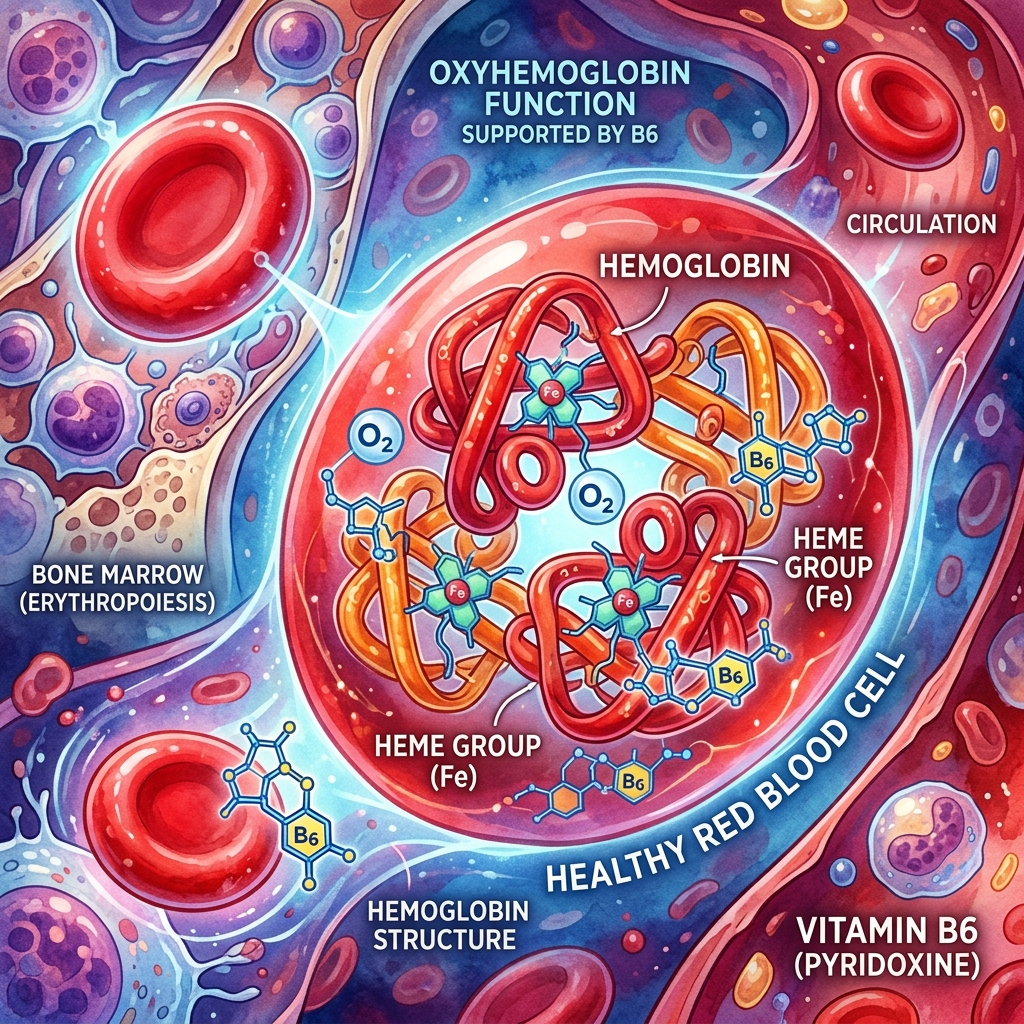
Vitamin B6 is essential for the proper formation of hemoglobin, the protein within red blood cells responsible for carrying oxygen from your lungs to every cell in your body. Deficiency can impair this process, potentially leading to a type of anemia that results in chronic fatigue and weakness.
4. Blood Sugar Balance (Glucose Metabolism)
B6 is involved in gluconeogenesis, the process by which your liver creates glucose from non-carbohydrate sources. This metabolic function helps maintain stable blood sugar levels, particularly important for individuals who do not consume enough carbohydrates throughout the day.
Where to Find Vitamin B6: Dietary Sources
Fortunately, Vitamin B6 is widely available in a variety of nutrient-dense foods. Focusing on whole, unprocessed options is key to maximizing absorption and receiving other beneficial nutrients simultaneously.
Top Food Sources
- Poultry: Chicken and turkey are excellent sources due to their high bioavailability of B6.
- Fish: Salmon, tuna, and trout provide not only B6 but also healthy omega-3 fatty acids.
- Meat: Beef and pork contain significant amounts of this vitamin.
- Potatoes & Sweet Potatoes: These starchy vegetables are highly accessible plant-based sources.
- Bananas: A convenient fruit source, especially useful for quick daily intake.
- Legumes: Chickpeas, lentils, and beans offer B6 alongside fiber and plant protein.
Tips for Optimal Intake
- Variety is Key: Do not rely on a single food group. Incorporate a mix of meats, fish, legumes, and root vegetables into your weekly meals.
- Cooking Methods Matter: While some nutrients are lost through boiling, steaming or baking methods generally preserve B6 content better than prolonged boiling.
- Prioritize Whole Foods: Processed foods often lack the synergistic nutrient profile found in whole ingredients.
What Are the Symptoms of Vitamin B6 Deficiency?
While deficiency is uncommon in developed nations with balanced diets, recognizing the signs early is crucial for timely intervention. A persistent lack of B6 can affect multiple systems:
⚠️ Key Signs to Watch For
- Fatigue and Weakness: Due to impaired red blood cell formation (anemia).
- Skin Issues: Red, itchy, or flaky rashes, particularly around the mouth and eyes.
- Neurological Symptoms: Tingling, numbness, or pain in the hands and feet (peripheral neuropathy). This is a serious sign requiring medical attention.
- Mood Changes: Increased irritability, difficulty concentrating, or signs of depression due to neurotransmitter imbalance.
Who Is At Higher Risk?
Certain populations require extra vigilance regarding B6 intake:
- Individuals with malabsorption syndromes (e.g., Crohn's disease).
- People who consume alcohol heavily, as it interferes with nutrient absorption.
- Those undergoing treatment for certain conditions that require specific medications (like isoniazid).
- Pregnant and breastfeeding women, whose needs are elevated during these periods.
Should I Take Vitamin B6 Supplements?
For most healthy individuals consuming a varied diet, supplements are unnecessary. However, there are times when supplementation is medically advised:
- Diagnosed Deficiency: If blood tests confirm a deficiency, your doctor will recommend the appropriate dosage.
- Medication Interference: If you are taking certain medications that interfere with B6 metabolism, prophylactic supplementation may be necessary to prevent nerve damage.
- Dietary Restrictions: If you have severe dietary limitations or malabsorption issues, supplements can bridge the nutritional gap.
🚨 Warning: The Risk of Toxicity
It is vital to remember that too much Vitamin B6 can be toxic. High doses, particularly from mega-dosing supplements, can lead to a condition called peripheral neuropathy—a permanent nerve damage characterized by tingling and numbness in the extremities. Always follow the recommended daily allowance (RDA) or your doctor's specific instructions.
Quick Reference: Recommended Daily Allowance (RDA)
The RDA varies significantly based on age and life stage. For general guidance, note that adult requirements are typically around 1.3 mg to 1.7 mg per day. Always consult a healthcare professional for personalized recommendations.
| Group | Approximate RDA Range | Key Consideration |
|---|---|---|
| Adults (19-50 years) | 1.3 mg | Maintain through varied diet. |
| Pregnant Women | ~1.9 mg | Increased need due to metabolic demands. |
| Elderly Adults (51+) | 1.5 - 1.7 mg | Absorption rates may decrease; check with a doctor. |
Summary & Next Steps
Vitamin B6 is an indispensable nutrient that supports everything from your mood and cognitive function to the structural integrity of your blood cells. By focusing on whole foods—especially fish, poultry, potatoes, and bananas—you can naturally meet your needs while supporting optimal metabolic health. If you suspect a deficiency or are considering high-dose supplementation, do not self-diagnose. Consult with a registered dietitian or physician to ensure safe and effective care.
Disclaimer: This article is for informational purposes only and does not constitute medical advice. Always consult with your doctor or a qualified healthcare professional before making any changes to your diet or supplement regimen.
Frequently Asked Questions
Yes, excessive intake from supplements can cause peripheral neuropathy (nerve damage). Always consult your doctor before taking high doses.
Getting B6 through a varied diet of whole foods is generally safest and most effective. Cooking methods like steaming are often better than boiling.