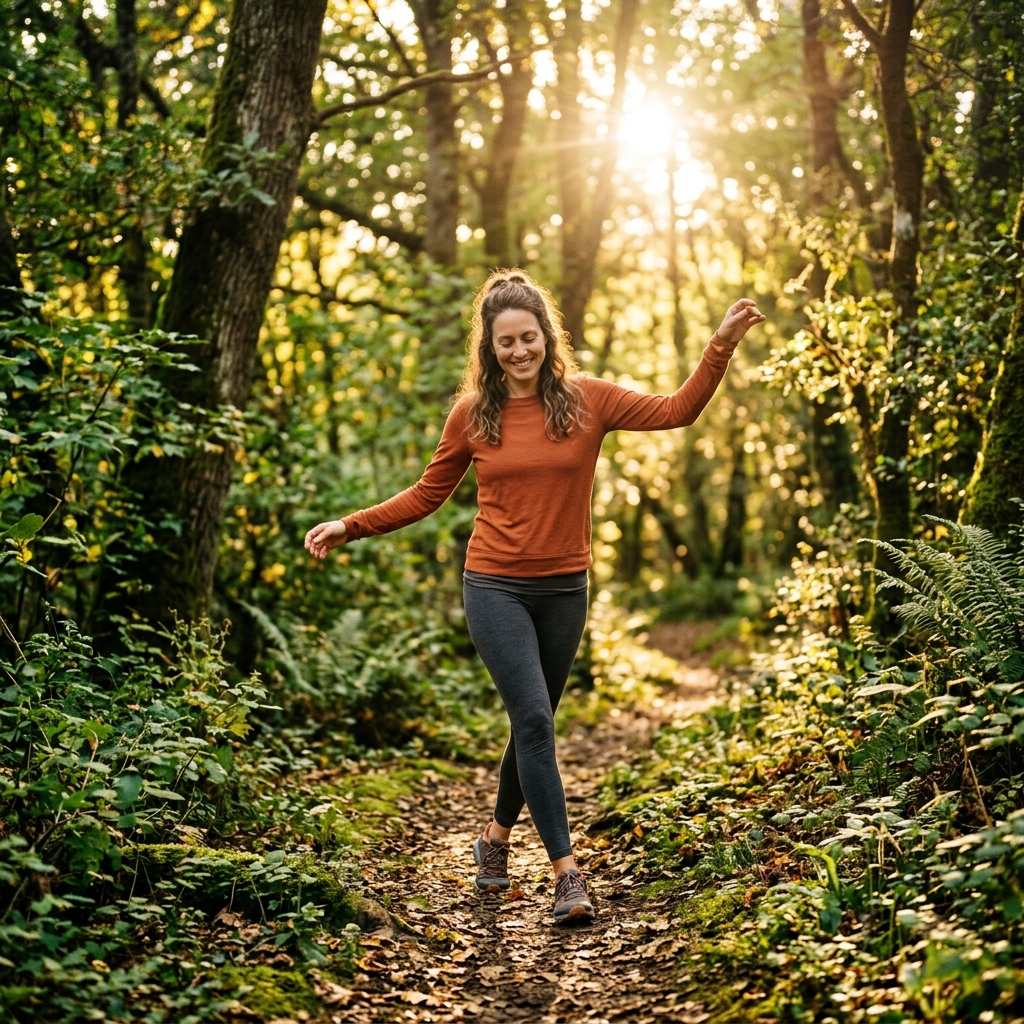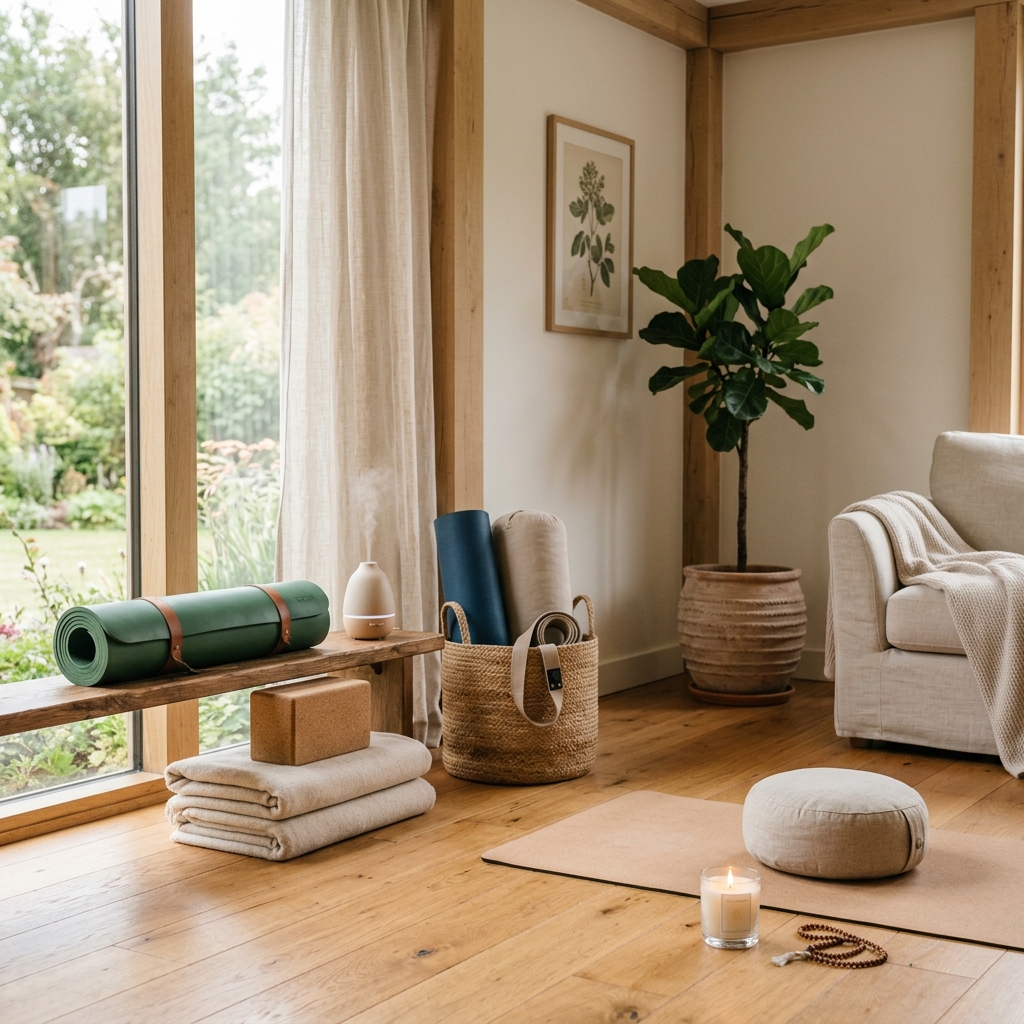
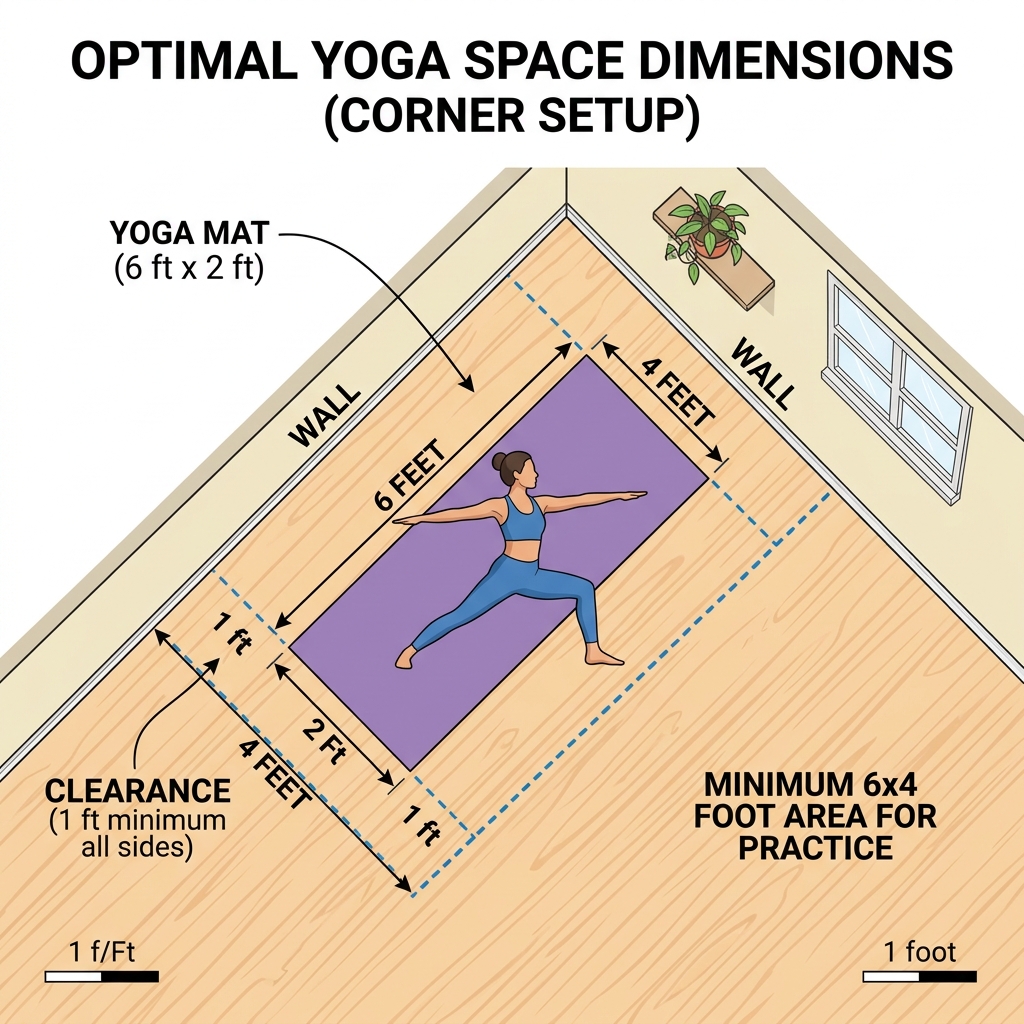
Creating a home yoga sanctuary is an investment in your mental and physical health, providing a dedicated space to disconnect from daily stress. To start, choose a quiet corner or room that allows for comfortable movement (at least 6ft x 4ft). Equip it with essential props, optimize the lighting and scent, and commit to making it a clutter-free zone where you can breathe deeply and focus solely on your practice.
Why is Creating a Home Yoga Space Beneficial?
Setting up a dedicated area for movement and mindfulness offers benefits that extend far beyond physical stretching. It transforms the practice from a chore into a ritual, making consistency easier to achieve.
- Increased Convenience: You can practice whenever you want, eliminating travel time or scheduling conflicts associated with external studios.
- Deepened Connection: Practicing in solitude allows for a deeper focus on your breath and body sensations without the distraction of others.
- Stress Signal: Simply entering your "sanctuary" signals to your brain that it is time to unwind, making the act of self-care more potent.
- Personalization: You have complete control over the environment—from the music playlist to the scent diffuser—allowing you to tailor the space perfectly to your mood and needs.
What are the Key Elements of a Yoga Sanctuary?
A sanctuary is not just about equipment; it's about creating an atmosphere that supports deep relaxation and focus. Focus on these three pillars: Space, Equipment, and Ambiance.
Finding the Right Space for Your Practice
You do not need an entire spare room to begin your journey. The key is establishing a clear boundary between your practice area and the rest of your home.
Choosing the Ideal Location
When selecting a spot, prioritize these factors:
- Quiet Zone: Select an area away from high-traffic zones (like kitchens or entryways) and noisy appliances (dishwashers, TVs).
- Stable Surface: The floor must be flat and stable. Hardwood floors are excellent; if you have plush carpeting, consider using a yoga mat over it for better grip and cushioning.
- Natural Light: If possible, position your space near natural light sources. Natural daylight is proven to boost mood and energy levels.
- Ventilation: Ensure the area can be well-ventilated to prevent stale air buildup during deep breathing exercises.
Transforming a Small Corner
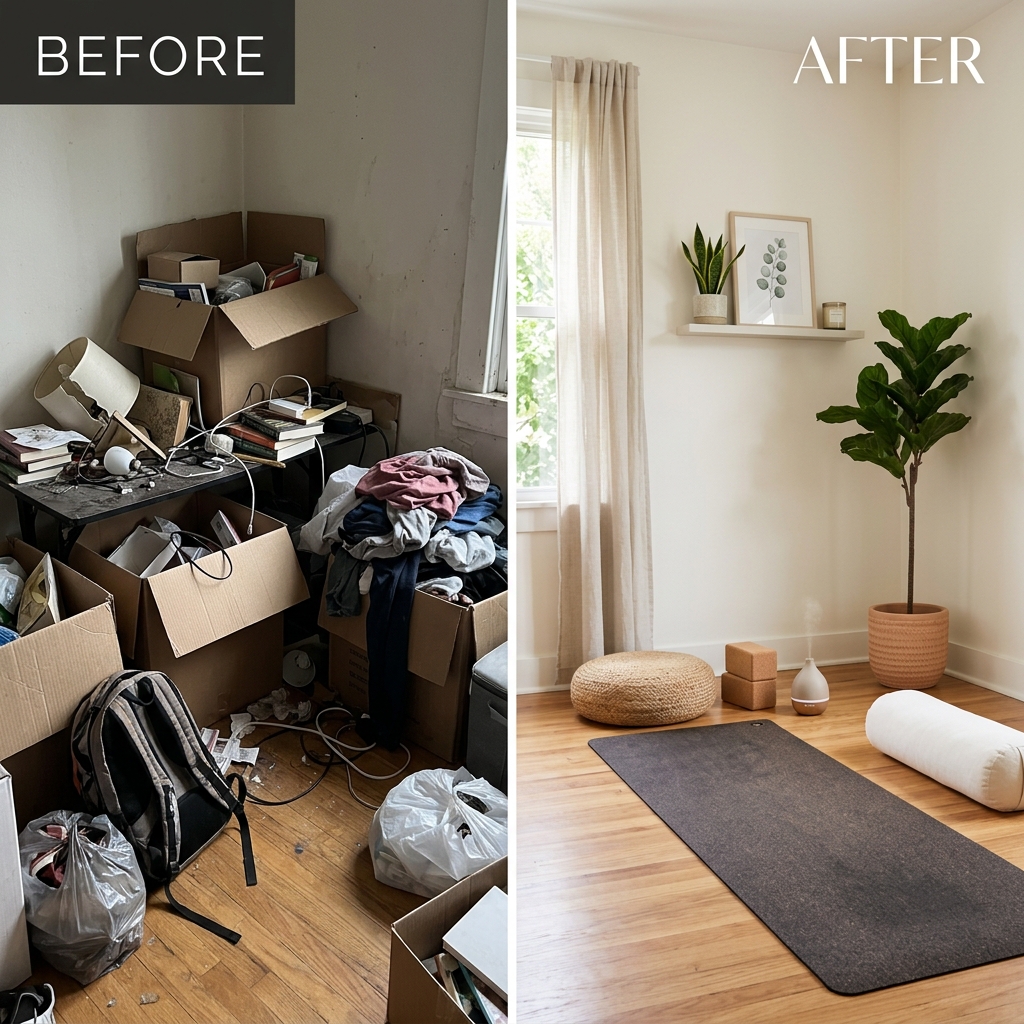
If you lack a dedicated room, treat a corner of a living or bedroom space as your studio. The most important step is decluttering. Remove anything that draws the eye or suggests activity (mail piles, electronics, random objects). This mental decluttering helps clear the mind for meditation and focus.
Essential Gear: What Do I Need to Start?
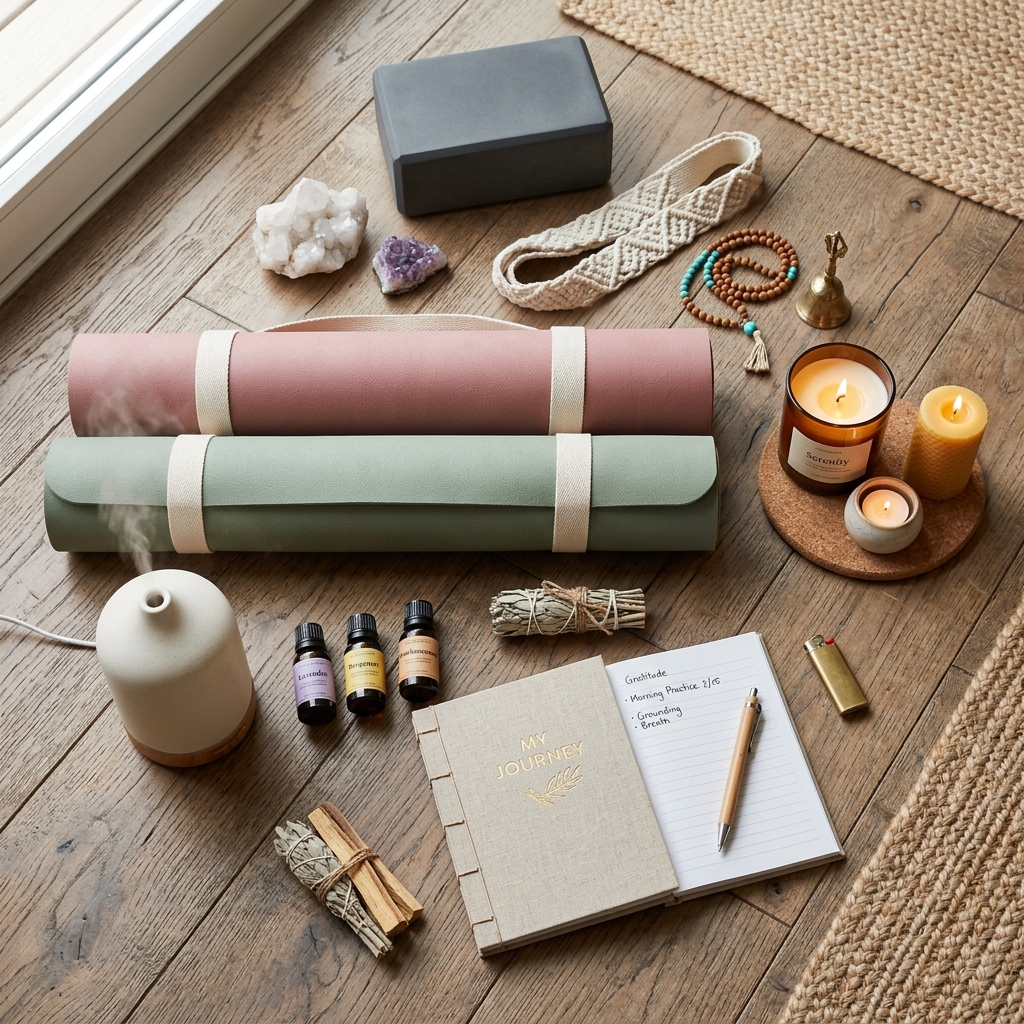
The beauty of yoga is its accessibility; you don't need expensive gear. However, having the right tools can significantly enhance your comfort and depth of practice.
The Foundation: Yoga Mats
Your mat is the most crucial piece of equipment. When selecting one, consider these factors:
- Material: Natural rubber is highly eco-friendly and provides excellent grip. TPE (Thermoplastic Elastomer) mats are a good balance of affordability and sustainability. Avoid PVC if environmental impact is a concern.
- Thickness vs. Stability: Thicker mats offer more cushioning, which is helpful for sensitive joints. However, be aware that excessive thickness can compromise stability, making balancing poses harder.
- Grip: Look for mats with a textured surface or natural rubber base to ensure you stay grounded during challenging poses.
Optional Props for Deeper Practice
Props are tools designed to make certain poses more accessible and deepen stretches safely. They are highly recommended as you progress:
- Yoga Blocks: Used to bring the floor closer (e.g., in Triangle Pose) or to support wrists/knees. Foam or cork blocks work well.
- Strap: Helps increase flexibility, particularly for hamstrings and shoulders, allowing you to deepen stretches safely.
- Bolster: A long cylindrical pillow used primarily in restorative poses, providing deep comfort and support (e.g., Supported Child's Pose).
- Meditation Cushion (Zafu): Essential if your practice includes seated meditation, as it elevates the hips to a comfortable height.
Creating an Ambiance: Setting the Mood for Mindfulness
The atmosphere of your sanctuary plays a powerful role in signaling relaxation and focus. Think of these elements as sensory cues that help you transition into a meditative state.
Lighting and Sound
- Lighting: Opt for soft, warm lighting. Dimmers or lamps are better than harsh overhead fluorescent lights. Consider using Himalayan salt lamps or candles (safely!) to create a gentle glow.
- Soundscape: Curate a specific playlist of calming music—instrumental tracks, nature sounds, or ambient chanting. This consistent sound helps block out external distractions and guides your focus inward.
Aromatherapy for Focus
Scent is strongly linked to memory and emotion. Using essential oil diffusers can enhance the meditative quality of your practice:
- For Relaxation: Lavender, Chamomile, Sandalwood.
- For Energy/Focus: Peppermint, Rosemary, Lemon.
- For Grounding: Cedarwood, Patchouli, Vetiver.
The Power of Decluttering
A cluttered physical space often leads to a cluttered mind. Before every session, take five minutes to tidy up the area. Keep only your mat and props visible; everything else should be put away until after your practice is complete.
Building Consistency: Resources and Routine Tips
The hardest part about home yoga is maintaining momentum. Use these strategies to ensure your practice becomes a non-negotiable habit.
Finding Guided Support
You don't have to teach yourself! Utilize structured resources tailored to all levels:
- Online Platforms: Services like Glo or Alo Moves offer vast libraries of classes, allowing you to choose styles (Vinyasa, Hatha, Yin) and lengths that fit your schedule.
- Apps: Apps such as Down Dog provide customized routines based on your current fitness level and goals.
- Books & Philosophy: Reading about the philosophy of yoga can deepen your understanding beyond just physical poses (asanas).
Tips for Staying Motivated
- Schedule It Like an Appointment: Treat your practice time as seriously as a work meeting. Put it in your calendar and commit to it.
- Start Small, Build Momentum: If you are new, do not aim for 60 minutes immediately. Start with 15-20 minute sessions. Consistency is more important than duration.
- Set Micro-Goals: Instead of "be flexible," set a goal like "hold Warrior II pose for 30 seconds today." Celebrate these small wins to build confidence.
- Track Your Progress: Keep a simple journal or use an app to log your sessions, noting how you felt physically and mentally afterward. This visual evidence reinforces the value of the practice.
Summary: Making Yoga a Daily Habit
Creating a home yoga sanctuary is about more than just aesthetics; it's about establishing a sacred routine. By optimizing your space for comfort, gathering the right tools, and committing to consistent self-care, you transform a simple corner into a powerful tool for mental clarity and physical resilience. Start today by clearing one surface and setting a timer—the journey toward inner peace begins at home.
Frequently Asked Questions
No. While a dedicated room is ideal, you can create an effective sanctuary in a quiet corner of any room by clearing clutter and setting boundaries.