What is Mindful Movement in Nature?
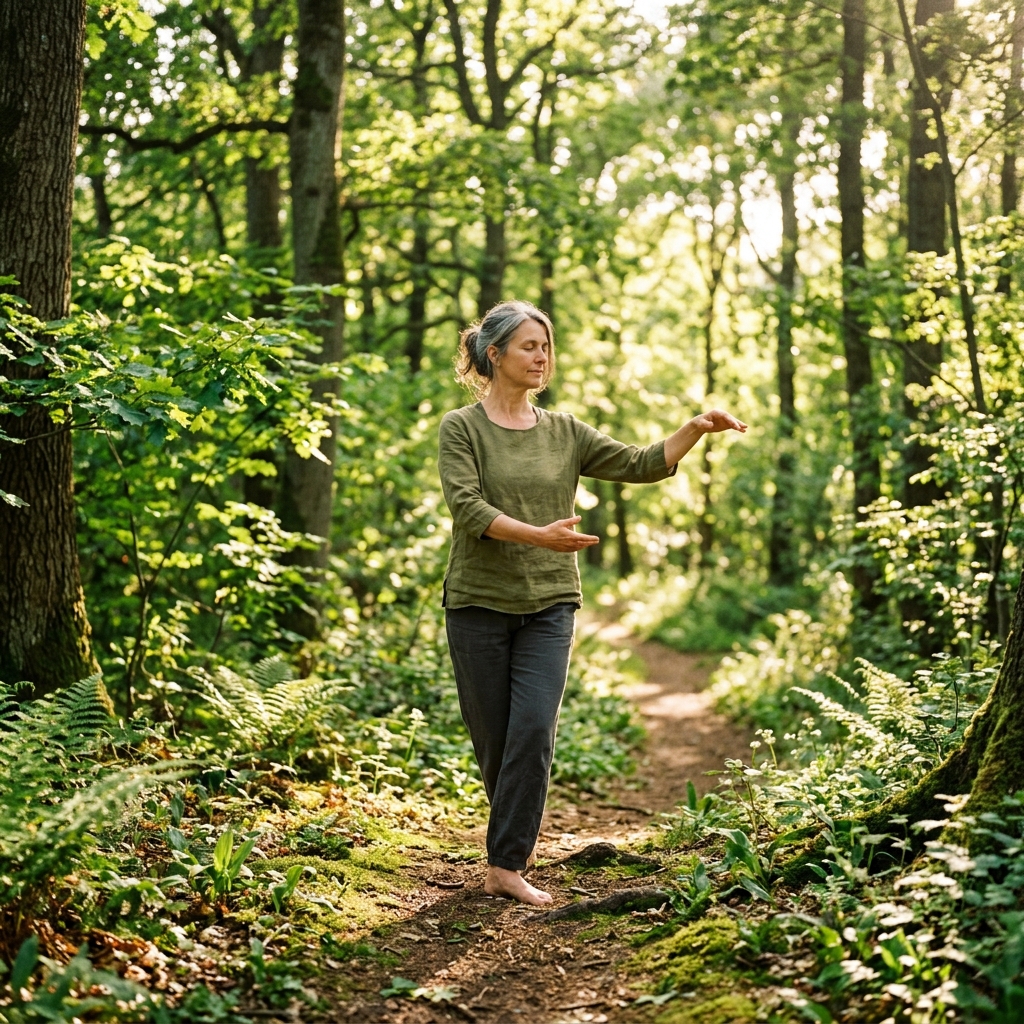
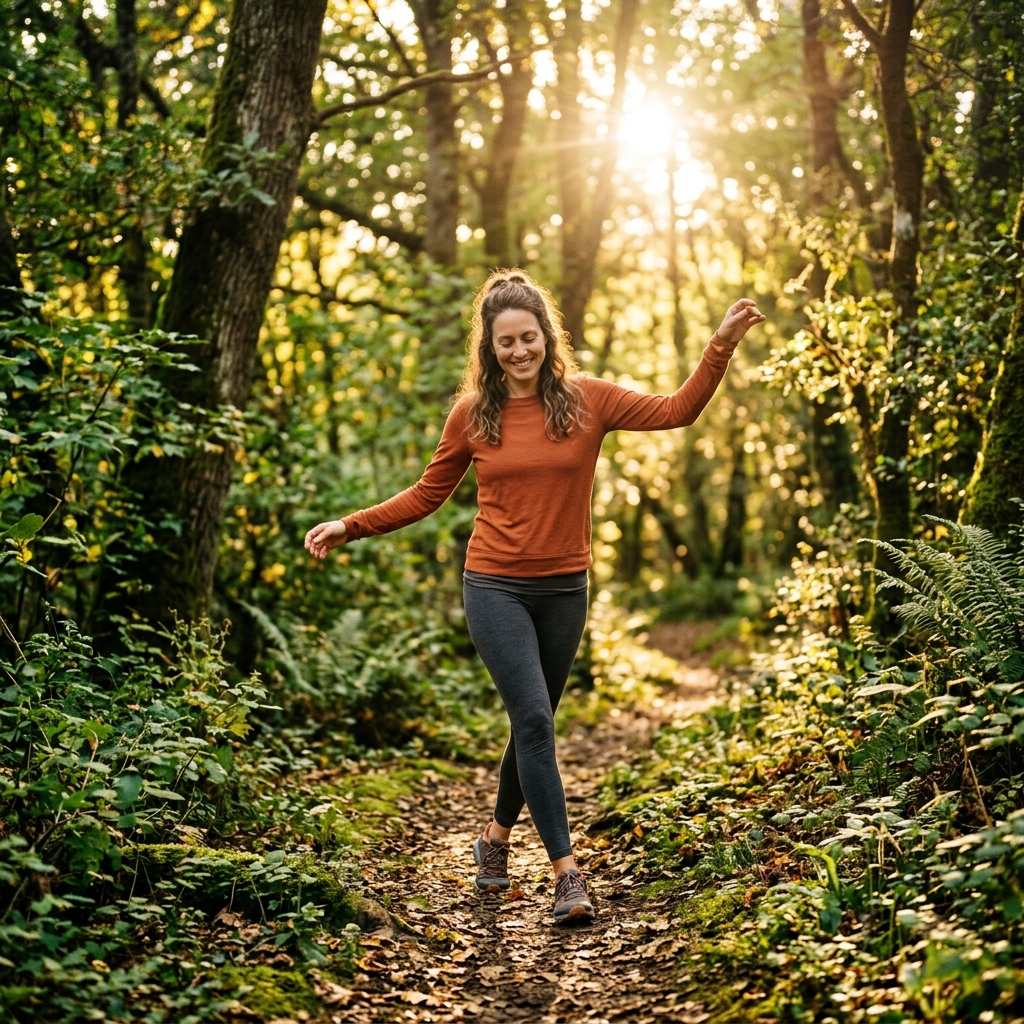
Mindful movement in nature is the practice of intentionally bringing full, non-judgmental awareness to your body and surroundings while engaging in physical activity outdoors. It transforms a routine workout from a mere chore into a holistic experience that nourishes both your physical strength and your mental clarity. Instead of focusing solely on metrics like speed or distance, you focus on the process—the feeling of your feet hitting the earth, the sound of the wind, and the rhythm of your breath.
Why Does Mindfulness Enhance Outdoor Exercise?
The core benefit of integrating mindfulness is that it pulls you out of "autopilot" mode. When we are stressed, our minds tend to dwell on worries about the past or anxieties about the future. Mindful movement forces your attention into the present moment, which has profound physiological and psychological benefits.
How Does It Impact Your Body?
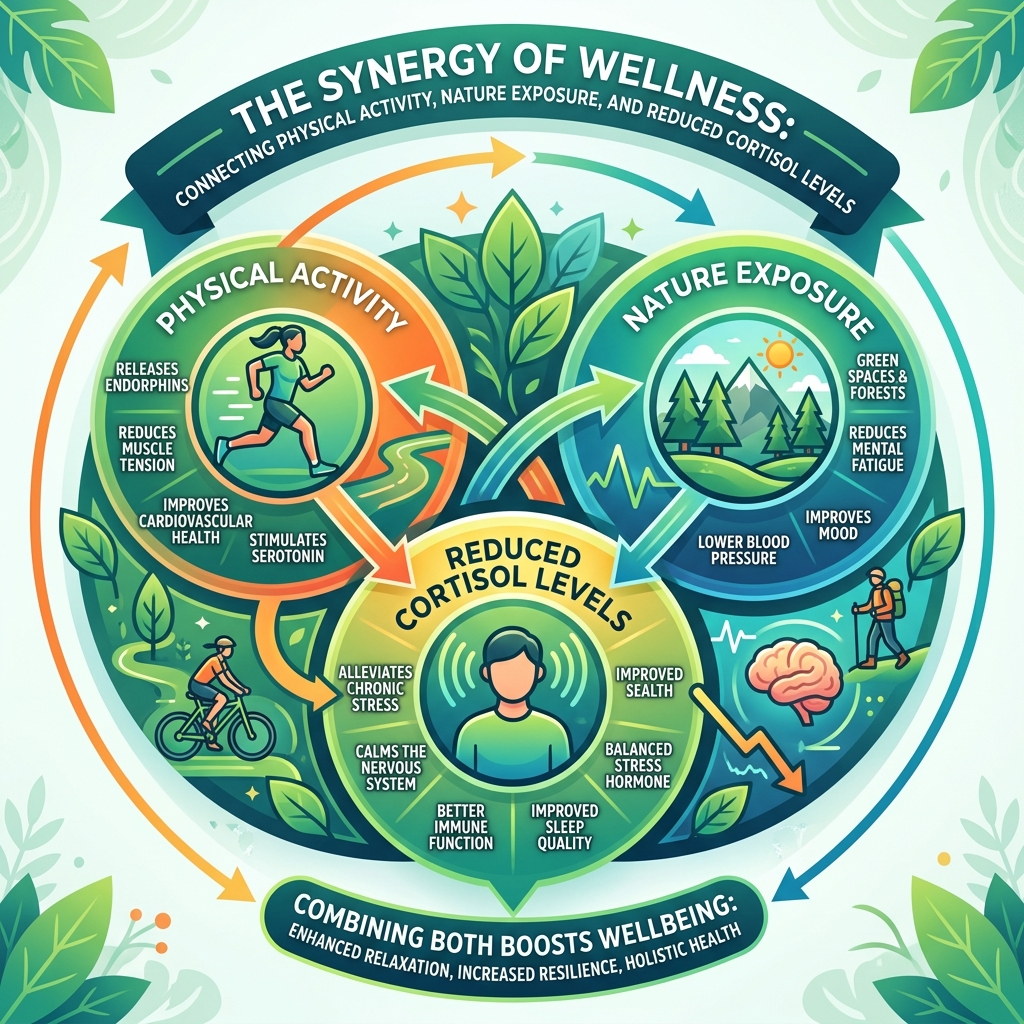
- Stress Reduction: By focusing on immediate sensory input (like breathing or footsteps), you activate the parasympathetic nervous system. This triggers the "rest and digest" response, helping to lower stress hormones like cortisol.
- Mood Boost: Physical activity naturally releases endorphins. Combining this with nature exposure increases levels of mood-boosting neurotransmitters such as serotonin and dopamine, leading to a sustained sense of calm and well-being.
- Improved Focus: Training your mind to stay present during movement strengthens your ability to concentrate, which translates into better focus in all areas of life.
What Does It Do for Your Mind?
Mindfulness acts as a form of mental training. By choosing to observe the details—the specific shade of green on a leaf, or the distinct sound of a bird call—you are actively practicing attentional control. This practice reduces rumination and anxiety, giving your brain a much-needed break from constant digital stimulation.
How Can I Practice Mindful Movement Outdoors?
Mindful movement is adaptable to almost any activity. The key is not the intensity of the exercise, but the depth of your attention. Here are several ways to incorporate awareness into your next outdoor session:
🚶♀️ Walking and Hiking
This is the most accessible entry point. Instead of simply walking from Point A to Point B, practice mindful walking:
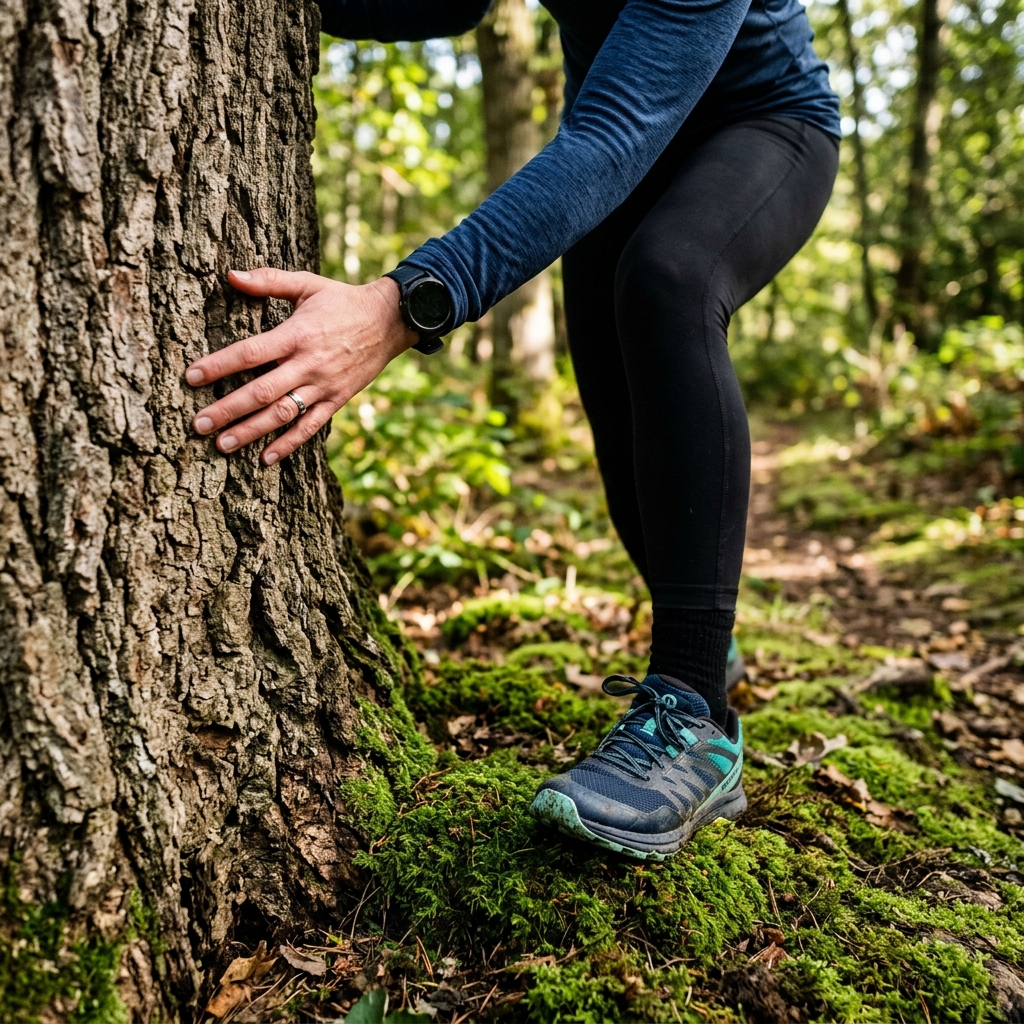
- Focus on Footfalls: Pay deep attention to the sensation of each step—the lift, the swing, the contact with the ground. Notice if your heel hits first or if you roll through your toes.
- Observe the Terrain: Look down and up. Note the textures (rough bark, smooth stone), colors, and patterns in the natural environment around you.
- Pacing Your Breath: Synchronize your breath with your steps. Inhale for three steps, exhale for three steps. This anchors you firmly in the present moment.
🧘♀️ Yoga and Tai Chi in Nature
Outdoor movement like yoga or Tai Chi naturally lends itself to mindfulness because these practices require deep body awareness.
- Grounding: When holding a pose (like Warrior II), feel your connection to the earth through your feet. Imagine roots growing from your soles, anchoring you firmly into the ground.
- Listening to Breath: Use the natural sounds—the wind, the water—as background rhythm cues for your breath, allowing nature to guide your flow.
🚴♀️ Cycling and Running (The Sensory Approach)
Even high-intensity activities can be mindful if you shift your focus:
- Sight: Instead of looking at the pavement ahead, consciously scan the environment. What colors dominate this section? How does the light change as you move through the trees?
- Sound: Tune out internal noise (like worries) and tune into external sounds—the rush of wind past your ears, the distant chatter of a stream.
What Are the Benefits Beyond Fitness?
The benefits of this practice extend far beyond simply having a good workout. It is a powerful tool for overall well-being.
- Enhanced Cognitive Function: Nature provides what scientists call "soft fascination." Unlike the demanding focus required by screens or traffic, nature allows your attention to wander and rest naturally, which helps recharge your brain's ability to concentrate later on.
- Increased Connection (Biophilia): By actively observing local flora and fauna, you deepen your sense of belonging to the ecosystem. This connection fosters a greater appreciation for environmental stewardship.
- Emotional Regulation: Spending time in natural settings has been shown to stabilize mood and reduce symptoms associated with anxiety and depression, making it an effective complement to traditional therapy.
How Do I Make Mindful Movement a Habit?
Consistency is key. You don't need hours of uninterrupted time; small, mindful moments accumulate into significant benefits.
Actionable Tips for Starting Today:
- Start Small: Commit to just 10 minutes of mindful walking in a local park this week.
- Designate a "Mindful Spot": Choose one specific spot—a bench overlooking a river, or a particular tree—and make it your regular destination for reflection and movement.
- Leave the Tech Behind: Intentionally leave headphones and phones at home (or on silent). Let nature be your soundtrack.
- Set Intentions: Before you start, set an intention: "Today, I will focus only on the sounds." This helps train your mind from the outset.
Summary & Next Steps
Mindful movement in nature is a powerful synergy of physical exercise and mental awareness. By slowing down enough to notice the details—the smell of pine needles, the feel of cool air, the sound of running water—you are doing more than just exercising; you are actively healing your mind and strengthening your connection to life itself.
Start today by taking a deep breath in nature and simply noticing five things you can see, four things you can hear, three things you can smell, two things you can feel, and one thing you can taste (even if it's just the fresh air). This simple exercise is the foundation of mindful movement.
Frequently Asked Questions
Start with just 10–15 minutes of mindful walking or stretching several times a week. Consistency is more important than duration.