What is Functional Fitness and Why Should You Do It Outdoors?
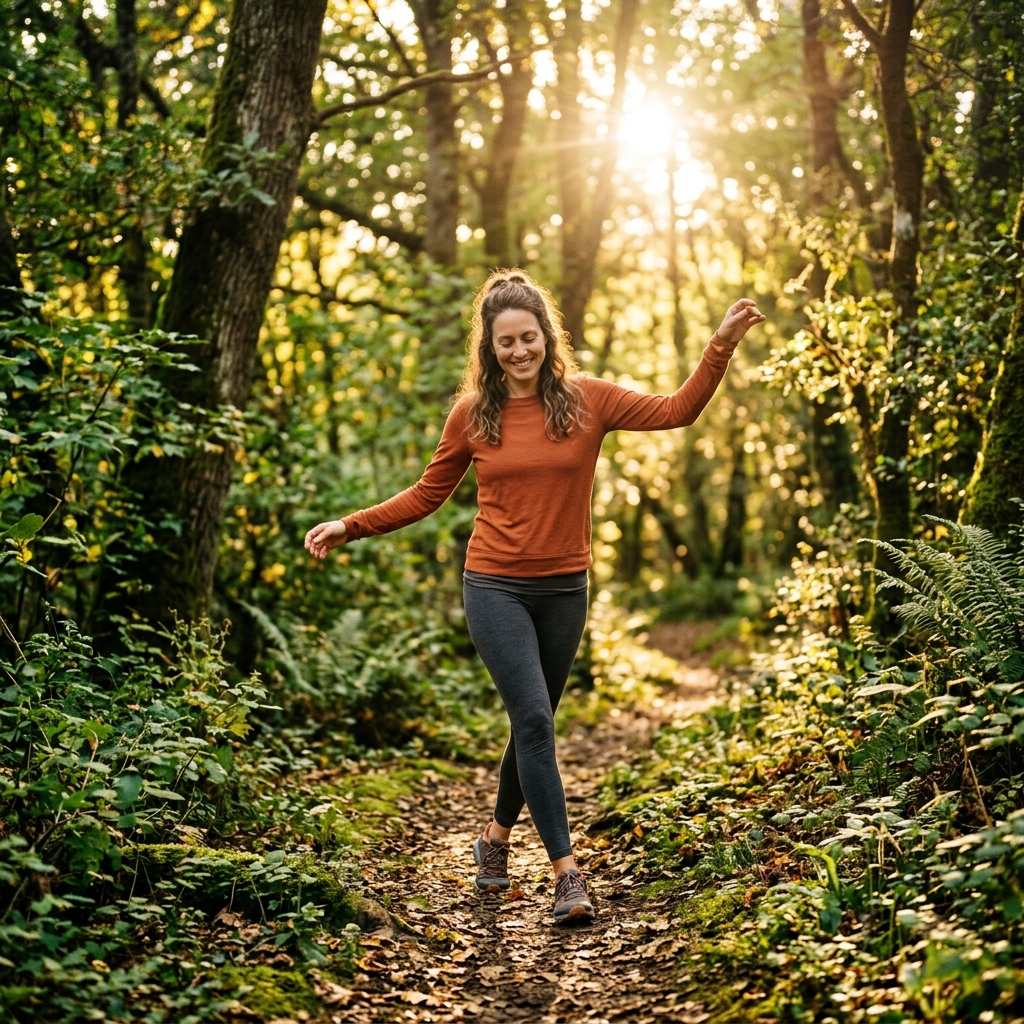
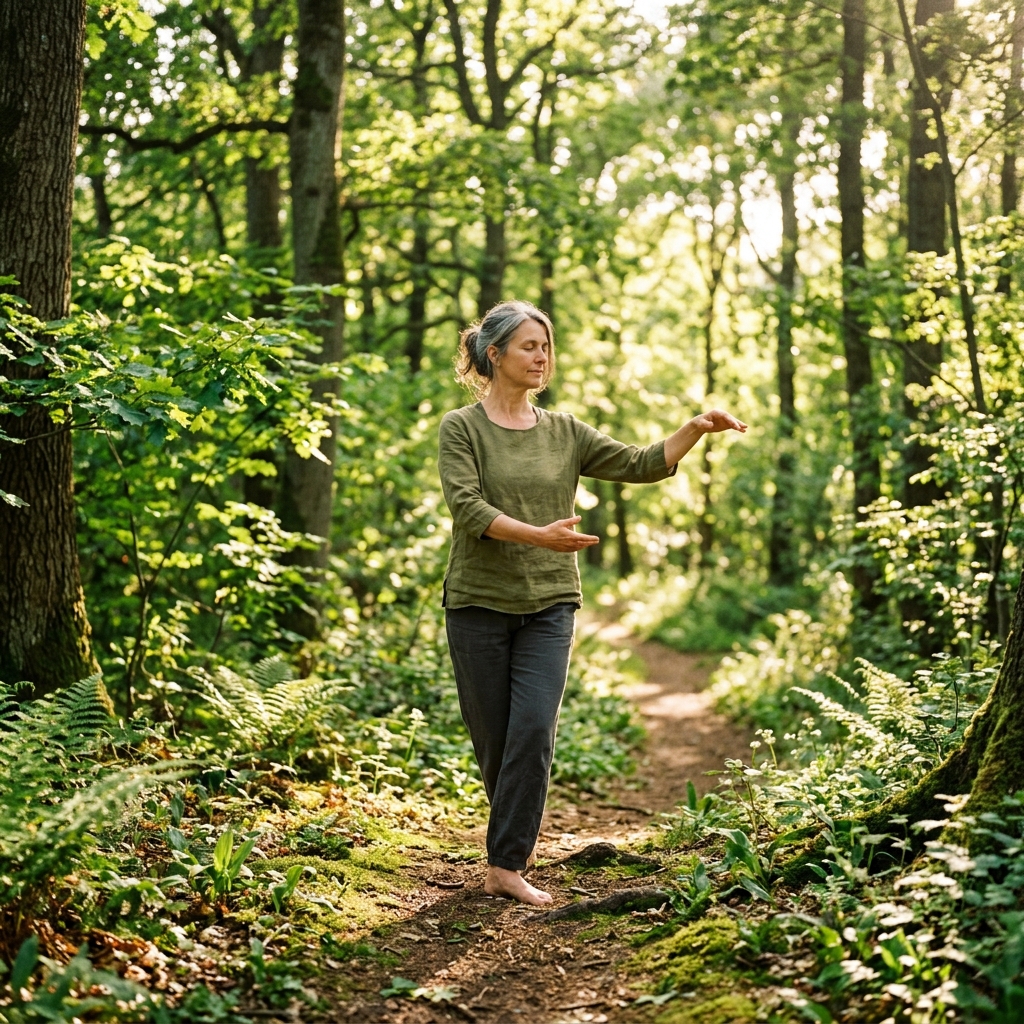
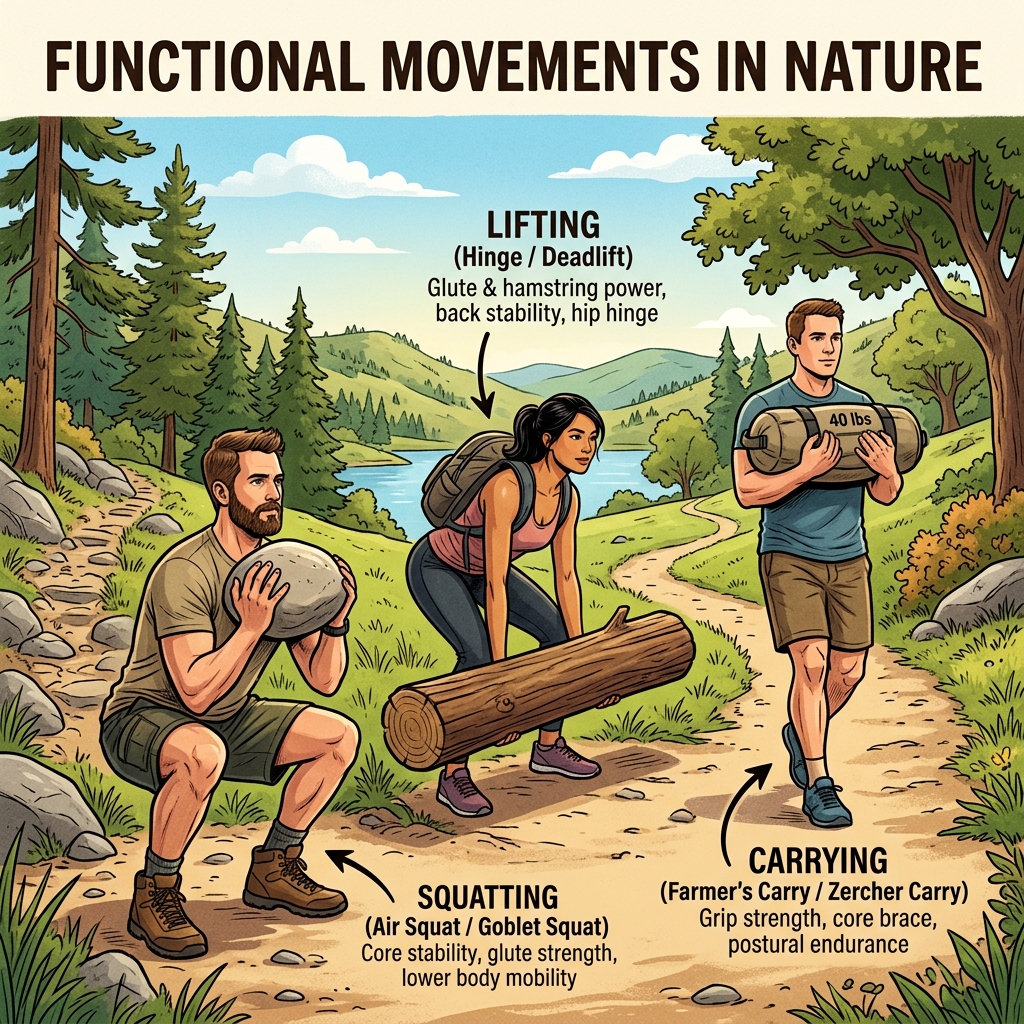
Functional fitness refers to strength and movement that mimics real-life activities—like lifting groceries, climbing stairs, or raking leaves. Instead of isolating muscles in a gym setting, functional workouts engage multiple muscle groups simultaneously, improving overall physical capability. The best part about doing this outdoors is the added element of fun and variety; you can transform your backyard into an effective, enjoyable "gym" that keeps motivation high.
Rediscovering Childhood Games for Adult Strength
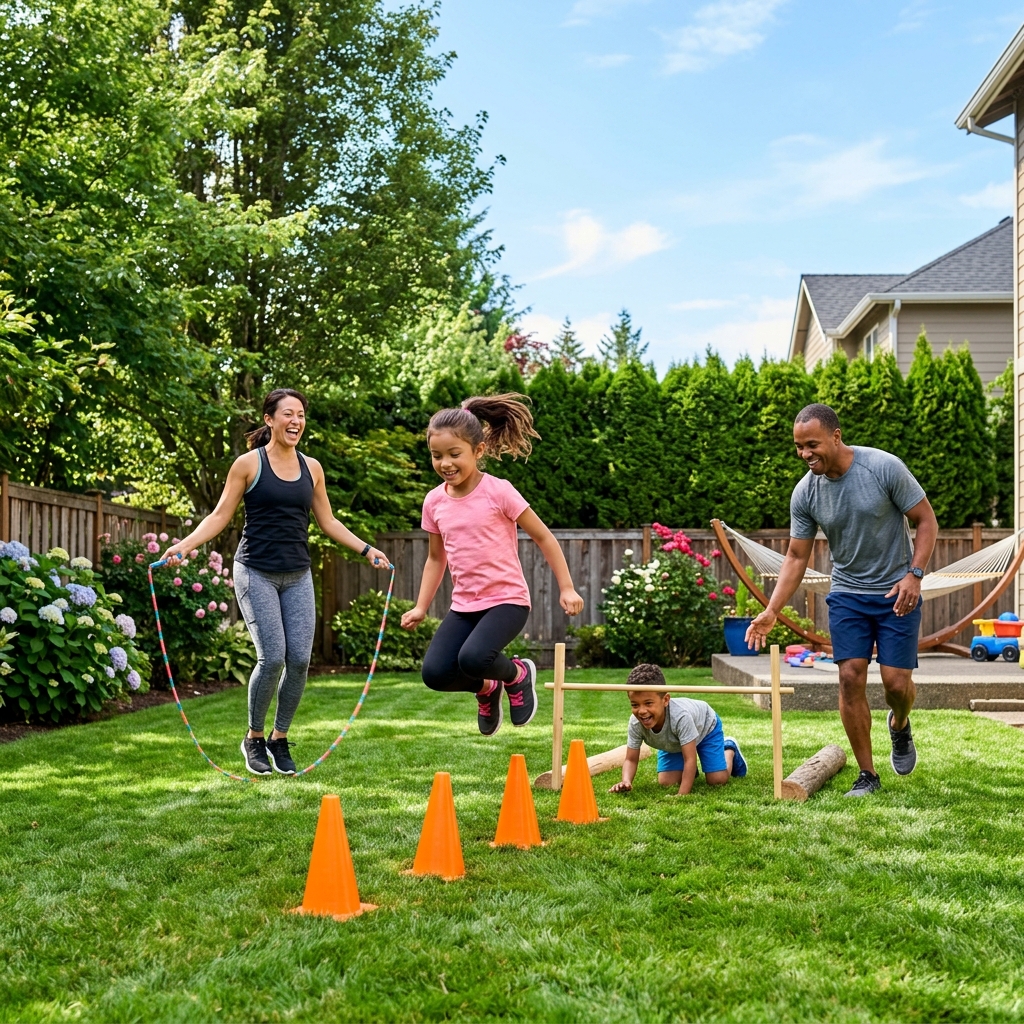
The most effective workouts don't always feel like exercise. By revisiting classic childhood games, you can boost your cardiovascular health and build strength without the feeling of "working out." These activities are inherently social and highly adaptable to any fitness level.
How Do Classic Games Boost Fitness?
- Frisbee: This simple game is a fantastic full-body workout. The throwing motion strengthens the core, shoulders, and arms, while running after the disc provides intense cardio.
- Adaptation Tip: Increase intensity by adding squat jumps when you catch the frisbee or using weighted discs for added resistance.
- Tag: This classic game is pure cardiovascular conditioning. The constant need to run, dodge, and change direction dramatically improves agility, reaction time, and endurance.
- Adaptation Tip: Play variations like "freeze tag" or add obstacles (like weaving around trees) to increase the complexity of movement.
- Kickball/Badminton: These sports require powerful leg movements and core stability. Kicking a ball or hitting shuttlecocks engages your quads, hamstrings, and glutes, while running between points keeps your heart rate elevated.
- Adaptation Tip: Focus on explosive movement during the run-up phase to maximize muscle engagement.
- Jump Rope: This simple tool is a powerhouse for lower body and core strength. It improves coordination, ankle stability, and cardiovascular endurance.
- Adaptation Tip: Progress from basic single jumps to double unders or incorporating high knees into your routine.
Turning Chores Into Workouts: Active Yard Work
Think of yard work not as a chore, but as an opportunity for functional strength training. By being mindful of proper form and increasing the intensity, common household tasks become surprisingly effective resistance exercises.
Which Yard Tasks Offer the Best Workout?
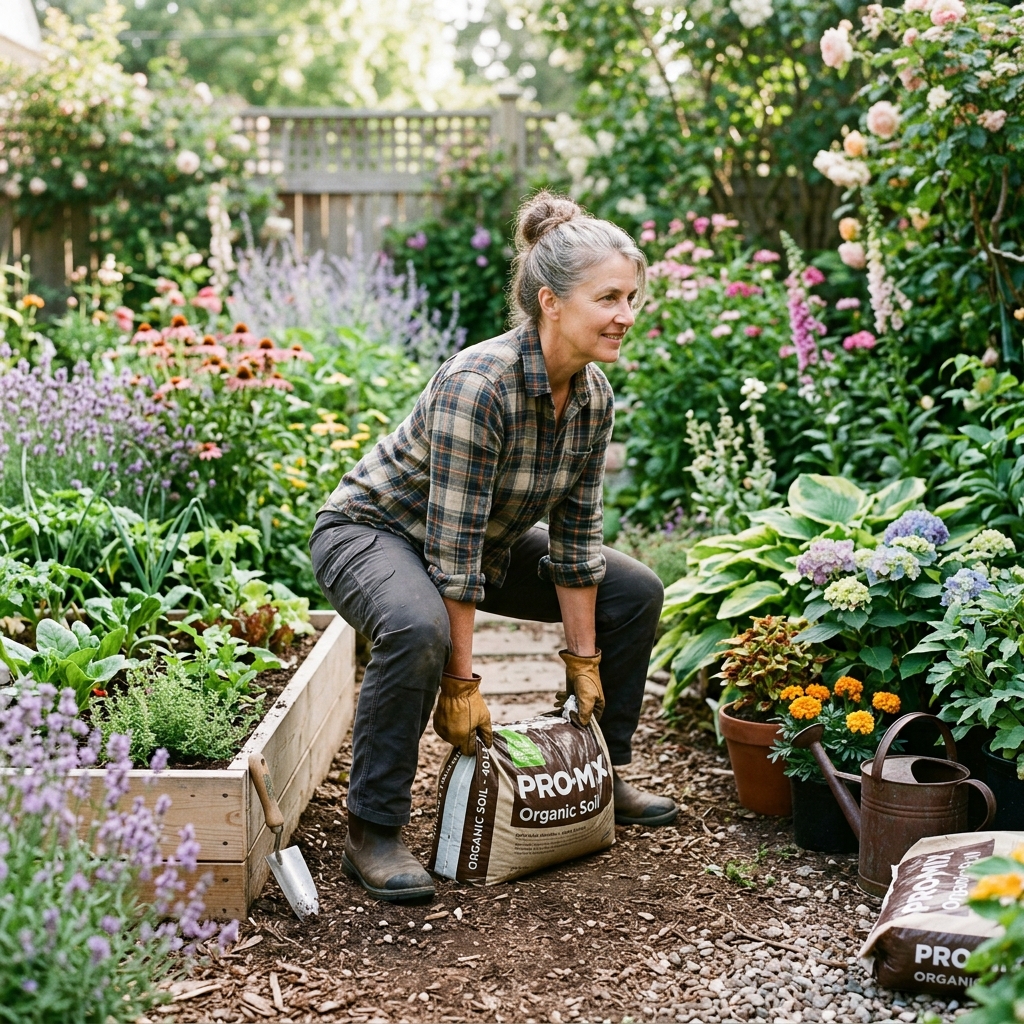
- Gardening: Digging, planting, and weeding are excellent for core stability and flexibility. Squatting to plant works your glutes and quads, while lifting bags of soil strengthens your back and arms.
- Tip: Use heavier tools (safely) or incorporate lunges when walking between garden beds to increase resistance.
- Raking Leaves: This is a fantastic upper body workout. The repetitive motion of raking engages the shoulders, triceps, and back muscles.
- Tip: Switch sides frequently and maintain an upright posture rather than bending over at the waist.
- Mowing the Lawn: Pushing a lawnmower, especially uphill or on uneven terrain, provides excellent cardio and strengthens the entire lower body.
- Tip: Focus on maintaining strong core engagement to support your back throughout the task.
- Chopping Wood: If available, chopping wood is one of the most intense full-body workouts. The swinging motion engages the core, arms, and shoulders, while lifting logs builds grip strength.
How Can I Build an Outdoor Obstacle Course?
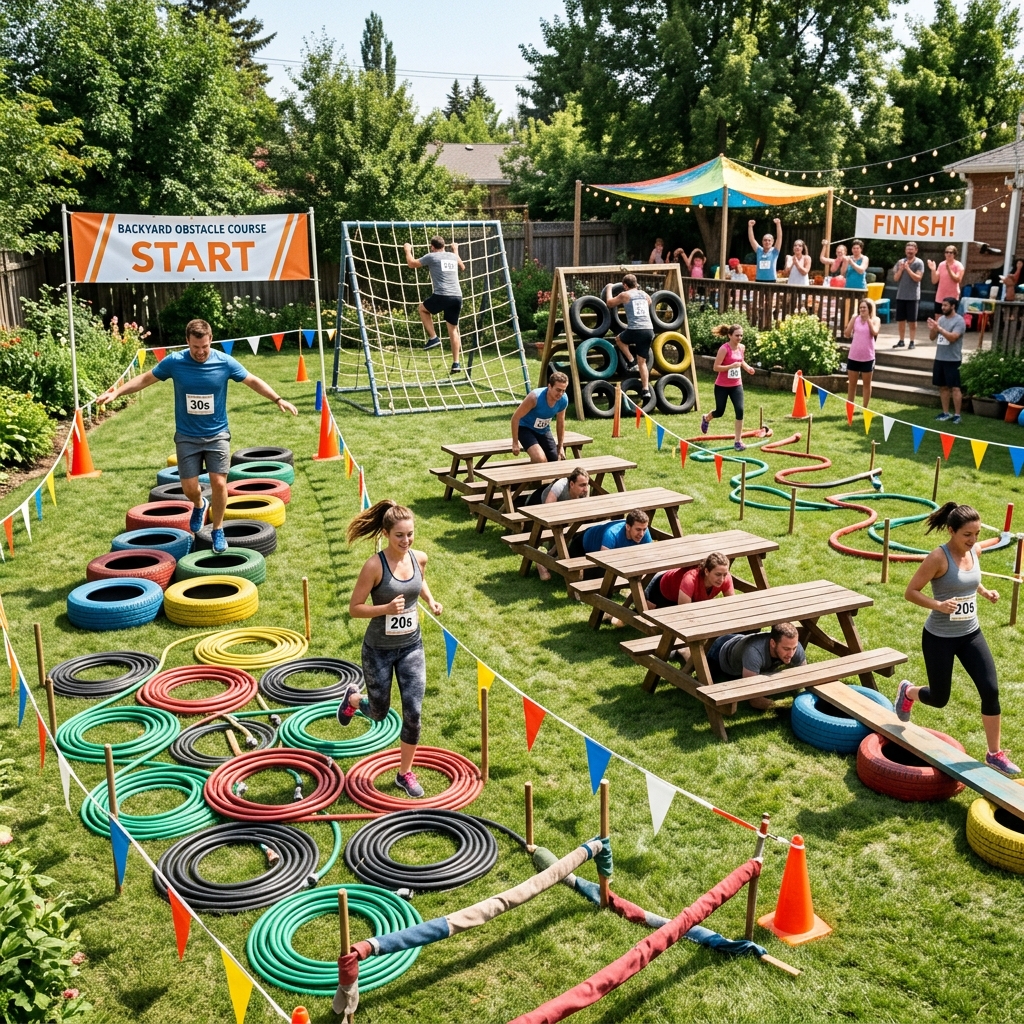
An obstacle course is a highly customizable way to test your endurance, agility, and functional strength using only items found in your yard. It turns fitness into a game of physical problem-solving.
Simple Backyard Obstacle Ideas
You don't need fancy equipment; you just need imagination and your yard!
- The Weave: Lay out garden hoses or jump ropes in a zig-zag pattern. The goal is to weave through them quickly, improving lateral agility.
- Step-Ups: Use stable objects like sturdy picnic tables or low retaining walls for step-ups. Perform 10 repetitions on each leg to target the quads and glutes.
- Tire Jumps/Hops: Arrange old tires in a row. Jump through them, focusing on landing softly with bent knees to build plyometric power.
- The Crawl: Use low-hanging branches or patio furniture placed close together for a crawling challenge, engaging the core and upper back.
Sample Workout Flow (Circuit Training)
Perform each station for 60 seconds, followed by 30 seconds of rest. Repeat the entire circuit 3–4 times.
- Warm-up: 5 minutes of jogging in place and dynamic stretches.
- Station 1: Agility: Cone sprints (or marked spots) around a figure-eight pattern.
- Station 2: Strength: Step-ups on the picnic table.
- Station 3: Cardio/Core: Jumping jacks or high knees in place.
- Station 4: Endurance: Running laps around the yard perimeter.
- Cool-down: 5 minutes of static stretching.
Why is Social Fitness More Effective?
One of the greatest benefits of outdoor fitness is its social component. Working out with friends or family dramatically increases adherence and motivation. When exercise is framed as a fun activity—like playing kickball with your kids—it becomes sustainable, making it easier to maintain long-term healthy habits.
- Family Fitness: Involve all ages! Play tag with children, or set up an obstacle course that requires teamwork.
- Group Challenges: Organize weekly "fitness challenges" (e.g., who can rake the most leaves in 30 minutes) to keep accountability high and make fitness competitive.
Essential Safety Tips for Outdoor Workouts
Safety must always be your top priority, regardless of how fun the activity is. Never skip these steps:
- Always Warm Up: Start with 5–10 minutes of light cardio (like jogging in place) and dynamic stretches to prepare muscles and prevent injury.
- Prioritize Form Over Speed: When performing squats or lifting, focus on perfect technique rather than speed or weight. Poor form is the fastest route to injury.
- Stay Hydrated: Carry a water bottle and sip regularly, especially during intense sessions in warm weather.
- Protect Yourself: Wear appropriate athletic shoes for outdoor surfaces, sunscreen, and a hat.
- Cool Down: Finish every session with 5–10 minutes of static stretching to help muscles recover and reduce soreness.
By embracing the natural environment around you, you can achieve a comprehensive, full-body workout that is both highly effective and genuinely enjoyable. Get outside, make it a family event, and transform your backyard into your favorite fitness destination!
Frequently Asked Questions
Yes, but always prioritize safety by performing proper warm-ups, maintaining good form, and being aware of uneven surfaces.