Why is Building an Outdoor Fitness Habit So Important?
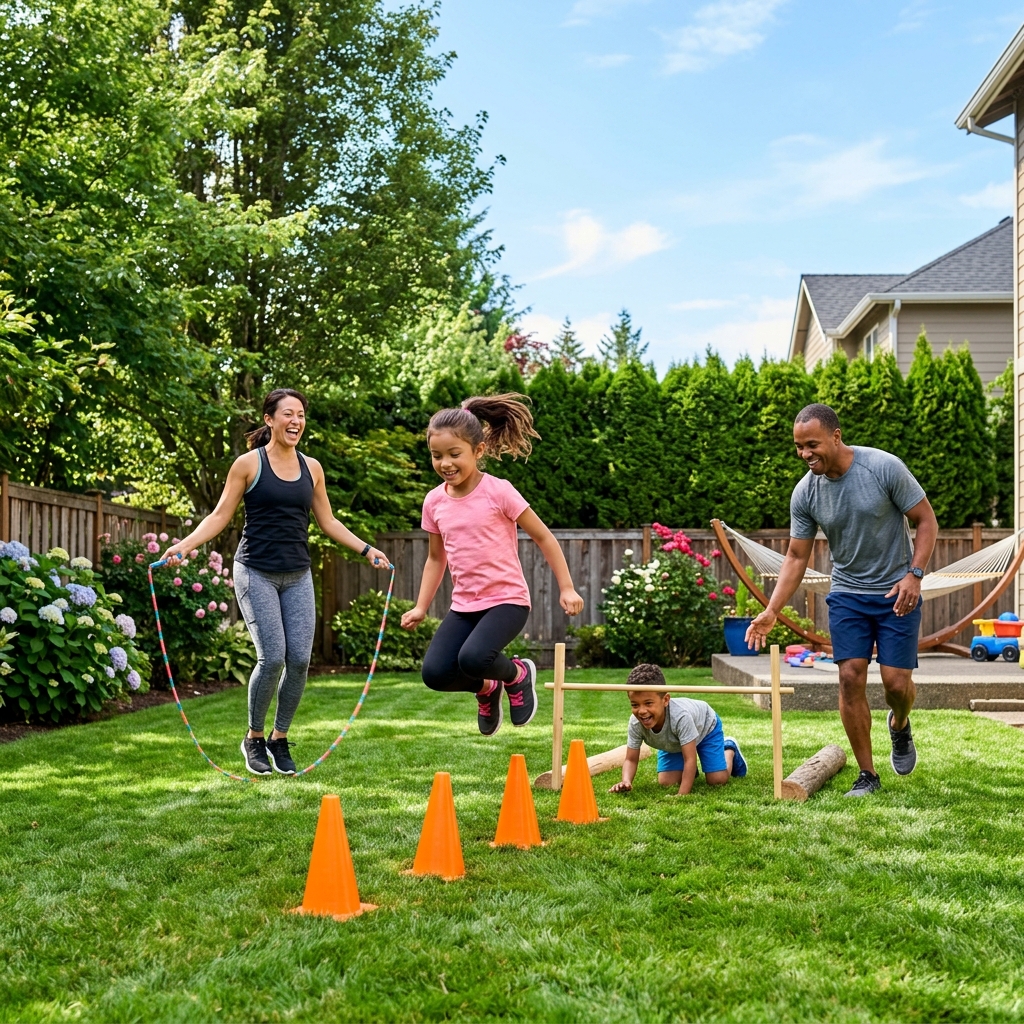
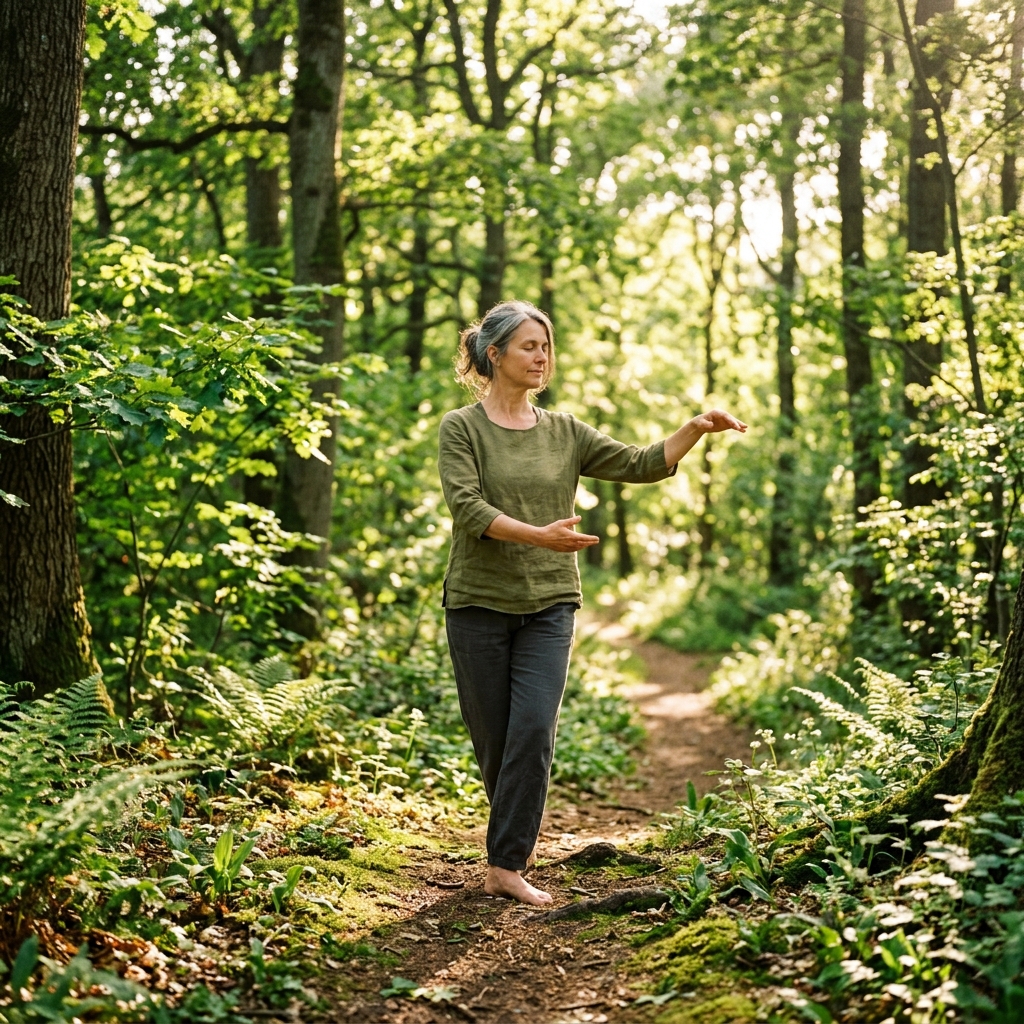
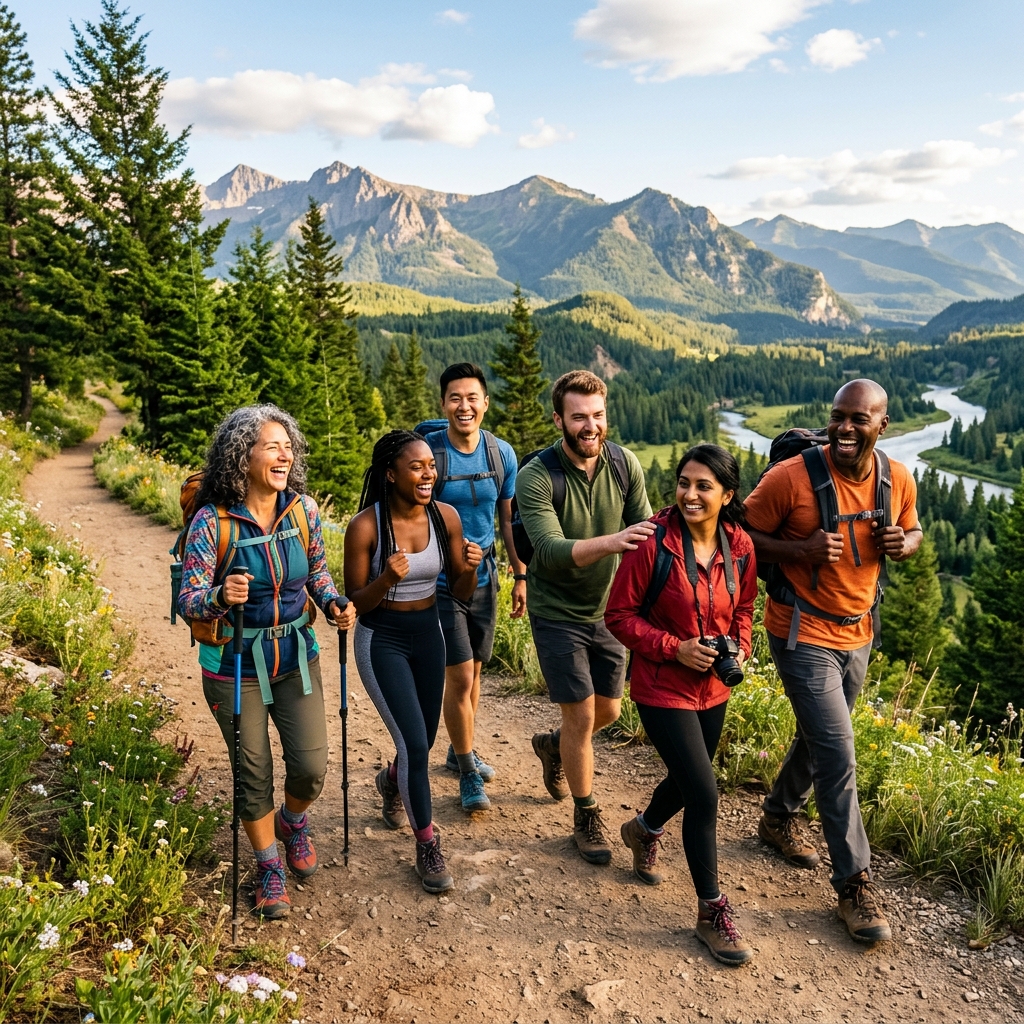
Integrating outdoor physical activity into your routine is one of the most powerful ways to boost both physical health and mental well-being. It’s not just about burning calories; it's about connecting movement with nature, which has been shown to reduce stress, improve mood, and build lasting positive habits. The goal isn't intense workouts—it's making activity a natural, enjoyable part of your daily life.
Setting Your Foundation: How to Start and Stay Consistent?
The key to any successful lifestyle change is starting small and building momentum. Trying to overhaul everything at once leads to burnout. Instead, focus on establishing sustainable routines using proven behavioral science techniques.
🎯 The Power of SMART Goal Setting
Before you lace up your shoes, define exactly what success looks like. Use the SMART framework to set goals that are realistic and trackable:
- Specific: Don't say "I want to exercise more." Say, "I will walk for 30 minutes on the local trail every Tuesday and Thursday morning."
- Measurable: How will you track it? Use a fitness app or journal to record distance, time, or steps.
- Achievable: Set goals that are slightly challenging but not overwhelming. If you haven't exercised in months, start with three 15-minute walks per week, not a marathon.
- Relevant: Ensure the activity aligns with your core values (e.g., "I want to feel more energetic for my kids," rather than just "I need to lose weight").
- Time-bound: Give yourself a clear deadline or timeframe (e.g., "I will stick to this schedule for 4 weeks and then reassess").
🌳 Choosing Activities You Actually Enjoy
The single biggest predictor of habit success is enjoyment. If you dread your workout, you won't stick with it. Explore the vast array of outdoor options until you find something fun:
- Low-Impact: Walking, cycling on flat paths, gardening.
- Moderate Impact: Hiking moderate trails, swimming in a lake, playing frisbee.
- High Intensity: Trail running, mountain biking, group sports (e.g., outdoor boot camp).
📈 Scaling Your Efforts: The Progression Model
Be honest about your current fitness level and build up gradually. This prevents injury and discouragement.
- Beginner Focus: Prioritize consistency over intensity. Use low-impact activities like walking or gentle cycling to establish a routine.
- Intermediate Focus: Increase duration and moderate the difficulty (e.g., moving from flat paths to slight inclines).
- Advanced Focus: Challenge yourself with higher intensity, longer distances, or more technical terrain (e.g., trail running or rock climbing).
🗓️ How Do I Schedule Workouts When Life Gets Busy?
The biggest barrier is often time. To make outdoor fitness a habit, you must treat it with the same importance as a work meeting—it is non-negotiable.
Treat It Like an Appointment
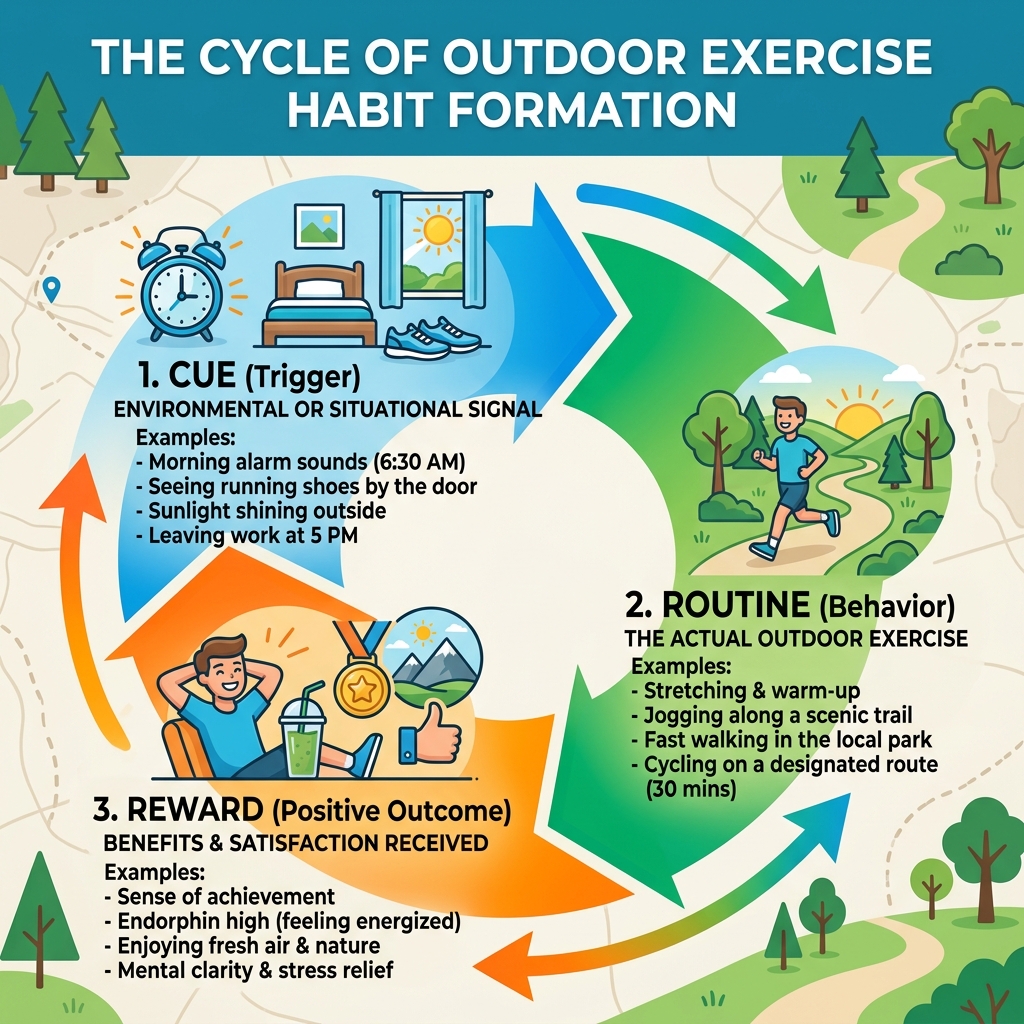
Block out specific times in your digital or physical calendar. This commitment signals to your brain that this activity is mandatory. If possible, schedule workouts at consistent times (e.g., 7:00 AM every day).
Integrate Movement into Daily Life
Look for "micro-workouts" throughout the day. These small bursts of activity add up significantly and require zero extra time in your schedule:
- Commute: Park further away from work or take a bike/walk portion of your commute.
- Breaks: Take a brisk 10-minute walk during your lunch break instead of sitting at your desk.
- Chores: Incorporate active chores like gardening, raking leaves, or deep cleaning into your routine.
The Power of Preparation
Reduce friction by preparing the night before. Lay out your clothes, pack your water bottle and snacks, and map out your route. This eliminates decision fatigue and makes starting much easier when the time comes.
🤝 Who Can Help Me Stay Accountable?
Accountability is a powerful psychological tool for habit formation. Having an accountability partner or group significantly increases adherence rates.
Finding Your Activity Buddy
A workout buddy provides emotional support, physical encouragement, and mutual commitment. Look for someone who:
- Shares your general goals: You don't need to be at the same fitness level, but you should share a desire for movement.
- Is reliable: Consistency is more important than intensity in the early stages.
- Has compatible energy: Someone whose positive attitude helps pull you through tough days.
Leveraging Community Groups
If friends aren't available, join local groups! Running clubs, hiking meetups, or community cycling programs provide structure and a built-in support system. This turns exercise into a social event, which is inherently motivating.
🚧 What Barriers Should I Expect and How Do I Overcome Them?
Every habit faces resistance. Knowing the common roadblocks allows you to plan for them proactively.
Time Constraints
- Strategy: If 30 minutes feels impossible, commit to 10 minutes. The goal is simply to show up. Once you start moving, inertia often takes over and you'll continue longer.
- Tip: Use the "Two-Minute Rule"—commit to just two minutes of movement (e.g., walking around the block).
Weather Deterrents
- Strategy: Have a Plan B. If it rains, commit to an indoor alternative like bodyweight exercises at home or visiting a local community center.
- Tip: Invest in proper gear (rain jackets, layers) and remember that nature is beautiful even on cloudy days.
Lack of Motivation
- Strategy: Focus on intrinsic motivation. Instead of thinking, "I have to work out," reframe it as, "I get to spend time moving outdoors." Connect the activity to a positive feeling (e.g., clarity, peace).
- Tip: Use music or podcasts during your walk/run to make the experience more engaging and distracting from fatigue.
✨ How Do I Keep Going? The Role of Rewards
Habits require reinforcement. To ensure you continue after the initial burst of motivation fades, build a reward system.
Why Rewards Work
Rewards tap into the brain's dopamine system. By associating exercise with positive feelings (a treat, relaxation, or social time), your brain learns to anticipate and seek out the activity again. This is positive reinforcement in action.
Setting Up Sustainable Rewards
The best rewards are those that reinforce healthy behavior without undermining your goals:
- Experiential: After completing a challenging hike, reward yourself with a picnic at a scenic viewpoint or a massage.
- Milestone-Based: Every four weeks of consistent activity earns you a new piece of gear (e.g., better running socks) or the opportunity to visit a favorite outdoor spot.
- Self-Care: Use movement as a gateway to relaxation—a long walk followed by reading in a quiet park setting.
⚠️ Pitfall Alert: Avoid Unhealthy Rewards
Never use food or excessive spending as the primary reward, as this can create an unhealthy cycle and undermine your physical progress. Focus on non-material rewards like time off, experiences, or self-respect for achieving a goal.
Summary & Next Steps
Making outdoor fitness a habit is a journey of small, consistent choices. By setting SMART goals, treating movement like a scheduled appointment, finding an accountability partner, and celebrating every milestone, you build resilience into your routine. Remember that the most important step is simply putting on your shoes and stepping outside. Start today, even if it's just for ten minutes.
Sources & Further Reading:
- American Heart Association: https://www.heart.org/
- Centers for Disease Control and Prevention (CDC): https://www.cdc.gov/physicalactivity/index.html
- National Institutes of Health (NIH): https://www.nih.gov/
Frequently Asked Questions
While consistency is key, most behavioral experts suggest that habits can be formed within 6 to 8 weeks of consistent effort.