What are the Mind-Body Benefits of Combining Yoga and Tai Chi Outdoors?
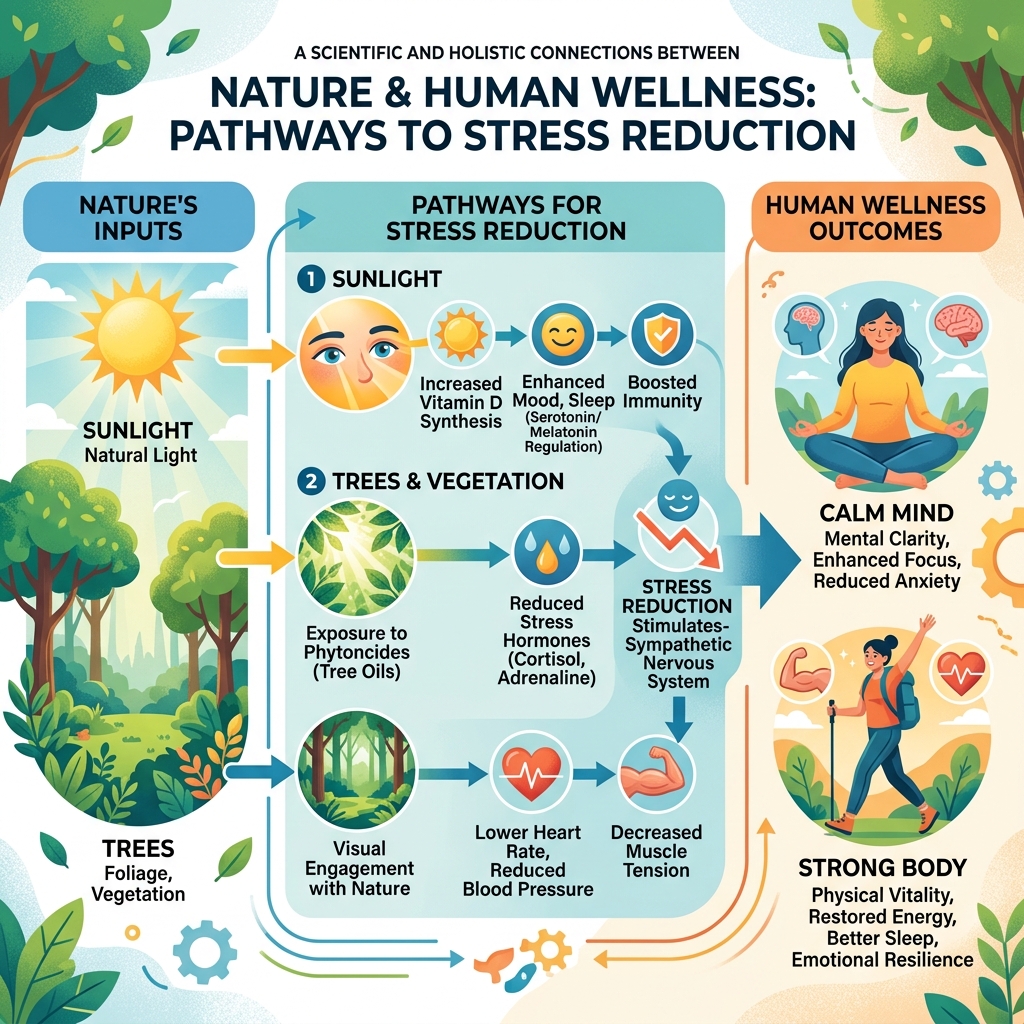
Combining ancient practices like yoga and Tai Chi with nature offers a powerful, holistic pathway to enhanced well-being. Unlike indoor routines, outdoor practice amplifies physical benefits—such as increased flexibility and core strength—while simultaneously deepening mental tranquility through sensory immersion. By moving in natural settings, you not only strengthen your body but also activate the calming effects of nature, which is proven to lower stress hormones like cortisol and improve mood.
Why Does Nature Enhance Movement Practices?
The benefits of these practices are significantly amplified when performed outdoors due to several factors:
- Sensory Immersion: Being surrounded by natural sounds (birds, wind) and sights enhances mindfulness. Your focus shifts from just the poses to the entire environment, deepening your connection to the present moment.
- Vitamin D Boost: Sunlight exposure helps synthesize Vitamin D, which is crucial for bone health, immune function, and mood regulation—benefits that complement physical exercise.
- Grounding Effect: Practicing barefoot or on natural surfaces can create a "grounding effect," helping to stabilize the nervous system and reduce feelings of anxiety.
How Does Yoga Improve Physical and Mental Health?
Yoga is a comprehensive discipline that uses physical postures (asanas), breathing techniques (pranayama), and meditation to achieve balance. When taken outdoors, its benefits are maximized:
Key Physical Benefits of Outdoor Yoga
- Flexibility & Range of Motion: Regular practice stretches muscles, improving overall mobility and reducing the risk of injury.
- Core Strength & Stability: Poses like Downward Dog or Warrior require supporting your own body weight, building deep core strength that is essential for balance.
- Balance Improvement: Challenging poses enhance stability and coordination, which is particularly vital for preventing falls as we age.
Key Mental Benefits of Outdoor Yoga
- Stress Reduction (The Vagus Nerve): The focus on controlled breathing (pranayama) activates the parasympathetic nervous system, signaling to your body that it is safe to relax.
- Mindfulness: By linking breath to movement and observing the natural world simultaneously, you train your mind to stay anchored in the present moment.
What Makes Tai Chi a Unique Form of Movement Meditation?
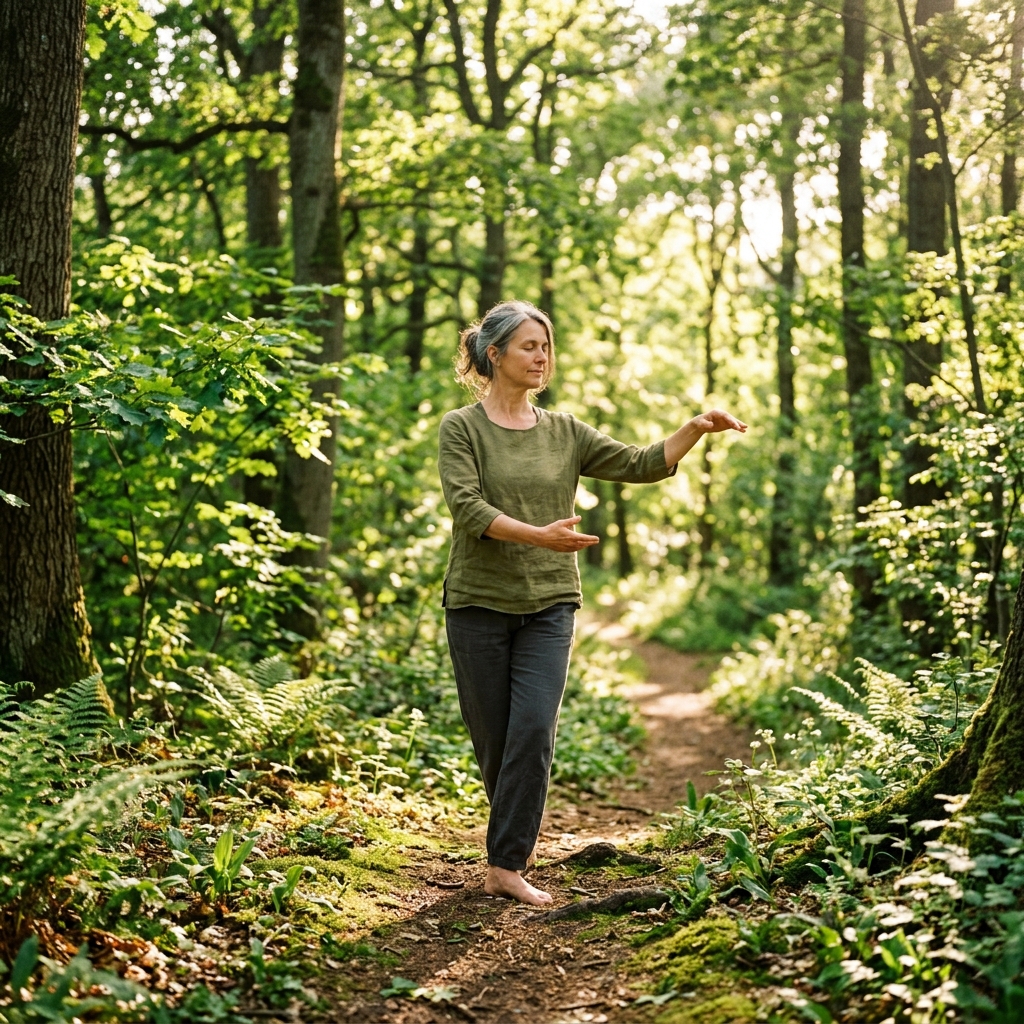
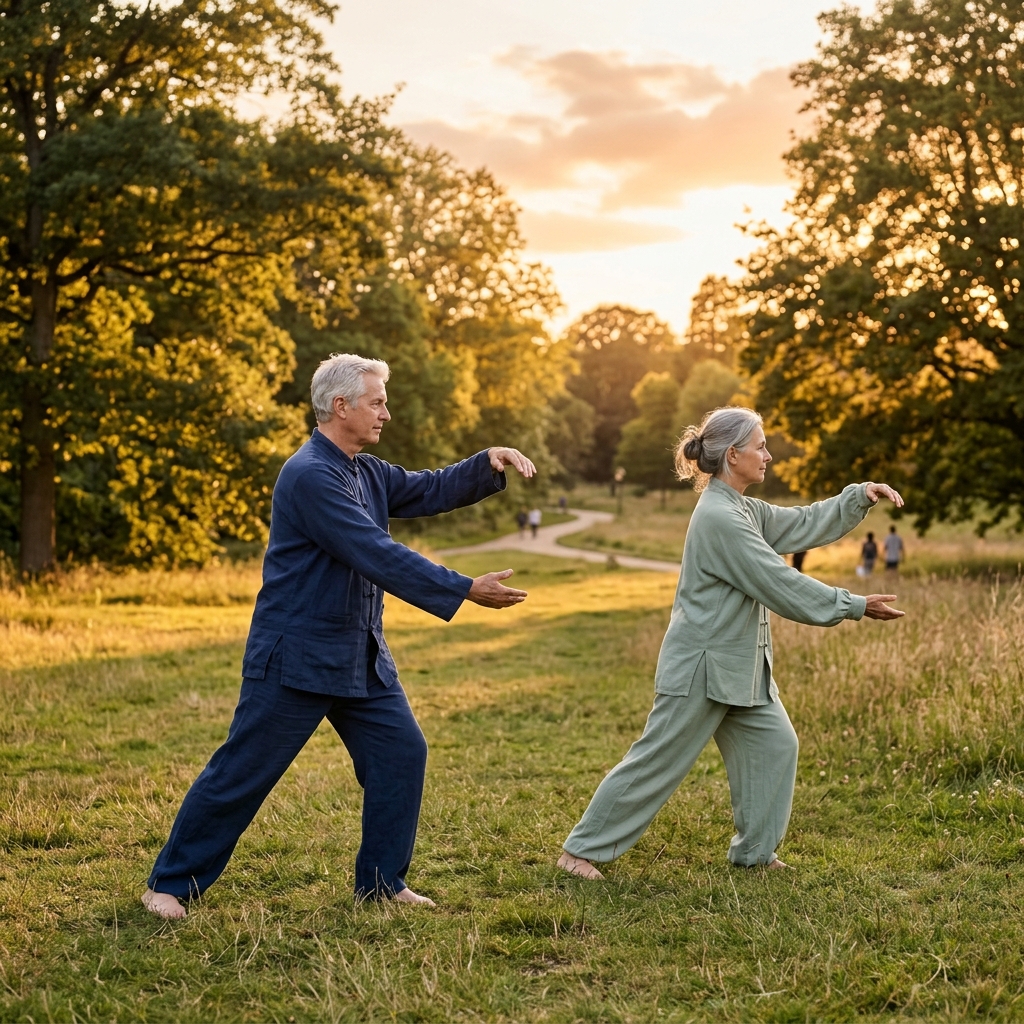
Tai Chi is often described as "meditation in motion." It is a traditional Chinese martial art characterized by slow, deliberate, flowing movements combined with deep breathing. Unlike high-impact exercise, its gentle nature makes it suitable for all ages and fitness levels.
The Core Benefits of Tai Chi
- Improved Balance: Its emphasis on shifting weight slowly dramatically improves balance and proprioception (your body's awareness in space).
- Low-Impact Strength: It builds endurance and strength primarily in the legs and core without stressing joints.
- Calm Focus: The slow, rhythmic movements require intense mental focus, acting as a moving meditation that clears mental clutter.
How Do Outdoor Settings Change the Practice?
Practicing these disciplines outdoors adds layers of challenge and reward compared to a controlled studio environment.
🌿 The Yoga Advantage Outdoors
- Vitamin D: Direct sunlight exposure aids Vitamin D synthesis, boosting mood and immunity.
- Fresh Air: Deep breathing in fresh air invigorates the respiratory system.
- Grounding: Connecting with natural earth elements can promote a deep sense of stability and calm.
🌳 The Tai Chi Advantage Outdoors
- Connecting to Qi: Traditional Chinese medicine links movement to Qi, or vital energy. Practicing outdoors allows you to feel connected to the natural flow of energy in the environment.
- Sense of Space: Open, expansive areas allow for a greater sense of freedom and uninhibited movement.
How Can I Safely Choose an Outdoor Location?
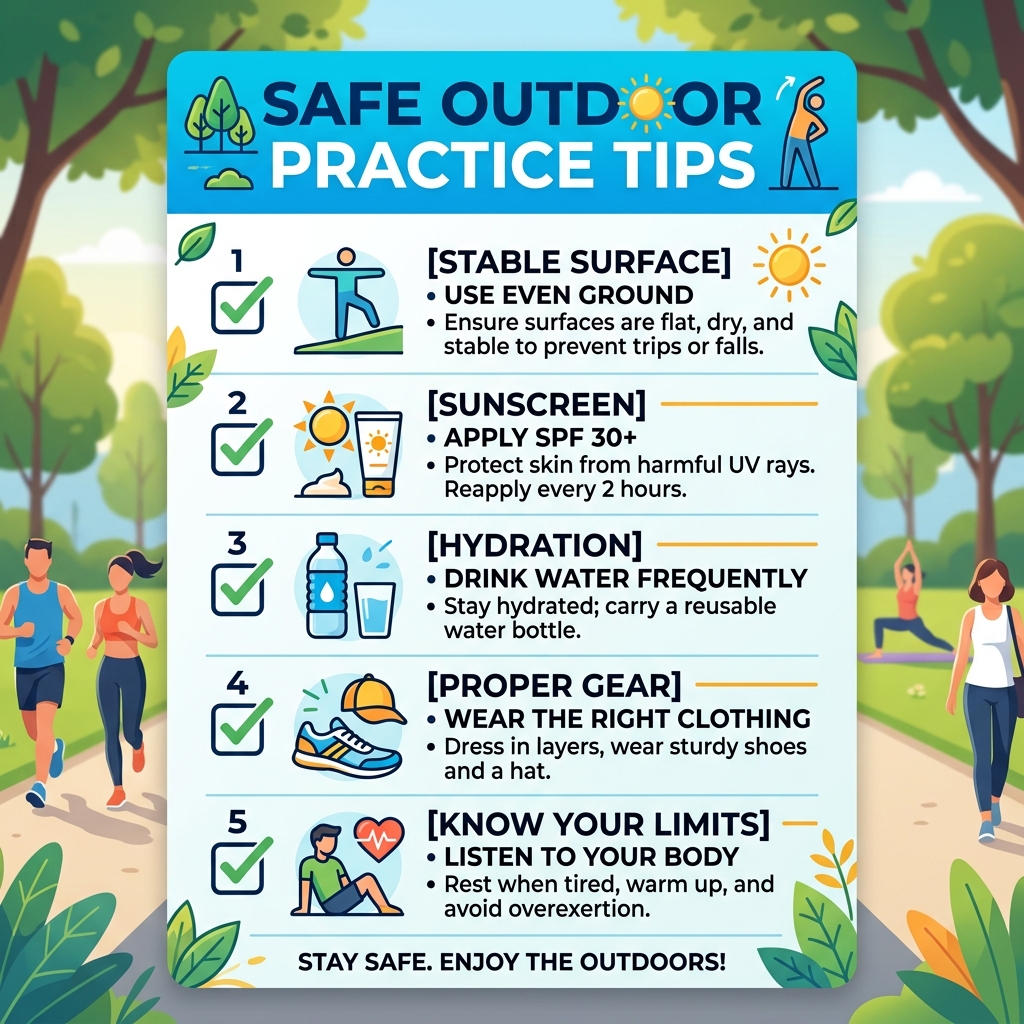
Safety is paramount when practicing mind-body movements outside. Before setting up your mat or beginning your routine, assess the location using these criteria:
- Surface Stability: Opt for areas that are relatively flat and firm (e.g., packed earth, stable grass). Avoid loose gravel, steep inclines, or slippery moss.
- Hazards Check: Be aware of potential hazards like traffic noise, poisonous plants, or debris.
- Sun Exposure: Plan your session for cooler times of day (early morning or late afternoon) to avoid peak UV rays. Always bring sunscreen and water.
- Privacy & Space: Choose a spot that offers enough room to move freely without bumping into other people or objects.
What Modifications Should I Use for Uneven Terrain?
Uneven surfaces require thoughtful adjustments to maintain balance and prevent injury. Never push through sharp pain; always modify the pose or movement.
🧘♀️ Yoga Adaptations
- Mat Choice: Use a thicker, non-slip mat for extra cushioning and grip.
- Stance: Widen your stance in standing poses (like Warrior II) to create a wider base of support.
- Balancing Poses: Instead of balancing on the ankle or foot, try placing your foot on a stable object like a tree root (if safe) or keeping your weight centered over both feet.
- Core Engagement: Focus intensely on drawing your navel toward your spine to stabilize your core, compensating for unstable ground.
🌬️ Tai Chi Adaptations
- Footwear: If the terrain is very uneven, consider wearing supportive, low-heeled shoes with good traction rather than going barefoot.
- Movement Speed: Slow down your movements even further. The slower you move, the more time you have to adjust and maintain balance.
- Center of Gravity: Keep your center of gravity lower than usual. Imagine rooting yourself deeply into the earth with every step.
What is the Best Way to Deepen Mindfulness During Practice?
The true magic of outdoor movement lies in sensory engagement. To maximize your mindfulness, practice "slowing down" and actively noticing your surroundings:
- Sight: Notice the interplay of light and shadow on the ground. Observe the colors of the sky or the patterns in the leaves.
- Sound: Instead of blocking out background noise, listen to it. Identify distinct sounds—the distant traffic, the specific call of a bird, the rustle of wind—and let them pass through your awareness without judgment.
- Smell & Touch: Take three deep breaths and consciously identify the smells (damp earth, pine needles, fresh grass). Feel the temperature change on your skin or the texture of the ground beneath your mat.
Summary: Creating Your Outdoor Wellness Routine
Outdoor yoga and Tai Chi are powerful tools for holistic health. By integrating these ancient practices with nature's restorative power, you achieve a profound state of physical strength, mental clarity, and emotional balance.
To start your journey:
- Start Small: Begin with 15–20 minutes once or twice a week. Consistency is more important than intensity.
- Prioritize Safety: Always check the location for stability and hazards first.
- Listen to Your Body: If you feel dizzy, fatigued, or experience pain, stop immediately.
- Embrace the Flow: Remember that the goal isn't perfection; it's the journey of connecting your breath, movement, and mind with the natural world around you.
Frequently Asked Questions (FAQ)
Q: Can I practice Tai Chi or Yoga outdoors in extreme weather? A: It is best to avoid practicing during severe heat, cold, thunderstorms, or high winds. If conditions are mild, always dress in layers and stay hydrated.
Q: Do I need special equipment for outdoor classes? A: A thick, non-slip mat is highly recommended for cushioning and grip on uneven surfaces. Comfortable, breathable clothing is also essential.
Frequently Asked Questions
Yes, but always prioritize safety. Choose a stable surface, wear appropriate footwear (if needed), and be mindful of extreme weather conditions.
Outdoor exercise adds the element of sensory immersion—the sounds, smells, and sights of nature—which significantly enhances mindfulness and stress reduction alongside physical benefits.