How Does Yoga Help Regulate Emotions and Build Resilience?
Yoga offers a powerful, holistic pathway to emotional well-being by treating the mind and body as one interconnected system. It moves beyond simple stretching; it is a practice of self-regulation. By consciously linking physical postures (asanas), breathwork (pranayama), and mindfulness, yoga teaches you how to observe, process, and release difficult emotions without being overwhelmed by them.
This approach helps build emotional resilience—the ability to bounce back from stress or trauma—by establishing a deep sense of self-awareness and cultivating non-judgmental acceptance of your inner experience.
Understanding the Mind-Body Connection in Yoga
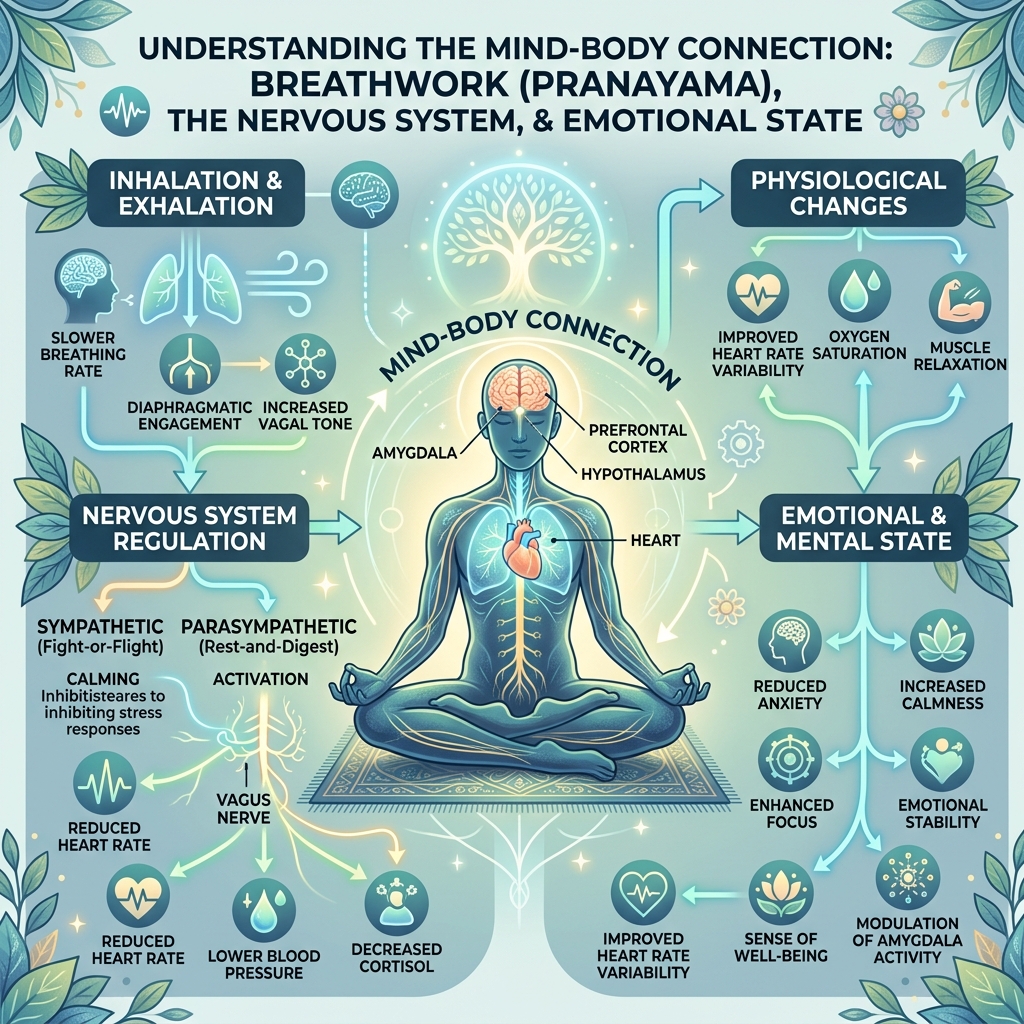
The fundamental principle of yoga is that our physical and emotional states are inseparable. When we experience stress or anxiety, it doesn't just live "in our head"; it manifests physically—as tight shoulders, a stomach knot, or shallow breathing. Conversely, holding tension in the body can intensify negative emotions.
Yoga works by addressing this root cause: the physical manifestation of emotional blockages. By moving and breathing with intention, we signal to the nervous system that we are safe, allowing us to release stored physiological and emotional tension simultaneously.
What is Emotional Regulation?
Emotional regulation is the process of identifying, understanding, and managing your emotions in a healthy way. Instead of reacting impulsively when triggered, yoga provides tools to create space between the feeling and the reaction. This space is where conscious choice resides.
What Are the Core Tools for Emotional Processing?
Yoga utilizes three primary mechanisms—asanas, pranayama, and meditation—to process emotions and calm the nervous system. Each tool targets a different aspect of emotional health:
🧘 Asanas (Physical Postures)
Specific poses are designed to release physical tension that often holds stagnant or unprocessed emotion.
- Hip Openers: Poses like Pigeon Pose are excellent for releasing deep-seated emotions, as the hips are often associated with our ability to move forward and process feelings.
- Twisting Poses: Twists help stimulate digestion and physically release "stagnant energy" or emotional blockages held in the torso.
- Gentle Movement: Unlike intense workouts, gentle movement allows you to feel sensations without judgment, helping you acknowledge discomfort rather than fighting it.
🌬️ Pranayama (Breathwork)
The breath is our most immediate link to our autonomic nervous system. Conscious breathing is perhaps the fastest way to influence emotional state.
- Diaphragmatic Breathing: Focusing on deep, slow belly breaths activates the parasympathetic nervous system. This triggers the "rest and digest" response, immediately counteracting the fight-or-flight symptoms of anxiety.
- Nadi Shodhana (Alternate Nostril Breathing): This technique balances the left (calm/feminine) and right (active/masculine) hemispheres of the brain, promoting mental clarity and emotional equilibrium.
🧠 Meditation and Mindfulness
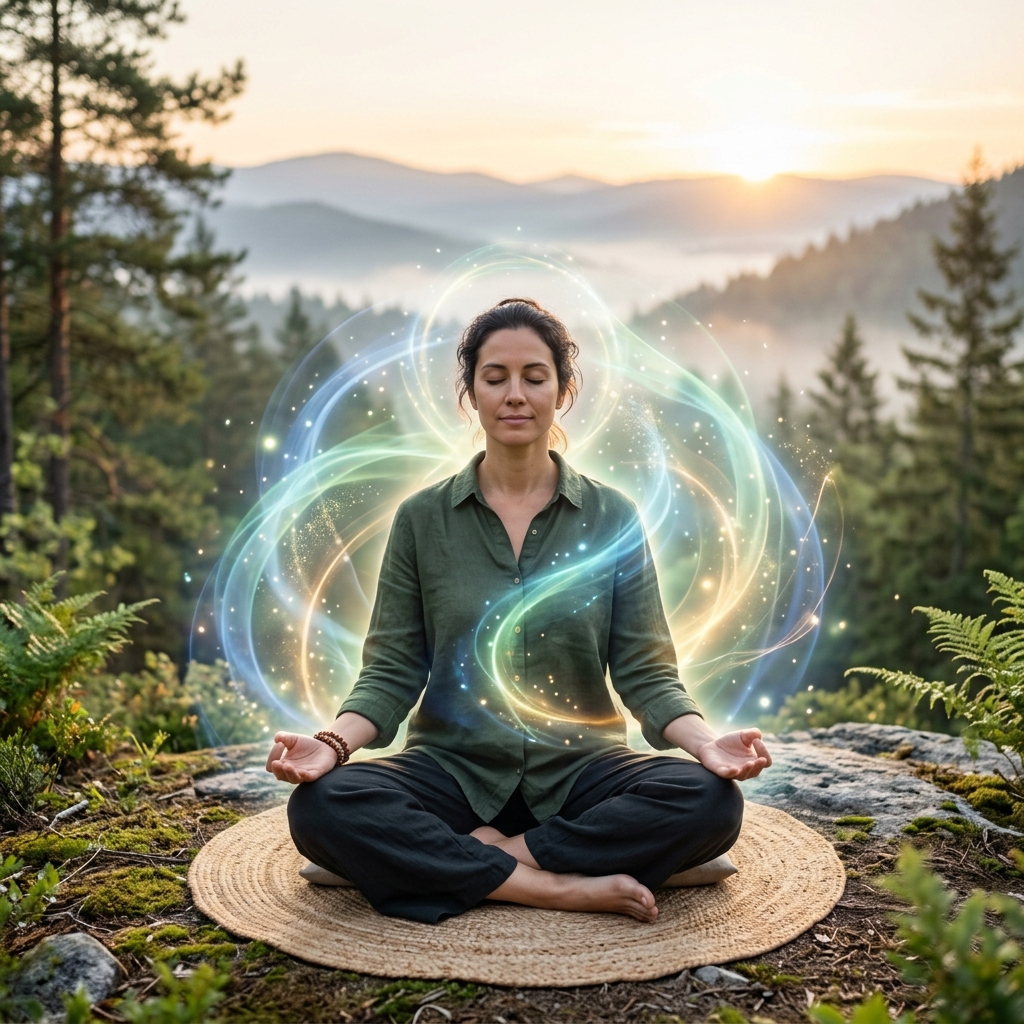
These practices teach you to observe your inner landscape without attachment or judgment.
- Mindfulness: This is the practice of paying attention to the present moment—your breath, sounds, sensations, thoughts—without labeling them as "good" or "bad." It helps you recognize emotional triggers in real-time.
- Meditation: Regular meditation builds mental muscle, allowing you to observe a wave of emotion (like sadness or anger) and know that you are the observer, not the emotion itself. This creates crucial emotional distance.
How Can Yoga Build Self-Acceptance and Compassion?
Emotional resilience is built on two pillars: self-awareness (knowing what you feel) and self-compassion (treating yourself kindly while feeling it).
Cultivating Non-Judgmental Awareness
Yoga teaches that all emotions are valid. When a difficult emotion arises, the goal is not to fix it immediately, but simply to notice it. This practice of non-judgmental observation shifts your relationship with your feelings from one of fear or resistance to one of curiosity and acceptance.
The Power of Compassion (Karuna)
Compassion is a core philosophy in yoga that extends outward—from yourself to others. When we are struggling, the tendency is often self-criticism ("I shouldn't feel this way"). Practicing self-compassion means acknowledging your struggle with kindness: "This is difficult right now, and it's okay to feel this."
- Metta (Loving-Kindness): This meditation involves directing feelings of love and goodwill first toward yourself, then loved ones, neutral people, challenging people, and finally, all beings. It systematically dismantles isolation and resentment.
- Impact: By extending compassion, you reduce the emotional weight of shame and guilt, which are major contributors to low self-esteem and anxiety.
What Are the Best Practices for Emotional Support?
When emotions feel overwhelming, intense or vigorous practices can sometimes be counterproductive. Restorative yoga and gentle flow are highly recommended because they prioritize deep relaxation and nervous system calming over physical exertion.
🌿 Restorative Yoga
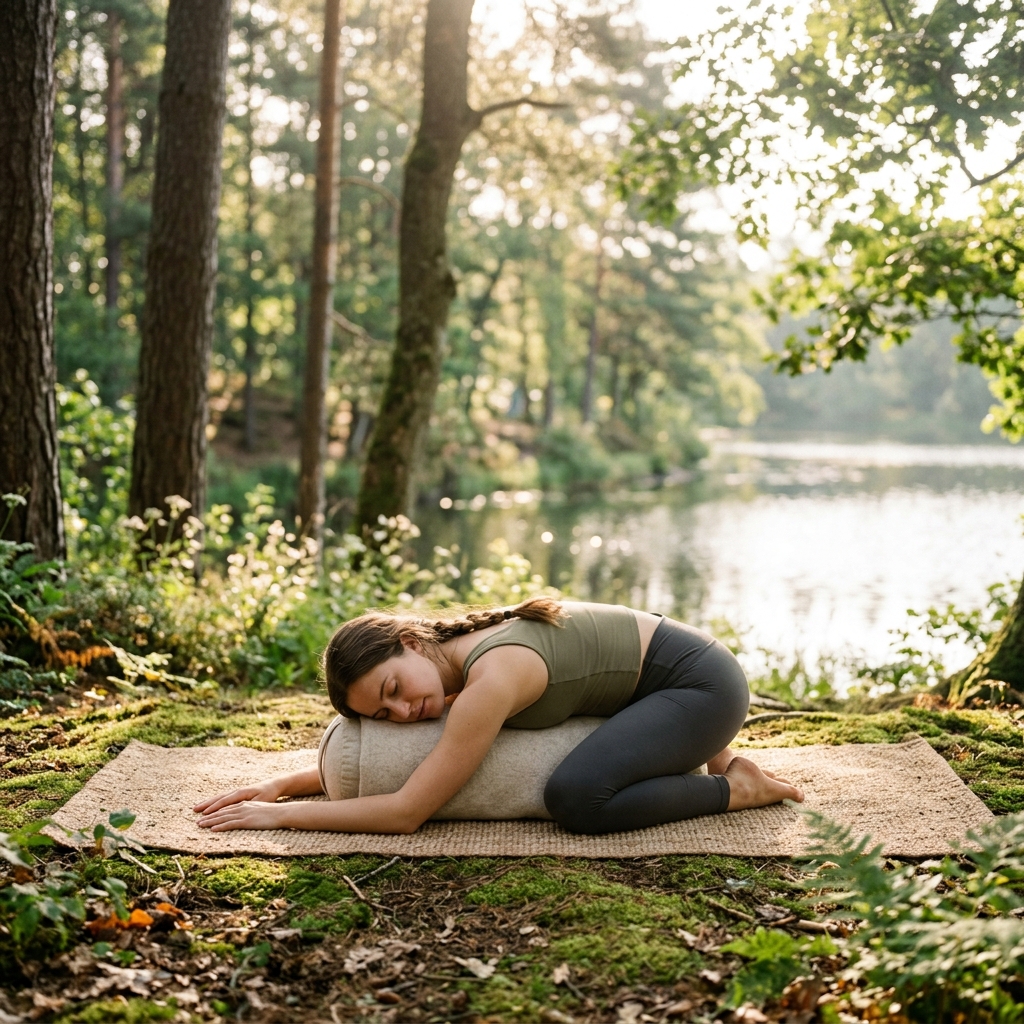
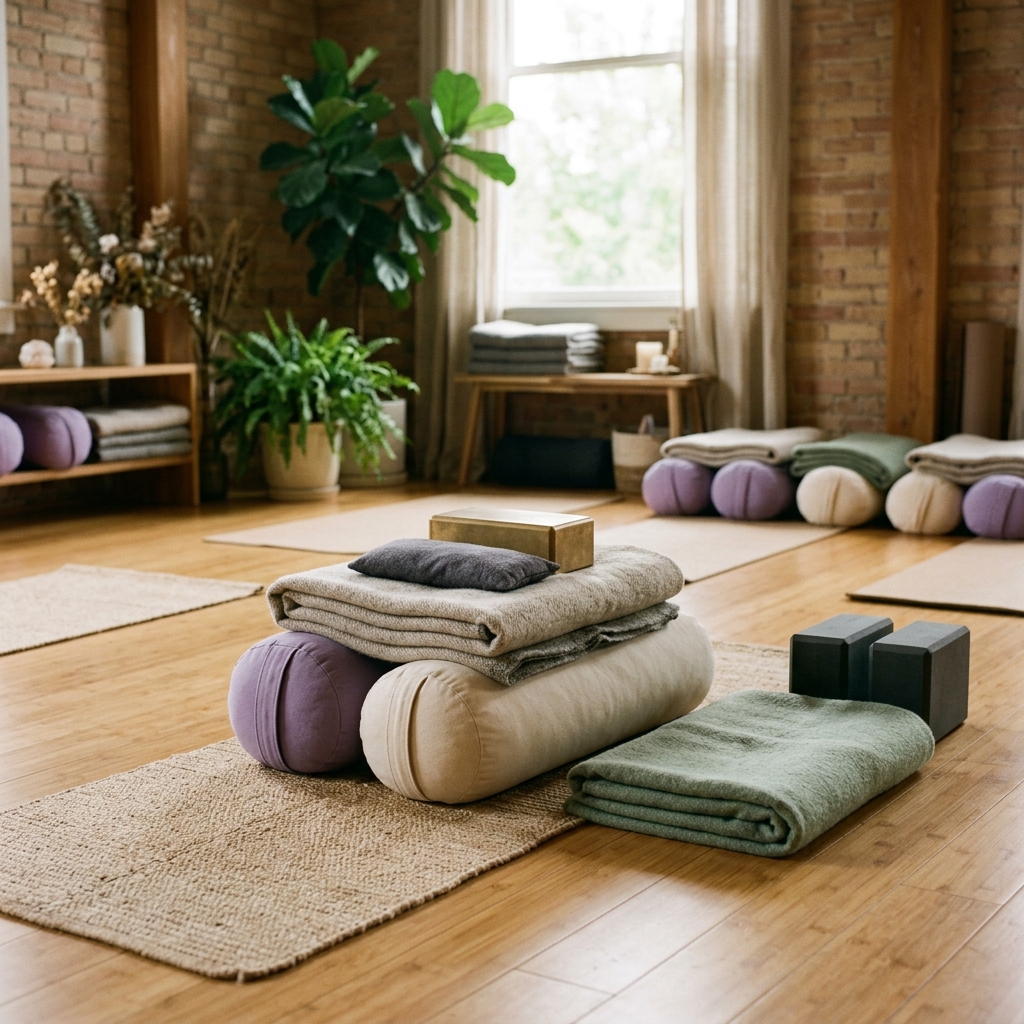
This practice involves holding supported poses (using props like bolsters and blankets) for extended periods (5–20 minutes). The support allows the muscles to completely relax, signaling safety to the body and deeply reducing cortisol levels associated with chronic stress.
- Best For: Acute anxiety, insomnia, deep emotional fatigue.
- Key Poses: Supported Child's Pose (Balasana), Legs-up-the-Wall (Viparita Karani).
🚶 Gentle Flow Yoga
Gentle flow involves slow, mindful movements that link breath to action. It is perfect for building consistency and reconnecting with the body without strain.
- Best For: Beginners, those recovering from stress or injury, improving daily mobility.
- Key Poses: Cat-Cow stretch (excellent for spinal awareness), Supported Bridge Pose (Setu Bandhasana).
Summary & Next Steps for Emotional Well-being
Yoga is not a quick fix; it is a sustainable lifestyle practice that builds emotional strength over time. By consistently integrating these tools—breathwork, mindful movement, and self-compassion—you gain the ability to navigate life's inevitable emotional challenges with greater ease and grace.
Start small: Commit to 10 minutes of deep belly breathing or a restorative pose every day. Consistency is more important than intensity when building emotional resilience.
Disclaimer: This article provides general information and is not a substitute for professional medical advice, diagnosis, or treatment. If you are experiencing severe anxiety, depression, or chronic distress, please consult with a qualified healthcare provider.
Frequently Asked Questions
Yes, restorative yoga is highly recommended. Because it involves supported poses and deep relaxation, it helps calm the nervous system without requiring intense physical effort.
While consistency is key, many people report noticing reduced stress and improved sleep within a few weeks of regular practice. Long-term resilience takes sustained commitment.