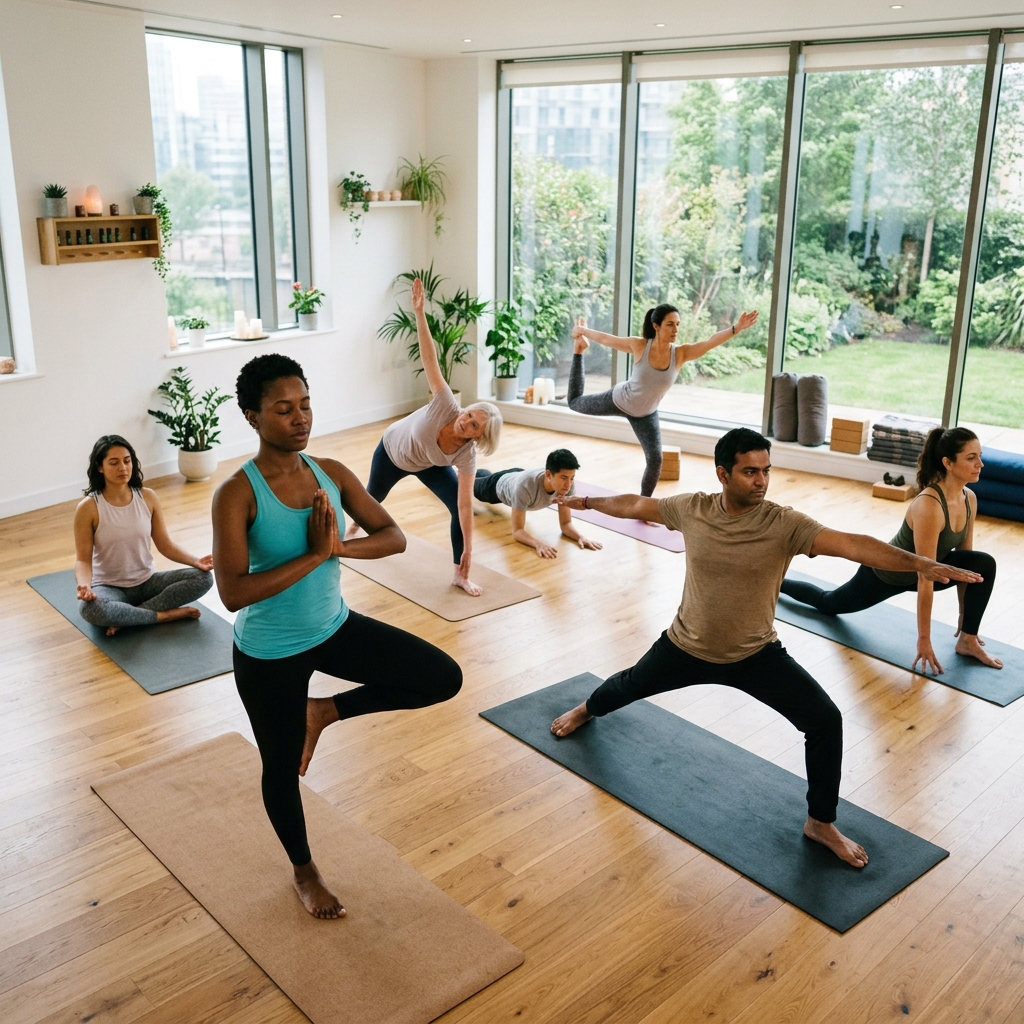
What is the difference between physical yoga and yogic philosophy?
While many people associate yoga only with complex poses on a mat, true yoga is far more profound. It is a holistic system of philosophy and practice that guides you toward self-awareness and inner peace. Integrating yogic principles means applying ethical guidelines (Yamas) and personal disciplines (Niyamas) to your everyday life—from how you communicate to how you manage your energy. This shift allows you to cultivate resilience, reduce stress, and live with greater intention beyond any physical practice.
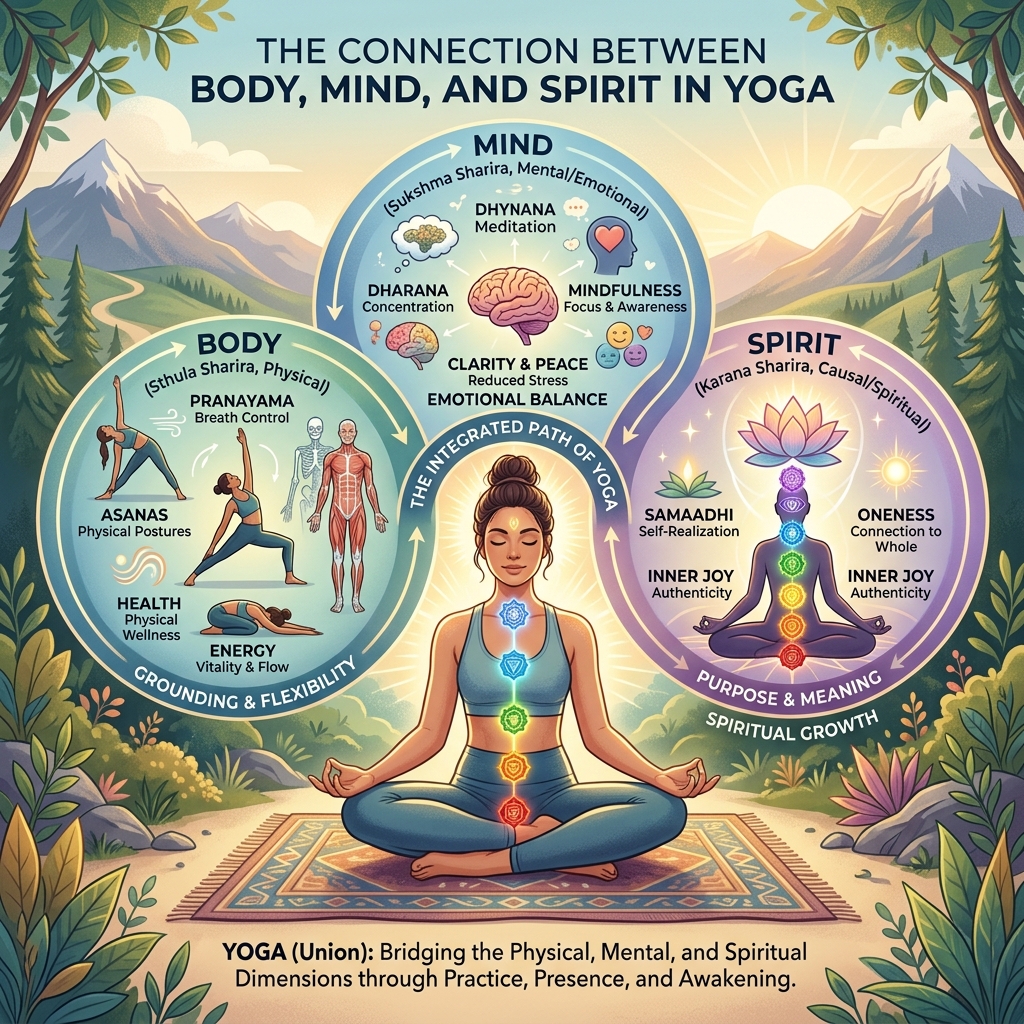
Why is Yoga Considered a Mind-Body Practice?
The benefits of yoga extend far past improved flexibility or strength. It acts as a powerful tool for connecting your mental state with your physical reality. By focusing on breath (pranayama) and awareness, the practice trains you to observe thoughts without judgment. This heightened self-awareness is key to managing stress and improving overall emotional health.

Understanding Yamas and Niyamas: Ethical Guidelines for Life
At the core of yogic philosophy are the Yamas (ethical restraints) and Niyamas (self-disciplines). These principles provide an actionable framework for living a meaningful life. They aren't rules, but rather guidelines to help you live with greater compassion and integrity in your interactions with yourself and the world.
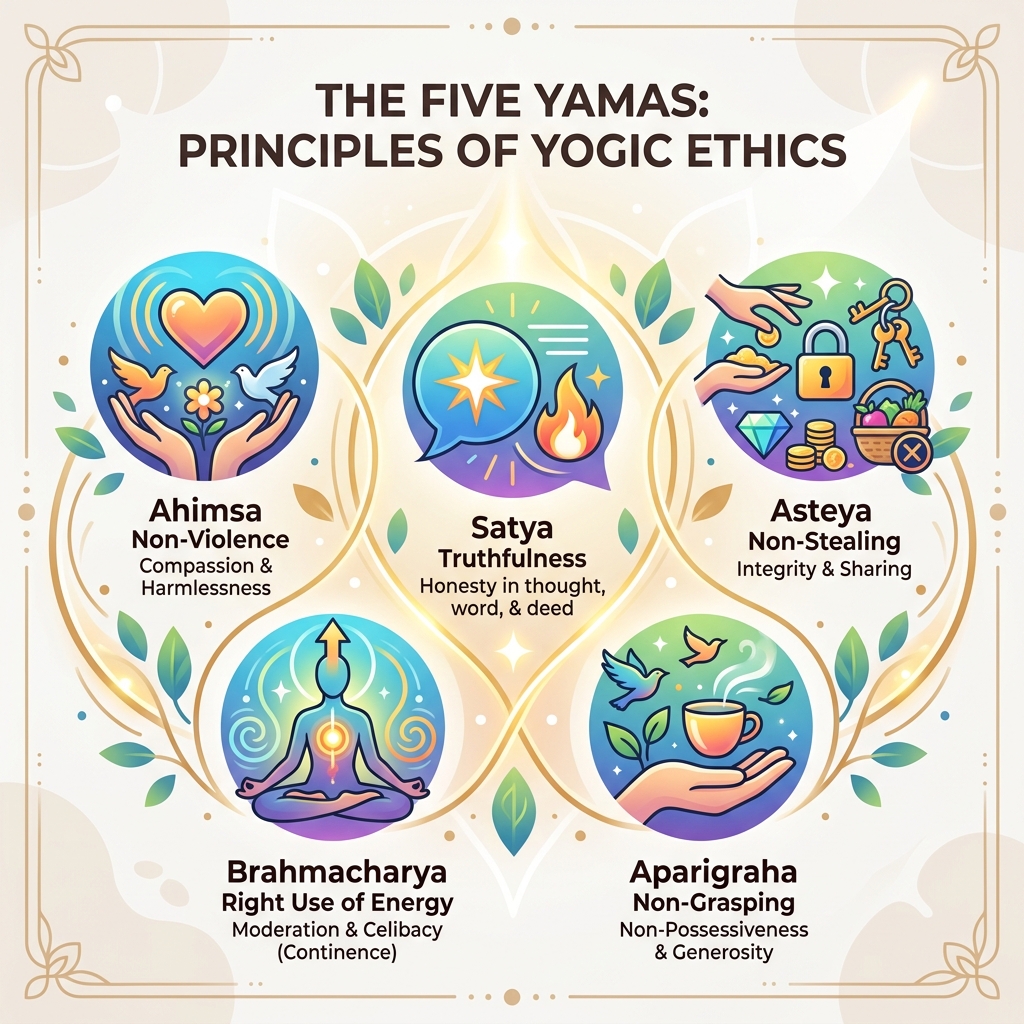
The Yamas: How We Interact with Others
The Yamas guide our external behavior—how we treat others and our environment.
- Ahimsa (Non-Violence): This goes beyond physical harm; it means cultivating kindness, respect, and compassion in your thoughts, words, and actions.
- Daily Action: Before speaking or reacting, pause and ask yourself: Is this kind? Is this necessary? Practice digital non-violence by being mindful of the comments you leave online.
- Satya (Truthfulness): Being honest with others, but also practicing compassionate truth. This means communicating your reality without cruelty.
- Daily Action: When facing a difficult conversation, focus on stating facts and expressing your feelings using "I" statements ("I feel stressed when..." rather than "You always...").
- Asteya (Non-Stealing): Not just physical theft, but also respecting others' time, energy, and intellectual property.
- Daily Action: Be punctual for appointments and meetings. When collaborating, ensure you give credit where it is due to respect the ideas of your peers.
- Brahmacharya (Moderation/Right Use): This principle teaches us to use our vital energy wisely—avoiding overindulgence in any area (work, entertainment, food).
- Daily Action: Practice setting firm boundaries. Learn to say "no" to commitments that drain your time or violate your core values.
- Aparigraha (Non-Attachment): Learning to let go of excessive desire for material possessions, outcomes, or even specific ideas.
- Daily Action: Practice gratitude for what you have, rather than focusing on what you lack. Accept that some things are outside your control and practice letting go.
The Niyamas: How We Treat Ourselves
The Niyamas guide our internal world—our relationship with ourselves and our self-discipline.
- Saucha (Purity): Maintaining cleanliness in body, mind, and environment.
- Daily Action: Beyond physical hygiene, this means clearing mental clutter. Take five minutes to declutter a space or write down worries to "cleanse" your mind.
- Santosha (Contentment): Cultivating appreciation for the present moment and accepting life's circumstances without constant comparison.
- Daily Action: Start a gratitude journal. Every night, list three things that went well and why you are grateful for them.
- Tapas (Self-Discipline/Austerity): The discipline to pursue goals and overcome inertia. This is the inner fire of commitment.
- Daily Action: Commit to a small, consistent habit—like walking 20 minutes daily or reading one chapter—even when you feel tired. Consistency builds discipline.
- Svadhyaya (Self-Study): The practice of deep self-reflection and honest introspection.
- Daily Action: Dedicate time for journaling or meditation to observe your thoughts without judgment. Ask yourself: What am I truly feeling right now?
- Ishvara Pranidhana (Surrender): Letting go of the need to control every outcome, trusting in a greater flow or process.
- Daily Action: When you feel overwhelmed by planning, take three deep breaths and consciously release the need for perfect control. Trust your effort, not just the result.

How Can Mindfulness Improve My Daily Life?
Mindfulness is simply paying attention to the present moment without judgment. It's a skill that can be practiced anywhere—while washing dishes, walking the dog, or eating a meal. By anchoring yourself in the "now," you reduce anxiety about the past and future.
- Mindful Eating: Instead of scrolling while you eat, focus entirely on your food. Notice the colors, smells, and textures. Chew slowly to fully savor the experience.
- Mindful Walking: Pay attention to the physical sensation of your feet hitting the ground. Note the rhythm of your breath with every step. This turns a mundane activity into a grounding meditation.
- The 3-Minute Breathing Space: When stress hits, stop everything. Close your eyes and simply count ten deep breaths. Focus only on the air entering and leaving your body.
Building Emotional Resilience Through Compassion
Cultivating compassion is perhaps the most powerful takeaway from yogic philosophy. It involves extending kindness not just to others, but critically, to yourself. Self-compassion means treating yourself with the same understanding you would give a struggling friend.
- Practice Forgiveness: Recognize that holding onto resentment or guilt drains your energy. Practice forgiving both others and yourself for past mistakes.
- Loving-Kindness Meditation (Metta): This simple practice involves silently repeating phrases of goodwill: "May I be safe. May I be healthy. May I live with ease." Extend these wishes first to yourself, then to a loved one, and finally to someone you find difficult.
Creating Harmony: Integrating Yoga into Your Routine
True integration means making the principles automatic habits. To achieve balance, focus on structure and boundaries.
- Prioritize Sleep: Treat sleep as sacred self-care. A well-rested mind is better equipped to practice patience (Ahimsa) and moderation (Brahmacharya).
- Digital Boundaries: Set specific times of the day when you are fully disconnected from screens. This protects your mental energy and allows for genuine presence.
- Movement Rituals: Incorporate gentle movement—a walk, stretching, or a few minutes of deep breathing—at transition points (e.g., before starting work, after finishing lunch). This resets the nervous system.
Summary: The Journey Beyond the Mat
Integrating yogic wisdom is not about achieving perfect mastery; it's about consistent effort and self-acceptance. By viewing life through the lens of mindfulness, practicing ethical restraint (Yamas), honoring your inner discipline (Niyamas), and consistently showing compassion, you transform yoga from a physical activity into a comprehensive lifestyle philosophy. Start small today: choose one principle—like mindful breathing or gratitude journaling—and commit to it for seven days.
Sources & Further Reading:
- Yoga Sutras of Patanjali
- The Principles of Mindfulness: A Guide
- Understanding the Yamas and Niyamas in Modern Life
Disclaimer: The information provided is for general informational purposes only and is not a substitute for professional medical advice, diagnosis, or treatment. Always seek the advice of your physician or other qualified health provider with any questions you may have regarding a medical condition or treatment.
Frequently Asked Questions
No. While asanas (postures) are beneficial, yoga is fundamentally a holistic philosophy that teaches self-awareness and ethical living.
Start small. Choose one principle—like mindful breathing or gratitude journaling—and commit to practicing it for five minutes every day.