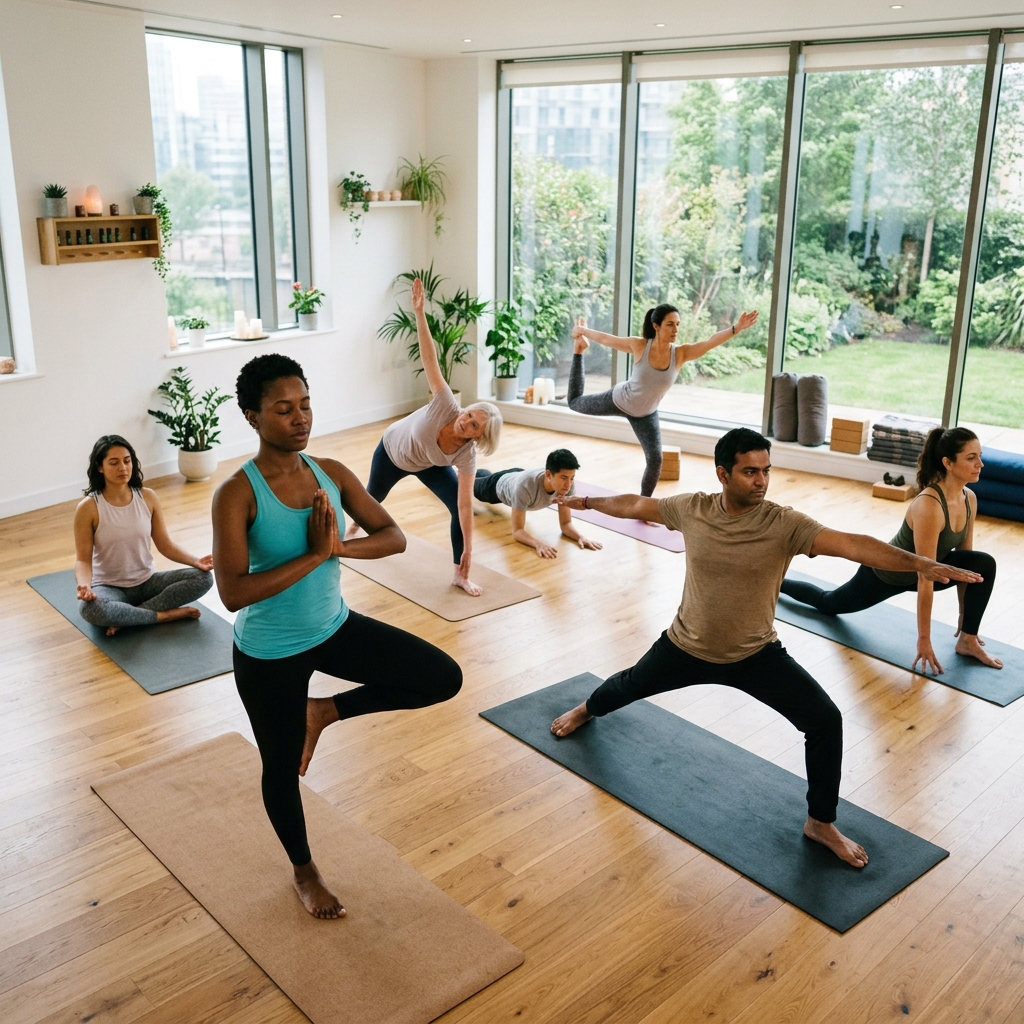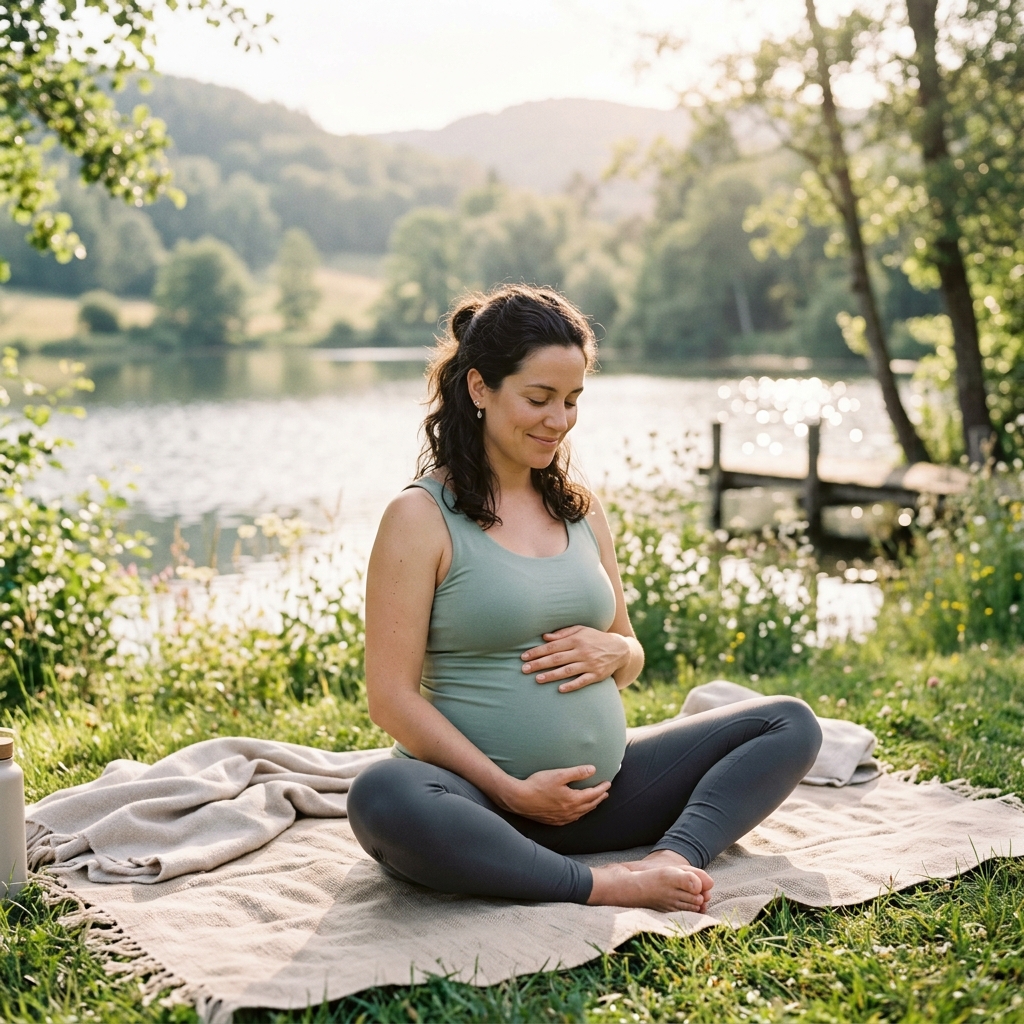
What is Prenatal Yoga and How Does It Benefit Mother and Baby?
Prenatal yoga is a specialized, gentle practice designed to support the physical and emotional journey of pregnancy. It combines mindful movement (asanas), conscious breathing (pranayama), and meditation to nurture both mother and baby. Far beyond simple exercise, it teaches you how to listen to your body's signals, manage stress hormones, and build strength in preparation for labor and delivery.
Why is Yoga Essential During Pregnancy?
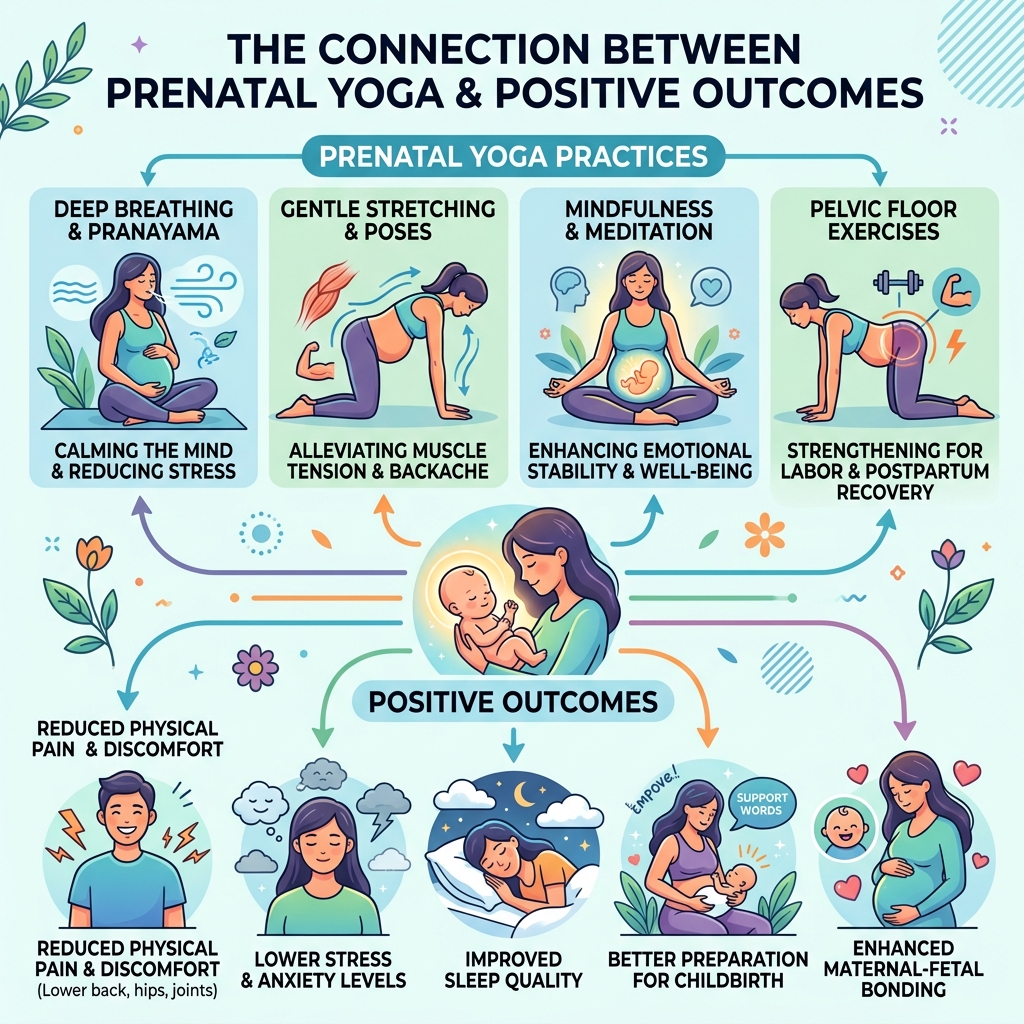
Pregnancy causes significant physical changes—from shifting centers of gravity to common aches like back pain. Prenatal yoga addresses these challenges holistically by:
- Reducing Stress and Anxiety: The focus on breathwork activates the parasympathetic nervous system, which helps lower cortisol levels and promotes deep relaxation.
- Alleviating Physical Pain: Gentle movements strengthen core muscles and improve posture, significantly reducing common complaints like lower back pain and sciatica.
- Improving Sleep Quality: Relaxation techniques help ease insomnia, promoting restorative rest for both mother and baby.
- Enhancing Circulation: Specific poses encourage blood flow throughout the body, which is vital for nutrient delivery to the developing baby.
- Preparing for Labor: Yoga teaches powerful breathing patterns (like deep diaphragmatic breathing) that are directly applicable during labor to manage pain and promote calm.
How Does Prenatal Yoga Change Across Trimesters?
The practice must evolve as your body changes. It is crucial to modify poses based on your current trimester, always prioritizing comfort over intensity.
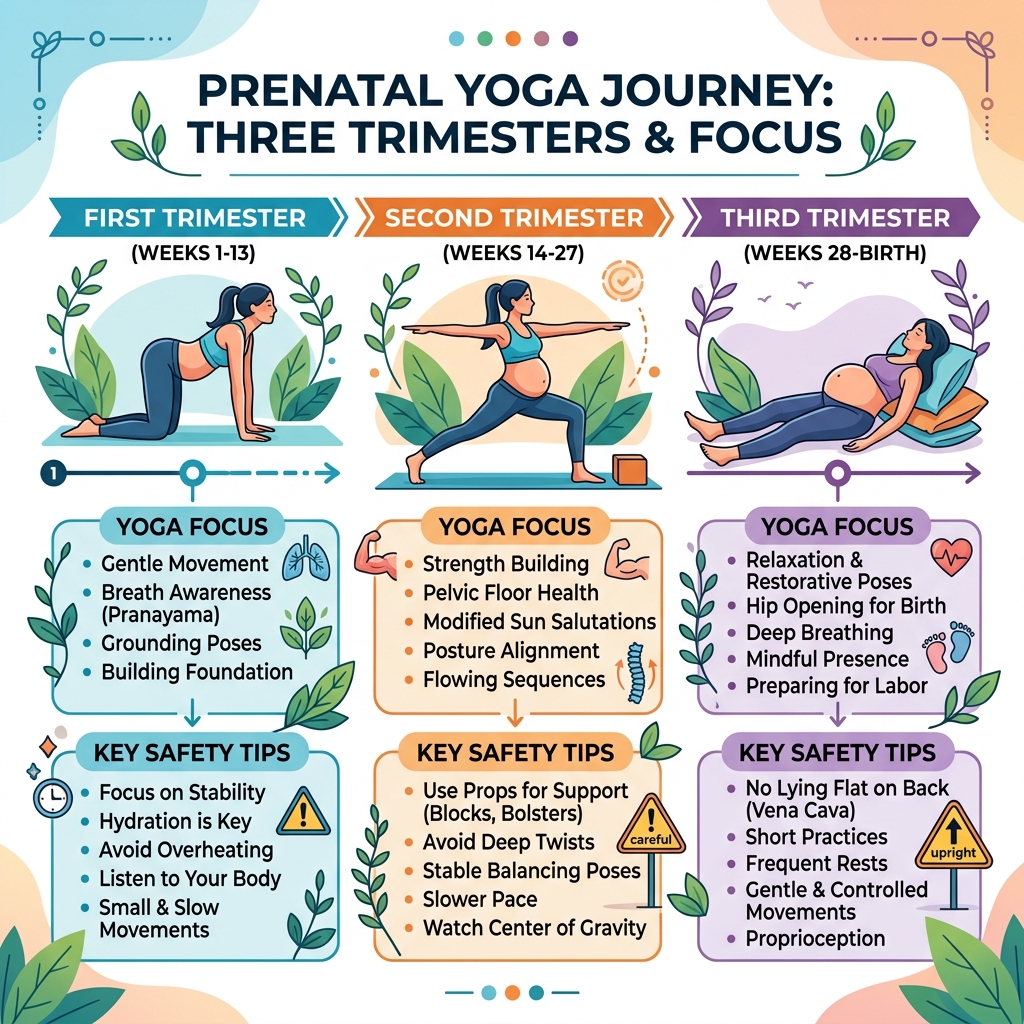
🤰 First Trimester (Weeks 1–13): Focus on Grounding
The primary goal here is gentle adaptation and managing early symptoms like nausea and fatigue.
- Focus: Gentle stretching, deep breathing, and establishing body awareness.
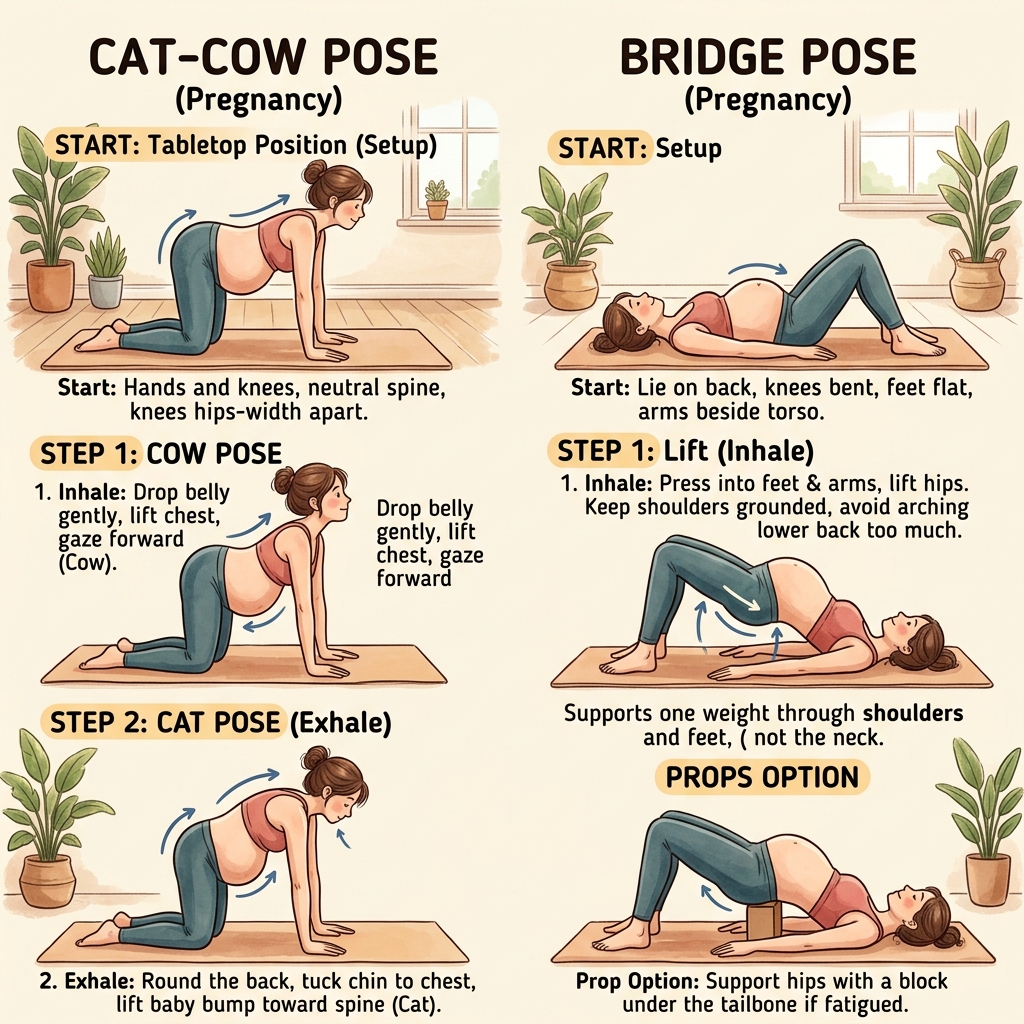
- Key Poses: Cat-Cow Pose (warming the spine), Child's Pose (grounding effect), and supported seated stretches.
- Safety Tip: Avoid any poses that involve deep twisting or inversions, as your body is still adjusting.
🤰 Second Trimester (Weeks 14–27): Focus on Strengthening
As energy returns and the bump grows, this stage focuses on building stability and opening hips.
- Focus: Core strengthening, hip openers, and maintaining balance.
- Key Poses: Warrior II Pose (building leg strength), Supported Bridge Pose (strengthening glutes), and modified plank variations.
- Safety Tip: Be mindful of your center of gravity shift. Always use props (like blocks or chairs) for support when needed.
🤰 Third Trimester (Weeks 28–40): Focus on Labor Preparation
The final stage emphasizes mobility, pain management, and deep relaxation techniques.
- Focus: Hip opening, spinal lengthening, and intensive Pranayama (breathwork).
- Key Poses: Supported squatting poses, gentle forward folds, and Butterfly Pose variations.
- Safety Tip: Continue to avoid lying flat on your back for extended periods due to potential vena cava compression.
What Are the Most Beneficial Prenatal Yoga Poses?
These specific poses are highly recommended because they target areas that experience strain during pregnancy: the hips, the spine, and the core.
🧘 Gentle Hip Openers (Pelvic Health)
Hip mobility is crucial for labor progression. These poses help open the pelvis gently.
- Butterfly Pose (Baddha Konasana): Sit with soles of feet together and allow knees to fall open. This stretches the inner thighs and groin, promoting pelvic openness.
- Malasana (Garland Pose): Squat down deeply while keeping your back straight. Use support if needed. This is excellent for opening the hips and strengthening the ankles.
- Pigeon Pose Variation: Instead of a deep full pigeon, focus on bringing one knee forward gently to stretch the outer hip and glute without strain.
🦴 Spinal Lengthening Poses (Back Pain Relief)
As your body changes shape, maintaining spinal health is paramount.
- Cat-Cow Flow: Moving through this cycle on hands and knees warms up the entire spine while coordinating movement with breath.
- Thread the Needle Pose Variation: From tabletop position, gently thread one arm under the opposite armpit. This provides a safe, deep stretch for the upper back and shoulders.
- Supported Side Angle: Use a wall or block to support your side body as you stretch overhead, improving lateral flexibility.
💪 Core Strengthening Poses (Support & Stability)
Building core strength helps stabilize the abdomen and supports the increasing weight of the baby.
- Modified Plank on Knees: Instead of full planks, perform this variation to engage the deep abdominal muscles safely without excessive strain.
- Bridge Pose (Supported): Lying back with knees bent, lift hips up while placing a bolster under your sacrum. This strengthens the glutes and lower back support system.
Beyond Asanas: The Power of Breathwork (Pranayama)
The most underrated aspect of prenatal yoga is breathwork. Learning to control your breath gives you a powerful tool to manage pain, anxiety, and stress.
- Diaphragmatic Breathing: Focus on breathing deeply into the belly rather than shallow chest breaths. This calms the vagus nerve and signals safety to the nervous system.
- Ujjayi Breath (Ocean Breath): Constricting the back of the throat slightly while inhaling and exhaling creates a gentle, rhythmic sound. This technique is excellent for maintaining focus during labor.
- Three-Part Breath: Consciously directing breath through the belly, ribcage, and chest helps maximize oxygen intake and promotes deep relaxation.
How to Find a Qualified Prenatal Yoga Instructor?
While self-practice is beneficial, professional guidance is highly recommended. When seeking an instructor, ensure they meet these criteria:
- Specialized Training: They must have completed specific training in prenatal yoga, not just general yoga certification.
- Modifications Expertise: A qualified teacher knows how to modify poses for different trimesters and individual health conditions (e.g., gestational diabetes, high blood pressure).
- Safety First: They prioritize listening to your body's signals over achieving a perfect pose.
Summary & Next Steps
Prenatal yoga is an empowering journey that connects physical movement with emotional wellness. By integrating mindful breathing and gentle strength work into your routine, you are actively preparing your body for the incredible transition of labor while simultaneously nurturing a deep sense of peace and connection with your baby. Remember to always communicate openly with your healthcare provider and listen closely to your body's unique needs throughout every stage of pregnancy.
Disclaimer: The information provided in this article is for general informational purposes only and is not intended as a substitute for professional medical advice, diagnosis, or treatment. Always seek the advice of your physician or other qualified health provider with any questions you may have regarding a medical condition or treatment.
Frequently Asked Questions
Always consult your doctor or midwife first. Most practices are safe, but modifications are needed based on your specific health status and trimester.