Why is Gentle Yoga Essential for Postpartum Recovery?
The journey of pregnancy and childbirth is physically demanding, requiring significant time and effort from your body. While the desire to return to pre-pregnancy fitness routines is strong, postnatal yoga offers a safe, holistic pathway back to strength. It addresses not only physical healing but also emotional well-being and the crucial mother-baby connection.
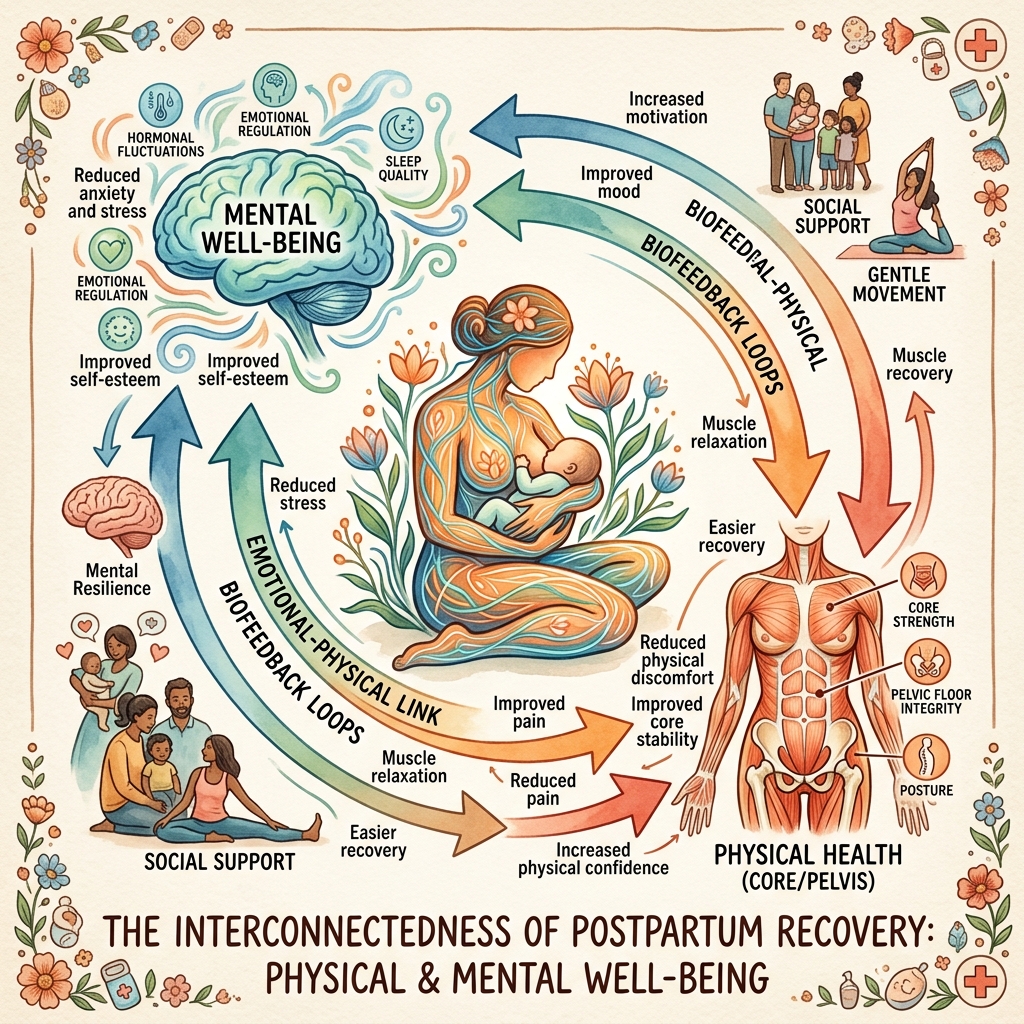
Gentle movement is vital because it promotes gradual recovery without overstressing healing tissues. By focusing on breathwork and mindful poses, you can safely rebuild core stability, improve pelvic floor function, and manage the intense stress of new motherhood.
What Physical Benefits Does Postnatal Yoga Provide?
Postpartum yoga is designed to support your body through its healing phases, targeting key areas often weakened by pregnancy. These benefits include:
- Core and Pelvic Floor Restoration: Pregnancy stretches the abdominal wall and pelvic ligaments. Gentle poses help re-engage deep core muscles (like the transverse abdominis) and strengthen the pelvic floor, which is essential for supporting your bladder, uterus, and rectum.
- Improved Posture and Spine Health: Changes in center of gravity during pregnancy can lead to chronic back pain and poor posture. Yoga helps realign the body, strengthening the muscles that support a healthy spine.
- Circulation and Pain Relief: Gentle movement improves blood flow throughout the body, which is crucial for reducing swelling (edema) and alleviating common postpartum aches like stiff shoulders or lower back discomfort.
- Energy Management: While it may seem counterintuitive, low-impact exercise boosts circulation and mood, helping to combat the fatigue often associated with new parenthood.
How Does Yoga Support Emotional Well-being?
The emotional landscape of the postpartum period can be challenging. Yoga provides more than just physical stretching; it is a powerful tool for mental health:
- Stress Reduction: The emphasis on diaphragmatic breathing (pranayama) activates the parasympathetic nervous system, which signals the body to relax and significantly lowers cortisol levels.
- Combating Anxiety & Mood Swings: Mindfulness practices teach you to stay present in the moment, helping you manage overwhelming feelings and reducing symptoms of anxiety or mild postpartum depression.
- Boosting Self-Esteem: Dedicating time to self-care—even just 15 minutes—reinforces your sense of self outside of motherhood. This intentional focus on physical and emotional needs boosts confidence.
What Are the Safest Postnatal Yoga Poses to Start With?
Crucial Warning: Never start any exercise program without first receiving clearance from your doctor or physical therapist. Always listen to your body; pain is a signal to stop.
🧘♀️ Gentle Core Engagement (Focus: Deep Abdominals)
These poses focus on reconnecting with the deep, stabilizing muscles of the abdomen and pelvis.
-
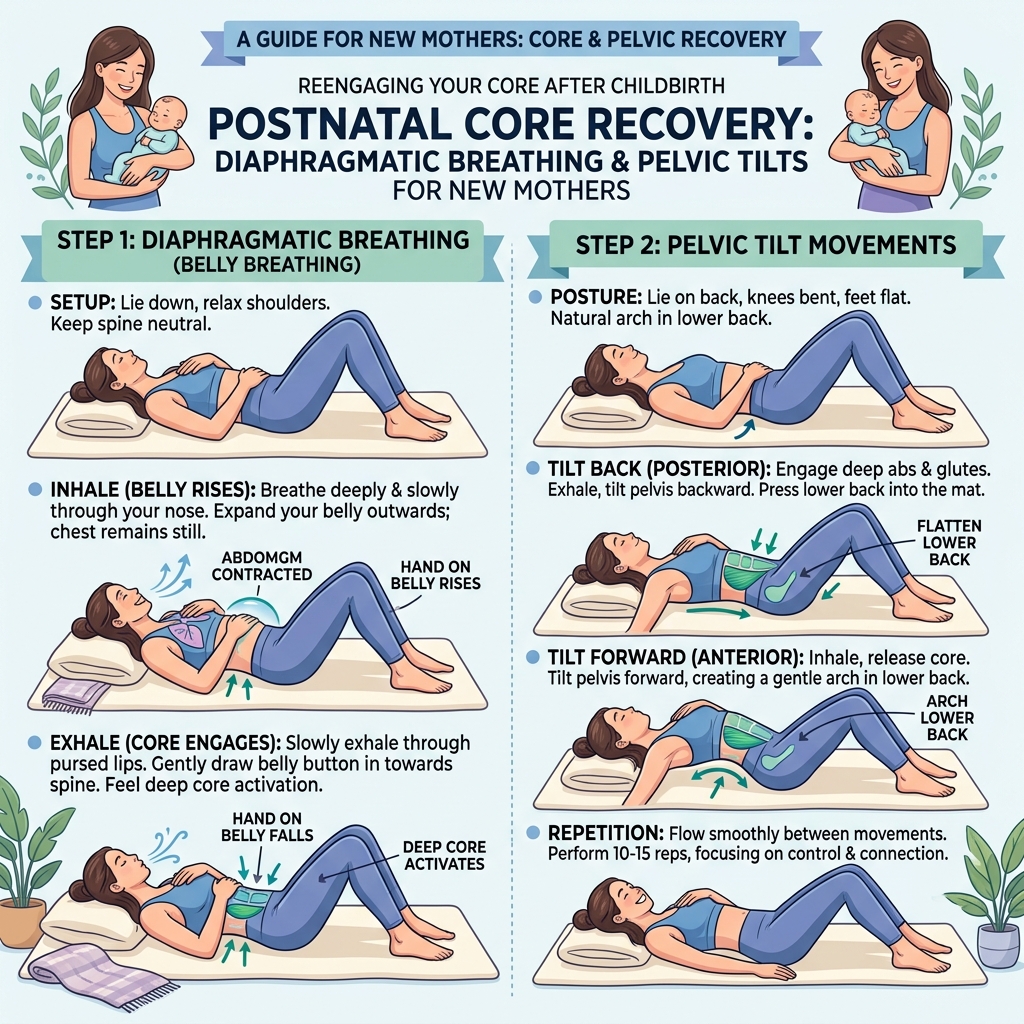
Diaphragmatic Breathing (Belly Breathing):
- How: Lie supine (on your back) with knees bent. Place one hand on your chest and one on your belly. Inhale deeply through your nose, allowing your belly to rise like a balloon. Exhale slowly through pursed lips, gently drawing the navel toward the spine.
- Benefit: This is the foundational exercise for rebuilding core connection without straining abdominal muscles.
- Reps: 5–10 slow breaths.
-
Pelvic Tilts:
- How: Lying on your back, gently rock your pelvis by flattening your lower back into the floor (tucking the tailbone slightly), then releasing to a neutral spine.
- Benefit: Improves pelvic stability and strengthens the low abdominal muscles safely.
- Reps: 10–15 repetitions.
-
Heel Slides:
- How: Lying on your back, slowly slide one heel away from your body until your leg is straight (as far as comfortable). Slowly slide it back to the starting position. Repeat with the other leg.
- Benefit: Engages the lower abdominal muscles and improves hip mobility while keeping tension off the core.
- Reps: 10–15 repetitions per leg.
💪 Pelvic Floor Strengthening (Focus: Kegels)
Pelvic floor exercises are non-negotiable for postpartum recovery, helping to prevent incontinence and support organs.
- Basic Kegel: Imagine you are trying to stop the flow of urine or pass gas—that feeling is your pelvic floor. Squeeze these muscles gently, hold for a count of three, and then fully release.
- Reps: 10–15 repetitions, several times throughout the day.
- Elevator Kegel: Contract the muscles slowly, imagining lifting an elevator up one floor at a time. Hold briefly, then slowly lower it back down. This trains different levels of muscle contraction.
⚠️ Important Precautions Before You Begin
Safety is the top priority. Always heed these guidelines before attempting any poses:
- Consultation First: Get clearance from your OB-GYN, midwife, or physical therapist first.
- Diastasis Recti Awareness: If you notice a "doming" or "coning" effect when doing core work (a sign of abdominal separation), stop immediately. Focus only on deep breathing and pelvic tilts until cleared by a specialist.
- Avoid Inversions: Do not perform poses where your head is below your heart (like downward dog) until postpartum bleeding has completely stopped, as this can increase uterine cramping.
- Hydration & Rest: Drink plenty of water and remember that rest is just as important as movement.
🤱 How Can Yoga Strengthen the Mother-Child Bond?
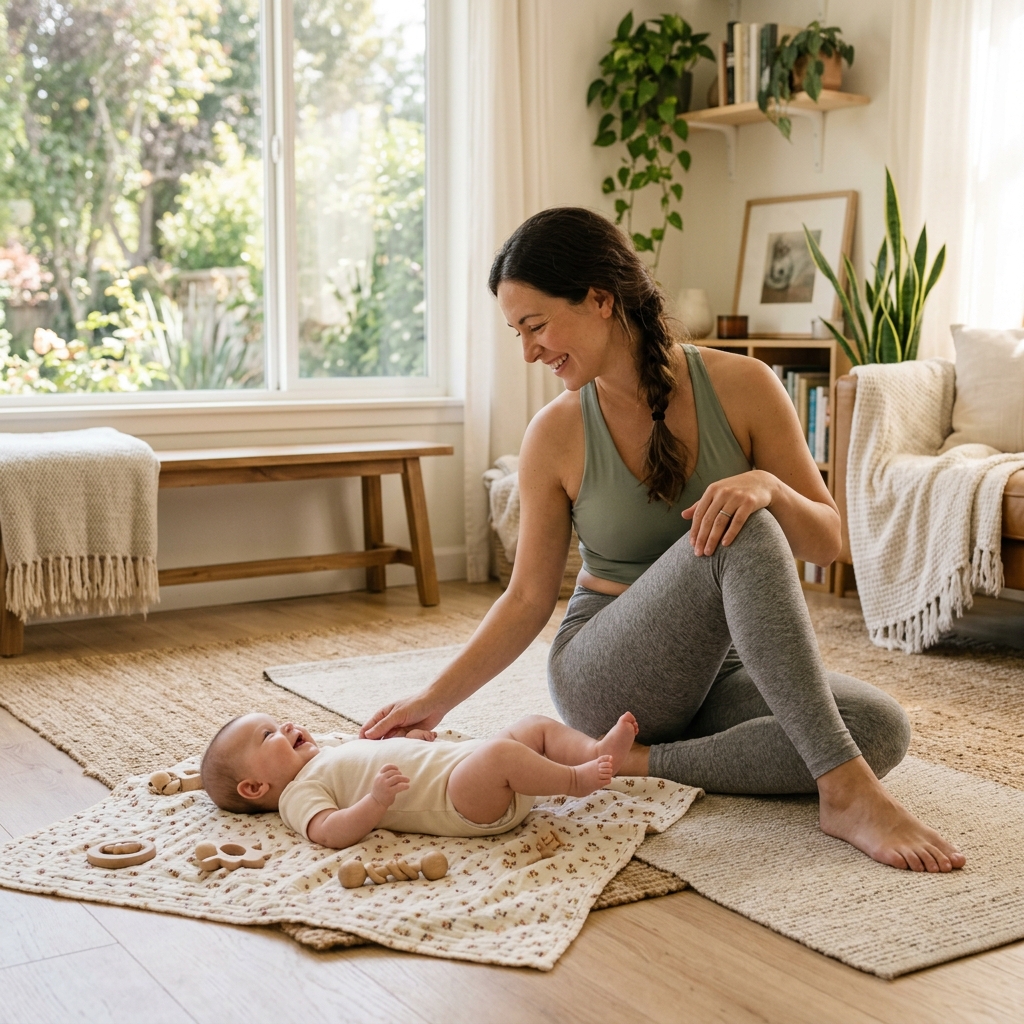
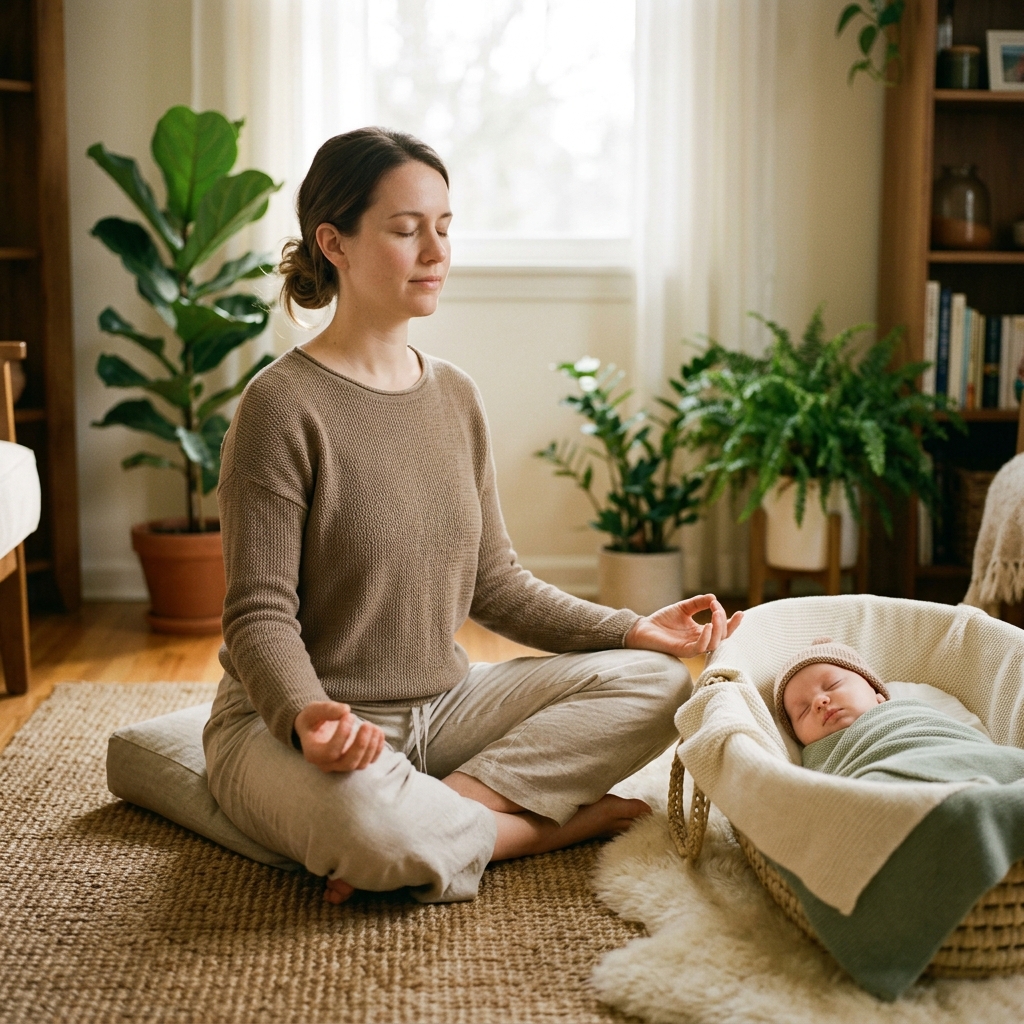
The practice itself creates a unique space for connection. By moving together—even if it's just lying side-by-side during deep breathing or gentle stretches—you are sharing a moment of calm, presence, and mutual support. This shared experience helps deepen intimacy and provides both of you with a soothing routine that benefits the baby’s emotional regulation as well.
Summary: Integrating Movement into Your New Routine
Postnatal yoga is not about returning to your former fitness level; it's about rebuilding—physically, emotionally, and spiritually. By prioritizing gentle movement, breathwork, and self-compassion, you are giving yourself the gift of time needed for healing. Start slow, be patient with your body, and remember that every deep breath is a step toward feeling stronger and more connected to both yourself and your baby.
Disclaimer: The information provided in this article is for general informational purposes only and is not intended as a substitute for professional medical advice, diagnosis, or treatment. Always seek the advice of your physician or other qualified health provider with any questions you may have regarding a medical condition or treatment. Never disregard professional medical advice or delay seeking it because of something you have read on this website. Reliance on any information provided in this article is solely at your own risk.
Frequently Asked Questions
No. Always wait until you have been cleared by your doctor or midwife. The timing depends on whether you had a vaginal delivery or C-section.
The most common issue is diastasis recti (abdominal separation). Focus on deep core engagement and breathing, avoiding intense crunches until cleared by a physical therapist.