What is the Core Benefit of Yoga for Strength and Tone?
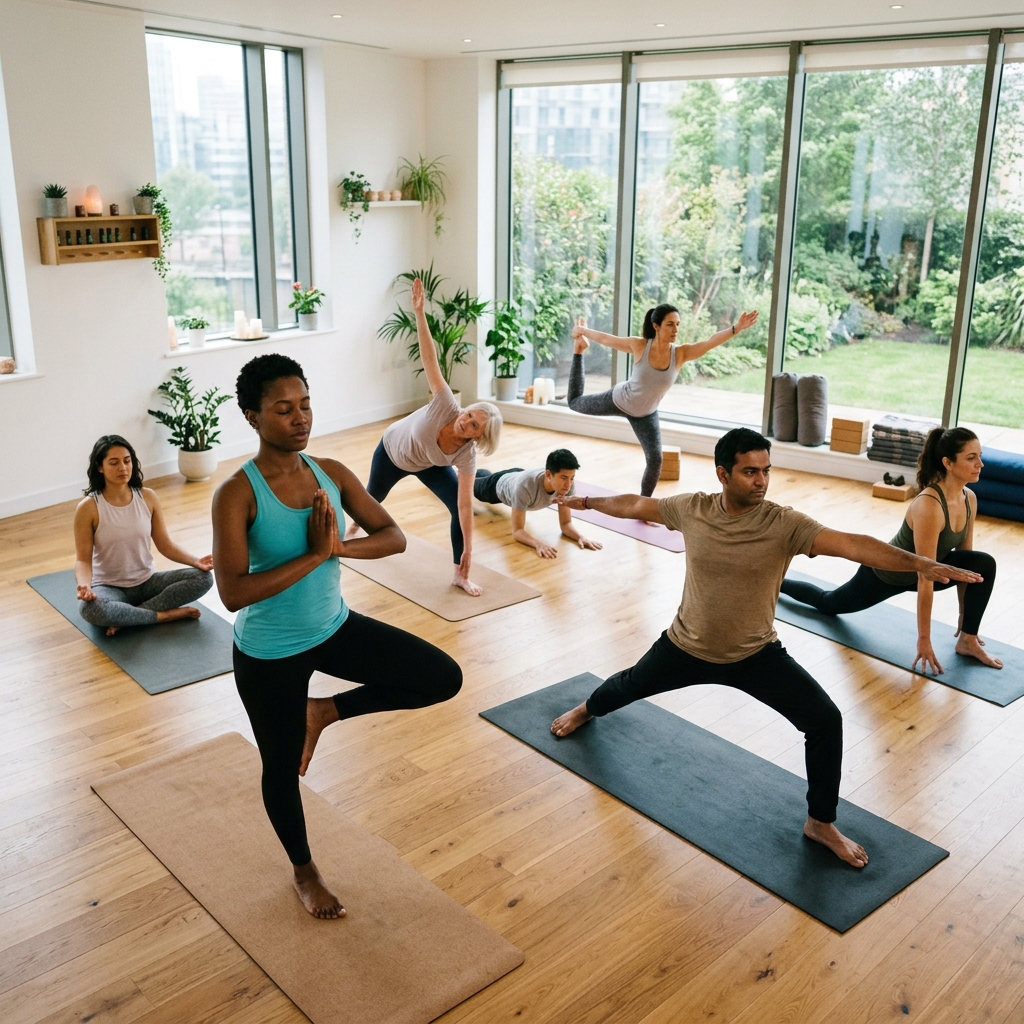
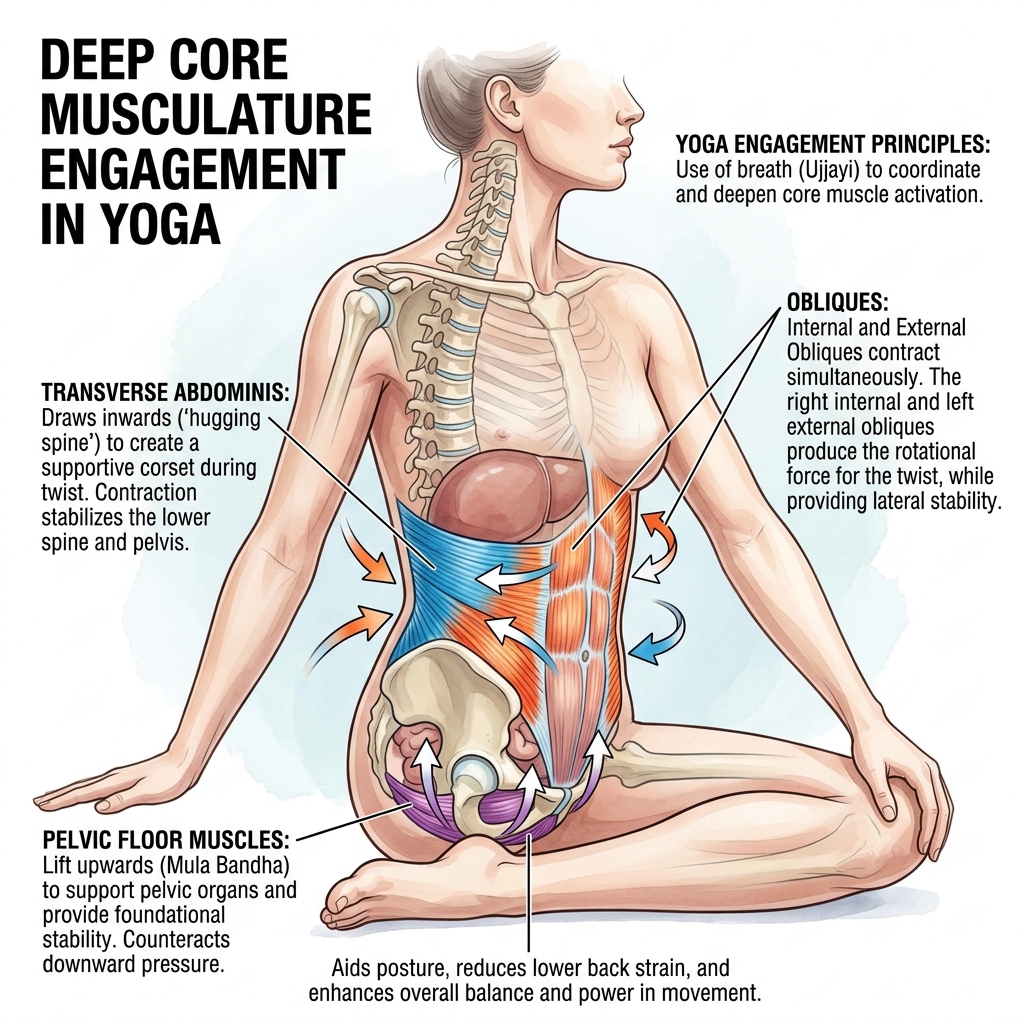
Yoga builds core strength by requiring you to maintain isometric contractions—holding poses against gravity without changing length. This process strengthens deep stabilizing muscles (like the transverse abdominis) that are crucial for posture, balance, and preventing injury in daily life. It’s a holistic approach that tones muscles through mindful bodyweight resistance, making it far more than just stretching.
Why is Core Strength Essential for Daily Life?
Many people view "core strength" as simply having visible abs. However, your core is a complex powerhouse encompassing the abdominal wall, lower back, hips, and pelvis. A strong core is foundational to overall physical health because it provides:
- Optimal Stability: It acts as a natural girdle, allowing you to maintain balance whether standing on uneven ground or lifting heavy objects.
- Improved Posture: By supporting the spine from deep within, a strong core counteracts slouching and reduces chronic back pain associated with sitting.
- Enhanced Power Transfer: Whether climbing stairs or reaching for an item, your core ensures that force generated by one body part is efficiently transferred to another.
- Injury Prevention: A stable trunk protects the spine from excessive strain during intense exercise or unexpected movements.
Key Yoga Poses for Core Engagement and Tone
To effectively build strength, focus on poses that require sustained effort and deep muscle engagement. Here are some of the most effective bodyweight exercises derived from yoga:
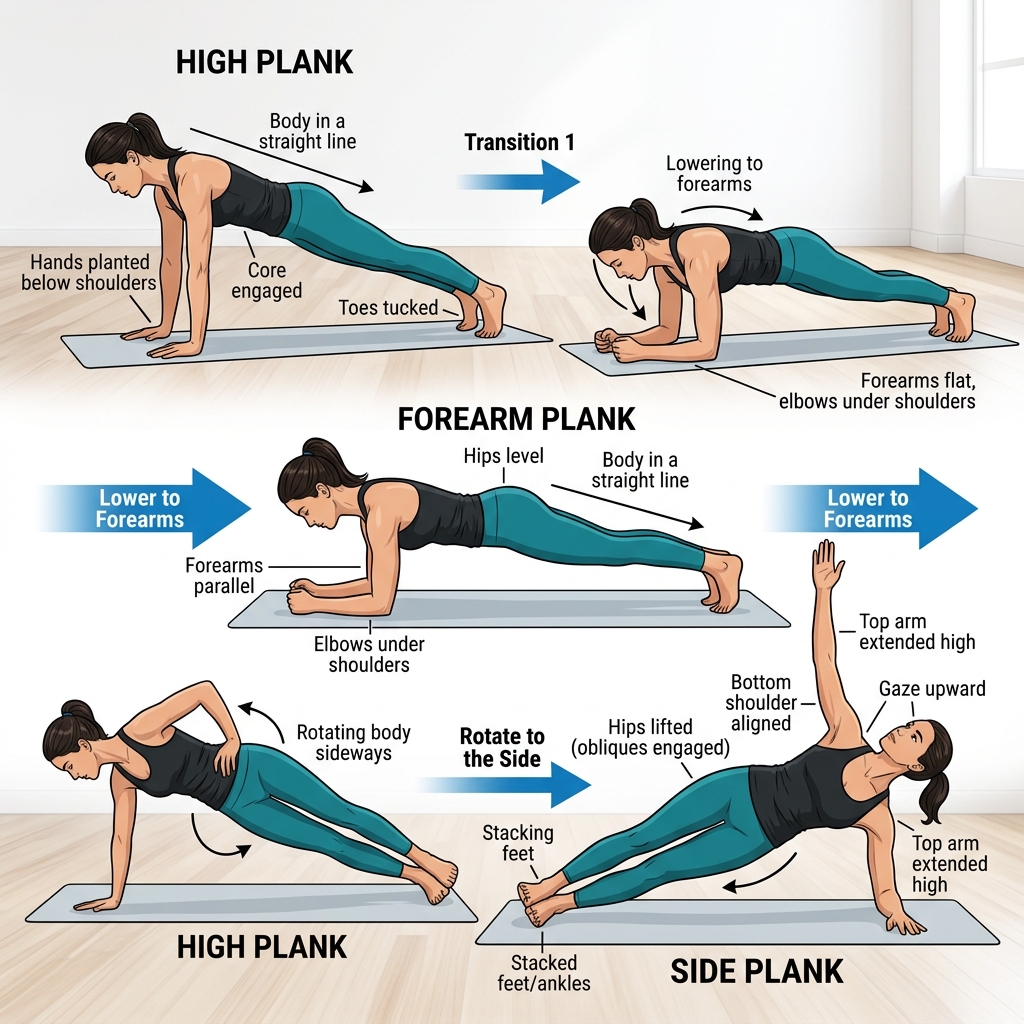
Plank Variations (Phalakasana)
The plank is a foundational pose that builds total core endurance by engaging multiple stabilizing muscles simultaneously.
- High Plank: Start in a straight line, supporting weight on your hands and toes. Focus on drawing your navel toward your spine and squeezing your glutes to prevent hips from sagging. Goal: Hold for 30–60 seconds.
- Forearm Plank (Low Plank): Lowering onto the forearms can sometimes increase stability demands, making it a slightly more challenging variation. Maintain that perfect straight line from head to heels throughout the hold.
- Side Plank (Vasisthasana): This pose is critical for strengthening the obliques, the muscles on the sides of your abdomen responsible for rotational movements and lateral stability. Lift hips high, keeping the body in a strong diagonal plane.
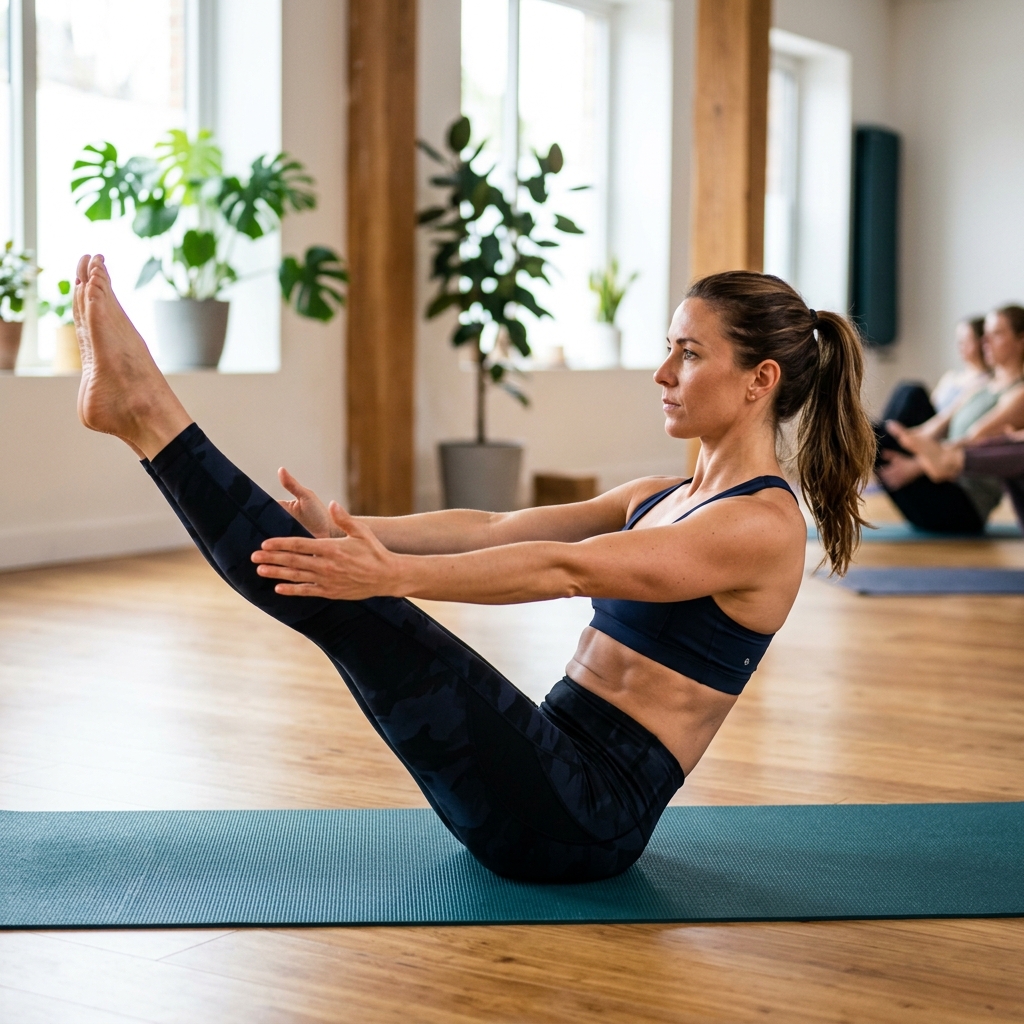
Boat Pose (Navasana)
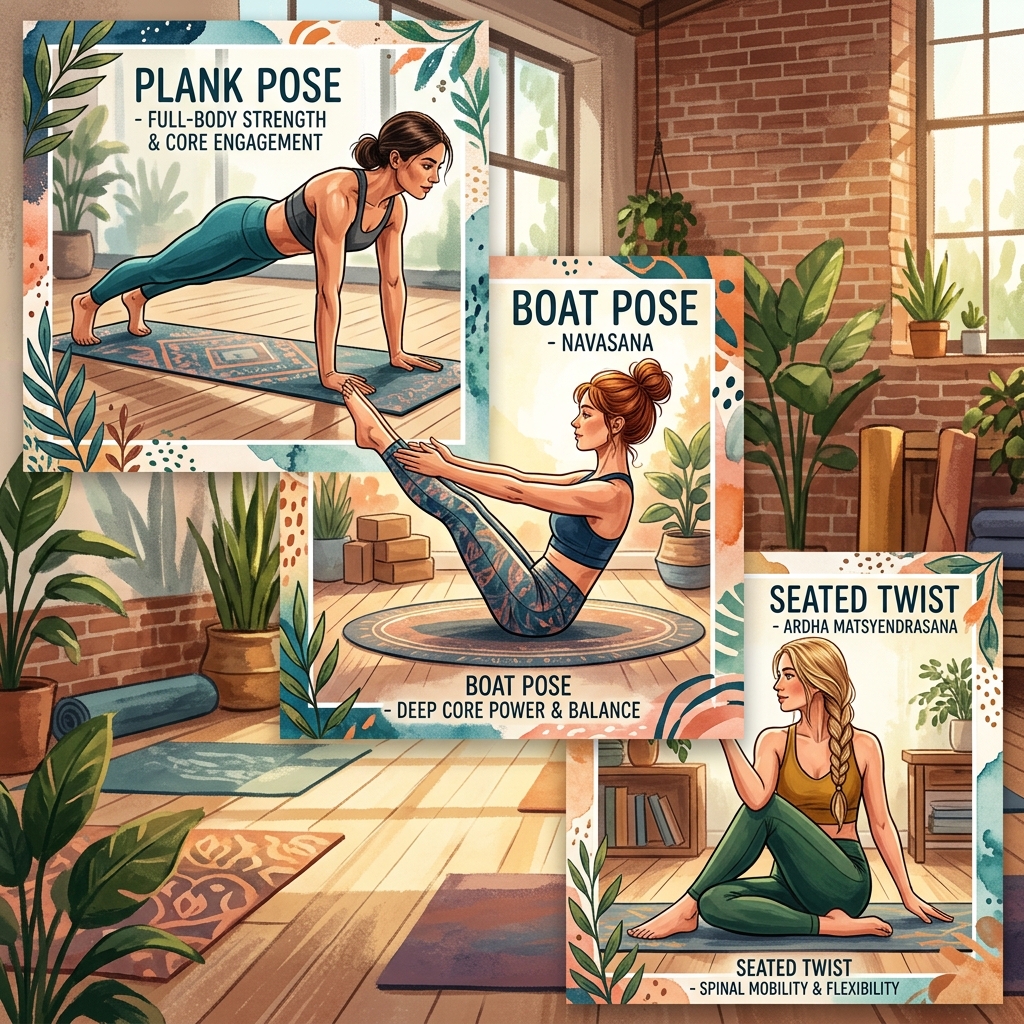
Boat Pose is an intense abdominal challenge that requires both core strength and hip flexor engagement.
- How to Perform: Sit with knees bent, hands placed behind your knees for support. Slowly lean back while lifting your feet off the ground until your body forms a boat shape. Keep your chest lifted and spine straight.
- Progression: For increased difficulty, straighten your legs completely (forming a "V" shape) or raise your arms overhead.
- Benefit Focus: This pose directly targets the hip flexors and deep abdominal muscles, improving both endurance and balance.
Chair Pose (Utkatasana)
While primarily known for leg strength, Chair Pose is excellent for core engagement because it requires you to maintain a vertical spine while stabilizing your pelvis in a squat position.
- How to Perform: Stand with feet hip-width apart. Lower your hips as if sitting in an invisible chair, keeping your back straight and chest lifted. Engage the glutes slightly (tucking the tailbone) to prevent lower back arching.
- Benefit Focus: It builds functional leg strength while simultaneously demanding core stability to keep the torso upright.
Twisting Poses for Spinal Mobility
Twists are vital not only for toning the obliques but also for improving spinal mobility and promoting detoxification through compression.
- Seated Twist (Ardha Matsyendrasana): Sit with legs extended. Bend one knee and cross the foot over the opposite thigh. Inhale to lengthen, then exhale and gently twist your torso over the bent knee.
- Standing Twist (Parivrtta Trikonasana): Stand wide. Turn one foot out 90 degrees. Hinge at the hips and reach across the body, looking up or down to deepen the spinal rotation.
How Does Yoga Build Overall Muscle Tone?
Yoga is unique because it doesn't just build muscle; it builds functional strength. This means the strength you gain translates directly into better performance in real-world activities—from carrying groceries to playing with children.
Here are the three physiological mechanisms that contribute to toning:
- Bodyweight Resistance: Every pose uses your own body weight as resistance, forcing muscles (like the shoulders and thighs) to work harder than they would against gravity alone.
- Isometric Contractions: Holding poses like Plank or Warrior II forces sustained tension in stabilizing muscles. This type of contraction builds incredible endurance and deep muscle tone without needing external weights.
- Eccentric Contractions: When you slowly lower into a pose (like lowering into Chair Pose), your muscles are lengthening under tension. Eccentric work is highly effective for building controlled strength and preventing injury.
Other Toning Poses to Incorporate:
- Chaturanga Dandasana (Four-Limbed Staff): A powerful push-up variation that intensely tones the chest, triceps, and shoulders.
- Warrior II (Virabhadrasana II): Strengthens the entire leg chain—quadriceps, hamstrings, glutes, and core—in a dynamic manner.
- Downward-Facing Dog (Adho Mukha Svanasana): A full-body stretch that tones the arms, shoulders, and back while lengthening the hamstrings.
Summary: Unlocking Your Inner Strength
Yoga is a comprehensive fitness practice that treats strength not just as muscle size, but as resilience. By consistently engaging in poses like Plank, Boat Pose, and Chair Pose, you are systematically strengthening your core, improving spinal mobility, and building functional tone throughout your body.
Start slow, prioritize perfect form over duration, and remember that consistency is the most powerful tool on your mat. Incorporating yoga doesn't just improve flexibility; it builds a stronger, more balanced foundation for life.
Sources & Further Reading:
- Mayo Clinic: Core Exercises Guide
- Harvard Medical School: Benefits of Strengthening Your Core
- Yoga Journal: Advanced Poses and Alignment Tips
Frequently Asked Questions (FAQ)
Q: Is yoga only for stretching? A: No. While it involves deep stretches, many poses require significant muscular effort (isometric holds) that build substantial functional strength and core stability.
Q: How long should I hold a plank pose? A: Start with 30 seconds and gradually work up to 60 seconds. Focus on maintaining perfect form rather than just increasing time.
Q: Can I do these poses if I have back pain? A: Always consult your physician or physical therapist first. Modifications are available for most poses, but proper guidance is essential before attempting advanced movements.
Frequently Asked Questions
No. While it involves deep stretches, many poses require significant muscular effort (isometric holds) that build substantial functional strength and core stability.
Start with 30 seconds and gradually work up to 60 seconds. Focus on maintaining perfect form rather than just increasing time.
Always consult your physician or physical therapist first. Modifications are available for most poses, but proper guidance is essential.