What is the Connection Between Yoga and Balance?
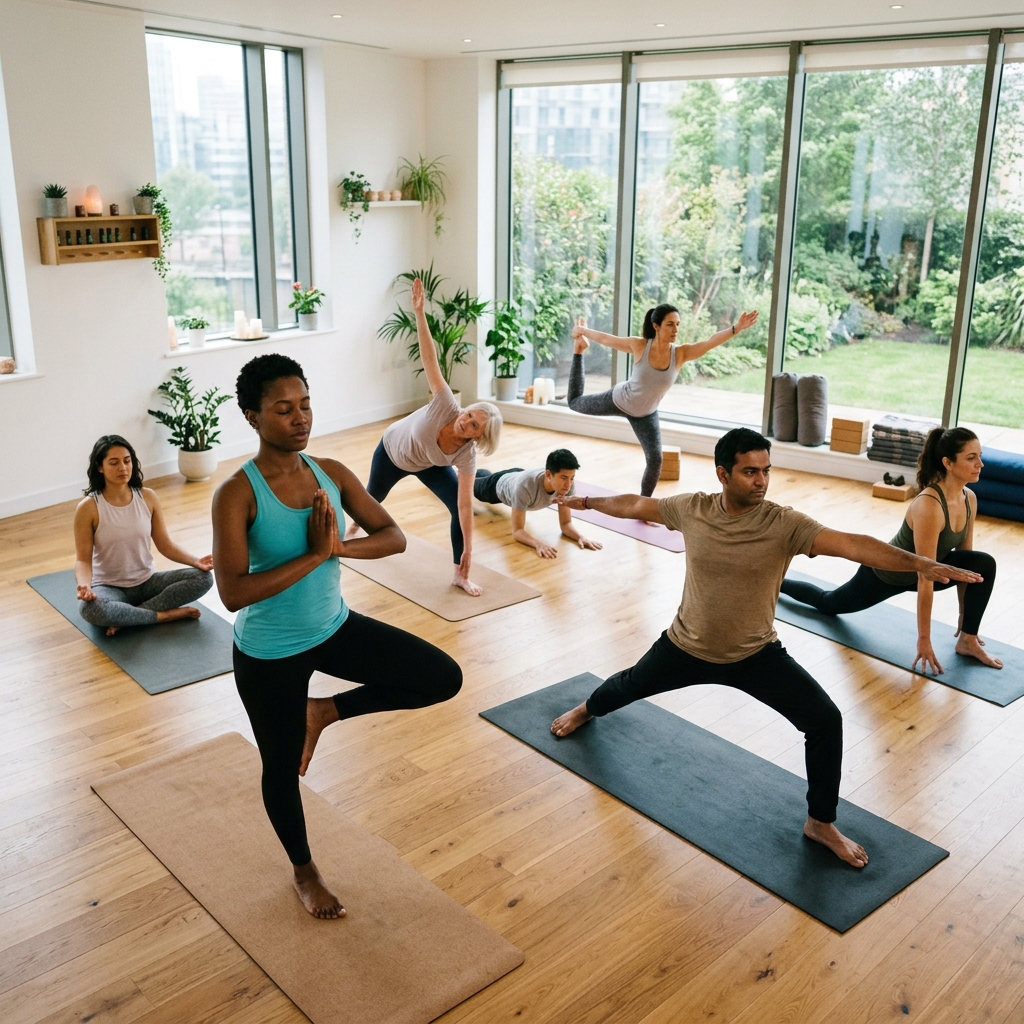
Yoga is a powerful, holistic practice that dramatically improves balance, stability, and coordination by enhancing proprioception—your body's internal sense of where it is in space. By challenging your equilibrium through specific poses, you strengthen supporting muscles (especially in the core, ankles, and knees) and build a stronger neural connection between your brain and your body. This enhanced awareness is crucial for everything from walking confidently to significantly reducing the risk of falls as you age.
Understanding Proprioception: Your Body's Internal GPS
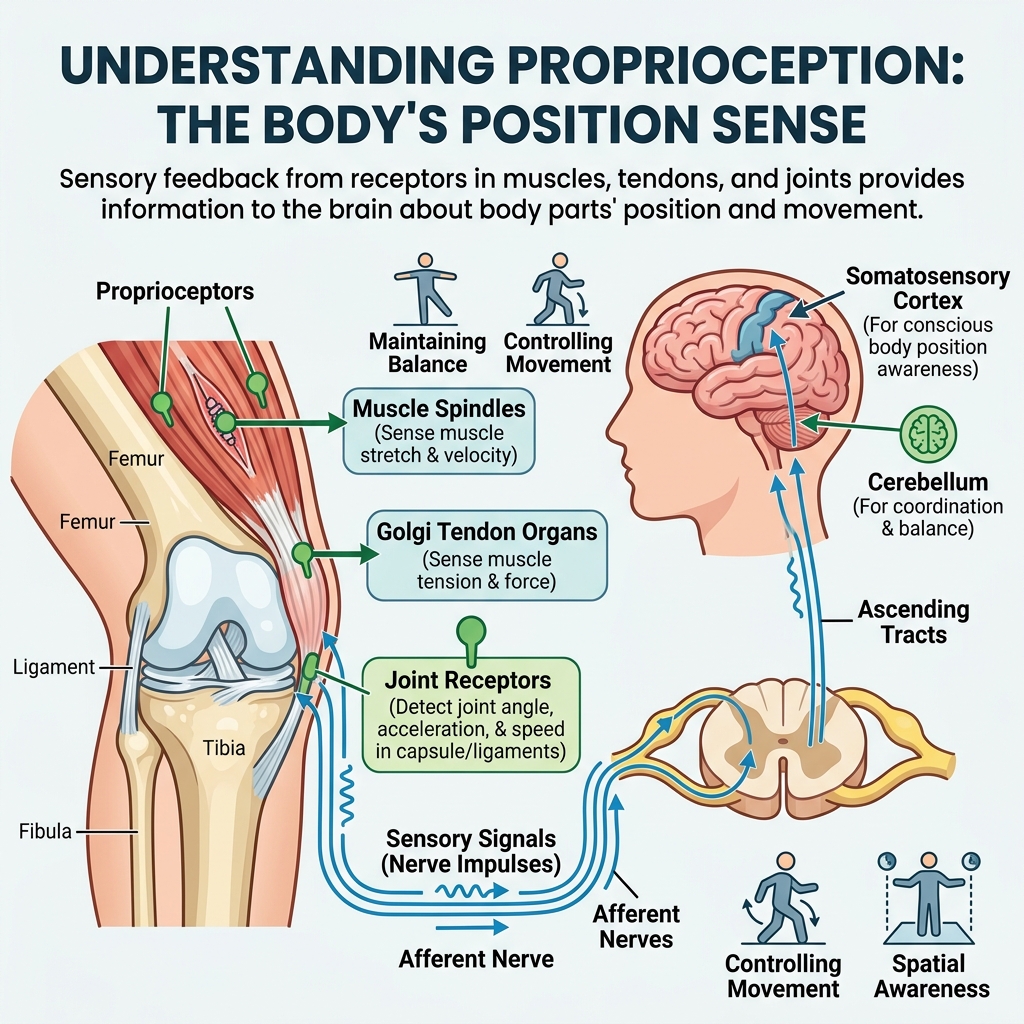
Balance isn't just about physical strength; it’s a complex neurological process. At the heart of this system is proprioception.
- What is it? Proprioception is your body's unconscious ability to sense the position, movement, and effort of your joints and muscles without needing visual input. Think of it as an internal GPS for your body.
- How does it work? Specialized receptors in your muscles, tendons, and joints constantly send information (feedback) to your brain about your body's exact location relative to gravity and space.
- The Yoga Effect: When you hold a challenging yoga pose, your nervous system is forced to process constant streams of positional data. This continuous feedback loop strengthens the communication pathways between your brain and your muscles, making those subtle adjustments—the ones that keep you from wobbling—more automatic and efficient.
Why is Improving Balance So Important for Overall Health?
The benefits of enhanced balance extend far beyond simply standing on one leg. It is a foundational element of aging well and maintaining independence.
- Fall Prevention: This is arguably the most critical benefit. Improved stability directly reduces the risk of falls, which are major causes of injury, disability, and loss of independence in older adults.
- Enhanced Coordination & Agility: Better balance translates to better coordination. You can perform everyday tasks—like climbing stairs or carrying groceries—with greater ease and grace.
- Core Strength Improvement: Many balancing poses require deep engagement of the core muscles. A strong core is essential for maintaining upright posture and overall spinal stability, helping to prevent common back pain.
- Mental Focus: The intense concentration required during a pose trains your mind to be present (mindfulness). This improved focus can positively impact cognitive function in other areas of life.
Key Takeaways: How Yoga Helps You Stay Stable
- Muscle Tone: Builds deep, stabilizing muscles often overlooked by traditional weightlifting.
- Mind-Body Connection: Forces you to listen to your body's signals and correct imbalances proactively.
- Neurological Training: Acts as a form of "brain exercise" for the motor system, improving reaction time and spatial awareness.
Foundational Yoga Poses for Better Balance (Beginner Level)
Ready to start? Consistency is key. Remember to always listen to your body—if something causes sharp pain, back off immediately. Focus on breathing deeply throughout every pose; this helps keep you grounded and centered.
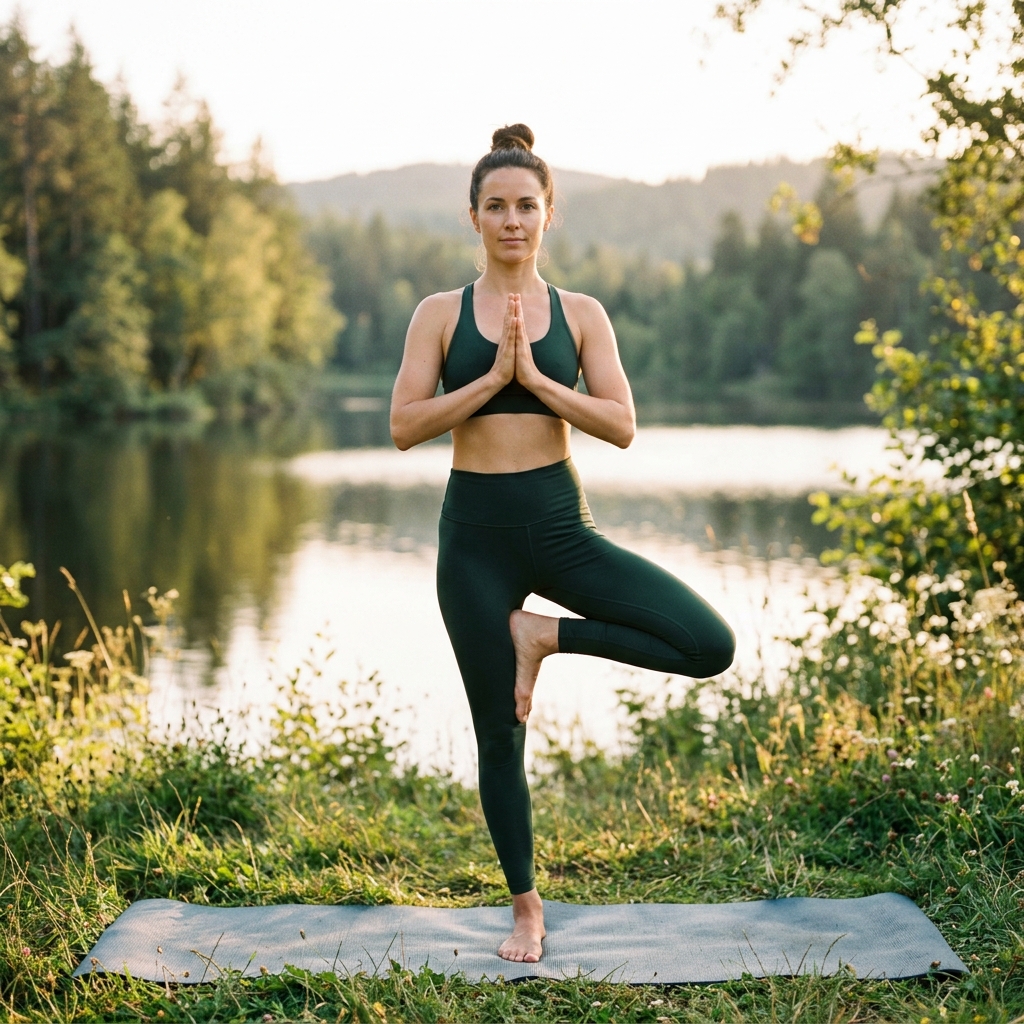
🧘 Tree Pose (Vrksasana): The Grounding Starter
Tree Pose is a classic foundational posture that builds focus and stability in the ankles and knees.
- Setup: Start standing tall in Mountain Pose (Tadasana). Engage your core, keeping your spine long and neutral.
- Weight Shift: Gently shift your weight onto one foot (e.g., the right leg), ensuring the knee is slightly bent—never lock it out.
- Placement: Place the sole of your other foot (the left foot) on your inner thigh, calf, or ankle. Crucially, avoid placing the foot directly on the knee joint.
- Arms: Bring hands to prayer position at the chest, or raise them overhead for a deeper stretch.
- Hold & Breathe: Maintain steady focus (Drishti) on one spot in front of you. Hold for 30 seconds, breathing deeply and evenly.
- Release: Gently lower your foot and repeat on the opposite side.
💡 Beginner Modification: For added support, stand near a wall or use a chair back. Keep your left knee slightly bent while placing your foot on the ankle.
💪 Warrior III (Virabhadrasana III): Building Strength and Focus
Warrior III is more challenging, requiring significant core strength and hamstring engagement to maintain a straight line from head to heel.
- Setup: Start in Mountain Pose. Take a large step back with your left foot, turning it out at a 45-degree angle. Align your right heel with the left arch.
- The Transition: Exhale and lift your torso forward, extending your body into a straight line parallel to the floor (like an airplane). Keep your gaze fixed on one point in front of you.
- Core Engagement: Actively pull your navel toward your spine. This engagement is what stabilizes the entire structure.
- Hold & Breathe: Maintain the pose for 20-30 seconds, focusing on keeping the hips square and the back straight.
- Return: Inhale slowly to return to Mountain Pose before switching sides.
⚠️ Safety Tip: If lifting the back leg parallel is too difficult, keep the knee of the back leg slightly bent while maintaining the straight line from head to heel.
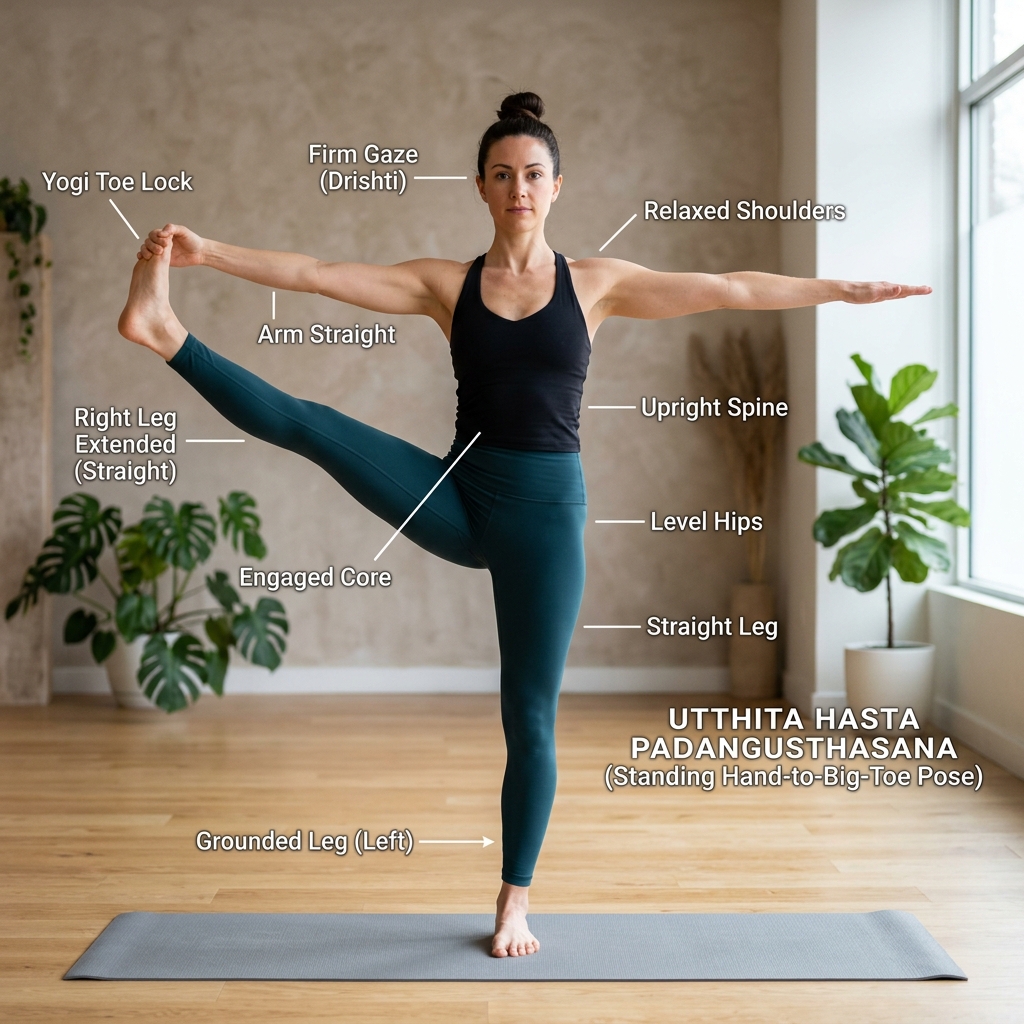
🦵 Standing Hand-to-Big-Toe (Utthita Hasta Padangusthasana): The Flexibility Test
This pose tests both balance and hamstring flexibility. It requires careful control to maintain a straight spine while lifting the leg.
- Setup: Stand tall in Mountain Pose, shifting weight onto one foot (e.g., right).
- Lift & Grab: Inhale and lift your left knee toward your chest. Use your hand to grasp your big toe or use a strap if you cannot reach it.
- Extend: Exhale and slowly extend the leg forward, keeping the back straight and the core engaged. Imagine drawing a line from your head through your spine down to your lifted foot.
- Balance Aid: Extend your opposite arm out to the side for counter-balance.
- Hold & Breathe: Hold for 20-30 seconds, focusing on keeping the standing knee slightly soft and stable.
Beyond the Mat: Integrating Balance into Daily Life
Improving balance is not limited to your yoga mat. You can incorporate these principles into daily activities to enhance stability and reduce fall risk.
- Walking Practice: When walking, consciously focus on lifting your feet fully off the ground (heel-to-toe gait). This strengthens ankle stabilizers.
- Stair Climbing: Instead of rushing, take slow, deliberate steps up and down stairs, focusing on engaging your core with every step.
- Single-Leg Stands: While brushing your teeth or waiting for coffee, practice standing on one leg for 30 seconds. Use a counter if needed, but try to build independence over time.
Summary & Next Steps
Finding balance through yoga is an ongoing journey of self-awareness and physical challenge. By consistently practicing foundational poses like Tree Pose and Warrior III, you are not just stretching muscles; you are retraining your nervous system for greater stability and resilience. Start slow, prioritize proper form over depth, and remember that every wobble is simply a moment of learning.
Action Plan: Commit to 10 minutes of dedicated balance work three times a week. Focus on breathing deeply and maintaining awareness in your body throughout the entire session.
Disclaimer: The information provided in this article is for general informational purposes only and is not intended as a substitute for professional medical advice, diagnosis, or treatment. Always seek the advice of your physician or other qualified health provider with any questions you may have regarding a medical condition or treatment.
Frequently Asked Questions
Always consult a physical therapist or doctor before starting any new routine. Modifications are available to make poses suitable for various conditions.