Are you considering starting a yoga practice but feel overwhelmed by the thought of your first class? You are not alone! Many beginners experience anxiety about what to wear, how to breathe, or whether they will be flexible enough. This guide provides a comprehensive roadmap designed to ease those worries and prepare you for a positive, empowering experience on the mat.
Yoga is much more than just stretching; it is a holistic practice that connects physical movement (asanas) with breath control (pranayama) to improve overall mobility, reduce stress, and enhance body awareness. By understanding what to expect, you can walk into your first session feeling confident and ready to embrace the journey.
What Should I Expect in My First Yoga Class?
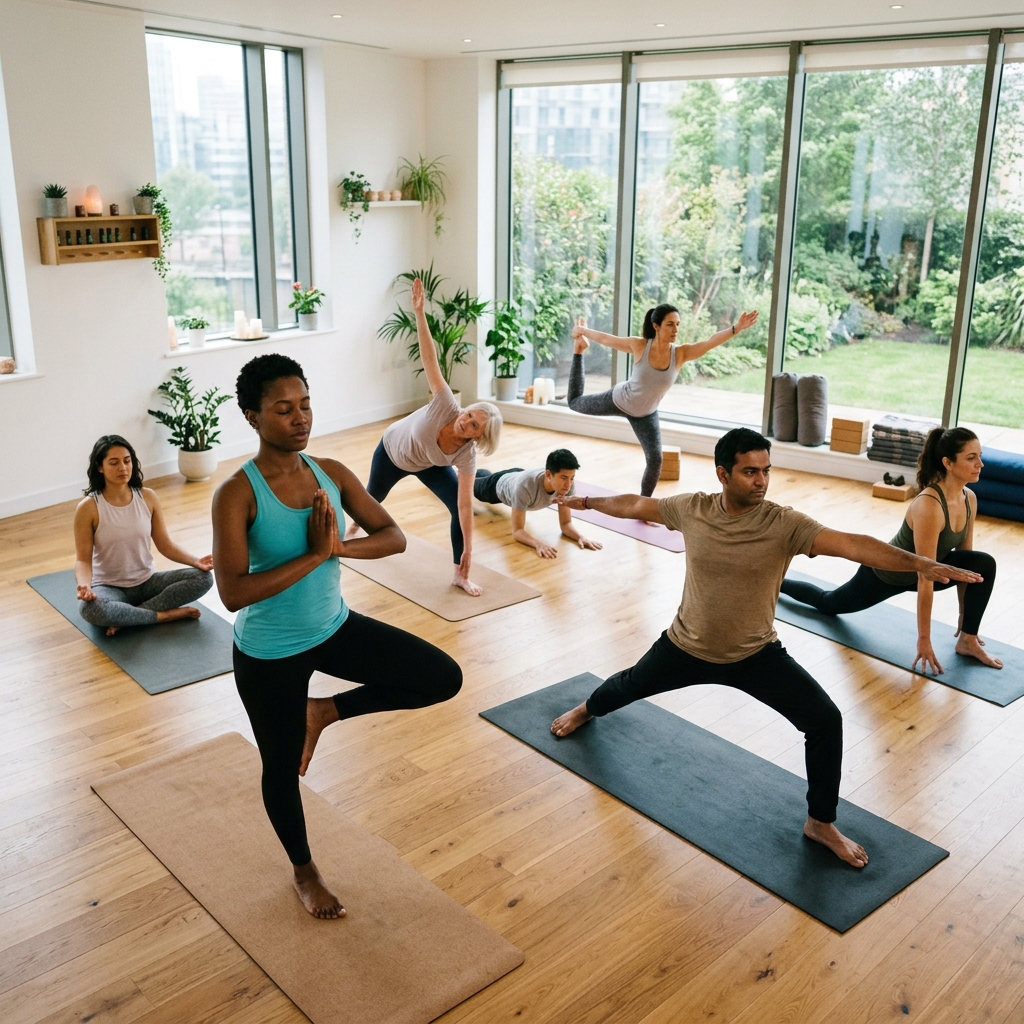
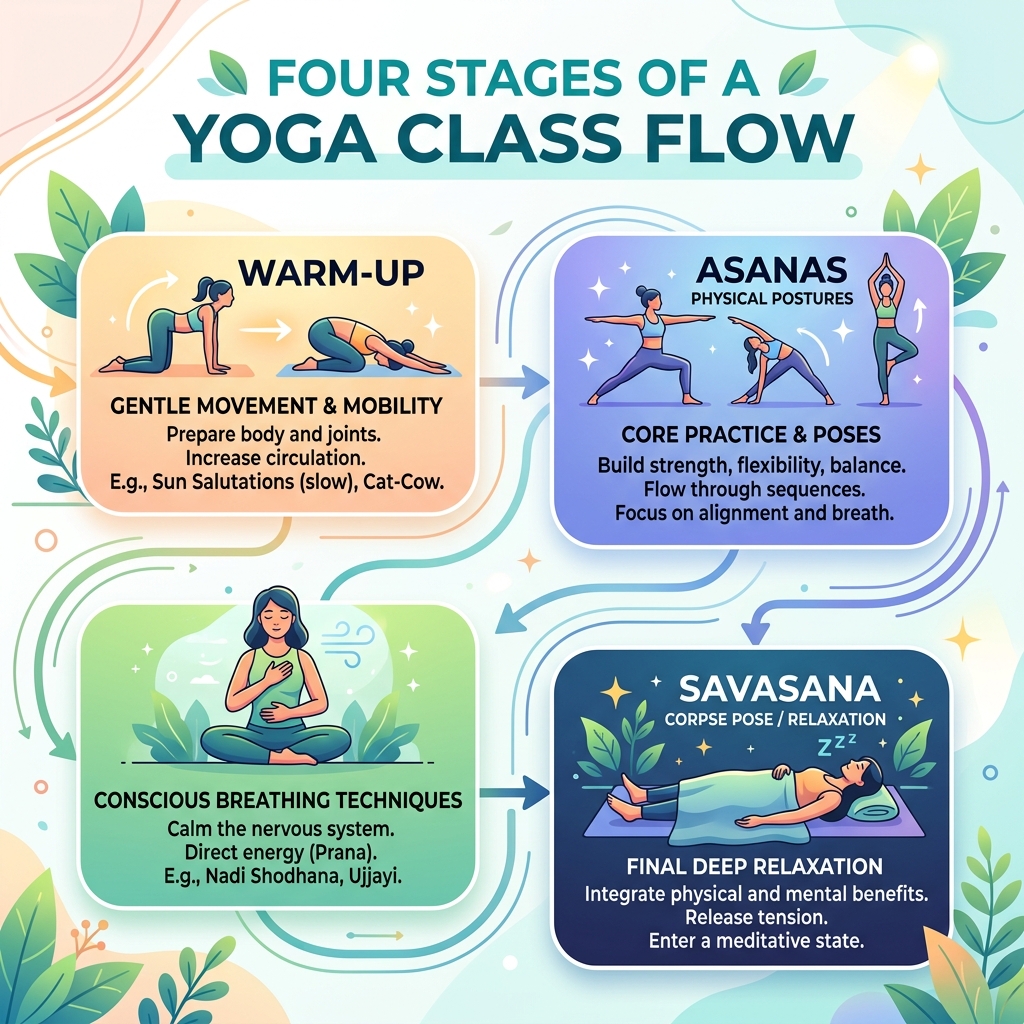
A typical beginner class is structured to build confidence gradually. While every studio differs, most classes follow a predictable flow designed for safety and effectiveness:
- Warm-up: Gentle movements to prepare muscles and joints.
- Asanas (Postures): The core practice where you build strength and flexibility through various poses.
- Pranayama (Breathwork): Techniques focused on deep, controlled breathing to calm the mind.
- Savasana (Relaxation): A crucial final pose for integrating the benefits of the practice.
🧘♀️ Preparing for Success: What to Bring and Wear
Preparation is key to minimizing anxiety and maximizing comfort. You don't need expensive gear, just the right mindset and basic items.
What to Wear (Focus on Comfort)
The goal of your clothing should be unrestricted movement.
- Fabric: Opt for breathable, moisture-wicking materials like bamboo or technical synthetics. Avoid heavy cotton that retains sweat.
- Fit: Choose clothes that are fitted but not restrictive. Loose garments can get caught during deeper stretches.
- Footwear: Practice barefoot. This allows you to feel the ground and maintain better balance, which is essential for many poses. If this is impossible, grip-soled socks are acceptable.
What to Bring (The Essentials)
Keep your gear simple:
- Yoga Mat: While studios may provide mats, bringing your own ensures a familiar, hygienic surface. Look for non-slip materials.
- Water Bottle: Stay hydrated throughout the session. Sip water regularly, especially during transitions between poses.
- Small Towel: Useful for wiping away sweat and keeping yourself comfortable.
Pro Tip: Arrive 10–15 Minutes Early. This buffer time allows you to check in with the instructor, find a comfortable spot, and take deep breaths before the class begins—a great way to center your mind.
🌬️ During the Session: Understanding the Flow
The actual class is guided by the instructor, but knowing what they are doing helps you follow along.
How Does the Instructor Guide Me?
Expect clear verbal cues and demonstrations. The instructor will focus on:
- Alignment: They will guide you on how to position your body (e.g., "Keep your hips squared," or "Press through your palms"). This is vital for preventing injury.
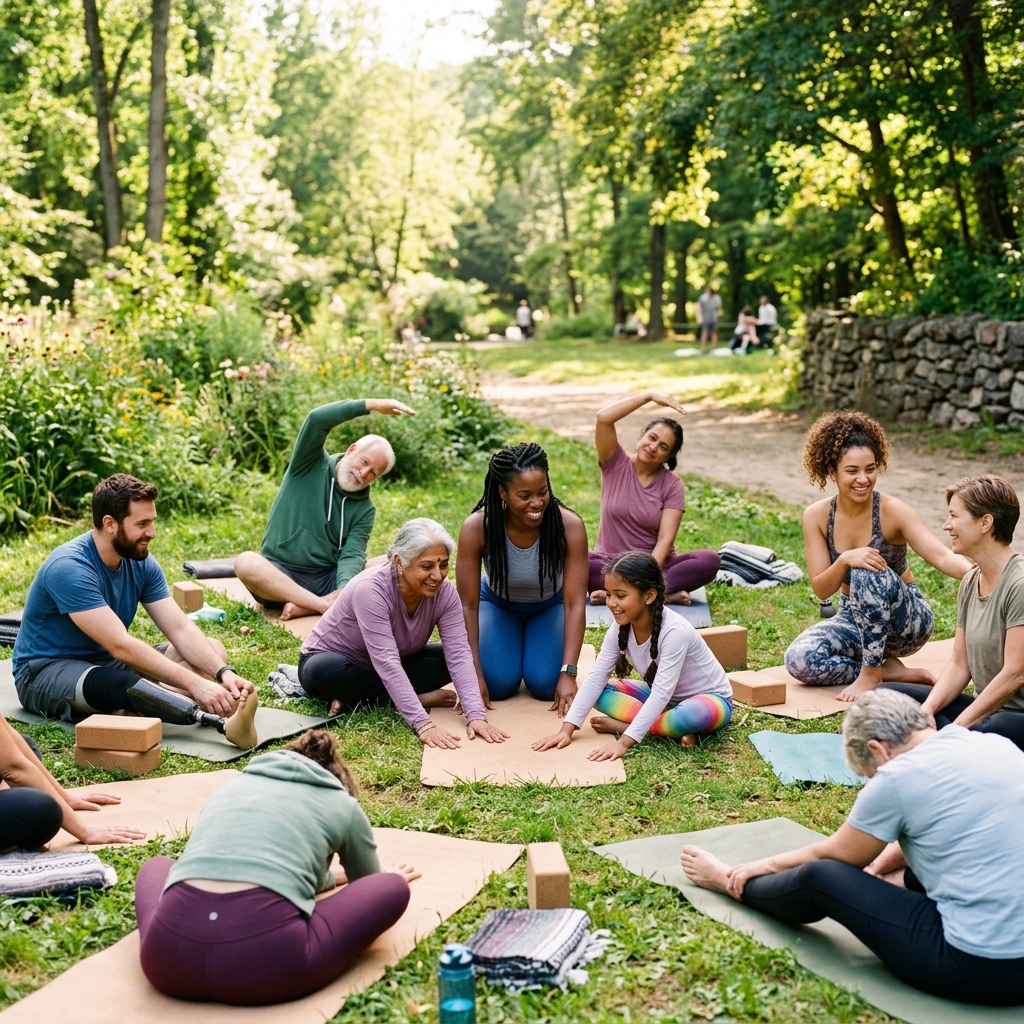
- Modifications: Never feel pressured to perform a pose perfectly. If a pose hurts, the instructor will offer modifications—easier ways to achieve the same stretch or strength benefit (e.g., bending your knees in Downward Dog).
- Breath Focus: The cues will constantly link movement to breath. This is the core of the practice.
What Are Asanas and Pranayama?
These are the two pillars of the physical class:
- Asanas (Postures): These are the physical poses, like Downward-Facing Dog or Warrior II. They build strength, improve flexibility, and increase body awareness. Focus on holding the pose steadily rather than achieving a perfect shape.
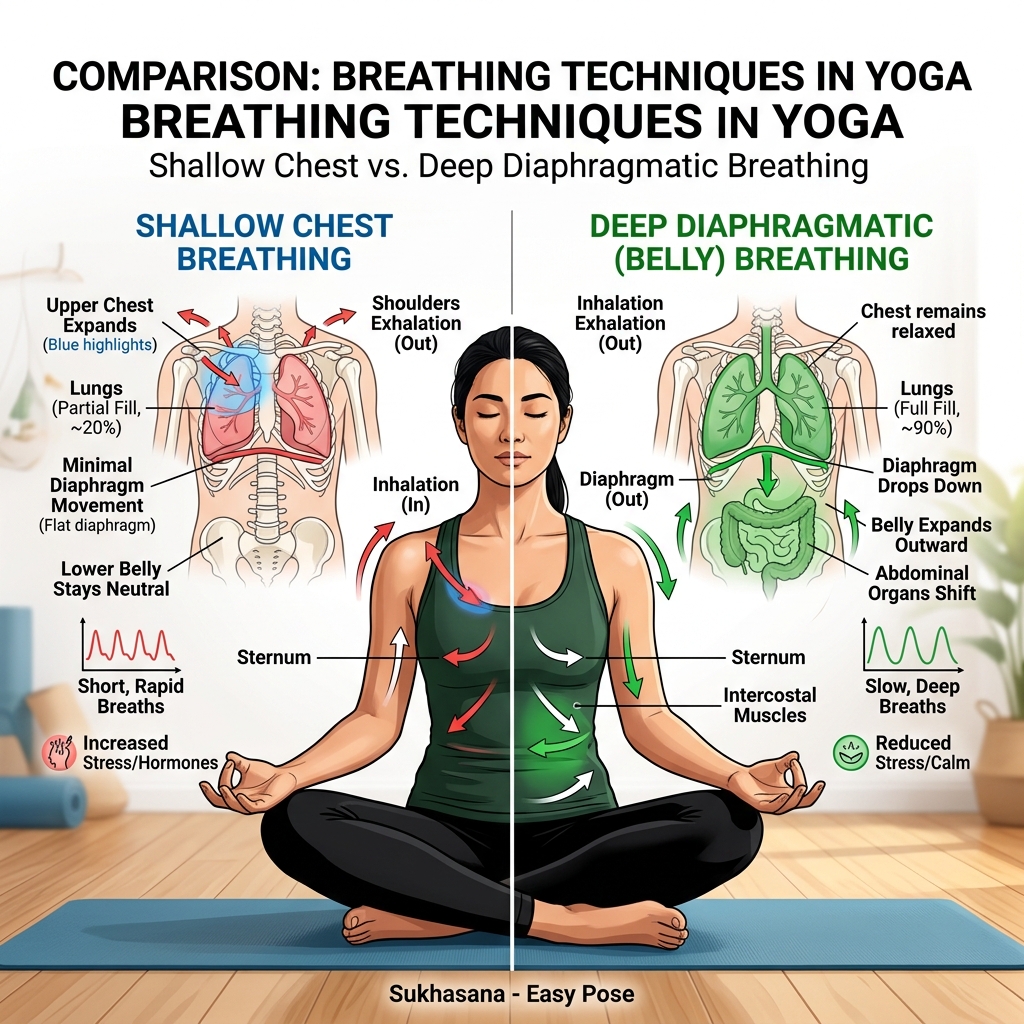
- Pranayama (Breathwork): This is conscious breathing. Techniques like Ujjayi breath (the soft, oceanic sound in your throat) help regulate the nervous system, calm anxiety, and deepen focus.
🧘♀️ Key Poses to Look Out For
Don't worry about mastering these immediately! Simply observing them is enough for your first class.
- Downward-Facing Dog (Adho Mukha Svanasana): A full-body stretch and gentle inversion that strengthens the arms and hamstrings. Modification: Keep knees bent.
- Warrior Poses: Powerful standing poses that build leg strength, stamina, and focus. Focus on keeping your core engaged.
- Child's Pose (Balasana): This is a restorative pose—a safe place to rest when you feel overwhelmed or need a break. It calms the mind instantly.
- Savasana (Corpse Pose): The final, mandatory relaxation period. Lying still allows your body and mind to absorb all the benefits of the physical work. Do not skip this!
🌿 After Class: Integrating Your Practice
The journey doesn't end when you leave the studio. How you treat your body in the hours following class helps solidify the benefits.
Why is Post-Yoga Care Important?
Your muscles are working hard, and your nervous system is calming down. Proper post-class care ensures recovery and prevents soreness.
- Hydrate Immediately: Drink water slowly over time. Electrolyte drinks can also be helpful if you sweated heavily.
- Gentle Movement: Avoid jumping or intense cardio for the next few hours. A slow walk or some gentle stretching is perfect to keep blood flowing without stressing muscles.
- Reflect and Journal: Take five minutes to notice how your body feels—is your back looser? Is your mind calmer? Tracking these small changes helps you build momentum and motivation.
💡 Summary: Making Yoga a Sustainable Habit
Starting yoga requires patience, curiosity, and self-compassion. Remember that the goal is not perfection; it is consistency. Every single class, even if challenging, builds strength—both physically and mentally.
Key Takeaways for Beginners:
- Listen to Your Body First: Pain is a signal to stop or modify. Never push through sharp pain.
- Focus on the Breath: Use your breath as an anchor. When your mind wanders, simply return your focus to your inhale and exhale.
- Embrace Imperfection: Comparison is the thief of joy. Your journey is unique, and that's okay!
- Consistency Over Intensity: A few minutes of mindful stretching daily is more beneficial than one intense session per month.
By approaching your first class with curiosity rather than expectation, you are already halfway to a deeper connection with your body and mind. Be kind to yourself—you’ve taken the most important step!
Frequently Asked Questions
No. Yoga is designed to improve flexibility over time. Focus on listening to your body and using modifications, not comparing yourself to others.
Asanas are the physical postures (poses) used in yoga to build strength and mobility. Pranayama refers to breath control techniques, which help calm the mind and regulate the nervous system.